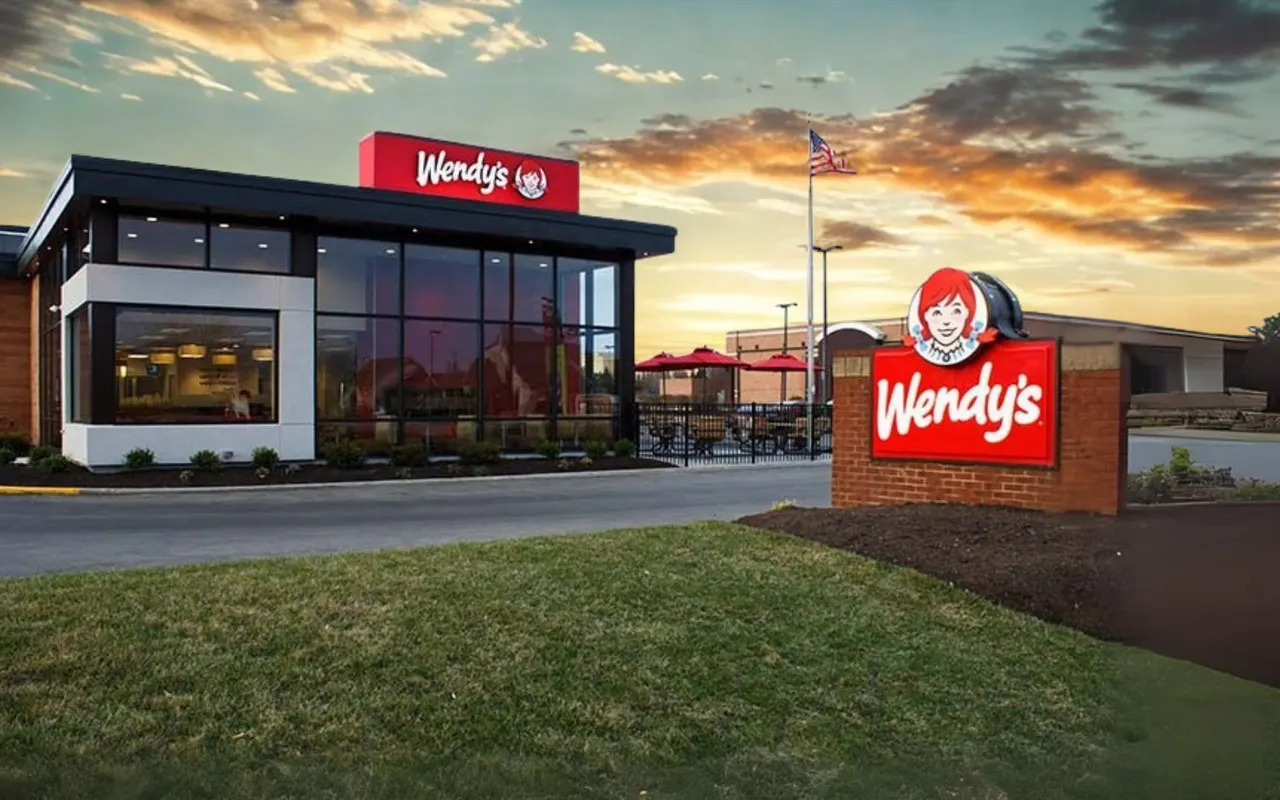
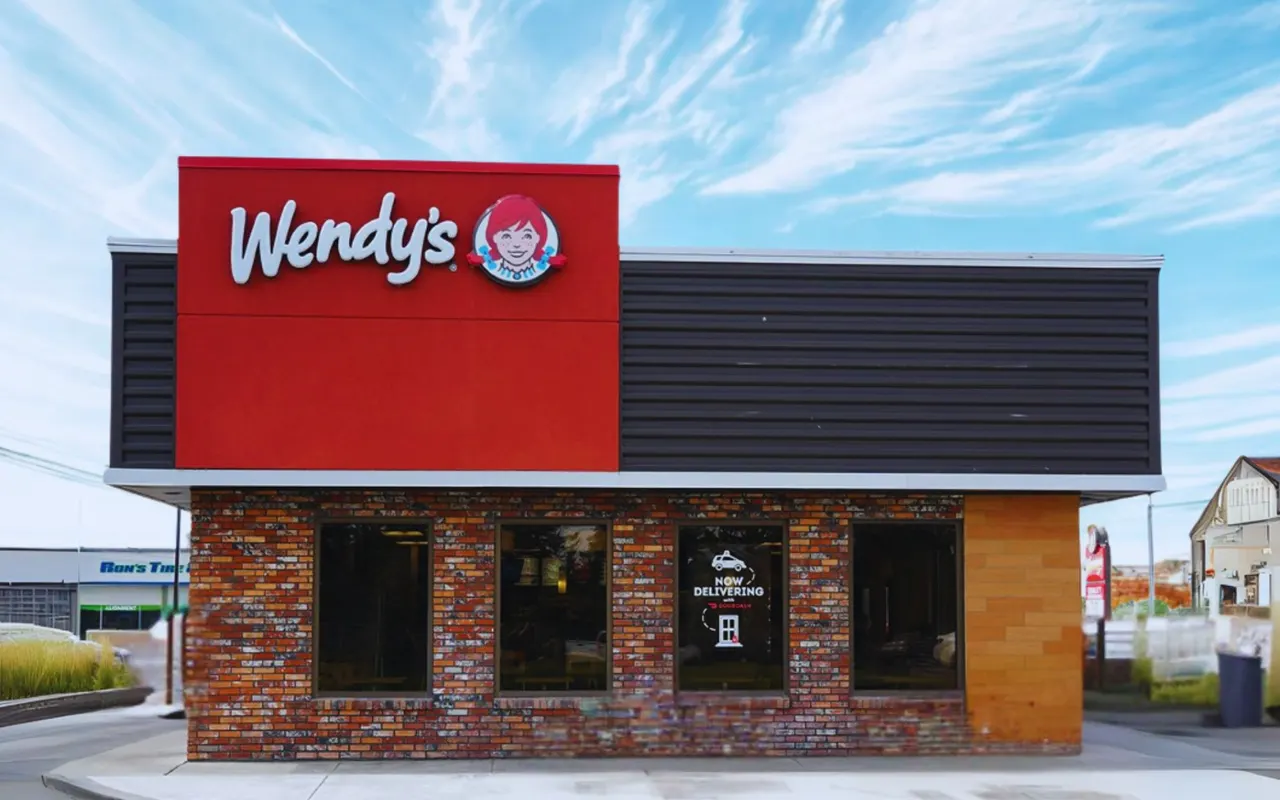
Wendy’s NNN Properties for Sale — Dave Thomas Square Burger Premium QSR Triple Net Lease Investments
Wendy’s NNN properties offer passive income investors the institutional combination of premium QSR positioning (Fresh Never Frozen beef, quality differentiation vs McDonald’s/Burger King value focus, higher check average $10-12 vs $7-8 competitors), square burger heritage (Dave Thomas founder 1969, iconic square patties, Frosty cultural institution, “Where’s the Beef?” nostalgia), breakfast daypart expansion (2020+ national rollout, morning sales growth layering onto lunch/dinner strength, adding $150K-300K per store), 5,800+ US locations (3rd largest burger chain behind McDonald’s 13,000+ and Burger King 7,000+, strategic footprint), 20+ year absolute NNN leases (corporate or franchise guarantees, tenant pays all expenses), established brand recognition 95%+ (one of most trusted QSR brands, Dave Thomas founder legacy), and 6.0-7.0% cap rates (premium QSR market rates, quality tenant positioning) creating value conditions for investors seeking established burger brand with quality differentiation despite competitive QSR burger market pressures from McDonald’s scale advantages.
American Net Lease specializes in Wendy’s NNN investments across major metros, suburban standalone locations, and breakfast expansion markets. Browse current listings or call 239.236.2626 to discuss exclusive Wendy’s opportunities.
Why Invest in Wendy’s NNN Properties?
Wendy’s combines premium QSR positioning with established brand heritage—Fresh Never Frozen beef quality differentiation (no frozen patties, competitive advantage vs McDonald’s/Burger King standardization), Dave Thomas founder legacy (1969 founding, square burger icon, Frosty dessert institution), breakfast daypart national rollout (2020+ expansion, $150K-300K incremental revenue per store, morning sales layering onto lunch/dinner base), 5,800+ US locations (3rd largest burger chain, strategic footprint), 20+ year absolute NNN leases protecting investors from operational challenges, corporate or franchise guarantees providing rent security, and 6.0-7.0% cap rates (premium QSR market rates) making Wendy’s NNN properties suitable for conservative investors seeking established burger brand with quality differentiation accepting competitive pressures from McDonald’s scale and Chick-fil-A premium chicken alternatives.
1. Premium QSR Positioning — Fresh Never Frozen Beef Quality Differentiation (Higher Check Average vs McDonald’s)
Wendy’s holds premium burger QSR positioning ($10-12 check average vs McDonald’s $7-8, quality-focused), built on Fresh Never Frozen beef (competitive advantage, no frozen patties, perceived quality superiority), square burger differentiation (unique patty shape, Dave Thomas 1969 innovation, “more meat, less bun”), made-to-order model (customizable sandwiches, vs McDonald’s assembly line speed focus), premium menu innovation (Dave’s Single/Double/Triple, Pretzel Bacon Pub, Bourbon Bacon, variety vs Big Mac/Whopper standardization), and quality-focused marketing (“Quality is our Recipe,” Fresh beef transparency) creating brand positioning between value-focused McDonald’s/Burger King and ultra-premium Shake Shack/Five Guys allowing higher pricing power ($10-12 checks, better margins) despite slower service speeds (made-to-order sacrifices speed vs McDonald’s efficiency).
Wendy’s premium positioning advantages:
- Fresh Never Frozen beef: No frozen patties (quality perception, taste superiority, marketing differentiation vs McDonald’s)
- Square burgers: Iconic shape (unique recognition, Dave Thomas innovation, “hangs over bun” for visual impact)
- Higher check average: $10-12 (vs McDonald’s $7-8, Burger King $7-9, better unit economics from pricing power)
- Made-to-order customization: Hold pickles, add bacon, modify toppings (consumer preference for personalization)
- Premium menu: Bourbon Bacon, Pretzel Pub, Asiago Ranch (vs McDonald’s Big Mac standardization, menu variety)
- Frosty dessert: Chocolate/vanilla institution (unique menu item, nostalgia, beverage differentiation)
Competitive positioning vs burger competitors:
- McDonald’s: Value focus, speed/efficiency dominance, $7-8 checks, assembly line model, BUT frozen beef (Wendy’s quality advantage)
- Burger King: Value focus, flame-grilled differentiation, $7-9 checks, BUT struggling brand health (Wendy’s stability advantage)
- Wendy’s: Premium quality, Fresh Never Frozen beef, $10-12 checks, made-to-order, BUT slower speeds (quality vs speed trade-off)
- Five Guys/Shake Shack: Ultra-premium, $15-20 checks, gourmet positioning, BUT small footprints 2,000-400 stores (Wendy’s scale advantage)
- Chick-fil-A: Premium chicken, $12-15 checks, hospitality excellence, BUT chicken-only (Wendy’s burger category exposure)
Why premium matters (quality ≠ speed):
- Pricing power: $10-12 checks (30-40% higher revenue per transaction vs McDonald’s)
- Margin advantage: Higher ASP = better profitability (offsetting slower transaction speeds)
- Quality perception: Fresh beef = consumer preference for healthier, tastier option
- Trade-off: Made-to-order speed sacrifice (Wendy’s 3-4 min vs McDonald’s 2 min, drive-thru times slower)
Fresh Never Frozen beef competitive advantage:
- Marketing differentiation: “Fresh beef” vs “frozen beef” resonates with consumers (health, quality perception)
- Taste superiority: Fresh patties perceived better taste vs frozen (consumer blind taste tests favor Wendy’s)
- Supply chain complexity: Fresh beef 3-day shelf life (requires daily deliveries, higher logistics costs vs McDonald’s frozen 6-month shelf life)
- Cost disadvantage: Fresh beef 10-15% more expensive than frozen (Wendy’s accepts margin pressure for quality positioning)
Breakfast daypart expansion ($150K-300K incremental revenue!):
- 2020 national rollout: Breakfast Baconator, Honey Butter Chicken Biscuit (morning sales NEW daypart)
- Market entry timing: Late to breakfast (McDonald’s 1970s, Burger King 1980s, Wendy’s 2020+, BUT fresh beef differentiation)
- Incremental revenue: $150K-300K per store annually (10-20% total revenue increase, layering onto lunch/dinner base)
- Operational challenge: Morning prep (requires earlier labor shifts, fresh beef AM delivery, BUT premium pricing offsets costs)
- Competitive vulnerability: McDonald’s 50-year breakfast dominance (consumer habit entrenched, Wendy’s playing catch-up)
Investment thesis: Wendy’s premium QSR positioning ($10-12 check average, 30-40% higher than McDonald’s $7-8) backed by Fresh Never Frozen beef (quality differentiation, consumer preference) and breakfast daypart expansion ($150K-300K incremental per store) provides pricing power while delivering 6.0-7.0% cap rates (premium QSR market rates).
2. Dave Thomas Founder Legacy — Square Burger Icon, Frosty Dessert Institution (“Where’s the Beef?” Nostalgia)
Wendy’s leverages Dave Thomas founder heritage (founded 1969 Columbus, Ohio, adopted daughter Melinda “Wendy” namesake, Dave appeared 800+ TV commercials 1989-2002 building personal brand trust), square burger innovation (unique patty shape, “hangs over bun” visual differentiation, made fresh daily positioning), Frosty dessert institution (chocolate/vanilla frozen dairy, 55+ years unchanged recipe, cultural nostalgia Millennial/Gen X memories), “Where’s the Beef?” 1984 cultural phenomenon (Clara Peller commercial catchphrase entered American lexicon, Wendy’s quality-focused messaging), and Dave Thomas personal brand trust (founder-led marketing through 2002 death, likeable personality, adoption advocacy, authentic brand voice) creating brand equity despite founder passing 2002 (Dave’s image still used, heritage marketing, BUT personal connection lost, corporate ownership transition Wendy’s Company publicly traded).
Dave Thomas legacy advantages:
- Founded 1969: 55+ years operating history (established burger brand, pre-dates McDonald’s breakfast 1970s expansion)
- Square burger innovation: Unique patty shape (visual differentiation, “hangs over bun,” made fresh daily positioning)
- Frosty dessert: 55+ year unchanged recipe (chocolate/vanilla frozen dairy, cultural institution, beverage differentiation vs McDonald’s shakes)
- “Where’s the Beef?” 1984: Clara Peller commercial (cultural phenomenon, entered American lexicon, quality-focused messaging Wendy’s competitors use less meat)
- Dave Thomas personal brand: 800+ TV commercials (1989-2002, founder-led marketing, likeable personality, adoption advocacy, authentic trust)
- Adoption advocacy: Dave Thomas adopted, founded Dave Thomas Foundation for Adoption (personal brand purpose, social responsibility, consumer goodwill)
Brand positioning vs burger competitors:
- Wendy’s: Dave Thomas founder legacy, square burger, Fresh beef, Frosty, quality focus
- McDonald’s: Ray Kroc/Fred Turner system builders, golden arches, Big Mac, speed/value, global scale
- Burger King: James McLamore/David Edgerton founders, Whopper, flame-grilled, value focus, struggling brand health
- Five Guys: Murrell family founders, simple menu, premium pricing, smaller footprint
- In-N-Out: Snyder family private ownership, secret menu, West Coast cult following, never franchised
Why heritage matters (nostalgia ≠ growth):
- Brand equity: 95%+ recognition (consumers know Wendy’s, Dave Thomas familiar, square burger iconic)
- Trust: Founder-led brand building (Dave’s personal commercials created authentic connection vs corporate messaging)
- Quality perception: Fresh beef positioning (heritage reinforces premium vs McDonald’s value focus)
- BUT: Founder passing 2002 (Dave’s image still used, BUT personal connection lost, corporate ownership Wendy’s Company)
Post-Dave Thomas ownership transitions:
- 1969-2002: Dave Thomas founder-led (personal brand building, authentic marketing)
- 2008: Wendy’s/Arby’s Group merger (Triarc acquires Wendy’s, combines with Arby’s, portfolio strategy)
- 2011: Wendy’s/Arby’s split (Wendy’s spun out as independent publicly traded, NASDAQ: WEN)
- 2024: Wendy’s Company publicly traded ($3B market cap, 100% franchised US system, focuses brand/franchising)
Current Wendy’s Company financial metrics (2024):
- Market cap: $3B+ (publicly traded NASDAQ: WEN)
- Revenue: $2.1B (primarily franchise royalties + company-operated international, 100% franchised US)
- Same-store sales: +3-5% (breakfast daypart growth, digital ordering, menu innovation)
- Unit economics: $1.9M average unit volume (higher than McDonald’s $3.2M BUT better margins from premium pricing)
- Store count growth: +50-100 net new US stores annually (strategic expansion, breakfast rollout support)
- Dividend yield: 3-4% (quarterly distributions, shareholder-friendly)
3. Breakfast Daypart National Expansion — $150K-300K Incremental Revenue Per Store (2020+ Rollout)
Wendy’s breakfast daypart national rollout (2020+ expansion, previously tested regionally 1980s-2010s failed, national commitment $20M+ marketing investment) adds $150K-300K incremental revenue per store (10-20% total revenue increase, layering morning sales onto lunch/dinner base), built on Breakfast Baconator (square sausage patty, Fresh Never Frozen quality extension to morning), Honey Butter Chicken Biscuit (premium chicken biscuit, Southern regional inspiration), Frosty-ccino (Frosty-coffee hybrid, unique beverage), and drive-thru focused (90%+ breakfast off-premise, aligns with Wendy’s 80%+ drive-thru mix) creating daypart diversification reducing lunch/dinner concentration while facing McDonald’s 50-year breakfast dominance (consumer habits entrenched, McDonald’s 25-30% sales from breakfast, Egg McMuffin 1970s cultural icon).
Breakfast expansion advantages:
- Incremental revenue: $150K-300K per store annually (10-20% total revenue lift, NEW daypart vs cannibalizing lunch/dinner)
- Daypart diversification: Reduces lunch/dinner concentration (spreads revenue across morning/afternoon/evening)
- Fresh beef extension: Breakfast Baconator fresh sausage (quality positioning extends to morning, differentiation vs McDonald’s)
- Premium pricing: $5-8 breakfast sandwiches (aligns with Wendy’s premium positioning, higher margins than McDonald’s $4-6)
- Drive-thru alignment: 90%+ breakfast off-premise (matches Wendy’s 80%+ drive-thru infrastructure, minimal dine-in needed)
Breakfast competitive challenges:
- Market entry timing: Late to breakfast (McDonald’s 1970s Egg McMuffin, Burger King 1980s Croissan’wich, Wendy’s 2020+, consumer habits entrenched)
- McDonald’s dominance: 25-30% McDonald’s sales from breakfast (50-year head start, Egg McMuffin cultural icon, consumer loyalty)
- Operational complexity: Morning prep (fresh sausage delivery, earlier labor shifts, kitchen scheduling vs lunch/dinner, increased costs)
- Cannibalization risk: Limited kitchen capacity (breakfast prep may slow lunch preparation if poorly managed, operational strain)
- Consumer trial: Overcoming habits (consumers default to McDonald’s/Starbucks morning routine, Wendy’s requires behavior change)
Breakfast menu highlights:
- Breakfast Baconator: Square fresh sausage patty, applewood smoked bacon, American cheese, fresh cracked egg ($5-6, premium positioning)
- Honey Butter Chicken Biscuit: Southern-inspired, buttermilk biscuit, fried chicken ($4-5, chicken strength extension)
- Frosty-ccino: Frosty-coffee hybrid (unique beverage, morning Frosty craving, chocolate/vanilla, $3-4)
- Maple Bacon Chicken Croissant: Premium croissant, chicken, bacon, maple syrup ($6-7, indulgent positioning)
Investment implications:
- Store selection: Target locations with 2020+ breakfast rollout (newer equipment, proven breakfast sales, management commitment)
- Revenue verification: Request breakfast % of sales (target 15-20%, proves daypart adoption, incremental revenue confirmation)
- Market tier: Major metros better breakfast adoption (commuter traffic, McDonald’s alternative seekers, urban consumer willingness to try new options)
- Avoid: Pre-breakfast stores (without morning infrastructure, requires $50K-100K remodel to add breakfast capability, capital risk)
4. 5,800+ US Locations — 3rd Largest Burger Chain (Strategic Footprint Behind McDonald’s, Burger King)
Wendy’s operates 5,800+ US locations (3rd largest burger chain behind McDonald’s 13,000+ and Burger King 7,000+, strategic footprint), with 100% franchised US system (Wendy’s Company focuses brand/franchising, zero company-operated US stores, franchise royalties 5% sales + 4% marketing), major metro concentration (top 50 DMAs, suburban strip malls, standalone drive-thru heavy), Midwest/Southeast strongholds (Ohio founding state 150+ stores, Texas 550+ stores, Florida 450+ stores), and strategic expansion (+50-100 net new stores annually, breakfast rollout support, infill existing markets) creating established footprint providing brand recognition and franchisee support infrastructure while facing McDonald’s scale advantages (2.2x more US locations, global dominance 40,000+ worldwide, drive-thru speed/efficiency superiority).
Store count comparison (US burger chains):
- McDonald’s: 13,000+ US stores (2.2x Wendy’s, global leader, unmatched scale)
- Burger King: 7,000+ US stores (1.2x Wendy’s, value focus, RBI BBB- credit)
- Wendy’s: 5,800+ US stores (3rd largest, premium positioning, Fresh beef differentiation)
- Sonic Drive-In: 3,500+ US stores (drive-in carhop model, regional Southern strength)
- Jack in the Box: 2,200+ US stores (West Coast concentration, 24-hour operations)
- Five Guys: 1,700+ US stores (ultra-premium, $15-20 checks, smaller footprint)
- Whataburger: 1,000+ US stores (Texas cult following, regional Southern dominance)
- In-N-Out: 400+ US stores (West Coast only, never franchised, cult following)
Wendy’s geographic concentration:
- Midwest stronghold: Ohio 150+ stores (founding state Columbus headquarters, Midwest heritage), Michigan 200+ stores, Illinois 180+ stores
- Southeast expansion: Florida 450+ stores (retiree population, suburban growth), Texas 550+ stores (largest market, zero state tax)
- Northeast presence: New York 180+ stores, Pennsylvania 150+ stores (urban/suburban mix)
- West Coast: California 350+ stores (competitive market, In-N-Out overlap), Arizona 120+ stores
Franchising model (100% US franchised):
- Franchise royalties: 5% of gross sales (recurring revenue, Wendy’s Company income base)
- Marketing fees: 4% of gross sales (national advertising fund, brand building)
- Zero company stores: Wendy’s Company owns ZERO US locations (100% franchised, asset-light model, focuses brand/franchising)
- International company stores: Wendy’s Company operates some international (testing markets, low-risk capital deployment)
Real estate structure:
- Fee simple: 70% Wendy’s NNN properties (Wendy’s Company or franchisee owns land + building)
- Ground lease: 30% (franchisee owns building, landlord owns land, 20+ year ground lease)
- Triple Net: 95%+ absolute NNN leases (tenant pays taxes, insurance, maintenance, parking lot, roof, HVAC, ALL expenses)
5. 6.0-7.0% Cap Rates — Premium QSR Market Rates (Fresh Beef Quality Positioning, Breakfast Growth)
Wendy’s NNN properties trade at 6.0-7.0% cap rates, varying by: (1) Market tier (major metros 6.0-6.5%, secondary 6.5-7.0%), (2) Breakfast penetration (stores with established breakfast sales 6.0-6.5%, non-breakfast 7.0-7.5%), (3) Lease term remaining (longer = lower cap), (4) Location quality (standalone drive-thru heavy 6.0-6.5%, inline strip mall 6.5-7.0%), (5) Franchise guarantee (corporate guarantee 6.0%, franchisee guarantee 6.5-7.0% depending on franchisee creditworthiness). Comparison: McDonald’s 5.0-6.0% (best-in-class QSR, global scale, unmatched credit), Wendy’s 6.0-7.0% (premium burger positioning, Fresh beef differentiation, breakfast growth), Burger King 6.5-7.5% (value focus, RBI BBB- credit, brand health challenges).
Cap rate factors:
Market tier (6.0-6.5% major metros, 6.5-7.0% secondary):
- Major metros: Top 50 DMAs (higher population density, stronger franchisee sales, better location traffic, lower risk)
- Secondary markets: Mid-sized cities (lower traffic, franchisee profitability pressure, higher cap rates compensate)
Breakfast penetration (6.0-6.5% breakfast stores, 7.0-7.5% non-breakfast):
- Breakfast established: 2020+ rollout, $150K-300K incremental revenue, daypart diversification, proven sales (lower risk, lower cap)
- Non-breakfast: No morning sales, lunch/dinner only, concentration risk, operational simplicity BUT revenue cap (higher cap rate)
Guarantee structure (6.0% corporate, 6.5-7.0% franchisee):
- Corporate guarantee: Wendy’s Company guarantees lease (rare, premium locations, $3B market cap backing, strongest credit)
- Franchisee guarantee: Individual franchisee guarantees lease (most common, creditworthiness varies, multi-unit operators stronger)
- Personal guarantee: Franchisee owner’s personal assets (standard NNN structure, bankruptcy protection limited)
Location format (6.0-6.5% standalone drive-thru, 6.5-7.0% inline strip):
- Standalone drive-thru: Freestanding building (80%+ Wendy’s sales drive-thru, optimal format, highest sales, lower cap)
- Inline strip mall: Shared parking, no drive-thru (10-15% Wendy’s portfolio, lower sales, higher cap rate)
- Food court: Mall-based (5% Wendy’s portfolio, mall traffic dependent, AVOID higher closure risk)
Cap rate comparison table:
| Brand | Credit | Cap Rate Range | Key Drivers |
|---|---|---|---|
| McDonald’s | AA- | 5.0-6.0% | Global scale, unmatched credit, drive-thru dominance |
| Chick-fil-A | Private | 4.0-5.0% | Premium chicken, hospitality excellence, closed Sundays |
| Wendy’s | Private | 6.0-7.0% | Premium burger, Fresh beef, breakfast growth |
| Burger King | BBB- (RBI) | 6.5-7.5% | Value focus, brand health challenges, RBI backing |
| Five Guys | Private | 6.5-7.5% | Ultra-premium, smaller footprint, limited scale |
Investment strategy cap rate targeting:
- Target: 6.0-6.5% caps on major metro standalone drive-thru with established breakfast (premium locations, lower risk, quality tenant)
- Accept: 6.5-7.0% caps on secondary market standalone drive-thru with breakfast (moderate risk, decent yield)
- Avoid: 7.0-7.5%+ caps on inline strip mall non-breakfast (higher closure risk, operational challenges, worse location)
Wendy’s Credit Strength & Financial Performance
Wendy’s Company Financial Overview (Publicly Traded NASDAQ: WEN)
Corporate metrics (2024):
- Market cap: $3B+ (publicly traded NASDAQ: WEN)
- Revenue: $2.1B (primarily franchise royalties 5% + marketing fees 4%, 100% franchised US system)
- Same-store sales growth: +3-5% (breakfast daypart growth, digital ordering expansion, menu innovation)
- Adjusted EBITDA: $500M+ (strong franchise royalty margins, asset-light model)
- Debt: $3.5B (moderate leverage, manageable debt service, refinanced 2023)
- Dividend yield: 3-4% (quarterly distributions, shareholder returns)
- Institutional ownership: 85%+ (pension funds, ETFs, mutual funds, lender confidence)
Franchise system strength:
- 100% franchised US: Zero company-operated stores US (asset-light model, Wendy’s Company focuses brand/franchising)
- Multi-unit operators: 90%+ stores owned by multi-unit franchisees (stronger capitalization, operational expertise vs single-unit mom-and-pop)
- Franchise royalties: 5% gross sales (recurring revenue base, predictable cash flow)
- Marketing fees: 4% gross sales (national advertising fund, brand building)
- Average franchisee: Operates 20+ Wendy’s stores ($40M+ annual sales, stronger credit vs single-unit)
Store-level economics:
- Average unit volume: $1.9M per store annually (higher than industry $1.5M average, premium positioning pricing power)
- Store-level EBITDA: 18-22% (higher margins from $10-12 check average vs McDonald’s $7-8)
- Breakfast incremental: $150K-300K per store (10-20% total revenue lift from morning daypart 2020+ rollout)
- New store investment: $2.5-3.5M (land, building, equipment, franchisee capex NOT Wendy’s Company)
Credit Rating Analysis
Wendy’s Company credit profile:
- Credit rating: NOT RATED by S&P/Moody’s (private company debt, no public rating, BUT $3B market cap publicly traded equity)
- Debt rating equivalent: Estimated BBB-/BB+ range (moderate leverage, franchise royalty stability, BUT smaller scale vs McDonald’s AA-)
- Lender appetite: 70-75% LTV typical (moderate credit, franchise royalty income, BUT not investment-grade rated)
Comparison to rated QSR peers:
- McDonald’s: AA- (S&P) — Best-in-class QSR credit, global scale, unmatched stability
- Restaurant Brands International (Burger King parent): BBB- (S&P) — Investment-grade, but lowest tier, Burger King brand health challenges
- Yum! Brands (KFC/Taco Bell/Pizza Hut): BBB (S&P) — Mid-tier investment-grade, multi-brand portfolio diversification
- Wendy’s: NOT RATED — Estimated BBB-/BB+ range based on debt leverage, franchise model strength
Why Wendy’s not rated:
- Private debt: Wendy’s debt privately placed (bank loans, not public bonds, no S&P/Moody’s rating needed)
- Franchise model: Asset-light (100% franchised US, low capex needs, less debt reliance vs company-operated peers)
- Equity focused: Publicly traded stock (NASDAQ: WEN, shareholder returns via dividends, equity financing vs debt)
Investment implications:
- Moderate credit: Wendy’s equivalent BBB-/BB+ (stronger than mom-and-pop franchisees, weaker than McDonald’s AA- or Yum! BBB)
- Franchise stability: Multi-unit operators (90%+ stores, stronger credit than single-unit franchisees, lower individual operator risk)
- Corporate backstop: Wendy’s Company guarantees rare (most leases franchisee-guaranteed, Wendy’s Company NOT on hook for individual store rents)
- Cap rate premium: 6.0-7.0% reflects moderate credit (vs McDonald’s 5.0-6.0% AA-, fair compensation for credit risk)
Types of Wendy’s NNN Properties
1. Standalone Drive-Thru (80%+ Wendy’s Sales, Optimal Format)
Most common Wendy’s format:
- Building: Freestanding single-story (2,800-3,500 sq ft)
- Drive-thru: Double lane (80%+ Wendy’s sales off-premise, drive-thru dominance)
- Seating: 50-80 seats dining room (secondary to drive-thru, dine-in declining post-COVID)
- Parking: 35-50 spaces (drive-thru circulation, customer parking, employee parking)
- Land size: 0.75-1.5 acres (drive-thru stacking, parking circulation)
Investment characteristics:
- Cap rates: 6.0-6.5% (major metros), 6.5-7.0% (secondary markets)
- Lease structure: Absolute NNN (tenant pays taxes, insurance, maintenance, parking lot, roof, HVAC, ALL expenses)
- Lease term: 20+ years initial (10-15 years remaining typical for resale NNN properties)
- Rent escalations: 10% every 5 years OR 1.5-2% annually (inflation protection, rent growth)
- Guarantor: Franchisee guarantee (multi-unit operator preferred, stronger credit vs single-unit)
Why standalone drive-thru optimal:
- Drive-thru dominance: 80%+ Wendy’s sales (aligns with consumer preference, off-premise strength)
- Breakfast alignment: Morning drive-thru 90%+ breakfast sales (optimal format for daypart growth)
- Visibility: Freestanding building (high visibility, signage, brand presence vs inline strip mall)
- Operational flexibility: Single-tenant control (vs shared parking strip mall, landlord maintains only structure vs parking lot)
Example: Wendy’s Austin, TX (standalone drive-thru)
- Property: 1.0 acre, 3,200 sq ft building, double-lane drive-thru, 60 seats, built 2018
- Lease: 20 years remaining (2044 expiry), absolute NNN, 10% rent increases every 5 years
- Franchisee: Multi-unit operator (15 Wendy’s stores, $30M+ annual sales, established operator)
- Performance: $2.2M AUV (above $1.9M average, breakfast penetration 18% sales)
- Price: $2.8M (6.0% cap, $168,000 NOI annually, $14,000/month rent)
2. Drive-Thru Express (Newer Format, Delivery/Digital Focus)
Emerging Wendy’s format:
- Building: Smaller footprint (2,000-2,500 sq ft, 20-30% smaller than traditional)
- Drive-thru: Double lane priority (85%+ sales off-premise, minimal dine-in)
- Seating: Limited 20-30 seats (vs traditional 60-80, dine-in secondary)
- Digital focus: Mobile order pickup, delivery staging (DoorDash/Uber Eats 15-20% sales)
- Land size: 0.5-0.75 acres (smaller footprint, urban infill, higher land costs acceptable)
Investment characteristics:
- Cap rates: 6.0-6.5% (newer format, management commitment, lower operational costs)
- Lease structure: Absolute NNN 20+ years
- Rent escalations: 1.5-2% annually (newer leases favor annual vs 5-year bumps)
- Build cost: $2.5-3.0M (lower than traditional $3.0-3.5M, smaller footprint economics)
Why drive-thru express attractive:
- Lower build cost: 20-30% cheaper than traditional (franchisee profitability better, lower breakeven)
- Digital alignment: Mobile ordering growth (consumer behavior shift, operational efficiency)
- Urban infill: Smaller footprint (fits denser urban sites, harder-to-develop locations)
- Future format: Wendy’s strategic focus (newer stores built this format, aligns with off-premise sales dominance)
3. Ground Lease (30% Wendy’s NNN Properties)
Landlord owns land, franchisee owns building:
- Lease structure: 20-30 year ground lease (landlord owns land, franchisee owns building)
- Rent: Ground lease rent ($40K-80K/year depending on market, vs fee simple $120K-180K with building value)
- Building ownership: Franchisee owns building (Wendy’s branded structure, franchisee capital investment)
- Reversion: Landlord receives building at lease expiry (typically, or landlord demolishes and re-tenants)
Investment characteristics:
- Cap rates: 6.0-7.0% (same as fee simple, ground lease structure)
- Initial investment: Lower purchase price ($1.0-1.5M land-only vs $2.5-3.5M fee simple)
- Rent security: Franchisee capital in building ($1.5-2.0M construction, skin in game, lease performance incentive)
- Reversion value: Landlord receives building (but Wendy’s-specific, re-tenanting risk if lease not renewed)
Ground lease advantages:
- Lower capital: Smaller initial investment (land-only vs land + building)
- Rent security: Franchisee’s building investment (incentive to maintain lease, capital at risk)
- Reversion: Building ownership at expiry (potential value, BUT re-tenanting risk if Wendy’s vacates)
Ground lease disadvantages:
- Building risk: Franchisee controls structure (maintenance, remodeling decisions, BUT absolute NNN landlord not responsible)
- Re-tenanting: Wendy’s-specific building (if franchisee vacates, hard to re-tenant without remodel/demolition)
- Lender appetite: Some lenders prefer fee simple (ground lease viewed higher risk, BUT 30% Wendy’s NNN market accepts)
Key Markets for Wendy’s NNN Investment
1. Texas: 550+ Wendy’s Stores (Largest Market, Zero State Tax)
Why Texas dominates:
- Store count: 550+ Wendy’s (largest US market, Dallas/Houston/San Antonio/Austin metros)
- Zero state tax: No income tax (investment income NOT taxed, rental income advantage)
- Population growth: +1.5M annually (2020-2024, suburban expansion, growing customer base)
- Suburban strength: Drive-thru heavy (80%+ Wendy’s sales, Texas car-centric suburbs optimal)
Texas Wendy’s investment profile:
- Cap rates: 6.0-6.5% (major metros), 6.5-7.0% (secondary markets)
- Price range: $2.5-3.5M (fee simple standalone drive-thru, 20 years remaining)
- Top markets: Dallas (150+ stores), Houston (120+ stores), San Antonio (80+ stores), Austin (60+ stores)
- Breakfast penetration: 65%+ Texas stores (2020+ rollout, strong adoption, $180K-250K incremental revenue)
Example: Wendy’s Dallas, TX (Frisco suburb)
- Property: 1.2 acres, 3,400 sq ft, double-lane drive-thru, 70 seats, built 2019
- Lease: 18 years remaining, absolute NNN, 10% rent increases every 5 years
- Franchisee: Multi-unit operator (25 Wendy’s stores Texas, $50M+ sales annually)
- Performance: $2.4M AUV (breakfast 20% sales, digital 18%, drive-thru 82%)
- Price: $3.2M (6.2% cap, $198,400 NOI, $16,533/month rent)
- Market: Frisco high-growth suburb (Dallas metro, median income $110K, family-friendly)
2. Florida: 450+ Wendy’s Stores (Zero State Tax, Retiree Population)
Why Florida strong:
- Store count: 450+ Wendy’s (2nd largest, Miami/Tampa/Orlando/Jacksonville metros)
- Zero state tax: No income tax (rental income advantage, 1031 exchange destination)
- Retiree population: 21% over 65 (vs 17% US average, Wendy’s lunch/dinner strength, senior-friendly)
- Suburban growth: Tampa/Orlando suburbs (drive-thru optimal, family-friendly locations)
Florida Wendy’s investment profile:
- Cap rates: 6.0-6.5% (major metros), 6.5-7.0% (secondary)
- Price range: $2.8-3.8M (fee simple, hurricane-rated construction)
- Hurricane consideration: Wind mitigation (insurance $15K-25K/year vs $5K-8K Texas, higher but absolute NNN tenant-paid)
- Breakfast penetration: 60%+ Florida stores (strong adoption, commuter traffic)
3. California: 350+ Wendy’s Stores (Largest US Economy, Competitive Market)
Why California complex:
- Store count: 350+ Wendy’s (Los Angeles/San Diego/San Francisco/Sacramento metros)
- High prices: $3.5-5.0M (expensive land, dense metros, high construction costs)
- In-N-Out competition: Regional burger cult (West Coast dominance, Wendy’s competes premium positioning)
- High state tax: 13.3% (sellers fleeing, 1031 exchange to Texas/Florida common)
California Wendy’s investment profile:
- Cap rates: 6.0-6.5% (despite high prices, credit quality supports valuations)
- Price range: $3.5-5.0M (fee simple, expensive land drives values)
- Tax migration: Sellers use 1031 exchange (sell California Wendy’s $4M, buy Texas Wendy’s $2.8M x 2 = diversify + eliminate state tax)
4. Ohio: 150+ Wendy’s Stores (Founding State, Corporate Headquarters Columbus)
Why Ohio significant:
- Store count: 150+ Wendy’s (founding state, Columbus HQ, Midwest concentration)
- Dave Thomas legacy: Founded 1969 Columbus (corporate HQ remains, Ohio heritage, strong brand presence)
- Midwest affordability: $2.2-2.8M (lower than coastal markets, better cash-on-cash returns)
- Corporate relationships: Ohio franchisees (strong Wendy’s Company relationships, long-term operators)
Ohio Wendy’s investment profile:
- Cap rates: 6.5-7.0% (Midwest secondary markets)
- Price range: $2.2-2.8M (affordable entry, higher yields)
- Market tier: Columbus 50+ stores (corporate HQ city, strong Wendy’s presence)
How to Evaluate Wendy’s NNN Properties
1. Verify Franchisee Financial Strength (Multi-Unit Operator Best)
Critical due diligence:
- Multi-unit operator: 90%+ Wendy’s stores owned by franchisees operating 10+ locations (stronger credit, operational expertise vs single-unit mom-and-pop)
- Request: Franchisee name, number of Wendy’s stores operated, years in system
- Verify: Wendy’s Company franchisee directory (confirm operator legitimacy, store count, territory)
- Financial request: Last 3 years franchisee financial statements (rare to receive, but request shows you’re serious investor)
- Red flag: Single-unit franchisee (weaker credit, operational challenges, higher bankruptcy risk vs multi-unit)
Multi-unit franchisee advantages:
- Capitalization: Operate 10+ stores (stronger balance sheet, access to capital, can weather individual store underperformance)
- Operational expertise: Years in system (know Wendy’s operations, training, supply chain, NOT learning on the job)
- Wendy’s Company relationship: Multi-unit preferred franchisee (Wendy’s supports with territory expansion, new store development)
- Lease performance: Higher probability rent payment (diversified across stores, one underperformer doesn’t bankrupt entire franchisee)
2. Confirm Breakfast Daypart Penetration ($150K-300K Incremental Revenue)
Breakfast due diligence:
- Rollout date: When did store add breakfast? (2020+ national rollout, verify store participated)
- Breakfast % sales: Request last 12 months breakfast sales % (target 15-20% total revenue, proves daypart adoption)
- Equipment verification: Visit store, confirm breakfast prep equipment (griddles, biscuit ovens, morning infrastructure)
- Sales growth: Compare pre-breakfast AUV vs post-breakfast (target $150K-300K incremental, 10-20% revenue lift)
- Red flag: Store WITHOUT breakfast (lunch/dinner only, concentration risk, missing daypart growth)
Why breakfast matters:
- Incremental revenue: $150K-300K per store (NEW sales, not cannibalizing lunch/dinner, pure addition)
- Daypart diversification: Morning revenue (reduces lunch/dinner concentration, spreads risk across day)
- Rent coverage: Higher AUV (better rent coverage ratio, franchisee profitability supports lease performance)
- Cap rate impact: Breakfast stores 6.0-6.5% (vs non-breakfast 7.0-7.5%, market values daypart growth)
3. Analyze Lease Terms & Rent Escalations
Key lease provisions:
- Lease type: Absolute NNN (tenant pays ALL expenses including structural, vs other NNN variations)
- Lease term: 20+ years initial, verify remaining term (15+ years remaining optimal for resale)
- Rent escalations: 10% every 5 years OR 1.5-2% annually (inflation protection, rent growth over time)
- Renewal options: 4x 5-year renewals typical (20 years initial + 20 years renewal = 40-year potential)
- Guarantor: Franchisee corporate entity (confirm multi-unit operator guarantee, NOT personal only)
- Assignment: Wendy’s Company approval required (landlord cannot block reasonable franchise sale, Wendy’s controls tenant quality)
Rent escalation structures:
10% every 5 years (traditional structure):
- Example: Year 1-5: $120,000/year → Year 6-10: $132,000/year (+10%) → Year 11-15: $145,200/year (+10%)
- Advantage: Predictable jumps, franchisee can plan for increases
- Disadvantage: Lumpy cash flow (no growth years 1-5, then sudden 10% increase year 6)
1.5-2% annually (newer structure):
- Example: Year 1: $120,000 → Year 2: $122,400 (+2%) → Year 3: $124,848 (+2%) compounding
- Advantage: Smooth cash flow growth, compounds annually, better inflation hedge
- Disadvantage: Lower initial years (1.5-2% < 1.9% needed to match 10% every 5 years), but compounds catch up
Investment preference:
- Target: 1.5-2% annual escalations (smoother cash flow, better inflation hedge long-term)
- Accept: 10% every 5 years (traditional, predictable, but lumpy)
- Avoid: Zero escalations (rent stays flat, inflation erodes returns, rare in Wendy’s NNN market)
4. Assess Location Quality & Drive-Thru Performance
Location factors:
- Visibility: Freestanding building (high-visibility signage, drive-thru prominence vs inline strip mall hidden)
- Traffic counts: 25,000+ cars daily (major arterial roads, strong drive-thru traffic)
- Competitors: Identify nearby burger QSR (McDonald’s, Burger King, Five Guys distance, competitive pressure assessment)
- Demographics: Median income $60K-100K (Wendy’s premium positioning $10-12 checks, higher income supports pricing)
- Drive-thru stacking: 10+ car capacity (peak lunch/dinner without spilling onto street, operational efficiency)
Drive-thru performance indicators:
- Drive-thru %: 80%+ sales (aligns with Wendy’s strength, optimal format)
- Speed: 3-4 minutes average (Wendy’s made-to-order vs McDonald’s 2 min, acceptable range)
- Breakfast drive-thru: 90%+ morning sales (off-premise dominance, breakfast daypart optimal format)
5. Verify Corporate or Franchise Guarantee Structure
Guarantee types:
Corporate guarantee (RARE, 6.0% caps):
- Guarantor: Wendy’s Company ($3B market cap) backs lease
- Structure: Wendy’s Company pays rent if franchisee defaults
- Rarity: <5% Wendy’s NNN properties (Wendy’s Company selective, premium locations only)
- Advantage: Strongest credit (publicly traded company guarantee, institutional backing)
- Cap rates: 6.0% (premium for corporate guarantee, lowest risk)
Franchisee guarantee (COMMON, 6.5-7.0% caps):
- Guarantor: Franchisee corporate entity (LLC operating 10-25 Wendy’s stores)
- Structure: Franchisee pays rent, Wendy’s Company NOT liable if franchisee bankruptcy
- Advantage: Still strong (multi-unit operator credit better than single-unit, diversified across stores)
- Cap rates: 6.5-7.0% depending on franchisee strength
Personal guarantee (ADDITIONAL, same caps):
- Guarantor: Franchisee owner’s personal assets (house, savings, secondary recourse)
- Structure: If franchisee LLC bankrupt, landlord can pursue owner personally
- Standard: Nearly all franchisee leases (personal + corporate, dual guarantees)
Due diligence:
- Request: Copy of lease with guarantor provision (verify corporate entity name, confirm multi-unit)
- Verify: Wendy’s Company franchisee directory (confirm operator legitimacy)
- Lawyer review: Attorney reads guarantee clause (ensure enforceable, no hidden carve-outs)
Wendy’s NNN Property Case Study
Example: Wendy’s Drive-Thru — Fort Worth, TX
Property details:
- Location: Fort Worth, Texas (Dallas-Fort Worth metro, population 8M+, suburban growth)
- Address: Major arterial intersection, 30,000+ daily traffic count
- Building: 3,200 sq ft freestanding, double-lane drive-thru, 65 seats, built 2020
- Land: 1.1 acres (ample drive-thru stacking, parking circulation)
- Format: Standalone drive-thru (optimal Wendy’s format, 80%+ sales off-premise)
Lease structure:
- Lease type: Absolute NNN (tenant pays taxes, insurance, maintenance, ALL expenses)
- Lease term: 18 years remaining (expires 2043)
- Rent: $186,000/year ($15,500/month)
- Escalations: 10% every 5 years (2028, 2033, 2038, predictable jumps)
- Renewal options: 4x 5-year renewals (potential 38-year total lease term)
- Guarantor: Multi-unit franchisee operating 22 Wendy’s stores ($45M annual sales)
Tenant performance:
- Franchisee: Multi-unit operator (22 Wendy’s DFW metro, 15 years in system, strong Wendy’s Company relationship)
- AUV: $2.3M annually (above $1.9M Wendy’s average, strong location performance)
- Breakfast: 19% sales ($437K annually, $150K-300K incremental target met)
- Drive-thru: 84% sales (off-premise dominance, aligns Wendy’s strength)
- Digital: 17% sales (mobile ordering, delivery, growing channel)
Investment metrics:
- Purchase price: $3.1M
- Cap rate: 6.0% ($186,000 NOI / $3.1M price)
- Cash-on-cash return: 4.8% unleveraged (simple $186K/$3.1M = 6.0%, after closing costs ~4.8%)
- Financing: 70% LTV available ($2.17M loan, $930K down payment)
- Leveraged return: 9.2% cash-on-cash ($186K NOI – $130K debt service = $56K cash flow / $930K down = 9.2%)
- Debt coverage ratio: 1.43x ($186K NOI / $130K debt service, strong coverage)
Why this investment works:
- Zero state tax: Texas no income tax (rental income NOT taxed, vs California 13.3%)
- Strong franchisee: 22-unit operator ($45M sales, diversified, strong credit vs single-unit risk)
- Breakfast proven: 19% sales (daypart diversification, $437K incremental, NOT just lunch/dinner)
- Optimal format: Standalone drive-thru (84% off-premise, Wendy’s strength, operational efficiency)
- Market growth: Fort Worth suburbs (DFW metro +150K annually, growing customer base)
- Rent escalations: 10% every 5 years (inflation protection, 18 years + renewals = long-term growth)
1031 exchange scenario:
- Investor profile: California investor selling $4.2M Los Angeles apartment building (13.3% state tax on rental income)
- Exchange strategy: 1031 into Wendy’s Fort Worth $3.1M (zero state tax Texas) + Walgreens Dallas $1.5M = $4.6M total
- Tax benefits: Defers $800K capital gains (CA high-tax property), eliminates future CA 13.3% state tax on rental income (TX zero tax), diversifies single asset into two NNN tenants
- Income: $186K Wendy’s + $99K Walgreens = $285K combined NOI (vs $168K apartment building, 70% increase)
- Management: Zero landlord work (absolute NNN, tenants pay everything vs apartment tenant calls, maintenance)
Exit strategy (10 years):
- Rent in year 10: $204,600 ($186K → +10% year 6 → +10% year 11 staggered = ~$205K)
- Cap rate at sale: 6.5% (assume slight cap rate expansion from 6.0%, conservative)
- Sale price: $3.15M ($204,600 / 6.5% cap = $3.15M, flat to slight appreciation)
- Total return: 6.0% annual income + flat price = ~6% annual total return unleveraged
- 1031 again: Roll into another NNN property (defer capital gains perpetually, “exchange until death,” heirs receive stepped-up basis eliminating all tax)
Frequently Asked Questions (FAQs)
How does Wendy’s premium positioning affect NNN investment risk?
Wendy’s premium QSR positioning ($10-12 check average vs McDonald’s $7-8 value focus) creates both advantages and trade-offs for NNN investors. Advantages: (1) Higher margins ($10-12 checks generate better franchisee profitability vs McDonald’s lower pricing, better rent coverage), (2) Quality differentiation (Fresh Never Frozen beef resonates with health-conscious consumers, competitive moat vs frozen patties), (3) Premium brand equity (Dave Thomas founder legacy, square burger icon, Frosty nostalgia builds customer loyalty). Trade-offs: (1) Slower service (made-to-order customization sacrifices speed, Wendy’s 3-4 min drive-thru vs McDonald’s 2 min, lower transaction volumes), (2) Smaller footprint (5,800 locations vs McDonald’s 13,000, less scale advantages), (3) Consumer recession risk (premium pricing vulnerable if consumers trade down to McDonald’s $7-8 during recessions vs Wendy’s $10-12). For NNN investors: Premium positioning supports higher franchisee profitability (better rent coverage, lease performance) BUT accepts McDonald’s competitive pressure (scale, speed, value focus advantages). Mitigation: Target multi-unit franchisees operating 10+ stores (diversified across locations, one underperformer doesn’t threaten entire franchisee), verify breakfast penetration ($150K-300K incremental revenue reduces lunch/dinner concentration), ensure 18+ years lease remaining (long-term corporate or franchise guarantee protects through economic cycles). Cap rates 6.0-7.0% reflect moderate risk (premium vs McDonald’s 5.0-6.0%, fair compensation for smaller scale vs value-focused competitors).
Why does Wendy’s breakfast daypart expansion matter to NNN investors?
Wendy’s 2020+ national breakfast rollout adds $150K-300K incremental revenue per store (10-20% total revenue lift), creating significant NNN investment value. Why it matters: (1) Daypart diversification (morning sales layering onto lunch/dinner base, reduces revenue concentration, spreads risk across day vs lunch/dinner only), (2) Rent coverage improvement ($150K-300K incremental = better franchisee profitability, stronger rent payment capacity, lower lease default risk), (3) Cap rate impact (breakfast stores trade 6.0-6.5% vs non-breakfast 7.0-7.5%, market values daypart growth), (4) Competitive differentiation (Fresh Never Frozen sausage extends quality positioning to morning, vs McDonald’s 50-year breakfast dominance). Critical: Verify store participates in breakfast (request last 12 months breakfast % sales, target 15-20% revenue, confirm equipment present, prove daypart adoption). Avoid stores WITHOUT breakfast (lunch/dinner only, concentration risk, missing $150K-300K incremental, higher cap rates 7.0-7.5% reflect concern). Investment strategy: Target Wendy’s with established breakfast 15-20% sales (proven daypart adoption, franchisee committed, lower risk) in major metros (commuter traffic, McDonald’s alternative seekers, urban breakfast demand) with multi-unit franchisees (capital to support breakfast rollout, operational expertise, breakfast success proven across portfolio).
What cap rate should I expect for Wendy’s NNN properties?
Wendy’s NNN properties typically trade at 6.0-7.0% cap rates, varying by: (1) Market tier (major metros 6.0-6.5%, secondary markets 6.5-7.0%), (2) Breakfast penetration (breakfast-established stores 6.0-6.5%, non-breakfast 7.0-7.5%), (3) Lease term (longer remaining = lower cap, shorter = higher cap), (4) Location format (standalone drive-thru 6.0-6.5%, inline strip mall 6.5-7.0%), (5) Guarantee structure (corporate guarantee 6.0%, franchisee guarantee 6.5-7.0%). Comparison: McDonald’s 5.0-6.0% (best-in-class QSR, AA- credit, unmatched scale), Wendy’s 6.0-7.0% (premium positioning, Fresh beef, breakfast growth), Burger King 6.5-7.5% (value focus, BBB- RBI credit, brand health challenges). Wendy’s 6.0-7.0% caps reflect: (1) Premium QSR positioning (higher margins vs value competitors, but McDonald’s scale advantages), (2) Breakfast daypart growth ($150K-300K incremental per store, proven revenue lift), (3) Multi-unit franchisee model (90%+ stores, stronger credit vs single-unit operators), (4) Fresh Never Frozen differentiation (quality competitive moat, consumer preference vs frozen patties). Strategy: Target 6.0-6.5% caps on major metro standalone drive-thru with established breakfast (premium locations, proven daypart, lower risk), avoid 7.0-7.5%+ caps on non-breakfast inline strip mall (higher risk, operational challenges, worse location format).
How does Wendy’s compare to McDonald’s for NNN investment?
McDonald’s advantages (5.0-6.0% caps):
- Scale: 13,000 US stores (2.2x Wendy’s, unmatched market dominance, global 40,000+)
- Credit: AA- S&P rated (vs Wendy’s not rated, strongest QSR credit, institutional-grade)
- Speed: 2-minute drive-thru (vs Wendy’s 3-4 min, efficiency dominance, higher transaction volumes)
- Breakfast: 50-year head start (25-30% McDonald’s sales from morning, vs Wendy’s 2020+ rollout catching up)
- Value focus: $7-8 check average (recession-resistant, consumers trade down during economic stress)
Wendy’s advantages (6.0-7.0% caps):
- Cap rate premium: 100-200 basis points higher yields (6.0-7.0% vs McDonald’s 5.0-6.0%, better cash-on-cash returns)
- Fresh beef: Quality differentiation (no frozen patties, consumer health preference, premium positioning)
- Premium pricing: $10-12 checks (better margins vs McDonald’s $7-8 value focus, higher franchisee profitability)
- Breakfast growth: 2020+ rollout momentum ($150K-300K incremental per store, NEW revenue vs McDonald’s mature daypart)
- Lower entry: $2.5-3.5M properties (vs McDonald’s $4-6M, easier capital deployment, portfolio diversification)
Investment decision:
- Conservative capital: McDonald’s (lower cap, but highest credit quality, recession-proof, unmatched stability)
- Yield-focused: Wendy’s (higher cap rates, Fresh beef differentiation, breakfast growth, accept McDonald’s competitive pressure)
- Portfolio strategy: Buy BOTH (McDonald’s 60%, Wendy’s 40%, blend yields 5.4-5.8%, diversify QSR burger exposure)
What are the risks of investing in Wendy’s NNN properties?
Primary risks:
1. McDonald’s competitive pressure (BIGGEST RISK):
- Scale advantages: McDonald’s 13,000 US stores (2.2x Wendy’s, drive-thru efficiency dominance)
- Speed superiority: McDonald’s 2-min drive-thru (vs Wendy’s 3-4 min made-to-order, transaction volume disadvantage)
- Breakfast dominance: 50-year head start (McDonald’s 25-30% sales from morning, Wendy’s 2020+ rollout playing catch-up)
- Mitigation: Target Wendy’s in markets WITHOUT nearby McDonald’s (geographic separation, less direct competition), verify breakfast penetration (daypart diversification reduces lunch/dinner McDonald’s overlap), choose multi-unit franchisees (operational expertise, capital to compete with McDonald’s marketing)
2. Franchisee credit risk (MODERATE):
- Franchise guarantee: Most Wendy’s leases franchisee-backed (NOT Wendy’s Company corporate guarantee, individual operator credit risk)
- Single-unit risk: Avoid single-unit franchisees (weaker credit, operational challenges, higher bankruptcy probability vs multi-unit)
- Mitigation: Require multi-unit operator 10+ stores ($25M+ sales, diversified, stronger balance sheet), verify years in Wendy’s system (established operators, proven performance), request 3-year financial statements (rare but shows franchisee confidence)
3. Breakfast execution risk (MODERATE):
- Operational complexity: Morning prep (fresh sausage delivery, earlier labor, kitchen scheduling vs lunch/dinner only, increased costs)
- Consumer adoption: Late market entry (McDonald’s 50-year entrenchment, consumer habit change needed)
- Mitigation: Verify breakfast % sales 15-20% (proves daypart adoption, franchisee commitment), avoid non-breakfast stores (concentration risk, missing $150K-300K revenue), target major metros (commuter traffic, breakfast demand higher)
4. Real estate specific:
- Inline strip mall: Avoid shared parking locations (lower sales, operational constraints, higher cap 6.5-7.0% reflects concern)
- Legacy buildings: Older stores 1990s-2000s (deferred maintenance risk, BUT absolute NNN tenant-paid, still verify building condition)
Overall risk assessment: Wendy’s NNN MODERATE RISK (premium QSR positioning offsets McDonald’s pressure, Fresh beef differentiation competitive moat, breakfast growth momentum, BUT smaller scale vs McDonald’s unmatched advantages). Cap rates 6.0-7.0% appropriately compensate (premium vs McDonald’s 5.0-6.0%, fair risk-adjusted return).
Ready to Invest in Wendy’s NNN Properties?
American Net Lease specializes in Wendy’s NNN investments nationwide. Our buyer representation model ensures your interests come first, with expert due diligence on franchisee strength verification (multi-unit operators preferred), breakfast daypart penetration confirmation ($150K-300K incremental revenue), lease structures, location quality assessment (standalone drive-thru optimal), and financing optimization (70-75% LTV lenders). We provide access to Wendy’s fee simple and ground lease properties in major metros, suburban standalone locations, and breakfast-established markets.
Benefits of working with American Net Lease:
✅ Buyer representation only — We represent YOU, not sellers/brokers (no conflicts)
✅ Franchisee verification — We confirm multi-unit operators (10+ stores, stronger credit vs single-unit risk)
✅ Breakfast penetration analysis — Verify breakfast % sales (15-20% target, daypart diversification)
✅ Lease analysis — Review rent escalations (1.5-2% annually or 10% every 5 years), renewal options, guarantor strength
✅ Location assessment — Standalone drive-thru focus (80%+ Wendy’s sales optimal format)
✅ Financing coordination — 70-75% LTV lenders for Wendy’s NNN properties
Browse current Wendy’s NNN properties or schedule a consultation:
📞 Call or Text: 239.236.2626
📧 Email: View Wendy’s NNN Listings
📄 Download: Premium QSR NNN Investment Guide
Related Premium QSR & Burger NNN Property Opportunities
Premium QSR Competitors:
- McDonald’s NNN Properties → (AA- credit, global scale, drive-thru dominance!)
- Chick-fil-A NNN Properties → (Premium chicken, hospitality excellence, closed Sundays!)
- Five Guys NNN Properties → (Ultra-premium burger, $15-20 checks!)
Burger QSR Competitors:
- Burger King NNN Properties → (RBI BBB- credit, value focus!)
- Sonic Drive-In NNN Properties → (Carhop differentiation, Southern strength!)
- Whataburger NNN Properties → (Texas cult following, regional dominance!)
QSR Sector:
- Taco Bell NNN Properties → (Yum! Brands BBB credit, Mexican QSR!)
- Popeyes NNN Properties → (RBI BBB- credit, fastest-growing chicken!)
State-Specific Wendy’s Markets:
- Texas NNN Properties → (550+ Wendy’s stores, largest market, zero tax!)
- Florida NNN Properties → (450+ Wendy’s stores, zero tax, retiree population!)
- California NNN Properties → (350+ Wendy’s stores, high prices, 1031 exchange source!)
Education & Resources:
- Ultimate Triple Net Lease Guide → (Complete NNN education)
- 1031 Exchange NNN Properties → (Tax-deferred strategies)
- All NNN Properties for Sale → (Full national inventory)
Invest in Wendy’s NNN properties with confidence:
📞 Call 239.236.2626 | 📧 Contact Us | 📄 Download Premium QSR Guide