📞 (239) 236-2626|📧 info@buynnnproperties.com

Ohio NNN Properties For Sale

Access Quality Triple Net Lease Investments

Get TODAY's Available NNN Properties

Fill out this form and receive your customised list now!


Below are Ohio NNN Properties for Sale

Ohio NNN Properties for Sale: Affordable Midwest Corporate Headquarters Market

Ohio NNN properties offer passive income investors the powerful combination of low 3.99% flat income tax, three major metros (Cleveland 2.2M, Columbus 2.1M, Cincinnati 2.3M) anchored by Fortune 500 headquarters (Procter & Gamble, Nationwide Insurance, Progressive), 28% below national cost of living, and diversified economy (manufacturing, healthcare, logistics) creating stable tenant performance and institutional-quality investment opportunities in America’s affordable Midwest heartland.

American Net Lease specializes in Ohio NNN investments across Columbus, Cleveland, Cincinnati, and growing markets statewide. Browse current listings or call 239.236.2626 to discuss exclusive Ohio opportunities.

Why Invest in Ohio NNN Properties?

Ohio combines low flat income tax with three major metropolitan areas, Fortune 500 corporate headquarters providing employment stability, affordable cost of living attracting residents and businesses from coastal markets, and central US location supporting logistics/distribution creating exceptional conditions for long-term triple net lease cash flow and tenant creditworthiness.

1. 3.99% Flat Income Tax — Simple, Predictable, Competitive

Ohio levies a 3.99% flat state income tax on all income (effective 2024, reduced from previous graduated rates), providing investors with simple tax planning, competitive rates versus coastal states (13.3% California, 10.9% New York), and predictable tax burden making Ohio an attractive alternative to high-tax markets for 1031 exchange investors seeking tax relief.

Tax advantages:

  • 3.99% flat tax on rental income (vs 13.3% CA, 10.9% NY, 5.75% GA)
  • $100,000 annual NOI = $3,990 Ohio tax (vs $13,300 CA, $10,900 NY)
  • Tax savings: $9,310-$6,310 annually vs high-tax states
  • No local income tax in most jurisdictions (some cities have small local tax)
  • Competitive property taxes: 1.53% effective rate (national average 1.07%)

Example: An Ohio Walgreens generating $150,000 NOI incurs $5,985 state income tax annually—saving $13,965/year vs California or $10,365/year vs New York, compounding to $200K-$150K savings over 15-year hold period.

2. Three Major Metro Areas — 6.6M Combined Population

Ohio uniquely offers three distinct major metropolitan areas within one state—Columbus (2.1M, state capital), Cleveland (2.2M, healthcare/manufacturing), Cincinnati (2.3M, consumer goods)—providing geographic diversification, multiple tenant markets, and risk mitigation compared to single-metro states while maintaining unified state regulations and tax structure.

Columbus metro (2.1M population):

  • State capital: Government employment (50K+ state jobs)
  • Ohio State University: 65K students (largest US campus enrollment)
  • Corporate headquarters: Nationwide Insurance (30K employees), L Brands (Victoria’s Secret)
  • Tech expansion: Intel $20B chip plant (3,000 jobs), Google data center
  • Growth: +11% population 2010-2020 (fastest Ohio metro)

Cleveland metro (2.2M population):

  • Healthcare dominance: Cleveland Clinic (70K employees, #2 US hospital)
  • Manufacturing legacy: GM Parma plant, NASA Glenn Research Center
  • Finance: KeyBank headquarters (18K employees)
  • Waterfront revitalization: $3B+ development (downtown renaissance)
  • Stable: 2% population growth 2010-2020

Cincinnati metro (2.3M population, includes Northern Kentucky):

  • Consumer goods HQ: Procter & Gamble (100K global employees, 11K Cincinnati)
  • Fortune 500 concentration: P&G, Kroger, Fifth Third Bank, Cintas
  • Regional headquarters: GE Aviation, Macy’s
  • Manufacturing: Auto parts, aerospace, consumer products
  • Cross-state metro: Kentucky suburbs (tax arbitrage opportunities)

Diversification advantage: Investors can build portfolio across three metros to mitigate single-market risk while benefiting from Ohio’s unified tax structure and regulatory environment.

3. Fortune 500 Corporate Headquarters — Employment Stability

Ohio hosts 21 Fortune 500 company headquarters (7th most nationally)—including Procter & Gamble (#41), Progressive Insurance (#96), Nationwide (#76), Kroger (#20), and Cardinal Health (#14)—providing stable white-collar employment supporting pharmacy, QSR, and service retail demand while demonstrating business-friendly environment attracting corporate investment.

Major headquarters:

  • Procter & Gamble (Cincinnati): $80B revenue, 100K employees globally
  • Kroger (Cincinnati): $150B revenue, 2,800 stores (largest supermarket chain)
  • Progressive Insurance (Cleveland): $50B revenue, 50K employees
  • Nationwide Insurance (Columbus): $50B revenue, 30K employees
  • Cardinal Health (Dublin/Columbus): $200B revenue, pharmaceutical distribution

Employment impact:

  • 275,000+ Fortune 500 jobs in Ohio (direct employment)
  • High-wage white collar: $60K-$100K+ average salaries
  • Stable recession performance: Large corporations maintain operations
  • Supporting retail demand: QSR, pharmacy, services (employee spending)

Investor benefit: Fortune 500 presence ensures consistent tenant sales—pharmacies serve corporate employees, QSRs capture lunch/dinner traffic, dollar stores serve blue-collar supplier base.

4. Affordable Cost of Living — 28% Below National Average

Ohio’s cost of living 28% below national average with median home price $220K (vs $420K nationally, 48% lower) attracts young professionals, families, and retirees from high-cost markets (California, New York, New Jersey) expanding population base while enabling residents to spend more on retail/services supporting NNN tenant performance and long-term cash flow stability.

Affordability metrics:

  • Median home price: $220K (48% below $420K national average)
  • Cost of living index: 72 (vs 100 national average, 28% lower)
  • Gasoline: Typically $0.15-$0.25 below national average
  • Groceries: 15-20% below coastal markets
  • Utilities: Natural gas heating (affordable), competitive electricity

Migration patterns:

  • California exodus: +8K net in-migration 2020-2022
  • New York/New Jersey relocations: Affordable alternative
  • Remote workers: Tech professionals seeking lower costs
  • Retirees: Fixed income goes further (Social Security, pensions)

Tenant impact: Lower cost of living = higher discretionary income for retail spending, supporting QSR sales, pharmacy purchases, dollar store traffic, and service retail (auto parts, convenience stores).

5. Central US Location — Logistics Distribution Hub

Ohio’s geographic position (500 miles from 60% US population/manufacturing) and infrastructure (I-70, I-75, I-71 interstate network) make Ohio a national distribution hub with Amazon (8+ fulfillment centers), DHL Americas headquarters (Wilmington), and FedEx/UPS regional hubs supporting consistent c-store, QSR, and auto parts demand from 24/7 logistics workforce.

Logistics advantages:

  • 500-mile radius: Reaches 60% US population, 50% manufacturing
  • Interstate network: I-70 (East-West), I-75 (North-South), I-71 (Cleveland-Columbus-Cincinnati)
  • Amazon presence: 8+ fulfillment centers (50K+ jobs statewide)
  • DHL Americas HQ: Wilmington Air Park (largest DHL facility globally)
  • Ports: Lake Erie access (Cleveland, Toledo), Ohio River (Cincinnati)

NNN opportunities:

  • C-stores: 24/7 shift worker demand (interstate corridors)
  • QSR drive-through: Blue-collar lunch/dinner traffic
  • Auto parts: Fleet maintenance (distribution trucks, delivery vans)
  • Dollar stores: Essential retail for logistics workforce

Investment thesis: E-commerce growth = sustained logistics expansion = permanent demand for service retail along distribution corridors.

6. Diversified Economy — Manufacturing, Healthcare, Education, Logistics

Ohio’s economic diversification across manufacturing (GM, Honda, aerospace), healthcare (Cleveland Clinic, OhioHealth), education (Ohio State 65K students), and logistics (Amazon, DHL) creates resilient tenant performance—when one sector declines, others maintain demand—reducing NNN property risk compared to single-industry markets (Detroit automotive, Houston energy).

Economic sectors:

  • Manufacturing: $130B GDP contribution (automotive, aerospace, machinery)
  • Healthcare: Cleveland Clinic, OhioHealth, Mercy Health (200K+ jobs)
  • Education: Ohio State, University of Cincinnati, Case Western (400K+ students statewide)
  • Finance/Insurance: Nationwide, Progressive, Huntington (150K+ jobs)
  • Logistics/Distribution: Amazon, DHL, FedEx/UPS hubs

Recession resilience:

  • 2008-2009: Manufacturing declined, but healthcare/education stable
  • COVID-19: Logistics surged (Amazon hiring), healthcare essential
  • Diversity advantage: Multi-sector economy reduces single-industry risk

Types of Ohio NNN Properties

Ohio’s diversified economy and three major metros support multiple NNN property categories across corporate headquarters markets, logistics corridors, college towns, and affordable Midwest stability.

1. Pharmacy (Walgreens, CVS)

Ohio’s aging population (17.5% over 65, above 16.8% national average) and major healthcare institutions (Cleveland Clinic, OhioHealth) drive Walgreens (470+ Ohio stores) and CVS (360+ Ohio stores) prescription demand with long-term leases and essential-service stability across urban, suburban, and rural markets.

Pharmacy tenant strength:

  • Walgreens: 123-year history, 90-95% renewal rate, 470+ Ohio locations
  • CVS: $300B revenue, HealthHUB expansion, 360+ Ohio locations
  • Long-term leases: 15-25 years remaining typical
  • Urban + suburban + rural: Cleveland/Columbus/Cincinnati density, small-town access

Cap rates: 5.5-6.5% (stable, institutional-quality)

Typical prices: $3M-$6M (freestanding), $5M-$8M (premium Columbus/Cleveland)

2. Quick-Service Restaurants (QSR)

Ohio’s blue-collar workforce, college student population (400K+ statewide), and I-70/I-75/I-71 interstate traffic support strong QSR performance with high-volume drive-through locations (McDonald’s, Wendy’s, Burger King) and premium suburban concepts (Chick-fil-A, Chipotle).

Top Ohio QSR tenants:

  • McDonald’s: 600+ Ohio locations (every major metro + interstate corridors)
  • Wendy’s: Dublin, Ohio headquarters (hometown loyalty, 300+ Ohio stores)
  • Burger King: 280+ Ohio locations (blue-collar focus)
  • Chick-fil-A: 60+ Ohio locations (premium suburbs, $8M+ sales/unit)
  • Chipotle: Newport Beach HQ, but strong Ohio presence (college towns)

Wendy’s advantage: Ohio headquarters (Dublin/Columbus) creates hometown loyalty, corporate support for Ohio locations, and institutional investor confidence in home-state properties.

Cap rates: 5.0-6.5% (premium brands), 6.0-7.0% (secondary brands)

Typical prices: $1.5M-$4M (single-tenant), $5M-$12M (ground lease flagship)

3. Dollar Stores

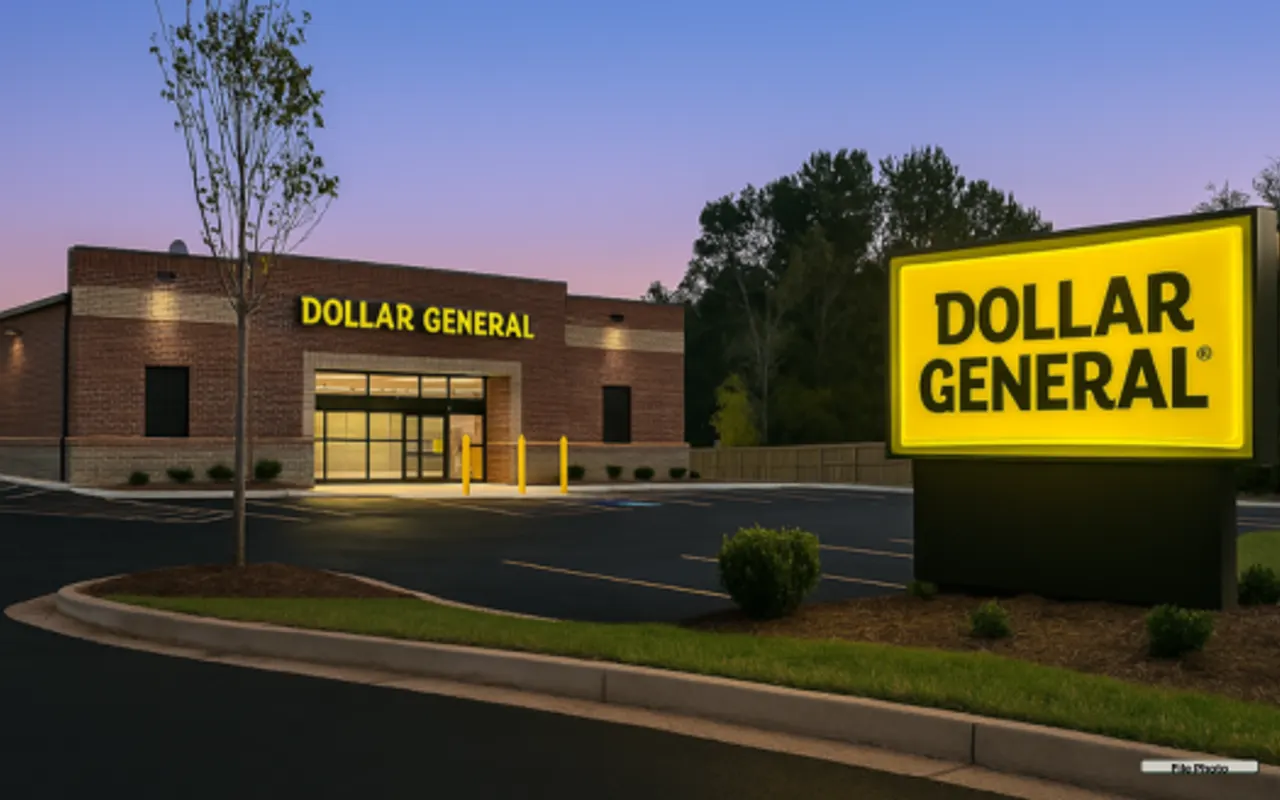
Ohio’s rural footprint (88 counties, 32% population rural) and affordable cost of living make it ideal for Dollar General (940+ stores, most Ohio locations), Dollar Tree (340+ stores), and Family Dollar (390+ stores) with recession-resistant essential retail and corporate-guaranteed leases serving price-conscious consumers.

Dollar store advantages:

  • Rural dominance: 53 rural counties = limited retail competition
  • Dollar General: 940+ Ohio stores (#1 by store count in state)
  • Corporate guarantees: Investment-grade credit (BBB)
  • Expansion: 40-60 new Ohio stores annually (continuous inventory)

Cap rates: 7.0-8.0% (higher yields than urban pharmacy/QSR)

Typical prices: $1M-$2M (corporate lease), $750K-$1.5M (franchise)

4. Auto Parts (AutoZone, O’Reilly, Advance Auto)

Ohio’s manufacturing economy, harsh winters (salt damage, extreme cold), older vehicle fleet (12.2 years average age), and DIY culture drive consistent auto parts demand with AutoZone (190+ Ohio stores), O’Reilly (200+ Ohio stores), and Advance Auto Parts (170+ Ohio stores) providing recession-resistant NNN opportunities.

Auto parts tenant strength:

  • Winter demand: Road salt, extreme cold = maintenance needs
  • Older fleet: 12.2 years average age (DIY repairs vs new car purchases)
  • Blue-collar DIY: Manufacturing workforce (skilled labor, cost-conscious)
  • Recession-resistant: 2008-2009 recession = DIY surge (defer new car purchases)

Cap rates: 6.0-7.0% (established locations)

Typical prices: $1.5M-$3M (single-tenant freestanding)

5. Convenience Stores (C-Stores)

Ohio’s logistics economy, I-70/I-75/I-71 truck traffic, and regional brands—Speedway (700+ Ohio stores, 7-Eleven acquisition), GetGo (WetGo, Giant Eagle subsidiary, 270+ stores), Circle K (270+ stores)—offer dual fuel/retail revenue and 24/7 demand from shift workers and interstate travelers.

C-store advantages:

  • Speedway dominance: 700+ Ohio stores (largest Ohio c-store brand)
  • 7-Eleven acquisition: Speedway rebranded to 7-Eleven (2021, $21B deal)
  • Logistics traffic: I-70 (East-West cross-country), I-75 (Great Lakes-Florida)
  • 24/7 demand: Amazon distribution, DHL hub workers (Wilmington)

Cap rates: 6.0-7.0% (regional brands), 5.5-6.5% (national brands like 7-Eleven)

Typical prices: $2M-$4M (c-store/fuel), $3M-$6M (travel center)

6. Healthcare (Dialysis, Urgent Care, Medical Office)

Ohio’s aging population (17.5% over 65, growing 2% annually) and healthcare dominance (Cleveland Clinic, OhioHealth) drive medical office, dialysis (Fresenius, DaVita), and urgent care (MedExpress, CareNow) NNN demand with long-term leases and essential-service stability across major metros.

Healthcare advantages:

  • Cleveland Clinic: #2 US hospital, 70K employees, healthcare destination
  • Aging population: 17.5% over 65 (vs 16.8% nationally), growing 2%/year
  • Medicare/Medicaid: Dialysis coverage, urgent care reimbursement
  • Suburban growth: New developments = new medical offices

Cap rates: 6.5-7.5% (dialysis, urgent care)

Typical prices: $2M-$5M (dialysis center), $1.5M-$3M (urgent care)


Key Ohio Markets for NNN Investment

1. Columbus Metro (Franklin, Delaware, Fairfield Counties)

Population: 2.1M (+11% 2010-2020, fastest Ohio growth)

Median household income: $66K

Key advantages:

  • State capital (50K+ government jobs)
  • Ohio State University (65K students, largest US campus)
  • Intel $20B chip plant (3,000 jobs, opening 2025)
  • Nationwide Insurance HQ (30K employees)
  • Fastest-growing Ohio metro

Top NNN opportunities:

  • Dublin/Upper Arlington: Wendy’s HQ proximity, affluent suburbs ($100K+ median income)
  • Easton/Polaris: Premium retail corridors (Chick-fil-A, Starbucks)
  • Campus area: Ohio State student demand (QSR, c-stores)
  • Outer belt: New Suburban development (pharmacies, dollar stores)

2. Cleveland Metro (Cuyahoga, Lake, Lorain Counties)

Population: 2.2M (+2% 2010-2020, stable)

Median household income: $60K

Key advantages:

  • Cleveland Clinic (70K employees, #2 US hospital)
  • KeyBank HQ (18K employees)
  • Lake Erie waterfront ($3B+ development)
  • Manufacturing legacy (GM Parma, NASA Glenn)
  • Healthcare destination (medical tourism)

Top NNN opportunities:

  • Beachwood/Solon: Affluent eastern suburbs (pharmacy, premium QSR)
  • Downtown Cleveland: Urban revitalization, Walgreens/CVS
  • I-90 corridor: C-stores, auto parts (Lake Erie traffic)
  • Strongsville/Parma: Blue-collar suburbs (dollar stores, QSR)

3. Cincinnati Metro (Hamilton, Butler, Warren Counties + Northern KY)

Population: 2.3M (+5% 2010-2020)

Median household income: $65K

Key advantages:

  • Procter & Gamble HQ (11K Cincinnati employees, 100K global)
  • Kroger HQ (2,800 stores, $150B revenue)
  • Fortune 500 concentration (5 headquarters)
  • Northern Kentucky suburbs (tax arbitrage)
  • Ohio River logistics

Top NNN opportunities:

  • Mason/West Chester: Affluent northern suburbs ($90K+ median income)
  • Downtown Cincinnati: Urban core revitalization (Over-the-Rhine)
  • Northern Kentucky border: Tax arbitrage (Kentucky suburbs, Ohio employment)
  • I-75 corridor: Logistics-driven c-stores, auto parts

4. Dayton Metro (Montgomery, Greene Counties)

Population: 810K (-1% 2010-2020, stable)

Median household income: $56K

Key advantages:

  • Wright-Patterson Air Force Base (30K+ military/civilian jobs)
  • Premier Health (10K employees, regional healthcare)
  • University of Dayton (11K students)
  • Logistics hub (I-70/I-75 crossroads)
  • Affordable cost of living (20% below national average)

Top NNN opportunities:

  • Beavercreek: Wright-Patt proximity (military housing, family-friendly)
  • Centerville/Kettering: Established suburbs (pharmacy, QSR)
  • I-70 corridor: Distribution-driven c-stores, truck stops
  • Downtown Dayton: Urban revitalization (Oregon District)

5. Toledo Metro (Lucas, Wood Counties)

Population: 640K (-3% 2010-2020, declining)

Median household income: $54K

Key advantages:

  • Lake Erie port (international shipping)
  • Jeep Wrangler plant (5,400 jobs, Toledo Assembly Complex)
  • University of Toledo (20K students, medical center)
  • I-75 corridor (Detroit-Cincinnati logistics)
  • ProMedica Health (15K employees)

Top NNN opportunities:

  • Perrysburg/Maumee: Southern suburbs (affluent, growing)
  • West Toledo: Blue-collar (auto parts, dollar stores)
  • I-75 corridor: Detroit-bound truck traffic (c-stores)
  • University area: Student-focused (QSR, c-stores)

How to Evaluate Ohio NNN Properties

1. Verify Tenant Credit Strength

Confirm financial stability through:

  • Credit ratings: S&P, Moody’s, Fitch (investment-grade preferred)
  • Financial statements: Public companies (10-K, 10-Q filings)
  • Store performance: Sales/sq ft, comparable store sales growth
  • Lease guarantee: Corporate vs franchise (corporate = stronger)

Investment-grade tenants: Walgreens (BBB), CVS (BBB), Dollar General (BBB), McDonald’s (BBB+), Wendy’s (BBB-)

2. Analyze Location Demographics

Ohio demographics vary significantly by market:

Major metros (Columbus, Cleveland, Cincinnati):

  • Population density: 1,000-3,000/sq mi
  • Median household income: $60K-$90K (neighborhood-dependent)
  • Traffic: 20,000-40,000 vehicles/day (arterials)
  • Competition: Higher (multiple comparable options)

Suburban growth markets (Dublin, Mason, Beachwood):

  • Population density: 800-1,500/sq mi
  • Median household income: $80K-$120K
  • Traffic: 15,000-30,000 vehicles/day
  • Demographics: Families, white-collar professionals

Rural markets (53 rural counties):

  • Population density: 50-150/sq mi
  • Median household income: $45K-$60K
  • Traffic: 5,000-15,000 vehicles/day
  • Competition: Limited (dollar stores, single pharmacy)

3. Review Lease Terms Carefully

Scrutinize:

  • Lease term remaining: 10+ years preferred (financing, stability)
  • Rent escalations: 1.5-2% annual increases (inflation hedge), 10-15% every 5 years
  • Renewal options: 2-4 renewal periods (40-60 year total potential)
  • Lease type: Absolute NNN (tenant pays ALL), ground lease (land only)
  • Corporate guarantee: Parent company backing (vs franchise)

Red flags:

  • Short remaining term (<5 years) = refinancing risk
  • No escalations = inflation erosion
  • Franchise guarantee only (corporate preferred)
  • Excessive landlord responsibilities (not true NNN)

4. Understand Ohio Market Risks

Ohio-specific considerations:

Population decline in legacy cities:

  • Cleveland (-6% 2010-2020), Toledo (-3%), Youngstown (-10%)
  • Mitigation: Focus on suburbs (growing) vs urban core (declining)
  • Exception: Columbus (+15% 2010-2020), Cincinnati (+5%)

Manufacturing dependence:

  • Auto industry concentration (GM, Honda, suppliers)
  • Economic cyclicality (recession impact on manufacturing)
  • Mitigation: Diversify across metros (Columbus education/government, Cincinnati consumer goods)

Harsh winters:

  • Road salt damage (accelerated building deterioration)
  • Snow removal costs (if landlord responsibility)
  • Mitigation: Absolute NNN leases (tenant pays maintenance), property condition reports

Property tax variation:

  • Effective rates: 0.90-1.90% depending on county
  • Cuyahoga County (Cleveland): 1.90% (highest)
  • Delaware County (Columbus suburbs): 1.20% (moderate)
  • Mitigation: Verify property taxes in underwriting (major expense variance)

5. Perform Property Due Diligence

Standard commercial real estate inspections:

  • Phase I Environmental Assessment: Required (all properties)
  • Property Condition Report (PCR): Roof, HVAC, parking lot (winter damage assessment)
  • Survey: Boundary verification, easements, encroachments
  • Title review: Liens, judgments, deed restrictions

Ohio-specific:

  • Winter damage history: Roof ice dams, foundation settling (freeze-thaw cycles)
  • Municipal tax verification: Some cities have local income tax (0.5-2.5%)
  • Zoning compliance: Verify current use permitted (Ohio zoning varies by municipality)

Ohio NNN Property Case Study

Walgreens — Dublin, Ohio (Columbus Suburb)

Purchase price: $4,200,000
Cap rate: 6.0%
Annual NOI: $252,000
Lease term: 15 years remaining
Tenant: Walgreens (NYSE: WBA, BBB credit)

Why this property works:

  1. Tax advantage vs high-tax states:
    • $252,000 NOI with 3.99% Ohio flat tax = $10,055 annual state tax
    • Saves $23,491/year vs California (13.3%)
    • Saves $17,413/year vs New York (10.9%)
    • Compounded savings: $350K+ over 15-year hold vs California
  2. Dublin location — Wendy’s HQ suburb:
    • Affluent Columbus suburb ($100K+ median household income)
    • Wendy’s corporate headquarters proximity (white-collar employment)
    • Intel $20B chip plant nearby (3,000 jobs, opening 2025)
    • Ohio State University 15 miles south (65K students, employees)
  3. Walgreens strength:
    • Corporate guarantee (BBB credit rating)
    • 123-year operating history (90-95% renewal rate)
    • 470+ Ohio locations (statewide footprint, market knowledge)
    • Essential healthcare retail (pharmacy prescriptions)
  4. Lease structure:
    • 15 years remaining (2039 expiration)
    • 1.5% annual rent increases (inflation hedge)
    • Two 5-year renewal options (25 years total potential)
    • Absolute NNN (tenant pays taxes, insurance, maintenance, winter snow removal)

Investor outcome:

  • $252,000 annual cash flow (3.99% state tax)
  • $350K+ tax savings vs California (15-year hold)
  • Property appreciation potential (Dublin growth, Intel arrival)
  • Total return: 8-9% IRR projected (cash flow + appreciation + tax savings)

Frequently Asked Questions (FAQs)

How does Ohio’s 3.99% income tax compare to other states?

Ohio’s 3.99% flat income tax (effective 2024) is highly competitive versus most states, significantly lower than high-tax markets (13.3% California, 10.9% New York, 5.75% Georgia) while acknowledging Ohio has higher tax burden than zero-tax states (Florida, Texas, Tennessee, Arizona).

Tax comparison:

  • Zero-tax states: 0% (FL, TX, TN, AZ) — lowest tax burden
  • Ohio: 3.99% — competitive Midwest rate
  • North Carolina: 4.75% — slightly higher
  • Georgia: 5.75% — materially higher
  • California: 13.3% — 3.3x higher than Ohio
  • New York: 10.9% — 2.7x higher than Ohio

Tax savings for $100K NOI:

  • Ohio: $3,990 annual tax
  • California: $13,300 annual tax = $9,310 more than Ohio
  • New York: $10,900 annual tax = $6,910 more than Ohio

Strategic positioning: Ohio is not a zero-tax destination, but offers material tax savings vs high-tax exit states (CA, NY, NJ) while providing affordable cost of living, corporate headquarters stability, and three major metro diversification.

Is Ohio’s population declining?

Statewide: Ohio population grew +2.3% 2010-2020 (11.8M), slower than national +7.4% but still growing. However, growth is concentrated in Columbus metro (+11%) while legacy industrial cities (Cleveland, Toledo, Youngstown) experienced declines.

Growth vs decline by market:

  • Growing: Columbus (+11%), Cincinnati (+5%), Dayton suburbs (stable)
  • Declining: Cleveland (-6%), Toledo (-3%), Youngstown (-10%)

Investment strategy:

  • Focus on Columbus: Fastest Ohio growth (Intel, Ohio State, state government)
  • Suburban Cleveland/Cincinnati: Affluent suburbs growing (Beachwood, Mason)
  • Avoid urban core legacy cities: Population loss = declining retail demand

Tenant resilience: National tenants (Walgreens, CVS, McDonald’s, Dollar General) maintain locations despite population challenges due to:

  • Market share consolidation (fewer competitors)
  • Aging population (healthcare demand)
  • Essential retail (pharmacies, groceries, QSR)

Conclusion: Ohio’s population growth is slow but positive—invest in growing markets (Columbus, suburban Cincinnati) while avoiding declining legacy cities.

Why invest in Ohio vs zero-tax states like Florida or Texas?

Ohio offers lower entry prices ($1M-$5M vs $2M-$8M FL/TX), higher cap rates (6-7.5% vs 5-6.5% FL/TX), and Fortune 500 corporate headquarters (21 headquarters, 7th nationally) providing employment stability, but Ohio has 3.99% income tax and slower population growth (+2.3% vs +15% FL, +16% TX).

Choose Ohio if:

  • You want higher cap rates (6-7.5% vs 5-6.5% zero-tax states)
  • You prefer lower entry prices (less competition, more affordable)
  • You value corporate headquarters (Fortune 500 employment stability)
  • You’re exiting high-tax state (CA, NY) and 3.99% is material improvement
  • You want geographic diversification (three major metros in one state)

Choose Florida/Texas if:

  • You want zero income tax (maximize tax savings)
  • You accept lower cap rates (5-6.5%) for tax advantage
  • You want maximum population growth (+15-16% 2010-2020)
  • You have larger capital ($2M-$8M properties)
  • You prioritize appreciation over current cash flow

Hybrid strategy: 60% Florida/Texas (zero tax, growth), 40% Ohio (higher yield, corporate stability) balances tax advantages with current cash flow and diversification.

What are the best Ohio markets for NNN investment?

#1: Columbus (best overall)

  • Fastest growth (+11% 2010-2020)
  • Intel $20B investment (3,000 jobs)
  • Ohio State University (65K students)
  • State capital (government employment)
  • Best appreciation potential

#2: Cincinnati suburbs (corporate stability)

  • Procter & Gamble HQ (11K employees)
  • Kroger HQ ($150B revenue)
  • Affluent suburbs (Mason, West Chester)
  • Stable Fortune 500 employment

#3: Cleveland suburbs (healthcare focus)

  • Cleveland Clinic (70K employees)
  • Beachwood/Solon (affluent eastern suburbs)
  • Healthcare destination (medical tourism)
  • Pharmacy demand (aging population)

Avoid:

  • Urban core Cleveland/Toledo (population decline)
  • Rust Belt cities (Youngstown, Akron) without growth drivers
  • Rural Appalachia (poverty, limited retail)

Focus on: Columbus (growth), Cincinnati/Cleveland suburbs (stability), avoid declining urban cores.

How do Ohio property taxes compare?

Ohio property taxes average 1.53% effective rate (vs 1.07% national average), making Ohio higher than most states but still affordable in absolute dollars due to low property values ($220K median home vs $420K nationally).

Property tax comparison:

  • Ohio: 1.53% effective rate ($15,300 on $1M property)
  • Texas: 1.60% effective rate ($16,000 on $1M property — higher!)
  • Florida: 0.83% effective rate ($8,300 on $1M property — lower)
  • Arizona: 0.51% effective rate ($5,100 on $1M property — lowest)

County variation (Ohio):

  • Cuyahoga County (Cleveland): 1.90% (highest)
  • Franklin County (Columbus): 1.45% (moderate)
  • Hamilton County (Cincinnati): 1.40% (moderate)
  • Delaware County (Columbus suburbs): 1.20% (lower)

Key consideration: Ohio property taxes are an absolute NNN expense (tenant pays), so higher rates reduce investor cash flow burden but may reduce property value (lower NOI = lower price). Verify taxes in underwriting.

Is Wendy’s being headquartered in Ohio a benefit?

Yes. Wendy’s headquarters in Dublin, Ohio (Columbus suburb) creates hometown loyalty, corporate support for Ohio locations, and institutional investor confidence in Ohio Wendy’s properties due to:

Corporate presence advantages:

  • 300+ Ohio locations (highest concentration)
  • Corporate employees frequent Ohio Wendy’s (brand loyalty)
  • Real estate decisions favor Ohio (market knowledge, local support)
  • Testing market: New menu items, formats tested in Ohio first

Investor benefit:

  • Higher confidence in Ohio Wendy’s performance (corporate oversight)
  • Institutional buyers view Ohio Wendy’s as “safe” (headquarters proximity)
  • Cap rates 0.25-0.50% lower (higher prices) due to perceived safety

Similar precedents:

  • AutoZone (Memphis HQ): Memphis AutoZone properties command premium
  • Starbucks (Seattle HQ): Pacific Northwest Starbucks premium pricing
  • Chick-fil-A (Atlanta HQ): Georgia Chick-fil-A high investor demand

Conclusion: Wendy’s Ohio headquarters creates material investment advantage for Ohio Wendy’s NNN properties—higher institutional demand, corporate support, and market stability.

Can I use a 1031 exchange to buy Ohio NNN properties?

Yes. Ohio’s 3.99% flat income tax makes it an attractive 1031 exchange destination for investors selling high-tax-state properties (California, New York, New Jersey) who want material tax reduction while maintaining real estate exposure and deferring capital gains.

1031 exchange advantages:

  • Defer federal capital gains (15-20% + 3.8% NIIT)
  • Reduce state income tax: 3.99% Ohio vs 13.3% CA (9.31% savings)
  • Maintain wealth in real estate (no liquidity event)
  • Estate planning: Step-up in basis at death (heirs inherit tax-free)

Example: California seller with $800K gain on multifamily:

  • Taxable sale: $120K federal capital gains + $106.4K California state tax = $226.4K tax
  • 1031 to Ohio: Defer all taxes, future cash flow 3.99% Ohio tax (vs 13.3% CA)
  • Annual savings: $9,310/year on $100K NOI (9.31% tax difference)
  • Lifetime benefit: $226.4K deferred + $139.7K over 15 years = $366K total

Requirements: 45-day identification, 180-day close, like-kind property (commercial NNN qualifies)

What cap rates should I expect for Ohio NNN properties?

Ohio cap rates range 5.5-8.0% depending on tenant credit, location, and lease term—generally 0.5-1.0% higher than Florida/Texas (zero-tax premium) but competitive with Southeast taxed states (Georgia, North Carolina):

Tenant TypeColumbusCleveland/CincinnatiRural Ohio
Premium QSR (Chick-fil-A, Wendy’s)5.5-6.0%6.0-6.5%6.5-7.0%
Pharmacy (Walgreens, CVS)5.5-6.5%6.0-6.5%6.5-7.0%
Standard QSR (McDonald’s, Burger King)6.0-6.5%6.0-7.0%6.5-7.5%
Dollar Stores (Dollar General, Dollar Tree)7.0-7.5%7.0-8.0%7.5-8.0%
Auto Parts (AutoZone, O’Reilly)6.0-6.5%6.5-7.0%7.0-7.5%
C-Stores (Speedway/7-Eleven)6.0-7.0%6.5-7.5%7.0-8.0%

Ohio cap rate positioning:

  • Higher than: Florida (5.0-6.5%), Texas (5.5-6.5%), zero-tax states
  • Similar to: Georgia (5.5-7.5%), North Carolina (5.5-7.0%), taxed Southeast
  • Lower than: Rust Belt decline markets (8-9%+)

Investment thesis: Ohio’s higher cap rates (vs zero-tax states) reflect 3.99% income tax and slower growth, but provide better current cash flow for income-focused investors willing to accept modest tax burden.


Ready to Invest in Ohio NNN Properties?

American Net Lease specializes in Ohio triple net lease investments across Columbus’s fastest-growing metro, Cincinnati’s Fortune 500 corporate headquarters, Cleveland’s healthcare dominance, and affordable Midwest markets statewide. Our low 3.99% flat income tax, three major metro diversification, and corporate employment stability create exceptional conditions for passive income investors seeking yield + tax savings.

Browse our current inventory of Ohio NNN properties or call 239.236.2626 to discuss exclusive opportunities.

View Ohio NNN Properties for Sale | Download Our Ohio Market Report | Schedule a Consultation

Invest in the Midwest. Three major metros. Fortune 500 stability. Build generational wealth with affordable Ohio NNN properties.