
📞 (239) 236-2626|📧 info@buynnnproperties.com

Michigan NNN Properties For Sale

Access Quality Triple Net Lease Investments

Get TODAY's Available NNN Properties

Fill out this form and receive your customised list now!


Below are Michigan NNN Properties for Sale

Michigan NNN Properties for Sale: Detroit Automotive Capital + Great Lakes Lifestyle

Michigan NNN properties offer passive income investors the powerful combination of 4.25% flat income tax (lowest graduated-tax Midwest state), Detroit metro (4.3M population, automotive capital with Ford/GM/Stellantis headquarters), Great Lakes access (3,200+ miles Michigan shoreline, longest freshwater coastline globally), manufacturing resurgence (EV battery plants, semiconductor fabs, $20B+ investments 2020-2025), and dual lifestyle markets (Detroit urban revival + northern Michigan resort communities) creating exceptional conditions for long-term triple net lease cash flow in America’s comeback story with Fortune 500 automotive anchors.

American Net Lease specializes in Michigan NNN investments across Detroit metro, Grand Rapids, Lansing, and Great Lakes resort corridors. Browse current listings or call 239.236.2626 to discuss exclusive Michigan opportunities.

Why Invest in Michigan NNN Properties?

Michigan combines lowest Midwest graduated-tax with Detroit automotive headquarters (Ford, GM, Stellantis combined 150K+ Michigan employees), Great Lakes tourism ($25B+ annual economic impact), manufacturing renaissance ($20B+ EV/semiconductor investments), three Fortune 500 headquarters (GM #25, Ford #21, Dow #146), and urban-to-resort diversity creating stable tenant performance and comeback narrative attracting institutional capital to nation’s automotive and freshwater heartland.

1. 4.25% Flat Income Tax — Lowest Graduated-Tax Midwest State

Michigan levies a 4.25% flat income tax (uniform rate on all income levels, 2024 rate), providing investors with lowest graduated-tax Midwest positioning (lower than Illinois 4.95%, Indiana 3.15% is fully flat), significantly lower than high-tax states (New York 10.9%, New Jersey 10.75%, California 13.3%), and competitive with moderate-tax states making Michigan attractive for automotive industry exposure and Great Lakes lifestyle with reasonable tax burden.

Tax advantages:

  • 4.25% flat rate on rental income (vs 0% FL/TX, 4.95% IL, 10.9% NY)
  • $100,000 annual NOI = $4,250 MI tax (vs $0 FL/TX, $10,900 NY)
  • Tax savings: $6,650/year vs New York
  • Tax savings: $9,050/year vs California
  • No local income tax (statewide rate only)
  • Property taxes: 1.48% effective rate (24th nationally, moderate)

Tax comparison:

  • Florida/Texas: 0% (zero-tax states)
  • Tennessee: 0% (zero-tax, Southeast peer)
  • Ohio: 3.99% (graduated, lower than MI)
  • Indiana: 3.15% (flat, lower than MI)
  • Michigan: 4.25% (flat, competitive Midwest)
  • Illinois: 4.95% (flat, higher than MI)
  • Pennsylvania: 3.07% (flat, lower than MI)
  • New York: 10.9% (157% higher than MI)
  • California: 13.3% (213% higher than MI)

Example: A Michigan Walgreens generating $200,000 NOI incurs $8,500 state income tax annually—saving $13,300/year vs New York or $18,100/year vs California, compounding to $200K-$272K savings over 15-year hold while accessing automotive industry economic engine and Great Lakes quality of life.

Competitive positioning: Michigan’s 4.25% flat tax positions between zero-tax states (FL/TX 0%) and moderate-tax states (IL 4.95%, NC 4.75%), offering reasonable tax burden for Detroit metro exposure and manufacturing comeback story.

2. Detroit Metro — Automotive Capital, 4.3M Population

Detroit metro (4.3M population, #14 US metro, automotive capital) hosts Ford headquarters (Dearborn, #21 Fortune 500, $176B revenue, 57K Michigan employees), General Motors headquarters (Detroit, #25 Fortune 500, $171B revenue, 50K Michigan employees), Stellantis North America headquarters (formerly Chrysler, Auburn Hills, 43K Michigan employees) creating 150,000+ direct automotive jobs plus supplier ecosystem (Bosch, Denso, Magna) supporting QSR, pharmacy, c-store, and essential retail demand across metro’s manufacturing workforce with Fortune 500 stability.

Detroit metro advantages:

  • 4.3M population: #14 US metro (larger than Phoenix 5.0M, similar to Miami 6.2M)
  • Ford HQ: Dearborn (#21 Fortune 500, $176B revenue, F-150 trucks)
  • GM HQ: Renaissance Center Detroit (#25 Fortune 500, $171B revenue)
  • Stellantis HQ: Auburn Hills (formerly Chrysler, RAM trucks, Jeep)
  • 150,000+ automotive jobs: Big Three direct employment (excludes suppliers)

Detroit submarkets:

  • Downtown Detroit: Renaissance Center, Comerica Park, urban revival (Dan Gilbert investments)
  • Midtown: Wayne State University (27K students), medical district
  • Dearborn: Ford World Headquarters (Glass House campus, 30K employees)
  • Troy/Auburn Hills: Oakland County (corporate offices, engineering centers)
  • Ann Arbor: University of Michigan (48K students, 24K employees, Google/Amazon offices)

Automotive supplier ecosystem:

  • Tier 1 suppliers: Bosch, Denso, Magna, Continental (engineering, parts manufacturing)
  • Combined employment: 300K+ Michigan automotive supplier jobs (beyond Big Three)
  • Engineering concentration: 100K+ automotive engineers (design, testing, development)
  • Recession context: Auto industry cyclical but 2024-2025 = strong (record profits, EV investment)

Downtown Detroit revival:

  • Dan Gilbert investments: $5B+ downtown Detroit real estate (Quicken Loans HQ, residential)
  • Population growth: Downtown/Midtown +25% 2010-2020 (young professionals returning)
  • Little Caesars Arena: $850M venue (Red Wings, Pistons, concerts)
  • Retail resurgence: Whole Foods, Nike, urban QSR (gentrification supporting premium retail)

Investment thesis: Detroit’s automotive headquarters concentration ensures permanent manufacturing employment—Ford/GM/Stellantis aren’t relocating from 100-year Michigan roots, supporting long-term NNN tenant demand.

3. Great Lakes Access — 3,200+ Miles Shoreline, Longest Globally

Michigan possesses 3,200+ miles of Great Lakes shoreline (more than any other state, longest freshwater coastline globally) with borders on four of five Great Lakes (Superior, Michigan, Huron, Erie) creating $25B+ annual tourism economic impact, summer resort communities (Traverse City, Mackinac Island, Petoskey), year-round waterfront lifestyle, and northern Michigan second-home market supporting seasonal QSR, c-store, and vacation retail NNN demand.

Great Lakes metrics:

  • 3,200+ miles shoreline: Longest freshwater coastline globally (more than California 840 mi)
  • Four Great Lakes: Superior, Michigan, Huron, Erie (only MN touches more water)
  • $25B+ annual tourism: Summer visitors, year-round outdoor recreation
  • 84+ lighthouses: Historic maritime heritage (tourism, photography)

Northern Michigan resort markets:

  • Traverse City: Cherry Capital (300K+ annual visitors, wineries, beaches)
  • Mackinac Island: Car-free resort island (1M+ annual visitors, Grand Hotel)
  • Petoskey: Upscale resort town (Little Traverse Bay, skiing, golf)
  • Charlevoix: “Charlevoix the Beautiful” (summer estates, marinas)
  • Sleeping Bear Dunes: National Lakeshore (1.5M+ annual visitors)

Second-home market:

  • Affluent buyers: Chicago, Detroit, Ohio residents (second homes, retirement)
  • Waterfront premium: Lakefront properties $500K-$5M+ (high-net-worth)
  • Year-round: Summer tourism + winter skiing (Boyne Mountain, Crystal Mountain)
  • Retail demand: Upscale QSR, grocery, pharmacy (second-home population)

Seasonal vs year-round:

  • Peak season: June-September (beaches, boating, golf)
  • Shoulder season: October-November (fall colors, hunting)
  • Winter: December-March (skiing, snowmobiling)
  • Year-round growth: Retirees, remote workers (Great Lakes lifestyle permanent)

Investment thesis: Great Lakes provide permanent tourism demand—Michigan’s freshwater coastline attracts 100M+ annual visitors creating seasonal retail peaks with growing year-round residential base.

4. Manufacturing Renaissance — $20B+ EV/Semiconductor Investments

Michigan manufacturing resurgence includes $20B+ committed investments 2020-2025 in electric vehicle battery plants (GM $7B Ultium battery factories, Ford $3.5B Marshall battery plant), semiconductor fabs (GlobalFoundries potential, CHIPS Act incentives), and advanced manufacturing creating 20,000+ new jobs supporting dollar store, auto parts, and value QSR demand across manufacturing corridors with 21st-century technology upgrade.

EV battery investments:

  • GM Ultium Cells: $7B+ (three Michigan battery plants, 4,000+ jobs)
  • Ford BlueOval Battery: $3.5B Marshall plant (2,500+ jobs, opening 2026)
  • Stellantis/Samsung: $3.3B battery joint venture (potential Michigan site)
  • Our Next Energy (ONE): $1.6B Ypsilanti battery plant (2,000+ jobs)

Semiconductor/advanced manufacturing:

  • Hemlock Semiconductor: $4B expansion (polysilicon, semiconductor wafers)
  • CHIPS Act incentives: Federal funding attracting fab investments
  • Taiwan Semiconductor: Evaluating Michigan sites (potential $12B+ fab)
  • Advanced manufacturing: Robotics, AI-driven factories, automation

Geographic concentration:

  • Marshall: Ford BlueOval Battery plant (2,500 jobs, Battle Creek area)
  • Lansing: GM Ultium battery (Delta Township, 1,700+ jobs)
  • Ypsilanti: ONE battery plant (2,000 jobs, Ann Arbor proximity)
  • Saginaw: Hemlock Semiconductor expansion (Silicon Valley materials)

Job creation impact:

  • 20,000+ new jobs: Direct manufacturing (battery, semiconductor, advanced)
  • 40,000+ indirect jobs: Construction, logistics, support services
  • White-collar mix: Engineers, technicians, skilled trades (higher wages than legacy auto)
  • Retail demand: Dollar stores, QSR, auto parts, pharmacy (manufacturing workforce)

Investment thesis: $20B+ manufacturing investments create permanent job base—EV transition = decades of battery production, semiconductor demand = sustained advanced manufacturing.

5. Three Fortune 500 Headquarters — GM, Ford, Dow

Michigan hosts three Fortune 500 headquarters: General Motors (Detroit, #25, $171B revenue), Ford (Dearborn, #21, $176B revenue), and Dow Chemical (Midland, #146, $45B revenue) creating white-collar employment concentration, supplier ecosystems, and institutional investor confidence in Michigan’s corporate stability supporting long-term NNN tenant demand.

Fortune 500 Michigan HQ:

  • GM (#25): Detroit Renaissance Center ($171B revenue, 50K Michigan employees)
  • Ford (#21): Dearborn Glass House ($176B revenue, 57K Michigan employees)
  • Dow (#146): Midland HQ ($45B revenue, 5K Michigan employees, materials science)

Automotive headquarters stability:

  • 100+ year history: Ford founded Dearborn 1903, GM founded Detroit 1908
  • Permanent roots: Headquarters won’t relocate (century-long Michigan identity)
  • Employment concentration: 107K+ direct Big Three Michigan jobs (excludes suppliers)
  • Recession-resistant: 2008-2009 bankruptcy restructured, 2024 = profitable

Supplier Fortune 500:

  • Lear Corporation: Southfield HQ (automotive seating, $20B revenue)
  • BorgWarner: Auburn Hills HQ (powertrain, $15B revenue)
  • Adient: Plymouth (automotive seating, spun from Johnson Controls)

Investment thesis: Three Fortune 500 HQ provide corporate stability—GM/Ford/Dow aren’t leaving Michigan after 100+ years, ensuring permanent employment base supporting retail NNN demand.

6. Grand Rapids — Second-Largest Metro, Office Furniture Capital

Grand Rapids metro (1.1M population, second-largest Michigan, 90 miles west of Detroit) anchors on office furniture manufacturing (Steelcase, Herman Miller, Haworth), medical device industry (Stryker), craft beer capital (Founders Brewing, Bell’s Brewery), and Dutch heritage creating diversified economy supporting premium QSR, pharmacy, and retail NNN demand beyond Detroit automotive concentration.

Grand Rapids advantages:

  • 1.1M population: Second-largest Michigan (after Detroit 4.3M)
  • Steelcase: Grand Rapids HQ (office furniture, $2.8B revenue)
  • Herman Miller: Nearby Zeeland HQ (office furniture, $2.8B revenue)
  • Stryker: Kalamazoo HQ (#8 medical device globally, $18B revenue)
  • Craft beer capital: 80+ breweries (Founders, Bell’s, New Holland)

Office furniture cluster:

  • Steelcase, Herman Miller, Haworth: Combined $7B+ revenue
  • “Furniture City” legacy: 100+ year office furniture manufacturing history
  • Design/engineering: 5,000+ furniture designers, engineers (white-collar)
  • Commercial real estate link: Office furniture demand = construction indicator

Medical device strength:

  • Stryker Kalamazoo: 18,000+ Michigan employees (orthopedic implants, surgical equipment)
  • 50 miles from Grand Rapids: Southwest Michigan medical device cluster
  • High-wage jobs: Medical device engineers $80K-$150K (affluent demographics)

Economic diversification:

  • Manufacturing: Office furniture, medical devices, automotive suppliers
  • Healthcare: Spectrum Health 32,000 employees (largest West Michigan employer)
  • Education: Grand Valley State University 25K students, Calvin University 3,500
  • Cultural amenities: ArtPrize (world’s largest art competition), museums, dining

Investment thesis: Grand Rapids provides diversification beyond Detroit automotive—office furniture, medical devices, craft beer = multiple economic engines supporting NNN tenant demand.

7. Lansing — State Capital, 260K+ Government Jobs Statewide

Lansing (metro 550K population, state capital) provides government employment anchor (30,000+ state government jobs, 50,000+ broader public sector), Michigan State University (East Lansing, 50K students, 13K employees, #1 US supply chain management program), and GM Lansing plants (three assembly plants, 7,000+ workers) creating triple-anchor stability (government + education + manufacturing) supporting recession-resistant retail NNN demand.

Lansing advantages:

  • State capital: 30,000+ state government employees (Legislature, agencies)
  • Michigan State University: 50,000 students, 13,000 employees (land-grant university)
  • GM Lansing plants: 7,000+ workers (three assembly plants: Grand River, Delta, Orion)
  • Government stability: Recession-resistant public sector employment

Michigan State University impact:

  • 50,000 students: Second-largest Michigan university (after U-M 48K)
  • #1 supply chain management: Top-ranked logistics/supply chain program (automotive relevance)
  • Research university: $700M+ annual research (agriculture, engineering, medicine)
  • Student retail: QSR, pizza, c-stores (East Lansing college-town density)

Triple-anchor stability:

  • Government: 30,000+ state employees (recession-proof, pension-backed)
  • Education: 50,000 students + 13,000 employees (permanent institutional anchor)
  • Manufacturing: 7,000+ GM workers (automotive, union wages)

Investment thesis: Lansing’s triple-anchor economy (government + education + manufacturing) provides diversification—if auto struggles, government/university sustain retail demand.


Types of Michigan NNN Properties

Michigan’s automotive dominance and Great Lakes lifestyle support multiple NNN property categories across Detroit manufacturing, Grand Rapids diversification, Lansing government stability, and northern resort corridors.

1. Quick-Service Restaurants (QSR)

Michigan’s manufacturing workforce (300K+ automotive jobs), college students (98K+ U-M/MSU combined), and northern Michigan tourism (100M+ annual visitors) drive strong QSR performance with high-volume drive-through locations serving shift workers, students, and vacation travelers across metro automotive markets and resort corridors.

Top Michigan QSR tenants:

  • McDonald’s: 450+ Michigan locations (every major market + I-75/US-131 corridors)
  • Taco Bell: 280+ Michigan locations (college students, manufacturing shift workers)
  • Wendy’s: 320+ Michigan locations (Ohio HQ proximity, Great Lakes regional)
  • Arby’s: 140+ Michigan locations (Michigan-founded Atlanta 1964, roast beef)
  • Tim Hortons: Ontario Canada proximity (180+ Michigan locations, coffee/donuts cultural)

Tim Hortons Michigan advantage: Canadian-founded (Hamilton, Ontario 1964), Tim Hortons has 180+ Michigan locations with highest US concentration due to Ontario border proximity (Detroit-Windsor, Port Huron-Sarnia)—Michiganders cross-border shop Canada creating cultural Tim Hortons loyalty unique in US market similar to In-N-Out (California), Whataburger (Texas).

Cap rates: 6.0-6.5% (premium brands Detroit suburbs), 6.5-7.0% (manufacturing/northern)

Typical prices: $2M-$5M (single-tenant), $5M-$10M (ground lease Detroit suburbs)

2. Pharmacy (Walgreens, CVS)

Michigan’s aging population (17.7% over 65, above national 16.8%) and northern Michigan retiree communities drive prescription demand with Walgreens (580+ Michigan stores) and CVS (470+ Michigan stores) providing long-term leases and essential healthcare stability across Detroit metro, Grand Rapids, and Great Lakes resort markets.

Pharmacy tenant strength:

  • Walgreens: 580+ Michigan stores (statewide coverage, urban + suburban)
  • CVS: 470+ Michigan stores (strong Detroit/Grand Rapids presence)
  • Long-term leases: 15-25 years remaining typical
  • Retiree communities: Northern Michigan second-home residents (prescription-heavy)

Cap rates: 5.5-6.5% (stable, institutional-quality)

Typical prices: $3M-$7M (freestanding), $5M-$9M (premium Detroit suburbs)

3. Convenience Stores (Speedway, Marathon)

Michigan’s I-75/I-94/US-131 corridors, Speedway (400+ Michigan stores, Marathon Petroleum ownership), and northern Michigan tourism traffic offer dual fuel/retail revenue with brand recognition creating institutional-quality NNN investments along manufacturing commute routes and vacation travel corridors.

Michigan c-store brands:

  • Speedway: 400+ Michigan stores (Marathon Petroleum, largest Michigan presence)
  • Marathon: 300+ Michigan stores (corporate-owned, Ohio HQ proximity)
  • Admiral: 200+ Michigan stores (regional, West Michigan concentration)
  • Circle K: 150+ Michigan stores (Couche-Tard ownership, corporate-backed)

Cap rates: 5.5-6.5% (Speedway/Marathon corporate), 6.5-7.5% (regional brands)

Typical prices: $3M-$6M (Speedway/Marathon corporate), $2M-$4M (regional)

4. Dollar Stores

Michigan’s rural Upper Peninsula, northern Michigan small towns, and Detroit lower-income neighborhoods make it ideal for Dollar General (650+ stores, largest Michigan footprint), Dollar Tree (420+ stores), and Family Dollar (380+ stores) with recession-resistant essential retail serving diverse demographics from rural mining communities to urban Detroit.

Dollar store advantages:

  • Dollar General: 650+ Michigan stores (largest footprint, UP/northern penetration)
  • Rural Upper Peninsula: Essential retail dominance (limited competition, mining towns)
  • Northern Michigan: Small-town markets (Gaylord, Alpena, Escanaba)
  • Urban Detroit: Lower-income neighborhoods (food deserts, essential retail)

Cap rates: 7.0-8.0% (higher yields than urban pharmacy/QSR)

Typical prices: $1M-$2M (corporate lease), $750K-$1.5M (franchise)

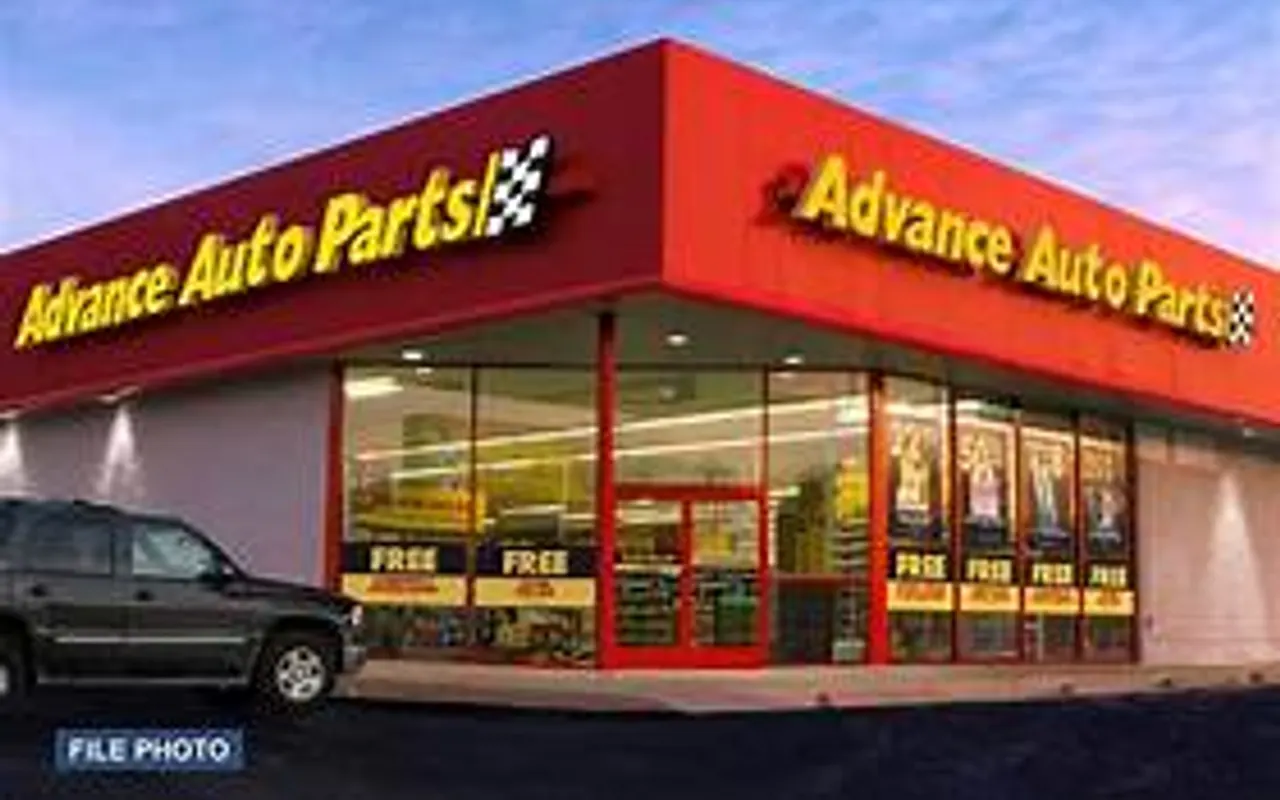
5. Auto Parts (AutoZone, O’Reilly, Advance Auto)

Michigan’s harsh winters (road salt, sub-zero temps), automotive DIY culture (300K+ auto workers with mechanical skills), older vehicle fleet (13.1 years average age), and manufacturing workforce drive consistent auto parts demand with Advance Auto Parts (250+ MI stores), AutoZone (240+ MI stores), and O’Reilly (180+ MI stores) providing recession-resistant NNN opportunities.

Auto parts tenant strength:

  • Advance Auto Parts: 250+ Michigan stores (East Coast regional, Michigan expansion)
  • Automotive DIY culture: 300K+ auto workers (skilled, tool-owning, cost-conscious)
  • Winter damage: Road salt corrosion, harsh Michigan winters (below-zero temps)
  • Recession-resistant: 2008-2009 auto bankruptcy = parts stores thrived (defer new purchases)

Cap rates: 6.0-7.0% (established locations)

Typical prices: $1.5M-$3M (single-tenant freestanding)

6. Healthcare (Dialysis, Urgent Care, Medical Office)

Michigan’s aging population (17.7% over 65, growing 2.5% annually) and major healthcare systems (Henry Ford Health 33K employees, Beaumont Health 38K, Spectrum Health 32K) drive medical office, dialysis (Fresenius, DaVita), and urgent care (Henry Ford, Beaumont) NNN demand with long-term leases across Detroit metro, Grand Rapids, and statewide markets.

Healthcare advantages:

  • Henry Ford Health: 33,000 employees (Detroit-based, 5 hospitals)
  • Beaumont Health: 38,000 employees (Royal Oak, merged with Spectrum 2022)
  • Spectrum Health: 32,000 employees (Grand Rapids, West Michigan dominance)
  • Aging suburbs: Oakland County Baby Boomers (Medicare, dialysis)

Cap rates: 6.5-7.5% (dialysis, urgent care)

Typical prices: $2M-$5M (dialysis center), $1.5M-$3M (urgent care)


Key Michigan Markets for NNN Investment

1. Detroit Metro (Wayne, Oakland, Macomb Counties)

Population: 4.3M (+1% 2010-2020, stabilizing)

Median household income: $62K (metro), $85K (Oakland County suburbs)

Key advantages:

  • Automotive capital (Ford, GM, Stellantis HQ, 150K+ direct jobs)
  • Downtown revival (Dan Gilbert $5B+, young professional influx)
  • Oakland County wealth (Troy, Birmingham, Bloomfield Hills affluent)
  • University of Michigan Ann Arbor (48K students, Google/Amazon offices)
  • Metro Detroit airport (Delta hub, international business travel)

Top NNN opportunities:

  • Oakland County: Troy, Rochester Hills, Novi ($85K median, corporate offices)
  • Downtown Detroit: Urban revival zone (Midtown, Corktown gentrification)
  • Dearborn: Ford World HQ proximity (30,000+ employees, Middle Eastern restaurants)
  • Ann Arbor: University of Michigan (upscale college town, tech offices)

2. Grand Rapids Metro (Kent, Ottawa, Muskegon Counties)

Population: 1.1M (+8% 2010-2020, fastest Michigan growth)

Median household income: $67K

Key advantages:

  • Second-largest Michigan metro (after Detroit 4.3M)
  • Office furniture capital (Steelcase, Herman Miller, Haworth)
  • Medical device strength (Stryker Kalamazoo proximity)
  • Craft beer capital (80+ breweries, Founders/Bell’s)
  • West Michigan growth corridor (Lake Michigan beaches 30 minutes)

Top NNN opportunities:

  • East Grand Rapids: Affluent suburb ($120K median, upscale retail)
  • Kentwood: 28th Street retail corridor (regional shopping, QSR density)
  • Holland: Lake Michigan resort town (Dutch heritage, tourism)
  • Downtown Grand Rapids: Urban revival (brewery district, millennials)

3. Lansing Metro (Ingham, Eaton, Clinton Counties)

Population: 550K (+2% 2010-2020, stable)

Median household income: $58K

Key advantages:

  • State capital (30,000+ government employees, recession-resistant)
  • Michigan State University (50,000 students, 13,000 employees)
  • GM Lansing plants (7,000+ workers, three assembly facilities)
  • Triple-anchor stability (government + education + manufacturing)
  • Central Michigan location (I-96 Detroit-Grand Rapids corridor)

Top NNN opportunities:

  • East Lansing: MSU campus (student QSR, pizza, c-stores)
  • Okemos: Affluent suburb (state employees, professionals)
  • Delta Township: GM Lansing Delta plant (manufacturing retail)
  • Downtown Lansing: State Capitol area (government worker lunch/retail)

4. Northern Michigan (Traverse City, Petoskey, Mackinac)

Population: 500K combined northern counties (seasonal +100M visitors)

Median household income: $60K (year-round), $150K+ (second-home owners)

Key advantages:

  • Great Lakes tourism ($10B+ annual northern Michigan economic impact)
  • Second-home market (Chicago, Detroit, Ohio affluent buyers)
  • Traverse City wine country (40+ wineries, Sleeping Bear Dunes)
  • Mackinac Island car-free resort (1M+ annual visitors, Grand Hotel)
  • Year-round: Summer tourism + winter skiing (Boyne, Crystal Mountain)

Top NNN opportunities:

  • Traverse City: Northern Michigan hub (airport, 15K population, 300K+ annual visitors)
  • Petoskey: Upscale resort ($80K median, Little Traverse Bay, Ernest Hemingway history)
  • Charlevoix: Summer estates (marinas, waterfront, affluent retirees)
  • Mackinac Island: Fudge shops, dining, lodging (car-free, horse-drawn carriages)

5. Ann Arbor Metro (Washtenaw County)

Population: 375K (+6% 2010-2020)

Median household income: $74K

Key advantages:

  • University of Michigan (48,000 students, 24,000 employees, top-5 public university)
  • Google Ann Arbor (2,000+ employees, AdWords engineering)
  • Amazon Ann Arbor (1,000+ employees, AWS engineering)
  • Hospital systems (Michigan Medicine 30,000+ employees)
  • High-tech corridor (automotive software, autonomous vehicles)

Top NNN opportunities:

  • Ann Arbor city: Downtown State Street (student retail, upscale dining)
  • Pittsfield Township: Suburban corridor (I-94, retail centers)
  • Ypsilanti: Eastern Washtenaw (Eastern Michigan University 16K students, MORE affordable)
  • Saline: Southern affluent suburb (families, professionals)

How to Evaluate Michigan NNN Properties

1. Verify Tenant Credit Strength

Confirm financial stability through:

  • Credit ratings: S&P, Moody’s, Fitch (investment-grade preferred)
  • Financial statements: Public companies (10-K, 10-Q filings)
  • Store performance: Sales/sq ft, comparable store sales growth
  • Lease guarantee: Corporate vs franchise (corporate = stronger)

Investment-grade tenants: Walgreens (BBB), CVS (BBB), Dollar General (BBB), McDonald’s (BBB+), Chickfil-A (unrated but AAA-equivalent sales)

2. Analyze Location Demographics

Michigan demographics vary dramatically by market:

Detroit affluent suburbs (Oakland County):

  • Population density: 1,500-3,500/sq mi (suburban)
  • Median household income: $80K-$120K (white-collar, automotive executives)
  • Traffic: 30,000-50,000 vehicles/day (Telegraph, Woodward corridors)
  • Competition: High (multiple premium options)

Grand Rapids metro:

  • Population density: 800-1,500/sq mi
  • Median household income: $60K-$85K (office furniture, medical devices)
  • Traffic: 20,000-40,000 vehicles/day
  • Demographics: White-collar manufacturing, healthcare professionals

Northern Michigan resort corridors:

  • Population density: 40-200/sq mi (year-round), spikes June-September
  • Median household income: $50K-$70K (year-round), $150K+ (second-home)
  • Traffic: Seasonal (summer peak 2-3x winter baseline)
  • Demographics: Retirees, tourism workers, affluent second-home owners

Rural Michigan/Upper Peninsula:

  • Population density: 20-60/sq mi
  • Median household income: $45K-$60K
  • Traffic: 5,000-15,000 vehicles/day
  • Competition: Limited (dollar stores dominate, mining towns)

3. Review Lease Terms Carefully

Scrutinize:

  • Lease term remaining: 10+ years preferred (financing, stability)
  • Rent escalations: 1.5-2% annual increases (inflation hedge), 10-15% every 5 years
  • Renewal options: 2-4 renewal periods (40-60 year total potential)
  • Lease type: Absolute NNN (tenant pays ALL), ground lease (land only)
  • Corporate guarantee: Parent company backing (vs franchise)

Red flags:

  • Short remaining term (<5 years) = refinancing risk
  • No escalations = inflation erosion
  • Franchise guarantee only (corporate preferred)
  • Excessive landlord responsibilities (not true NNN)

4. Understand Michigan Market Risks

Michigan-specific considerations:

Automotive industry cyclicality:

  • Auto sales fluctuate with economy (2008-2009 bankruptcy, 2024 = strong)
  • Current state: Record profits 2021-2024, EV transition investments
  • Mitigation: 2024 auto industry healthiest since 2000s, restructured post-bankruptcy

Detroit population decline:

  • City proper lost -29% population 2000-2020 (not metro, just city)
  • Suburbs growing: Oakland/Macomb Counties stable, downtown revival underway
  • Mitigation: Focus on Oakland County suburbs, downtown revival zones

Winter weather:

  • Harsh winters (sub-zero temps, heavy snow, lake-effect)
  • Property maintenance (snow removal, road salt damage)
  • Mitigation: True NNN leases = tenant responsibility for snow/maintenance

Property taxes (1.48% effective, moderate):

  • Lower than Illinois (2.08%), higher than Indiana (0.81%)
  • Mitigation: Factor into underwriting, tenant pays under NNN

Seasonal northern Michigan:

  • Tourism peaks June-September (winter drop 50-70%)
  • Mitigation: Year-round residents growing (remote work, retirees), winter skiing

5. Perform Property Due Diligence

Standard commercial real estate inspections:

  • Phase I Environmental Assessment: Required (all properties, Michigan industrial legacy)
  • Property Condition Report (PCR): Roof, HVAC, parking lot (winter damage)
  • Survey: Boundary verification, easements, encroachments
  • Title review: Liens, judgments, deed restrictions

Michigan-specific:

  • Brownfields: Former industrial sites common (Detroit, Flint, automotive legacy)
  • Great Lakes flood zones: Waterfront properties (verify elevation, flood insurance)
  • Winter roof condition: Verify structural integrity (snow load, ice dams)
  • Road infrastructure: Pothole damage to parking lots (Michigan roads notorious, “Pure Michigan Potholes”)

Michigan NNN Property Case Study

Walgreens — Oakland County, MI (Troy Area)

Purchase price: $5,800,000
Cap rate: 6.0%
Annual NOI: $348,000
Lease term: 13 years remaining
Tenant: Walgreens (public, BBB credit rating, $140B revenue)

Why this property works:

  1. Tax advantage vs high-tax states:
    • $348,000 NOI with 4.25% MI income tax = $14,790 annual state tax
    • Saves $23,142/year vs New York (10.9%)
    • Saves $31,464/year vs California (13.3%)
    • Compounded savings: $301K-$409K over 13-year hold vs NY/CA
  2. Oakland County location — affluent Detroit suburbs:
    • $85K median household income (Oakland County, white-collar automotive)
    • Troy area (corporate offices, automotive engineering, Shopping Mall corridor)
    • Big Beaver Road (50,000+ vehicles/day, high visibility)
    • Ford/GM engineering centers nearby (white-collar professionals)
  3. Walgreens strength — Investment-grade BBB credit:
    • $140B annual revenue (second-largest US pharmacy after CVS)
    • BBB credit rating (S&P, investment-grade)
    • 90-95% renewal rate (industry-leading store retention)
    • Essential retail (prescriptions, aging Michigan population 17.7% over 65)
  4. Lease structure:
    • 13 years remaining (2037 expiration)
    • 1.75% annual rent increases (inflation hedge, 25% compound over 13 years)
    • Two 5-year renewal options (23 years total potential)
    • Absolute NNN (tenant pays taxes, insurance, maintenance)

Investor outcome:

  • $348,000 annual cash flow (4.25% state income tax)
  • $301K-$409K tax savings vs New York/California (13-year hold)
  • Property appreciation potential (Oakland County affluent, EV manufacturing investment)
  • Walgreens investment-grade credit (lender-friendly 70-75% LTV)
  • Total return: 8-10% IRR projected (cash flow + tax savings + automotive comeback + appreciation)

Frequently Asked Questions (FAQs)

Is Michigan’s automotive industry too risky after 2008-2009 bankruptcy?

No—post-restructuring auto industry is healthiest since 2000s. Ford/GM/Stellantis exited bankruptcy with reduced debt, competitive labor costs, right-sized operations, and 2021-2024 record profits funding $20B+ EV investments. 2008-2009 bankruptcy eliminated legacy liabilities making Michigan automotive more stable than pre-2008, plus EV transition ensures decades of battery manufacturing supporting permanent employment base.

Post-bankruptcy restructuring (verified):

  • GM bankruptcy 2009: Eliminated $40B debt, closed unprofitable brands (Saturn, Pontiac)
  • Chrysler bankruptcy 2009: Fiat acquisition, right-sized manufacturing footprint
  • Ford avoided bankruptcy: Mortgaged assets 2006, survived without taxpayer loans
  • Result: Leaner, profitable, globally competitive

Current financial health (2024):

  • Record profits 2021-2024: Combined $50B+ annual profits (best since 2000s)
  • EV investments: $20B+ committed Michigan battery plants (GM, Ford, ONE)
  • Employment stable: 150,000+ Michigan automotive jobs (2024, post-restructuring)
  • Labor agreements: 2023 UAW contracts (competitive wages, job security through 2028)

2008-2009 vs 2024 comparison:

  • 2008: GM/Chrysler bankrupt, Ford near-bankrupt, industry collapse
  • 2024: All three profitable, investing $20B+ EV, hiring engineers
  • Difference: Restructured debt, competitive costs, right-sized operations

Recession-resistance improved:

  • Pre-2008: High debt, legacy pensions, unprofitable brands (fragile)
  • Post-2009: Low debt, restructured pensions, profitable core (resilient)
  • COVID-19 test: Auto industry rebounded faster than 2008-2009 (semiconductor shortage only constraint)

Conclusion: Michigan automotive is legitimately stronger post-restructuring—investors shouldn’t apply 2008-2009 lens to 2024 reality. EV transition ensures decades of Michigan manufacturing.

Should I invest in Detroit urban vs Oakland County suburbs vs Grand Rapids?

Choose Oakland County suburbs (Troy, Novi, Rochester) if:

  • You want affluent demographics ($80K-$120K median income)
  • You prefer automotive white-collar (engineering, corporate offices)
  • You’re targeting appreciation potential (Detroit comeback narrative)
  • You accept premium entry prices ($5M-$9M pharmacy vs $3M-$5M Grand Rapids)

Choose Grand Rapids metro if:

  • You want diversification beyond automotive (office furniture, medical devices)
  • You prefer fastest Michigan growth (+8% 2010-2020, young professionals)
  • You’re targeting balanced yield (6.0-6.5% cap rates, moderate pricing)
  • You want West Michigan quality of life (Lake Michigan beaches, craft beer)

Choose Detroit urban (Downtown, Midtown) if:

  • You want urban revival play (Dan Gilbert $5B+, gentrification)
  • You prefer highest cap rates (6.5-7.0%, best current yield)
  • You’re targeting long-term appreciation (downtown population +25% 2010-2020)
  • You want institutional story (Detroit comeback, national media attention)

Diversification strategy: 40% Oakland County (automotive white-collar + appreciation), 30% Grand Rapids (diversification + growth), 30% Detroit urban (yield + comeback story) balances Michigan automotive exposure with geographic/economic diversity.

How risky is northern Michigan seasonal tourism for NNN investments?

Seasonal tourism creates revenue volatility but mitigated by: (1) year-round resident growth (remote workers, retirees = 12-month demand), (2) four-season tourism (summer beaches, fall colors, winter skiing, spring fishing), (3) affluent second-home owners ($150K+ household income supporting upscale retail), and (4) true NNN leases where tenant bears seasonality risk (landlord receives fixed rent regardless).

Seasonal patterns:

  • Peak season: June-September (beaches, boating, cherry festivals)
  • Shoulder seasons: May + October (moderate, fall colors, opening/closing cottages)
  • Winter: December-March (skiing Boyne/Crystal Mountain, snowmobiling)
  • Spring: April-May (fishing, turkey hunting, early tourists)

Year-round growth mitigating seasonality:

  • Remote workers: COVID-19 accelerated Great Lakes relocations (Traverse City +15% 2020-2024)
  • Retirees: Baby Boomers retiring to waterfront (permanent residents, not seasonal)
  • Four-season tourism: Winter skiing attracting 1M+ annual visitors (not just summer)
  • Upscale retail: Whole Foods Traverse City, Starbucks northern Michigan (year-round demand)

Second-home owner impact:

  • Affluent buyers: Chicago ($150K+ income), Detroit ($120K+), Ohio ($100K+)
  • Premium spending: Second-home owners shop upscale (Starbucks, Walgreens, premium QSR)
  • Multi-season use: Not just summer (ski weekends, fall colors, spring fishing)

True NNN lease protection:

  • Tenant bears risk: McDonald’s pays fixed rent whether sales $1M or $2M
  • Corporate underwriting: National chains underwrite seasonality (approved site before building)
  • Successful exits: Seasonal locations prove tenant can sustain year-round

Investment strategy: Avoid peak-season-only locations (pure tourist traps), target year-round towns (Traverse City, Petoskey) with resident base + four-season tourism ensuring 12-month tenant viability.

Can I use a 1031 exchange to buy Michigan NNN properties?

Yes. Michigan’s 4.25% income tax makes it an attractive 1031 exchange destination for investors selling high-tax-state properties (New York, California, Illinois) who want automotive industry exposure + Great Lakes lifestyle + manufacturing renaissance while achieving material tax relief (4.25% vs 10.9-13.3%) and deferring capital gains.

1031 exchange advantages:

  • Defer federal capital gains (15-20% + 3.8% NIIT)
  • Reduce state income tax: 4.25% MI vs 10.9% NY (6.65% savings)
  • Automotive industry: Ford/GM/Stellantis permanent Michigan roots
  • EV manufacturing: $20B+ battery plant investments (20,000+ new jobs)
  • Estate planning: Step-up in basis at death (heirs inherit tax-free)

Example: New York seller with $800K gain on multifamily:

  • Taxable sale: $120K federal capital gains + $87K New York state tax = $207K tax
  • 1031 to Michigan: Defer all taxes, future cash flow 4.25% MI tax (vs 10.9% NY)
  • Annual savings: $6,650/year on $100K NOI (6.65% tax difference)
  • Lifetime benefit: $207K deferred + $100K over 15 years = $307K total

Requirements: 45-day identification, 180-day close, like-kind property (commercial NNN qualifies)

Michigan advantages:

  • 4.25% flat tax: Competitive Midwest (lower than IL 4.95%, higher than OH 3.99%)
  • Automotive anchors: Ford/GM/Stellantis won’t relocate (century-long Michigan roots)
  • Great Lakes lifestyle: 3,200+ miles freshwater shoreline (quality of life)
  • Manufacturing comeback: $20B+ EV/semiconductor investments

What cap rates should I expect for Michigan NNN properties?

Michigan cap rates range 6.0-8.0% depending on tenant credit, location, and lease term—Oakland County suburbs trade 0.5-1.0% lower (higher prices) than rest of Michigan due to affluent automotive demographics, Grand Rapids moderate, northern Michigan seasonal slightly higher, rural/UP highest yields.

Tenant TypeOakland CoGrand RapidsNorthern MIRural/UP
Pharmacy (Walgreens, CVS)5.5-6.5%6.0-6.5%6.5-7.0%6.5-7.0%
Premium QSR (Chick-fil-A)5.5-6.0%6.0-6.5%6.0-6.5%6.5-7.0%
Standard QSR (McDonald’s)6.0-6.5%6.0-7.0%6.5-7.0%7.0-7.5%
C-Stores (Speedway)5.5-6.5%6.0-6.5%6.5-7.0%7.0-7.5%
Dollar Stores7.0-7.5%7.0-8.0%7.5-8.0%7.5-8.0%
Auto Parts6.0-6.5%6.5-7.0%6.5-7.5%7.0-7.5%

Michigan cap rate positioning:

  • Oakland County: 5.5-6.0% (lowest, automotive white-collar + affluent)
  • Grand Rapids: 6.0-6.5% (moderate, office furniture/medical devices diversification)
  • Northern Michigan: 6.5-7.0% (seasonal consideration, year-round growth)
  • Rural/Upper Peninsula: 7.0-8.0% (highest yields, limited competition, mining towns)

Automotive comeback premium: Detroit suburban properties trading 0.25-0.50% lower cap rates (higher prices) 2020-2024 due to EV investment narrative—institutional investors paying premium for automotive renaissance exposure.


Ready to Invest in Michigan NNN Properties?

American Net Lease specializes in Michigan triple net lease investments across Detroit automotive headquarters, Grand Rapids diversified economy, Lansing government stability, and northern Michigan Great Lakes lifestyle. Our manufacturing renaissance positioning, Fortune 500 automotive anchors, and comeback narrative create exceptional conditions for passive income investors seeking appreciation + cash flow + Midwest resilience.

Browse our current inventory of Michigan NNN properties or call 239.236.2626 to discuss exclusive opportunities.

View Michigan NNN Properties for Sale | Download Our Michigan Market Report | Schedule a Consultation

Invest in the Great Lakes State. Automotive capital. Manufacturing comeback. Build generational wealth with Michigan NNN properties.