Pharmacy NNN Properties for Sale: The Safest Triple Net Lease Investments
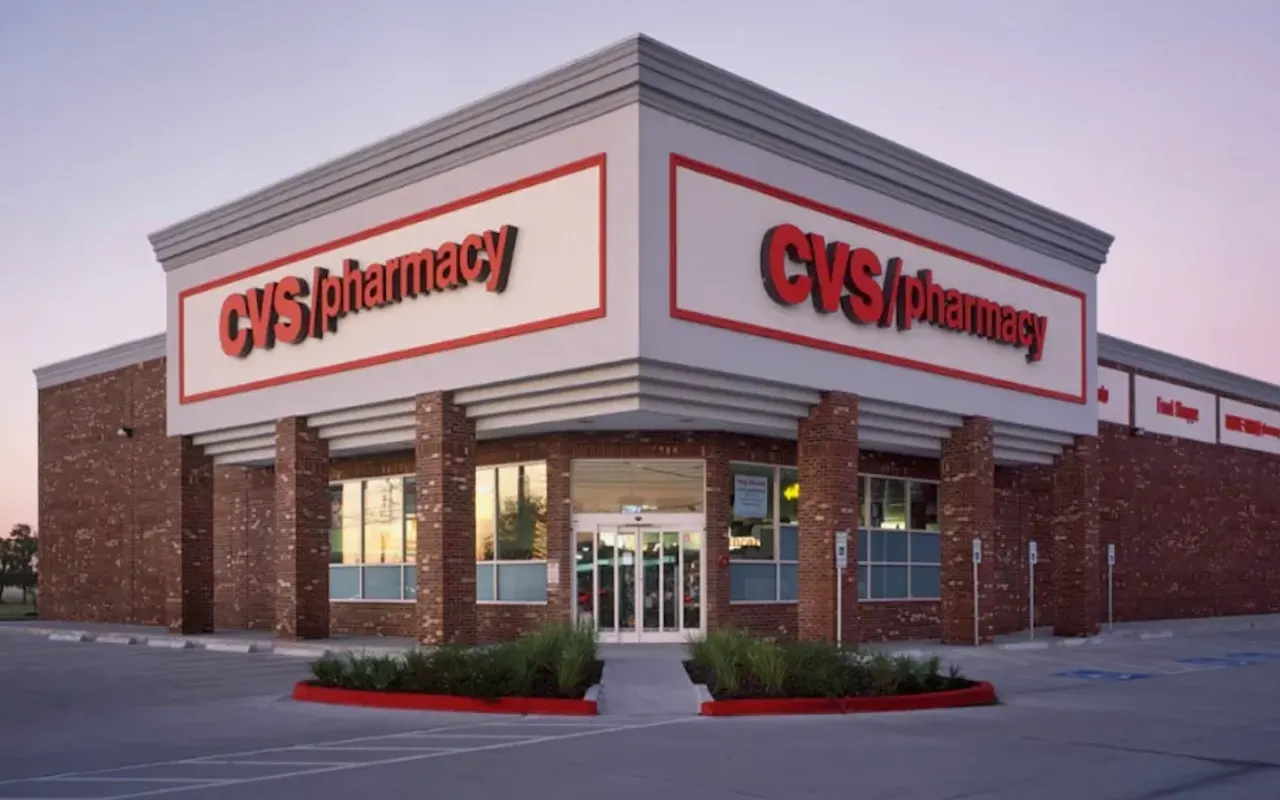
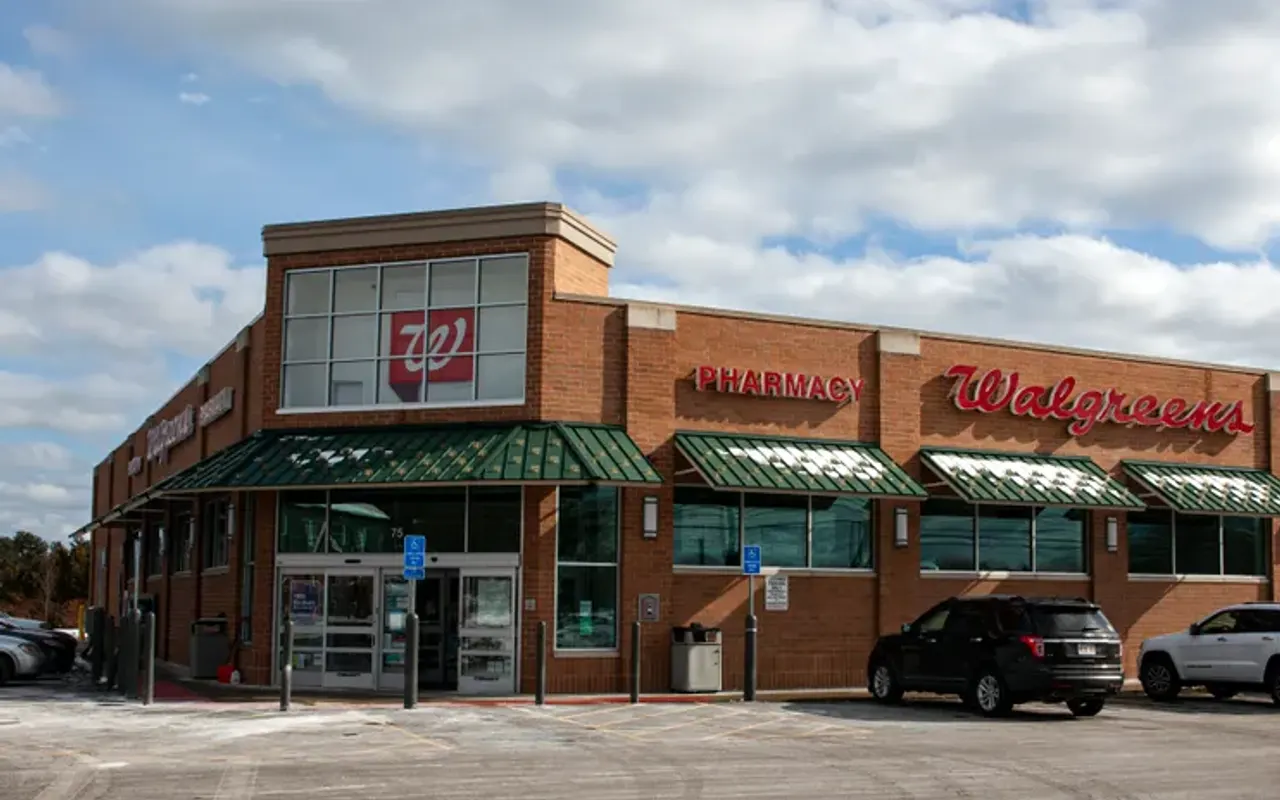
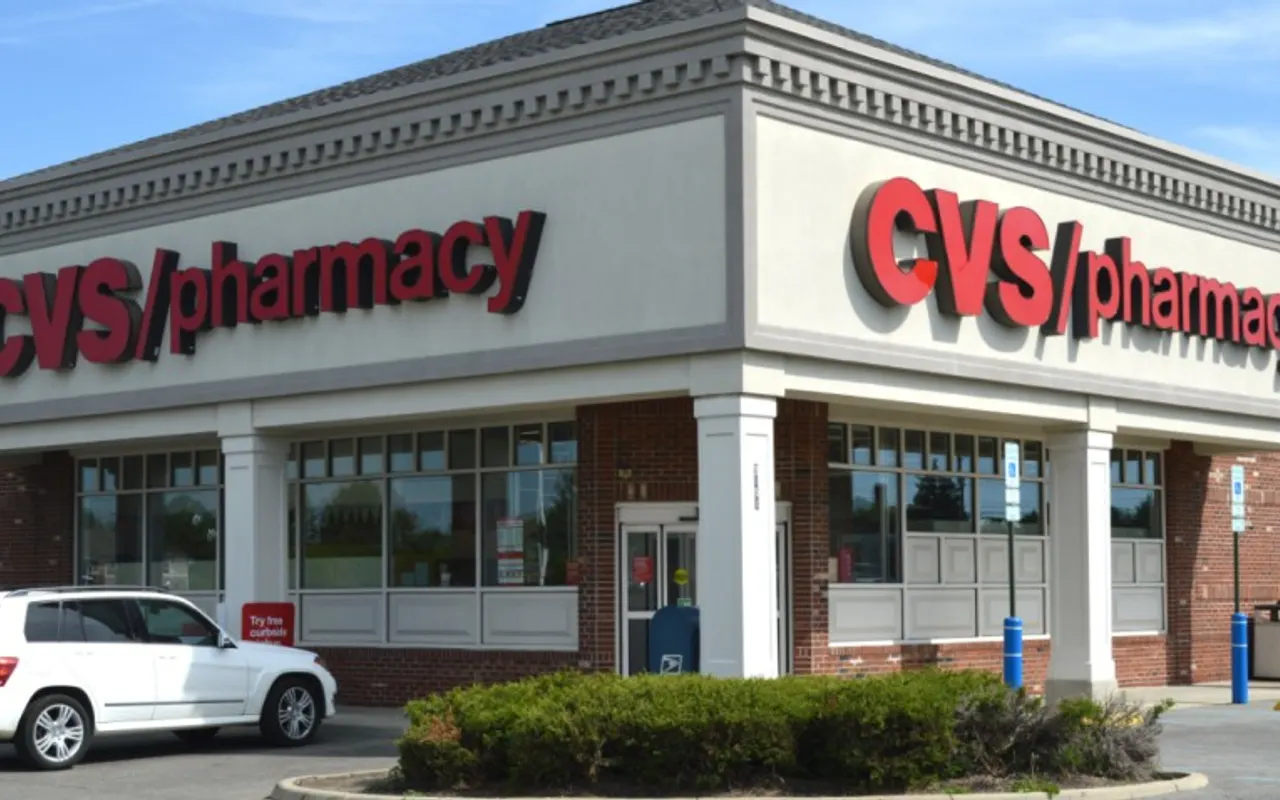
Pharmacy NNN properties represent the gold standard of triple net lease investments. With Walgreens and CVS operating under long-term corporate leases, investment-grade credit ratings, and healthcare-essential positioning, pharmacy properties deliver unmatched stability and security for passive income investors.
American Net Lease specializes in Walgreens and CVS NNN investments nationwide. Browse current listings or call 239.236.2626 to discuss exclusive opportunities.
Why Invest in Pharmacy NNN Properties?
Pharmacy properties combine the lowest-risk tenant profile in commercial real estate with healthcare-essential services. These investments have consistently outperformed other NNN categories during economic downturns, making them the preferred choice for conservative investors.
1. Investment-Grade Credit Quality
Pharmacy operators offer the strongest credit in NNN investing:
Walgreens (NASDAQ: WBA):
- Market cap: $20+ billion
- 8,500+ locations nationwide
- S&P credit rating: BBB (investment grade)
- Annual revenue: $140+ billion
- 120+ year operating history (founded 1901)
CVS Health (NYSE: CVS):
- Market cap: $80+ billion
- 9,000+ retail locations
- S&P credit rating: BBB (investment grade)
- Annual revenue: $350+ billion
- Integrated healthcare (pharmacies + insurance + clinics)
Rite Aid (Bankruptcy 2023 – avoid new acquisitions):
- Chapter 11 bankruptcy filed October 2023
- Store closures ongoing
- Not recommended for new investments
- Existing properties: Review closely
Credit advantages:
- Publicly traded with transparent financials
- Investment-grade ratings (BBB/BBB-)
- Multi-billion dollar market caps
- Diversified revenue (prescriptions + retail + healthcare services)
- 100+ year operating histories (Walgreens, CVS)
Lowest default risk in triple net lease sector.
2. Healthcare-Essential Services
Pharmacies provide critical healthcare infrastructure:
Prescription medications:
- 70% of Americans take at least one prescription drug
- Chronic disease management (diabetes, heart disease, hypertension)
- Aging population driving prescription growth
- Medicare Part D coverage ensures payment
Healthcare services:
- Vaccinations and immunizations
- Health screenings and monitoring
- Pharmacy consultations
- Chronic disease management programs
Clinical services expansion:
- CVS MinuteClinic (1,100+ locations)
- Walgreens Healthcare Clinics
- COVID-19 testing and vaccinations
- Primary care services growing
Non-discretionary services:
- Patients must fill prescriptions regardless of economy
- Insurance coverage reduces price sensitivity
- Recurring monthly prescription refills
- Maintenance medications create consistent traffic
Healthcare is recession-proof and pandemic-essential.
3. Demographic Tailwinds
Population trends strongly favor pharmacy growth:
Aging population:
- 10,000 Americans turn 65 daily (through 2030)
- Seniors average 4.5 prescriptions monthly vs 1.1 for younger adults
- Medicare enrollment growing 3-4% annually
- Chronic disease prevalence increases with age
Chronic disease prevalence:
- 60% of American adults have at least one chronic condition
- 40% have two or more chronic conditions
- Diabetes, heart disease, hypertension require ongoing medications
- Mental health prescriptions increasing
Healthcare spending growth:
- US healthcare spending: $4.5 trillion annually (17% of GDP)
- Prescription drug spending: $400+ billion annually
- Growing 5-7% annually (above GDP growth)
- Medicare/Medicaid expansion increasing coverage
Multi-decade growth trajectory supports long-term lease stability.
4. Strategic Real Estate Locations
Pharmacies occupy premium corner sites:
Location characteristics:
- Major intersection corners with traffic lights
- High visibility from multiple directions
- Traffic counts: 20,000-40,000+ vehicles daily
- Easy access with ample parking (40-60 spaces)
- Drive-through pharmacy windows (80%+ of stores)
Site selection criteria:
- Dense demographics (15,000-25,000 population within 1 mile)
- Median household income $50,000-$100,000
- Senior population concentration
- Medical facilities nearby (hospitals, physician offices)
- Limited pharmacy competition (Walgreens/CVS avoid clustering)
Real estate value:
- Corner parcels command premium pricing
- Alternative uses: Medical offices, urgent care, retail, banks
- Infrastructure in place (parking, utilities, access)
- Zoning typically allows medical/retail/office uses
Land value appreciation even if pharmacy vacates.
5. Longest Lease Terms & Highest Renewal Rates
Pharmacy NNN leases provide exceptional stability:
Typical lease structure:
- Initial terms: 15-25 years (industry standard)
- Renewal options: 4-6 five-year periods (35-50 year total potential)
- Corporate guarantees: Walgreens Boots Alliance, CVS Health Corp
- Rent increases: 5-10% every 5 years or 1.5-2.5% annually
- Triple net structure: Tenant pays all operating expenses
Renewal rates:
- Pharmacies: 90-95% renewal rate (highest in NNN)
- Compare to: QSR 75-85%, dollar stores 70-80%, gas stations 75-85%
- Why so high: Patient relationships, prescription records, insurance networks
Relocation barriers:
- Patient database cannot be transferred
- Insurance network contracts tied to location
- Established referral relationships with physicians
- State pharmacy licensing for specific locations
- Prescription transfer logistics difficult
Pharmacies almost never relocate unless forced by lease expiration.
6. Stable Cap Rates & Returns
Pharmacy NNN properties offer premium pricing:
Typical Cap Rates (2026):
- Walgreens (corporate guarantee): 5.5-6.5%
- CVS (corporate guarantee): 5.5-6.5%
- New construction (20-25 year leases): 5.5-6.0%
- Older properties (10-15 years remaining): 6.0-7.0%
Cap rate drivers:
- Credit quality: Investment grade = lowest caps (highest prices)
- Lease term: 20-25 years = lowest caps vs 10-15 years
- Location: Urban/suburban premium vs rural
- Store format: Freestanding preferred vs strip center
Returns comparison:
- Lower than dollar stores (7-8%) but significantly lower risk
- Similar to McDonald’s/Starbucks (5-6.5%) with higher renewal rates
- Premium pricing reflects safety profile
Trade-off: Lower cap rates = Lower risk, highest stability, longest holds
7. Recession & Pandemic Performance
Pharmacies demonstrate exceptional resilience:
2008-2009 recession:
- Both Walgreens and CVS maintained positive same-store sales
- Prescription volumes stable (patients still need medications)
- Stock prices outperformed S&P 500
- No pharmacy bankruptcies among major chains
COVID-19 pandemic (2020-2021):
- Essential business designation (remained fully open)
- Drive-through pharmacy usage surged
- Vaccination programs generated additional traffic
- Front-end retail suffered but prescriptions remained stable
- Both chains reported strong financial performance
Historical stability:
- No major pharmacy chain has failed in 50+ years
- Walgreens founded 1901 (123+ years)
- CVS founded 1963 (61+ years)
- Survived Great Depression, multiple recessions, healthcare reforms
Pharmacies = Most recession-proof NNN investment category
Types of Pharmacy NNN Properties
Walgreens
America’s largest pharmacy chain and premier NNN investment:
Company overview:
- 8,500+ US locations (9,000+ global)
- Parent: Walgreens Boots Alliance (NASDAQ: WBA)
- Founded 1901, 123+ year operating history
- S&P rating: BBB (investment grade)
- Annual revenue: $140+ billion
Real estate strategy:
- Prefers freestanding corner locations
- Drive-through pharmacy (priority)
- Prototype sizes: 13,000-15,000 sq ft
- Own or lease real estate (varies by market)
- Strategic site selection (avoid clustering)
Store formats:
- Traditional: Pharmacy + front-end retail
- Flagship: Enhanced health services, clinics
- Urban: Smaller footprint, walk-up focus
- Small format: Pharmacy-focused (less retail)
Lease structure:
- Terms: 15-25 years initial + renewal options
- Rent increases: 5-10% every 5 years or 1.5-2.5% annually
- Guarantor: Walgreens Boots Alliance Inc.
- Cap rates: 5.5-6.5%
Investment appeal:
- Longest operating history (123 years)
- Largest US pharmacy presence
- Investment-grade credit
- 90%+ renewal rate
- Premium corner locations
Walgreens = Gold standard pharmacy NNN investment
CVS Health
Integrated healthcare leader with pharmacy foundation:
Company overview:
- 9,000+ retail locations
- Parent: CVS Health Corporation (NYSE: CVS)
- Founded 1963, 61+ year history
- S&P rating: BBB (investment grade)
- Annual revenue: $350+ billion (includes insurance division)
Business integration:
- Retail pharmacies: CVS/pharmacy stores
- Health insurance: Aetna (acquired 2018)
- PBM: Caremark pharmacy benefit manager
- Clinics: MinuteClinic (1,100+ locations)
- Vertical integration creates competitive advantage
Real estate preferences:
- Freestanding locations (60%+ of stores)
- Strip center anchor positions
- Drive-through pharmacy
- Urban and suburban focus
- Dense demographics required
Store formats:
- Traditional: Pharmacy + retail (front store)
- HealthHUB: Enhanced health services, clinics
- Target partnership: CVS pharmacy inside Target stores (not NNN)
- Specialty: High-cost medication management
Lease structure:
- Terms: 15-25 years + options
- Rent increases: Similar to Walgreens structure
- Guarantor: CVS Health Corporation
- Cap rates: 5.5-6.5%
Investment appeal:
- Integrated healthcare model (vertically integrated)
- Insurance + pharmacy synergies
- Investment-grade credit
- Clinical services expanding
- Largest pharmacy chain by revenue
CVS = Diversified healthcare, pharmacy anchored
Rite Aid (Avoid New Investments)
Bankruptcy and restructuring in progress:
Company status:
- Chapter 11 bankruptcy (filed October 2023)
- Store closures: 500+ locations closing
- Debt restructuring ongoing
- Credit rating: D (default)
- Not recommended for new acquisitions
What happened:
- Opioid litigation settlements ($billions)
- Competition from Walgreens, CVS, Amazon
- High debt levels unsustainable
- Failed to compete on scale and technology
Existing Rite Aid properties:
- If you own: Monitor bankruptcy proceedings closely
- Lease continuation: Case-by-case basis
- Re-tenanting risk: Prepare for potential vacancy
- Walgreens/CVS acquisition: Possible for select locations
Alternatives:
- Existing owners: Consider selling before lease expiration
- New buyers: Avoid unless heavily discounted with clear exit
- Re-tenanting options: Other pharmacies, medical, retail
Rite Aid = High risk, avoid new investments
Evaluating Pharmacy NNN Investments
Tenant Financial Strength
Analyzing pharmacy operator credit:
Walgreens evaluation:
- Review quarterly earnings (investor.walgreensbootsalliance.com)
- Same-store pharmacy sales trends
- Prescription volumes and reimbursement rates
- Retail (front-end) sales trends
- Debt ratios and credit rating stability
CVS evaluation:
- Monitor CVS Health earnings (investors.cvshealth.com)
- Pharmacy segment performance
- Aetna integration success
- MinuteClinic expansion
- PBM profitability
Key metrics:
- Prescription market share (stable or growing)
- Gross profit margins (maintaining despite reimbursement pressure)
- Debt-to-EBITDA ratios (under 3.5x preferred)
- Free cash flow generation
- Dividend payments (indicator of financial health)
Red flags:
- Multiple quarters of declining same-store sales
- Credit rating downgrades
- Store closure announcements in market
- Rising debt levels without revenue growth
Location & Site Analysis
Critical pharmacy location factors:
Demographics:
- Population: 15,000-25,000 within 1-mile radius
- Age: Higher senior population (65+) preferred
- Income: $50,000-$100,000 median household
- Insurance: High Medicare/private insurance coverage
- Chronic disease prevalence (diabetes, heart disease)
Medical infrastructure:
- Hospitals within 3 miles
- Physician offices nearby
- Medical office buildings
- Urgent care centers
- Senior living facilities
Competition analysis:
- Pharmacies within 1-mile radius (ideally <2 competitors)
- Independent pharmacies (less threatening)
- Grocery pharmacy departments (Kroger, Publix)
- Mail-order/online (Amazon Pharmacy growing but limited)
Visibility & Access:
- Corner location highly preferred
- Traffic count: 20,000-40,000 daily vehicles
- Traffic light at intersection (queue visibility)
- Easy ingress/egress
- Ample parking (40-60 spaces)
- Drive-through lanes (1-2 lanes)
Market stability:
- Population growth or stable (avoid declining markets)
- Economic diversity (not single-employer dependent)
- Medicare Advantage penetration
- Prescription coverage levels
Lease Terms Deep Dive
Critical pharmacy lease provisions:
Lease length:
- 20-25 years: Premium pricing (lowest cap rates)
- 15-20 years: Standard
- 10-15 years: Discount required (re-leasing risk)
- Under 10 years: Significant discount or pass
Rent escalations:
- 5-10% every 5 years: Standard structure
- 1.5-2.5% annual: Alternative (inflation protection)
- CPI-indexed: Rare but acceptable
- Flat rent: Avoid unless exceptional yield compensates
Guarantor:
- Corporate guarantee: Required (Walgreens Boots Alliance, CVS Health Corp)
- No personal guarantees (pharmacies are corporate-operated)
- Verify guarantee language carefully
- Check for guarantee burnout provisions
Renewal options:
- 4-6 five-year options: Excellent (35-50 year total potential)
- Fair market rent renewals: Less predictable
- Fixed increase renewals: Preferred
- No options: Higher risk but 90%+ renewal rate helps
Maintenance responsibilities:
- Roof: Tenant maintains, landlord or tenant replaces (verify)
- HVAC: Tenant responsibility
- Parking lot: Tenant maintains and repairs
- Structure: Landlord (foundation, walls)
- Pharmacy-specific: Cold storage, security systems
Termination clauses:
- Co-tenancy kickouts: Review if in shopping center
- Sales performance: Very rare for pharmacies
- Dark store clauses: Understand continued rent obligation
- Regulatory: Pharmacy license dependency
Due Diligence Checklist
Essential pharmacy property investigations:
Tenant verification:
- Confirm corporate vs franchise (pharmacies are corporate)
- Verify lease guarantor (Walgreens Boots Alliance or CVS Health Corp)
- Review store opening date and history
- Prescription volume trends (if available)
- Front-end retail sales (if available)
Physical property:
- Property condition assessment (roof, HVAC, structure)
- Pharmacy equipment (not landlord responsibility but assess)
- ADA compliance verification
- Parking lot condition
- Drive-through functionality
Environmental:
- Phase I Environmental Site Assessment (low risk for pharmacies)
- Verify no prior contamination
- Underground storage: Rare for pharmacies
- Hazardous materials: Minimal risk
Market analysis:
- Verify demographics (population, age, income)
- Competition mapping (pharmacy density)
- Healthcare infrastructure (hospitals, doctors)
- Economic trends (employment, growth)
Financial underwriting:
- Verify rent amount and escalations in lease
- Calculate cap rate and cash-on-cash return
- Compare to recent pharmacy NNN sales comps
- Model rent increases over hold period
- Consider sale comps for exit valuation
Current Pharmacy NNN Properties for Sale
[DYNAMIC PROPERTY FEED FROM YOUR LISTINGS DATABASE]
Featured Pharmacy NNN Listings:
[houzez_grids property_label=”walgreens,cvs,pharmacy” posts_limit=”6″ columns=”3″]
Looking for specific pharmacy properties or markets? Contact our specialists at 239.236.2626 for exclusive Walgreens and CVS opportunities nationwide.
Pharmacy Investment Case Study
Investment Profile: Walgreens – South Florida
Property Details:
- Tenant: Walgreens Boots Alliance Inc.
- Guarantee: Corporate guarantee (NASDAQ: WBA)
- Purchase Price: $4,500,000
- Cap Rate: 6.0%
- Annual NOI: $270,000
- Lease Term: 20 years (brand new lease, newly constructed)
- Rent Increases: 10% every 5 years
- Location: Growing suburb north of Miami
Property Features:
- Brand new construction (2024)
- 13,800 sq ft prototype Walgreens
- Freestanding corner location
- Dual drive-through lanes
- 1.5 acre parcel
- 55 parking spaces
- Traffic count: 35,000 vehicles/day
Site Details:
- Major intersection with traffic light
- Senior population (22% over age 65)
- Strong demographics ($75,000 median income)
- Hospital 2 miles away
- Medical office buildings adjacent
- No other CVS/Walgreens within 1.5 miles
Investor Profile: 1031 exchange buyer from New York. Sold retail strip center, sought: zero management, investment-grade credit, long lease term, growth market, hurricane-resistant construction (concrete block).
Performance to Date:
- 100% on-time rent payments (18 months)
- Zero landlord maintenance (true NNN)
- Store performing above company projections
- Market growing (South Florida population +2% annually)
- Hurricane Ian (2022) caused zero damage (new construction)
20-Year Income Projection:
- Years 1-5: $270,000 annual NOI
- Years 6-10: $297,000 annual NOI (after 10% increase)
- Years 11-15: $326,700 annual NOI (after second 10% increase)
- Years 16-20: $359,370 annual NOI (after third 10% increase)
- Total 20-year income: $6,265,350
- Projected value (Year 20): $6.0M+ (assuming stable cap rates)
- IRR potential: 7-8% (income + appreciation)
Investor testimonial: “After owning an actively managed strip center for 20 years, this Walgreens NNN is a dream. I never hear from anyone—rent just appears automatically. Walgreens has been in business since 1901. They’re not going anywhere. This is what retirement investing should look like.”
Frequently Asked Questions
Are pharmacies safe despite Amazon Pharmacy competition?
Yes, pharmacies remain safe investments despite online competition. Amazon Pharmacy (launched 2020) has gained limited market share (<2%) because: most patients prefer in-person pharmacist consultations, insurance processing is complex, immediate need for medications, chronic disease management requires ongoing relationships, and many prescriptions are controlled substances requiring in-person pickup. Walgreens and CVS have strong digital/delivery offerings that compete effectively. The physical pharmacy location remains essential for vaccinations, consultations, and immediate medication needs. Corporate guarantees ensure rent payments regardless of competition.
What are typical cap rates for pharmacy properties?
Pharmacy NNN properties offer 5.5-6.5% cap rates, the lowest in the NNN sector reflecting lowest risk. New construction with 20-25 year leases: 5.5-6.0%. Older properties with 10-15 years remaining: 6.0-7.0%. Walgreens and CVS trade at similar cap rates given equivalent investment-grade credit. Lower cap rates mean higher purchase prices but significantly lower risk compared to dollar stores (7-8% caps), gas stations (6-7.5%), or restaurants (5.5-7%). Premium pricing reflects: investment-grade credit, 90%+ renewal rates, healthcare-essential services, and 100+ year operating histories.
What happens to my investment if CVS or Walgreens goes bankrupt?
Highly unlikely but corporate guarantees protect investors. Walgreens (123 years) and CVS (61 years) have survived every economic crisis including the Great Depression. Both have investment-grade credit ratings and multi-billion dollar market caps. In the remote scenario of bankruptcy, corporate restructuring typically continues lease obligations on profitable stores. Your location’s sales performance matters—strong locations would likely be retained or acquired by competitors. Even if a pharmacy closes, the corporate guarantee requires continued rent payments. The real estate typically re-tenants easily to other pharmacies, medical offices, or retail given premium corner locations.
Can I use a 1031 exchange to buy a pharmacy property?
Yes! Pharmacy NNN properties are among the most popular 1031 exchange targets. They meet all IRS requirements: real property held for investment, passive triple net structure, and long-term leases. Many investors exchange from actively managed properties (apartments, retail centers) into pharmacy NNN assets to eliminate management while deferring capital gains. The investment-grade credit and exceptional stability make pharmacies ideal for conservative 1031 buyers. Strong rental income supports replacement property value requirements. Institutional buyers and family offices frequently target pharmacy NNN properties for long-term holds.
How do pharmacies compare to QSR NNN properties?
Pharmacies and QSRs both offer institutional-quality NNN investments with different profiles. Similarities: Investment-grade credit, long leases (20-25 years), corporate guarantees. Differences: Pharmacies have higher renewal rates (90-95% vs 75-85% for QSRs), similar cap rates (5.5-6.5%), healthcare-essential vs food service, and different risk profiles (prescription-dependent vs consumer dining). QSRs have longer operating history brand exposure (McDonald’s 70+ years vs Walgreens 123 years). For absolute lowest risk: pharmacies. For brand recognition and real estate appreciation: QSRs. Both are excellent institutional-grade investments.
Should I worry about pharmacy reimbursement pressure?
Pharmacy reimbursement pressure affects store profitability but not NNN investors directly. In a triple net lease, landlords receive fixed rent regardless of the tenant’s operating margins or profitability. Walgreens and CVS manage reimbursement challenges through: diversification (insurance, PBM, clinics), operational efficiency, generic drug programs, and 340B programs. The corporate guarantee means rent continues even if individual store margins compress. Both chains remain highly profitable overall ($billions in annual profits). Historical data shows pharmacies continue rent payments through reimbursement cycles. Your risk is default by Walgreens/CVS corporations, not individual store performance.
What’s the ideal pharmacy location?
Ideal pharmacy locations feature: Corner intersection with traffic light, 20,000-40,000 daily vehicle traffic, 15,000-25,000 population within 1 mile, high senior concentration (20%+ over 65), median household income $50,000-$100,000, hospital within 3 miles, physician offices nearby, limited pharmacy competition (1-2 within 1 mile maximum). Avoid: Declining populations, limited medical infrastructure, high pharmacy saturation (3+ within 1 mile), difficult access, insufficient parking. The strongest investments combine: premium corner location, growing market, strong demographics, established operations (5+ years), and modern building condition. Both Walgreens and CVS have sophisticated site selection models ensuring profitable locations.
Do pharmacies renew their leases?
Yes, pharmacies have the highest renewal rates in NNN (90-95%). Relocation is extremely difficult because: patient prescription records cannot be transferred, insurance network contracts tied to location, state pharmacy licenses specific to address, established physician referral relationships, and patient loyalty. Relocation costs ($2M-3M+) include: new construction, equipment, regulatory approvals, and patient migration risk. Most pharmacies operate profitably for 20-40+ years in the same location. Even underperforming locations often renew because relocation is more expensive than continuing operations. Strong renewal indicators: strong sales, new or remodeled building, limited competition, growing market. Plan for 90%+ renewal probability.
Next Steps: Invest in Pharmacy NNN Properties
Ready to add the safest NNN properties to your investment portfolio? American Net Lease provides access to Walgreens and CVS opportunities nationwide with comprehensive due diligence and buyer representation.
Work With American Net Lease
Why investors choose us for pharmacy NNN acquisitions:
- Buyer representation: We work exclusively for you
- Off-market access: Exclusive Walgreens and CVS listings
- Healthcare real estate expertise: Understanding pharmacy operations and site selection
- Market analysis: Demographics, competition, medical infrastructure
- 1031 exchange specialists: Fast closings for conservative investors
Schedule Your Free Consultation
Let’s discuss your investment criteria and identify pharmacy NNN properties that match your safety and income goals.
📞 Call: 239.236.2626
📧 Email: Contact Us
🔍 Browse: View All Pharmacy Properties
Additional Resources
Learn More About NNN Investing:
- Ultimate Triple Net Lease Guide — Comprehensive NNN education
- 1031 Exchange Guide — Tax-deferred strategies
- Cap Rate Calculator — Calculate pharmacy investment returns
Explore Other Property Types:
Start building passive income with the safest NNN properties. Call 239.236.2626 or request information today.
Last Updated: February 2026