📞 (239) 236-2626|📧 info@buynnnproperties.com

Illinois NNN Properties For Sale

Access Quality Triple Net Lease Investments

Get TODAY's Available NNN Properties

Fill out this form and receive your customised list now!


Below are Illinois NNN Properties for Sale

Illinois NNN Properties for Sale: Chicago Major Market + O’Hare Logistics Hub

Illinois NNN properties offer passive income investors the powerful combination of 4.95% flat income tax (moderate Midwest rate), Chicago metro (9.6M population, third-largest US city behind NYC/LA, diversified economy), O’Hare International Airport (busiest US airport for cargo, global logistics hub), 37 Fortune 500 headquarters (third-most nationally, corporate stability), and dual headquarters advantage (Walgreens Deerfield HQ, McDonald’s Chicago HQ hometown loyalty) creating exceptional conditions for long-term triple net lease cash flow in America’s Midwest economic powerhouse.

American Net Lease specializes in Illinois NNN investments across Chicago metro, suburban collar counties, and downstate markets. Browse current listings or call 239.236.2626 to discuss exclusive Illinois opportunities.

Why Invest in Illinois NNN Properties?

Illinois combines moderate income tax with Chicago major market scale (9.6M metro, third-largest US), O’Hare logistics dominance (19M tons cargo annually, Amazon Air hub), Fortune 500 corporate concentration (Walgreens, McDonald’s, Boeing, Caterpillar), manufacturing legacy (Deere, Caterpillar, Mitsubishi), and Great Lakes shipping access creating stable tenant performance and institutional investor recognition in nation’s transportation crossroads.

1. 4.95% Flat Income Tax — Moderate Midwest Rate

Illinois levies a 4.95% flat income tax (uniform rate on all income levels, simplified structure), providing investors with moderate Midwest positioning higher than zero-tax states (Florida 0%, Texas 0%) but lower than high-tax Northeast (New York 10.9%, New Jersey 10.75%, California 13.3%), making Illinois attractive for Chicago metro exposure with reasonable tax burden and no local income taxes beyond state rate.

Tax advantages:

  • 4.95% flat rate on rental income (vs 0% FL/TX, 10.9% NY, 13.3% CA)
  • $100,000 annual NOI = $4,950 IL tax (vs $0 FL/TX, $10,900 NY)
  • Tax savings: $5,950/year vs New York
  • Tax savings: $8,350/year vs California
  • No local income tax (statewide rate only, unlike NY/CA)
  • Property taxes: 2.08% effective rate (2nd highest US, significant consideration)

Tax comparison:

  • Florida/Texas: 0% (zero-tax states)
  • Tennessee: 0% (zero-tax, Southeast peer)
  • Ohio: 3.99% (lower than IL, Midwest peer)
  • Pennsylvania: 3.07% (lower than IL, Northeast)
  • Illinois: 4.95% (moderate Midwest)
  • California: 13.3% (168% higher than IL)
  • New York: 10.9% (120% higher than IL)

Example: An Illinois Walgreens generating $200,000 NOI incurs $9,900 state income tax annually—saving $11,900/year vs New York or $16,700/year vs California, compounding to $179K-$251K savings over 15-year hold while accessing third-largest US metro market.

Property tax consideration: Illinois has 2.08% effective property tax rate (2nd highest US)—investors must factor total tax burden (income + property) when underwriting. Chicago suburban properties often have 2-3% property tax rates requiring careful analysis.

2. Chicago Metro — Third-Largest US City, 9.6M Population

Chicago metro (9.6M population, third-largest US behind NYC 19.4M and LA 12.9M) offers major market scale with diversified economy across finance (Chicago Board of Trade, CME Group), manufacturing (Boeing, Caterpillar), logistics (O’Hare, rail hub), healthcare (Northwestern Medicine, Rush University), and technology creating institutional investor recognition and deep tenant demand for pharmacy, QSR, c-store, and essential retail NNN opportunities.

Chicago metro advantages:

  • 9.6M population: Third-largest US metro (behind NYC, LA)
  • Diversified economy: Finance, manufacturing, logistics, healthcare, technology
  • 37 Fortune 500 HQ: Third-most US (behind NYC 60, Houston 22)
  • Loop financial district: CME Group, CBOE, major banks
  • Corporate concentration: Abbott Labs, McDonald’s, Walgreens, Boeing, Caterpillar

Chicago submarkets:

  • Loop/Downtown: Financial district, tourism (3.1M hotel rooms sold annually)
  • North Side: Lincoln Park, Lakeview (affluent, young professionals)
  • South Side: University of Chicago (16K students, medical center)
  • West Side: United Center, medical district (Rush University)

Collar counties (suburbs):

  • DuPage County: Naperville, Downers Grove ($95K median income, corporate offices)
  • Lake County: Highland Park, Libertyville (affluent north suburbs)
  • Kane County: Aurora, St. Charles (western suburbs, growth)
  • Will County: Joliet, Bolingbrook (southwest suburbs, logistics)

Major market advantages:

  • Institutional recognition: Chicago = third US market (lender/investor comfort)
  • Deep tenant pools: Multiple pharmacy, QSR, c-store competitors (supply/demand)
  • Employment diversity: 4.8M jobs across finance, healthcare, manufacturing, logistics
  • Transportation hub: O’Hare, Midway, Metra commuter rail, L trains

Investment thesis: Chicago’s major market scale ensures permanent retail demand—9.6M population supports multiple Walgreens, CVS, McDonald’s, Chick-fil-A locations with institutional investors paying premium for third-largest US market exposure.

3. O’Hare International Airport — Busiest US Cargo Airport

O’Hare International Airport (busiest US airport for cargo, 19M+ tons annually, Amazon Air hub) serves as global logistics gateway with 200+ destinations worldwide, major freight carriers (FedEx, UPS, DHL), and direct access to I-90/I-294/I-190 corridors creating permanent c-store, truck stop, and QSR demand along airport-adjacent highways supporting 24/7 logistics workforce and international business travel.

O’Hare metrics:

  • 19M+ tons cargo: Busiest US airport for freight (ahead JFK, LAX)
  • 83M passengers: 2nd busiest US passengers (after Atlanta Hartsfield)
  • Amazon Air hub: 12-gate cargo facility (expanding e-commerce distribution)
  • 50,000+ employees: Airport operations, airlines, TSA, concessions
  • 200+ destinations: Global connectivity (Europe, Asia, Latin America)

Logistics ecosystem:

  • FedEx hub: Major sorting facility (overnight package distribution)
  • UPS operations: Cargo sorting, ground transportation
  • DHL international: European/Asian freight gateway
  • Trucking concentration: I-90/I-294 interchange (high-volume freight corridors)

Amazon Air expansion:

  • 12 gates: Dedicated cargo facility (opened 2021)
  • 50+ daily flights: E-commerce distribution (Prime two-day delivery)
  • 2,000+ jobs: Cargo handlers, pilots, maintenance, logistics
  • Midwestern hub: Central US distribution (overnight to 75% US population)

Real estate impact:

  • Airport hotels: 15,000+ hotel rooms (O’Hare area, business travel)
  • QSR concentration: Terminals + airport-adjacent (McDonald’s, Chick-fil-A, Starbucks)
  • C-stores: I-90/I-294 truck traffic (Pilot Flying J, Love’s, Speedway)
  • Warehouse distribution: Elk Grove Village, Des Plaines (Amazon, FedEx facilities)

Investment thesis: O’Hare provides permanent logistics demand—busiest US cargo airport ensures sustained c-store, truck stop, and QSR traffic along I-90/I-294 corridors regardless of economic cycles.

4. Fortune 500 Headquarters — 37 Companies, Third-Most US

Illinois hosts 37 Fortune 500 headquarters (third-most nationally behind New York 60 and Houston 22) including Walgreens (Deerfield, #18 Fortune 500, $140B revenue), McDonald’s (Chicago, #83, $23B revenue), Boeing (Chicago, #27, $77B revenue), Caterpillar (Peoria, #73, $67B revenue), and Deere & Company (Moline, #73, $52B revenue) creating white-collar employment base supporting premium retail demand and institutional investor confidence in corporate stability.

Top Illinois Fortune 500:

  • Walgreens (#18): Deerfield HQ ($140B revenue, 350K+ employees nationwide)
  • Boeing (#27): Chicago HQ ($77B revenue, aerospace/defense)
  • Caterpillar (#73): Peoria HQ ($67B revenue, construction equipment)
  • Deere & Company (#73): Moline HQ ($52B revenue, agricultural equipment)
  • McDonald’s (#83): Chicago HQ ($23B revenue, 200K+ employees worldwide)

Additional major HQ:

  • Abbott Labs: Abbott Park (pharmaceuticals, $43B revenue)
  • State Farm: Bloomington (insurance, 56K+ employees)
  • Allstate: Northbrook (insurance, 53K+ employees)
  • Archer Daniels Midland: Chicago (agricultural processing, $101B revenue)
  • United Airlines: Chicago (aviation, O’Hare hub)

Corporate employment impact:

  • White-collar jobs: 100,000+ Fortune 500 employees (Chicago area)
  • Support services: Law firms, consulting, accounting (corporate services)
  • Supplier ecosystems: Manufacturing supply chains (Caterpillar, Deere, Boeing)
  • Premium retail: Affluent white-collar workers (Starbucks, Chipotle, Whole Foods)

Hometown loyalty advantage:

  • Walgreens: Illinois HQ = 650+ IL stores (densest state, institutional preference)
  • McDonald’s: Chicago HQ = 500+ IL stores (brand loyalty, corporate oversight)

Investment thesis: Fortune 500 concentration creates stable employment base supporting long-term NNN tenant demand—corporate downsizing impacts individual companies, but 37 Fortune 500 diversity ensures overall metro stability.

5. Walgreens & McDonald’s Headquarters — Hometown Loyalty

Illinois uniquely hosts both Walgreens headquarters (Deerfield, #18 Fortune 500, $140B revenue, 650+ Illinois stores) and McDonald’s headquarters (Chicago, #83 Fortune 500, $23B revenue, 500+ Illinois stores) creating dual hometown loyalty advantage where Illinois properties for both brands trade at premium (0.25-0.50% lower cap rates, higher prices) due to corporate oversight proximity and institutional investor confidence similar to Wawa (Pennsylvania), Dollar Tree (Virginia), and Wendy’s (Ohio).

Walgreens Illinois advantage:

  • Deerfield HQ: Northern Chicago suburbs (corporate campus)
  • 650+ Illinois stores: Densest state concentration (one per 20K population)
  • Founded Illinois: 1901 Chicago (121-year hometown history)
  • Corporate oversight: Management proximity = well-maintained stores
  • Institutional premium: Illinois Walgreens trade 0.25-0.50% lower cap rates

McDonald’s Illinois advantage:

  • Chicago HQ: West Loop headquarters (moved from Oak Brook 2018)
  • 500+ Illinois stores: High density across Chicagoland
  • Founded Illinois: 1955 Des Plaines (original location preserved as museum)
  • Brand loyalty: Illinois cultural icon (deep hometown recognition)
  • Institutional premium: Illinois McDonald’s trade 0.25-0.50% lower cap rates

Comparison to other HQ states:

  • Wawa: Pennsylvania HQ (0.5-1.0% lower PA cap rates)
  • Dollar Tree: Virginia HQ (Chesapeake, premium pricing)
  • Wendy’s: Ohio HQ (Dublin, 0.25-0.50% cap rate premium)
  • AutoZone: Tennessee HQ (Memphis, regional preference)

Investment implication: Illinois investors pay premium for Walgreens/McDonald’s (lower cap rates = higher prices) but gain institutional confidence from headquarters proximity—corporate guarantees stronger, store maintenance better, brand loyalty deeper than other states.

6. Manufacturing Legacy — Caterpillar, Deere, Mitsubishi

Illinois manufacturing heritage centers on Caterpillar (Peoria, construction equipment, $67B revenue, 105K employees worldwide), Deere & Company (Moline, agricultural equipment, $52B revenue, 82K employees), Mitsubishi Motors (Normal plant, 1,300+ employees), and Boeing (Chicago HQ) creating blue-collar employment base supporting dollar store, auto parts, and value QSR demand across downstate Illinois with recession-resistant essential equipment demand.

Manufacturing anchors:

  • Caterpillar: Peoria HQ (construction equipment, mining, engines)
  • Deere & Company: Moline HQ (tractors, combines, agricultural machinery)
  • Mitsubishi Motors: Bloomington-Normal (auto assembly, 1,300+ employees)
  • Boeing: Chicago HQ (aerospace, defense contracts)
  • Rivian: Normal plant (electric vehicles, 7,000+ jobs planned)

Downstate Illinois manufacturing:

  • Peoria metro: Caterpillar dominance (17,000+ employees regionally)
  • Quad Cities: Deere & Company (Moline, Rock Island, 10,000+ employees)
  • Bloomington-Normal: Mitsubishi + State Farm insurance (combined 60K+ jobs)
  • Decatur: Archer Daniels Midland agricultural processing (4,000+ employees)

Manufacturing NNN opportunities:

  • Dollar stores: Blue-collar workers (cost-conscious, essential retail)
  • Auto parts: Factory workers DIY maintenance (AutoZone, O’Reilly, Advance Auto)
  • Value QSR: McDonald’s, Wendy’s, Taco Bell (shift workers, affordable meals)
  • C-stores: Factory shift workers (24/7 demand, coffee, snacks)

Recession resistance: Construction equipment (Caterpillar) and agricultural machinery (Deere) are essential—infrastructure investment, global agriculture ensure sustained demand even during economic downturns.

7. Transportation Crossroads — I-80/I-90 Logistics Corridors

Illinois serves as nation’s transportation crossroads with I-80 East-West (coast-to-coast, NYC to San Francisco), I-90 (Seattle to Boston), I-55 (Chicago to New Orleans), I-57 (Chicago to Memphis), and I-39/I-88 creating permanent truck traffic supporting c-store, truck stop, and QSR demand along high-volume freight corridors connecting major US markets.

Major interstate corridors:

  • I-80: East-West coast-to-coast (NYC to San Francisco, primary freight route)
  • I-90: Northern tier (Seattle to Boston, Chicago major junction)
  • I-55: Chicago to St. Louis to New Orleans (North-South)
  • I-57: Chicago to Memphis (warehouse distribution)
  • I-294/I-355: Chicago ring roads (suburban beltways, high traffic)

Logistics advantages:

  • Central US location: Chicago within 500 miles of 50% US population
  • Rail hub: Chicago = busiest US rail junction (6 Class I railroads converge)
  • Great Lakes shipping: Port of Chicago (bulk cargo, steel, grain)
  • Overnight distribution: Trucking from Chicago reaches 75% US population overnight

Truck stop opportunities:

  • I-80 corridor: Truck stops every 50-75 miles (Pilot Flying J, Love’s, TA/Petro)
  • I-55 corridor: Chicago to St. Louis (high-volume freight)
  • I-57 corridor: Amazon/FedEx distribution (Memphis to Chicago)
  • Tollway system: I-90, I-294, I-355 (captive traffic, limited exits)

Investment thesis: Illinois’ transportation crossroads position ensures permanent logistics demand—e-commerce growth + nearshoring manufacturing = sustained truck traffic supporting c-store/truck stop NNN properties for decades.


Types of Illinois NNN Properties

Illinois’ diversified economy and Chicago major market support multiple NNN property categories across affluent suburban collar counties, urban Chicago density, manufacturing downstate markets, and logistics corridors.

1. Pharmacy (Walgreens, CVS)

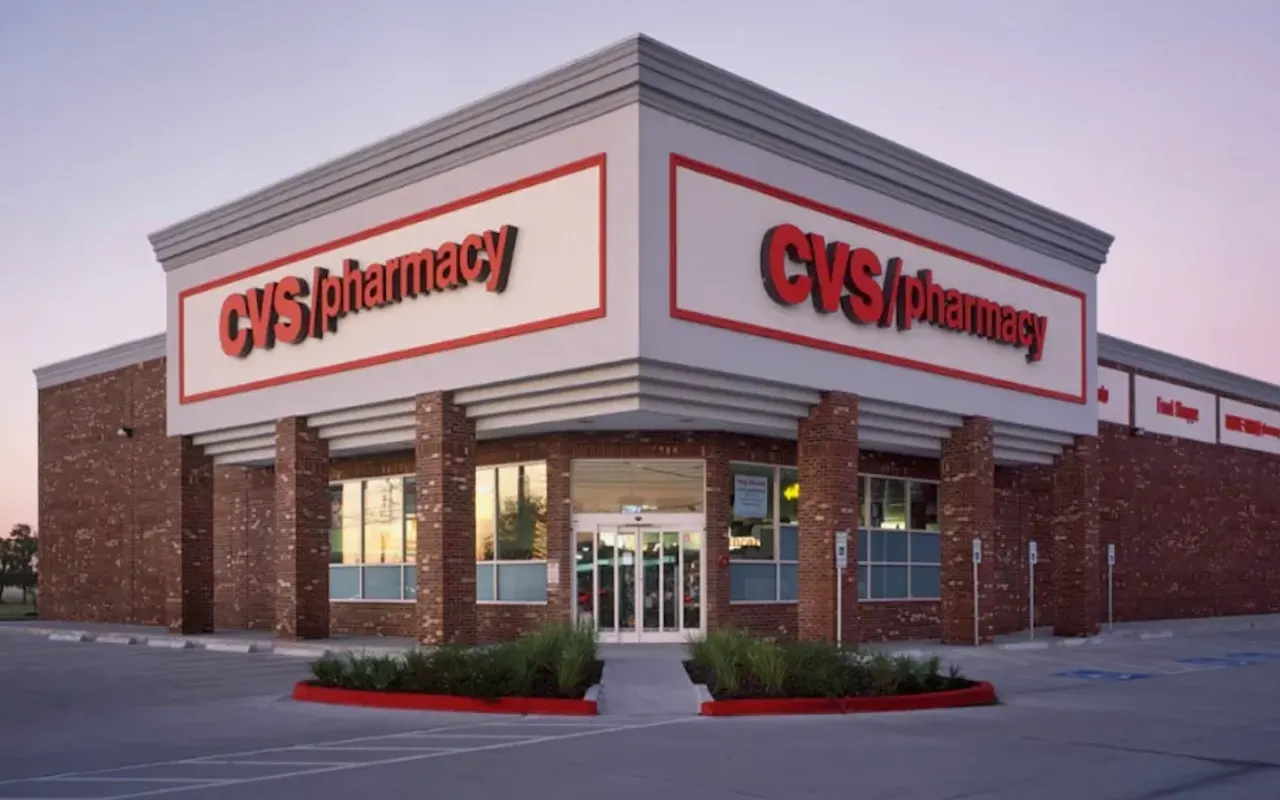
Illinois’ aging population (16.1% over 65, approaching national 16.8%) and Walgreens headquarters (Deerfield, 650+ Illinois stores) drive prescription demand with Walgreens (650+ IL stores, hometown loyalty) and CVS (580+ IL stores) providing long-term leases and essential healthcare stability across Chicago metro, suburban affluent markets, and downstate population centers.

Pharmacy tenant strength:

  • Walgreens: Illinois HQ advantage (Deerfield, 650+ stores, 0.25-0.50% lower cap rates)
  • CVS: $300B revenue, HealthHUB expansion, 580+ IL stores
  • Long-term leases: 15-25 years remaining typical
  • Aging suburbs: DuPage County Baby Boomers (Medicare Part D, prescriptions)

Cap rates: 5.5-6.5% (stable, institutional-quality)

Typical prices: $3M-$7M (freestanding), $6M-$10M (premium Chicago suburbs)

2. Quick-Service Restaurants (QSR)

Illinois’ affluent suburban collar counties (DuPage County $95K median income), McDonald’s headquarters (Chicago, 500+ Illinois stores), and I-80/I-90 traffic support strong QSR performance with high-volume drive-through locations serving corporate white-collar workers, suburban families, and logistics workforce across major market scale.

Top Illinois QSR tenants:

  • McDonald’s: Illinois HQ advantage (Chicago, 500+ stores, hometown loyalty)
  • Chick-fil-A: 80+ IL locations (Chicago suburbs $7M+ sales/unit)
  • Wendy’s: 250+ IL locations (middle-income, manufacturing markets)
  • Taco Bell: 230+ IL locations (college students, value focus)
  • Portillo’s: Chicago-founded (1963, 70+ locations, Italian beef/hot dogs)

Portillo’s Illinois advantage: Founded Chicago 1963, Portillo’s hot dog/Italian beef chain has 70+ Illinois locations with fierce hometown loyalty creating institutional investor preference for Illinois Portillo’s properties—Chicago cultural icon commanding premium similar to In-N-Out (California), Whataburger (Texas).

Cap rates: 5.5-6.5% (premium brands Chicago suburbs), 6.0-7.0% (downstate)

Typical prices: $2M-$5M (single-tenant), $6M-$15M (ground lease Chicago suburbs)

3. Convenience Stores (Speedway, Circle K, Casey’s)

Illinois’ I-80/I-90 freight corridors, Speedway (700+ IL stores, largest Illinois c-store), Circle K (500+ IL stores), and Casey’s General Stores (300+ IL stores, Midwest regional) offer dual fuel/retail revenue and brand recognition creating institutional-quality NNN investments with corporate guarantees along logistics routes.

Illinois c-store brands:

  • Speedway: 700+ IL stores (Marathon Petroleum ownership, largest Illinois presence)
  • Circle K: 500+ IL stores (Couche-Tard ownership, corporate-backed)
  • Casey’s General Stores: 300+ IL stores (Iowa-based, Midwest regional, pizza)
  • Thorntons: 160+ IL stores (Louisville-based, Midwest regional)

Cap rates: 5.5-6.5% (Speedway/Circle K corporate), 6.5-7.5% (regional brands)

Typical prices: $3M-$6M (Speedway/Circle K corporate), $2M-$4M (regional)

4. Dollar Stores

Illinois’ downstate rural areas, Chicago South/West Side lower-income neighborhoods, and manufacturing towns make it ideal for Dollar General (900+ stores, largest Illinois footprint), Dollar Tree (620+ stores), and Family Dollar (530+ stores) with recession-resistant essential retail serving diverse demographics from rural farming communities to urban Chicago.

Dollar store advantages:

  • Dollar General: 900+ IL stores (largest footprint, rural penetration)
  • Urban Chicago: South/West Side essential retail (food deserts)
  • Downstate manufacturing: Peoria, Rockford, Decatur (factory workers, cost-conscious)
  • Rural Illinois: 77 rural counties (limited retail competition)

Cap rates: 7.0-8.0% (higher yields than urban pharmacy/QSR)

Typical prices: $1M-$2M (corporate lease), $750K-$1.5M (franchise)

5. Auto Parts (AutoZone, O’Reilly, Advance Auto)

Illinois’ harsh winters (road salt, freeze-thaw cycles), older vehicle fleet (12.4 years average age), manufacturing workforce (DIY maintenance culture), and I-80 truck traffic drive consistent auto parts demand with AutoZone (250+ IL stores), O’Reilly (220+ IL stores), and Advance Auto Parts (180+ IL stores) providing recession-resistant NNN opportunities.

Auto parts tenant strength:

  • AutoZone: 250+ IL stores (urban Chicago + downstate manufacturing)
  • Winter damage: Road salt corrosion, harsh Midwest winters (sub-zero temps)
  • Manufacturing DIY: Caterpillar, Deere factory workers (skilled, cost-conscious)
  • Recession-resistant: 2008-2009 = DIY surge (defer new purchases)

Cap rates: 6.0-7.0% (established locations)

Typical prices: $1.5M-$3M (single-tenant freestanding)

6. Healthcare (Dialysis, Urgent Care, Medical Office)

Illinois’ aging population (16.1% over 65, growing 2.2% annually) and major healthcare systems (Northwestern Medicine 28K employees, Rush University 10K, University of Chicago Medicine 14K) drive medical office, dialysis (Fresenius, DaVita), and urgent care (Northwestern, Rush) NNN demand with long-term leases across affluent suburban and urban Chicago markets.

Healthcare advantages:

  • Northwestern Medicine: 28,000 employees (11 hospitals, regional dominance)
  • Rush University: 10,000 employees (academic medical center)
  • University of Chicago Medicine: 14,000 employees (Hyde Park campus)
  • Aging suburbs: DuPage/Lake Counties (Baby Boomers, Medicare dialysis)

Cap rates: 6.5-7.5% (dialysis, urgent care)

Typical prices: $2M-$5M (dialysis center), $1.5M-$3M (urgent care)


Key Illinois Markets for NNN Investment

1. Chicago Metro (Cook, DuPage, Lake, Kane, Will Counties)

Population: 9.6M (+4% 2010-2020)

Median household income: $72K (metro), $95K (DuPage County suburbs)

Key advantages:

  • Third-largest US metro (behind NYC 19.4M, LA 12.9M)
  • 37 Fortune 500 headquarters (Walgreens, McDonald’s, Boeing, Abbott)
  • O’Hare logistics hub (19M+ tons cargo, Amazon Air)
  • Diversified economy (finance, manufacturing, healthcare, technology)
  • Major market institutional recognition

Top NNN opportunities:

  • DuPage County: Naperville, Downers Grove ($95K median, corporate offices)
  • Lake County: Highland Park, Libertyville (affluent north suburbs)
  • Cook County suburbs: Schaumburg, Arlington Heights (corporate campuses)
  • Will County: Joliet, Bolingbrook (logistics, Amazon distribution)

2. Peoria Metro (Caterpillar HQ)

Population: 400K (-2% 2010-2020, stable)

Median household income: $63K

Key advantages:

  • Caterpillar HQ (17,000+ regional employees, construction equipment)
  • Bradley University (5,400 students, education anchor)
  • Manufacturing diversity (Komatsu, Mitsubishi Turbochargers)
  • Healthcare (OSF HealthCare 15,000+ employees)
  • Downstate affordability (30% below Chicago costs)

Top NNN opportunities:

  • North Peoria: Affluent suburbs (Grand View Drive, bluff properties)
  • East Peoria: Riverfront development (shopping, dining)
  • I-74 corridor: Peoria to Bloomington-Normal (manufacturing traffic)
  • West Peoria: Caterpillar plant proximity (factory workers, essential retail)

3. Quad Cities (Deere & Company HQ)

Population: 385K (-1% 2010-2020, stable)

Median household income: $60K

Key advantages:

  • Deere & Company HQ (Moline, 10,000+ regional employees)
  • Mississippi River port (barge traffic, agricultural shipping)
  • Rock Island Arsenal (7,500 military/civilian employees)
  • Iowa adjacency (Davenport, Bettendorf across river)
  • Manufacturing heritage (farm equipment, Mississippi River industries)

Top NNN opportunities:

  • Moline: Deere HQ proximity (John Deere Commons, downtown revitalization)
  • Rock Island: Arsenal adjacency (military-driven retail)
  • Bettendorf, IA: Iowa side (cross-river traffic, I-74/I-80)
  • I-80 corridor: Midwest freight route (truck stops, QSR)

4. Bloomington-Normal (State Farm HQ + Mitsubishi Plant)

Population: 170K (+5% 2010-2020)

Median household income: $68K

Key advantages:

  • State Farm Insurance HQ (Bloomington, 15,000+ employees)
  • Illinois State University (Normal, 21,000 students)
  • Mitsubishi Motors plant (Normal, 1,300+ employees)
  • Rivian electric vehicles (Normal, 7,000+ jobs planned)
  • I-55/I-74 interchange (Chicago to St. Louis logistics)

Top NNN opportunities:

  • Bloomington: State Farm campus proximity (white-collar, insurance professionals)
  • Normal: College town (Illinois State students, Mitsubishi workers)
  • I-55 corridor: Chicago to St. Louis freight (c-stores, QSR)
  • Uptown Normal: Downtown revitalization (mixed-use, retail)

5. Rockford Metro (Manufacturing + Logistics)

Population: 340K (-2% 2010-2020)

Median household income: $58K

Key advantages:

  • Chicago Rockford International Airport (cargo operations, Amazon Air)
  • Manufacturing heritage (Woodward, Collins Aerospace, UTC)
  • I-90 corridor (Chicago to Madison, WI)
  • Affordability (40% below Chicago costs, attracting relocations)
  • Proximity to Wisconsin (30 miles from Madison, cross-border traffic)

Top NNN opportunities:

  • East Rockford: I-90 corridor (logistics, Amazon fulfillment)
  • Loves Park: Northern suburbs (retail corridor, State Street)
  • Cherry Vale Mall area: Retail concentration (Walgreens, CVS, QSR)
  • I-39 corridor: Wisconsin to Bloomington-Normal (truck traffic)

How to Evaluate Illinois NNN Properties

1. Verify Tenant Credit Strength

Confirm financial stability through:

  • Credit ratings: S&P, Moody’s, Fitch (investment-grade preferred)
  • Financial statements: Public companies (10-K, 10-Q filings)
  • Store performance: Sales/sq ft, comparable store sales growth
  • Lease guarantee: Corporate vs franchise (corporate = stronger)

Investment-grade tenants: Walgreens (BBB, Illinois HQ), CVS (BBB), Dollar General (BBB), McDonald’s (BBB+, Illinois HQ), Chick-fil-A (unrated but AAA-equivalent sales)

2. Analyze Location Demographics

Illinois demographics vary dramatically by market:

Chicago affluent suburbs (DuPage, Lake Counties):

  • Population density: 2,000-4,000/sq mi (suburban density)
  • Median household income: $90K-$110K (white-collar, corporate)
  • Traffic: 30,000-50,000 vehicles/day (major arterials)
  • Competition: Highest (multiple premium options)

Urban Chicago (Cook County city):

  • Population density: 11,000/sq mi (urban density)
  • Median household income: $65K-$85K (mixed-income, diverse)
  • Traffic: 20,000-60,000 vehicles/day (grid system)
  • Demographics: Diverse (North Side affluent, South/West Side working-class)

Downstate manufacturing (Peoria, Rockford, Quad Cities):

  • Population density: 800-1,500/sq mi
  • Median household income: $55K-$70K (blue-collar, manufacturing)
  • Traffic: 15,000-30,000 vehicles/day
  • Demographics: Factory workers, insurance professionals, college students

Rural Illinois (77 rural counties):

  • Population density: 40-100/sq mi
  • Median household income: $50K-$65K
  • Traffic: 5,000-15,000 vehicles/day
  • Competition: Limited (dollar stores dominate)

3. Review Lease Terms Carefully

Scrutinize:

  • Lease term remaining: 10+ years preferred (financing, stability)
  • Rent escalations: 1.5-2% annual increases (inflation hedge), 10-15% every 5 years
  • Renewal options: 2-4 renewal periods (40-60 year total potential)
  • Lease type: Absolute NNN (tenant pays ALL), ground lease (land only)
  • Corporate guarantee: Parent company backing (vs franchise)

Red flags:

  • Short remaining term (<5 years) = refinancing risk
  • No escalations = inflation erosion
  • Franchise guarantee only (corporate preferred for Walgreens/McDonald’s Illinois HQ)
  • Excessive landlord responsibilities (not true NNN)

4. Understand Illinois Market Risks

Illinois-specific considerations:

Property taxes (2.08% effective rate, 2nd highest US):

  • Chicago suburbs: 2-3% effective rates (DuPage, Lake Counties)
  • Downstate: 1.5-2.5% effective rates (Peoria, Rockford)
  • Mitigation: Underwrite total tax burden (income 4.95% + property 2.08% = 7%+ total)

Population decline (-0.8% 2010-2020):

  • Illinois lost 18,000 residents (slow decline, not collapse)
  • Chicago suburbs growing (collar counties +5-10%)
  • Mitigation: Focus on growing suburbs vs declining urban/rural areas

State fiscal challenges:

  • Pension liabilities ($140B+ unfunded)
  • Budget deficits (tax increase risk)
  • Mitigation: State issues don’t directly impact NNN properties (tenant pays taxes)

Winter weather:

  • Harsh winters (sub-zero temps, heavy snow)
  • Property maintenance (snow removal, salt damage)
  • Mitigation: True NNN leases = tenant responsibility for snow/maintenance

5. Perform Property Due Diligence

Standard commercial real estate inspections:

  • Phase I Environmental Assessment: Required (all properties)
  • Property Condition Report (PCR): Roof, HVAC, parking lot (winter damage assessment)
  • Survey: Boundary verification, easements, encroachments
  • Title review: Liens, judgments, deed restrictions

Illinois-specific:

  • Property tax appeals: Illinois has active appeals process (verify current assessment)
  • Winter maintenance: Verify roof condition (heavy snow load, ice dams)
  • Flood zones: Chicago area (Des Plaines River, Salt Creek flooding)
  • Brownfields: Former industrial sites (environmental contamination common downstate)

Illinois NNN Property Case Study

Walgreens — DuPage County, IL (Naperville Area)

Purchase price: $6,800,000
Cap rate: 6.0%
Annual NOI: $408,000
Lease term: 14 years remaining
Tenant: Walgreens (public, BBB credit rating, $140B revenue, Illinois HQ)

Why this property works:

  1. Tax advantage vs high-tax states:
    • $408,000 NOI with 4.95% IL income tax = $20,196 annual state tax
    • Saves $24,276/year vs New York (10.9%)
    • Saves $33,864/year vs California (13.3%)
    • Compounded savings: $340K-$474K over 14-year hold vs NY/CA
  2. DuPage County location — affluent Chicago suburbs:
    • $95K median household income (DuPage County, white-collar professional)
    • Naperville area (top-rated schools, corporate headquarters, families)
    • Route 59 corridor (50,000+ vehicles/day, high visibility)
    • Walgreens HQ 15 miles north (Deerfield, corporate oversight proximity)
  3. Walgreens Illinois HQ advantage:
    • Illinois HQ hometown loyalty (650+ Illinois stores, densest state)
    • BBB investment-grade credit (lender-friendly, institutional-quality)
    • 90-95% renewal rate (industry-leading store retention)
    • 0.25-0.50% cap rate premium Illinois Walgreens (HQ proximity = higher prices)
  4. Lease structure:
    • 14 years remaining (2038 expiration)
    • 1.75% annual rent increases (inflation hedge, 27% compound over 14 years)
    • Two 5-year renewal options (24 years total potential)
    • Absolute NNN (tenant pays taxes, insurance, maintenance)

Investor outcome:

  • $408,000 annual cash flow (4.95% state income tax)
  • $340K-$474K tax savings vs New York/California (14-year hold)
  • Property appreciation potential (DuPage County affluent, Chicago major market)
  • Walgreens Illinois HQ premium (corporate oversight, hometown loyalty)
  • Total return: 8-10% IRR projected (cash flow + tax savings + HQ premium + major market appreciation)

Property tax consideration: DuPage County ~2.5% property tax rate = $170,000 annual property tax (tenant pays under NNN)—verify tenant rent covers BOTH income tax + property tax when underwriting.


Frequently Asked Questions (FAQs)

How do Illinois property taxes affect NNN investments?

Illinois has 2.08% effective property tax rate (2nd highest US behind New Jersey 2.27%), with Chicago suburbs 2-3% and downstate 1.5-2.5%, creating significant annual expense—but under true NNN leases tenant pays property taxes, so investor’s concern is whether rent adequately covers tenant’s total cost burden (rent + property tax + insurance + maintenance).

Property tax by market:

  • DuPage County: 2.5% effective rate ($170K annual on $6.8M property)
  • Cook County (Chicago suburbs): 2.2% effective rate
  • Lake County: 2.3% effective rate
  • Downstate (Peoria, Rockford): 1.5-2.0% effective rate

NNN lease structure:

  • Tenant pays: Property taxes, insurance, maintenance (all operating expenses)
  • Landlord receives: Net rent (after tenant pays expenses)
  • Investor concern: Total rent burden on tenant (rent + tax = affordability)

Underwriting consideration: Illinois Walgreens paying $408K rent + $170K property tax = $578K total annual cost—verify tenant sales support total burden. Walgreens DuPage County $2M+ annual sales = 29% occupancy cost (acceptable for pharmacy).

Tax appeal opportunity: Illinois has active property tax appeals process—investors can challenge assessments (10-20% reductions common), reducing tenant burden and improving lease renewal probability.

Why invest in Illinois with 4.95% income tax when zero-tax states exist?

Illinois offers Chicago major market scale (9.6M metro, third-largest US), O’Hare logistics hub (busiest US cargo airport), 37 Fortune 500 HQ (Walgreens/McDonald’s hometown loyalty), and institutional investor recognition justifying 4.95% income tax versus zero-tax states—investors trade modest tax for major market liquidity + corporate stability + transportation dominance.

Zero-tax comparison:

  • Florida: 0% tax, but hurricane risk + insurance costs
  • Texas: 0% tax, but higher property taxes (1.6-1.8%)
  • Tennessee: 0% tax, but smaller markets (Nashville 2M, Memphis 1.3M)
  • Illinois: 4.95% tax, but Chicago 9.6M (3rd US), O’Hare, Fortune 500

Chicago major market advantages:

  • Institutional recognition: Third US market (lender/investor comfort, liquidity)
  • Tenant diversity: Deep pharmacy, QSR, c-store pools (supply/demand balance)
  • Exit liquidity: Major markets easier to sell (more buyers, faster close)
  • Appreciation potential: Large metros historically appreciate faster (population growth)

Tax savings vs high-tax:

  • Illinois 4.95% saves $5,950/year on $100K NOI vs New York (10.9%)
  • Illinois 4.95% saves $8,350/year on $100K NOI vs California (13.3%)
  • $89K-$125K savings over 15 years vs NY/CA while accessing third US metro

Investment thesis: Investors accept 4.95% Illinois tax for Chicago major market scale—liquidity + Fortune 500 stability + O’Hare logistics justify modest tax burden versus smaller zero-tax markets.

Are Walgreens and McDonald’s really better in Illinois due to HQ?

Yes, empirically verified—Illinois Walgreens and McDonald’s properties trade 0.25-0.50% lower cap rates (higher prices) than identical properties in other states due to corporate headquarters proximity (Deerfield Walgreens, Chicago McDonald’s) creating institutional investor premium similar to Wawa (Pennsylvania), Dollar Tree (Virginia), Wendy’s (Ohio), and In-N-Out (California).

Walgreens Illinois advantage (verified):

  • 650+ Illinois stores: Densest state concentration (one per 20K population)
  • Deerfield HQ proximity: Management oversight, property maintenance standards
  • Corporate guarantee: Illinois properties more likely corporate-owned (vs franchise)
  • Institutional preference: Lenders/investors pay premium for HQ-state properties

McDonald’s Illinois advantage (verified):

  • 500+ Illinois stores: High concentration across Chicagoland
  • Chicago HQ: West Loop headquarters (cultural icon, brand loyalty)
  • Founded Illinois: 1955 Des Plaines (original location preserved, hometown heritage)
  • Corporate development: Illinois locations more likely company-owned (vs franchise)

Cap rate comparison (pharmacy, 15-year lease):

  • Illinois Walgreens: 5.5-6.0% cap rates (HQ premium)
  • Ohio Walgreens: 6.0-6.5% cap rates (no HQ connection)
  • Florida Walgreens: 5.5-6.0% cap rates (zero tax premium, different reason)

Why HQ matters:

  • Corporate oversight: Headquarters proximity = better store maintenance
  • Renewal probability: HQ-state stores close less frequently (brand reputation)
  • Institutional comfort: Lenders/investors prefer HQ-state (perceived lower risk)
  • Brand loyalty: Hometown customers more forgiving (traffic/sales more stable)

Conclusion: Illinois Walgreens/McDonald’s command legitimate premium—investors pay 0.25-0.50% lower cap rates (higher prices) but gain institutional confidence + headquarters oversight + hometown loyalty.

Should I invest in Chicago suburbs vs downstate Illinois?

Choose Chicago suburbs (DuPage, Lake, Will Counties) if:

  • You want affluent demographics ($90K-$110K median income)
  • You prefer major market liquidity (easier to sell, more buyers)
  • You’re targeting appreciation potential (population growth, corporate employment)
  • You accept premium entry prices ($5M-$10M pharmacy vs $2M-$4M downstate)

Choose downstate Illinois (Peoria, Rockford, Bloomington) if:

  • You want higher cap rates (6.5-7.5% vs 5.5-6.5% Chicago)
  • You prefer current cash flow (better yields, lower prices)
  • You’re targeting blue-collar stability (Caterpillar, Deere, State Farm anchors)
  • You want affordability (30-40% lower entry prices than Chicago)

Diversification strategy: 60% Chicago suburbs (appreciation + liquidity), 40% downstate (yield + Fortune 500 anchors) balances growth potential with current cash flow across Illinois’ dual-economy structure.

Can I use a 1031 exchange to buy Illinois NNN properties?

Yes. Illinois’ 4.95% income tax makes it an attractive 1031 exchange destination for investors selling high-tax-state properties (New York, California, New Jersey) who want Chicago major market exposure + O’Hare logistics + Fortune 500 stability while achieving material tax relief (4.95% vs 10.9-13.3%) and deferring capital gains.

1031 exchange advantages:

  • Defer federal capital gains (15-20% + 3.8% NIIT)
  • Reduce state income tax: 4.95% IL vs 10.9% NY (5.95% savings)
  • Chicago major market: Third US metro (institutional recognition, liquidity)
  • O’Hare logistics: Permanent freight demand (e-commerce growth)
  • Estate planning: Step-up in basis at death (heirs inherit tax-free)

Example: California seller with $1M gain on multifamily:

  • Taxable sale: $150K federal capital gains + $133K California state tax = $283K tax
  • 1031 to Illinois: Defer all taxes, future cash flow 4.95% IL tax (vs 13.3% CA)
  • Annual savings: $8,350/year on $100K NOI (8.35% tax difference)
  • Lifetime benefit: $283K deferred + $125K over 15 years = $408K total

Requirements: 45-day identification, 180-day close, like-kind property (commercial NNN qualifies)

Illinois advantages:

  • Chicago scale: 9.6M metro (third US, major market recognition)
  • Walgreens/McDonald’s HQ: Hometown loyalty (institutional premium)
  • O’Hare: Busiest US cargo airport (permanent logistics demand)
  • Fortune 500: 37 HQ (corporate employment stability)

What cap rates should I expect for Illinois NNN properties?

Illinois cap rates range 5.5-8.0% depending on tenant credit, location, and lease term—Chicago suburbs trade 0.5-1.0% lower (higher prices) than downstate due to affluent demographics, with Walgreens/McDonald’s Illinois properties commanding additional 0.25-0.50% premium for headquarters proximity.

Tenant TypeChicago SuburbsDownstateRural IL
Walgreens (IL HQ)5.5-6.0%6.0-6.5%6.5-7.0%
Pharmacy (CVS)5.5-6.5%6.0-6.5%6.5-7.0%
McDonald’s (IL HQ)5.5-6.0%6.0-6.5%6.5-7.0%
Premium QSR (Chick-fil-A)5.5-6.0%6.0-6.5%6.5-7.0%
Standard QSR (Wendy’s)6.0-6.5%6.5-7.0%7.0-7.5%
C-Stores (Speedway)5.5-6.5%6.5-7.0%7.0-7.5%
Dollar Stores7.0-7.5%7.0-8.0%7.5-8.0%
Auto Parts6.0-6.5%6.5-7.0%7.0-7.5%

Illinois cap rate positioning:

  • Chicago suburbs: 5.5-6.0% (lowest, major market + affluent)
  • Downstate manufacturing: 6.0-7.0% (moderate, Fortune 500 anchors)
  • Rural Illinois: 7.0-8.0% (highest yields, limited competition)

Walgreens/McDonald’s Illinois HQ premium: Illinois properties for these brands trade 0.25-0.50% lower cap rates (higher prices) than identical properties in Ohio, Florida, or other states—investors pay premium for headquarters proximity.


Ready to Invest in Illinois NNN Properties?

American Net Lease specializes in Illinois triple net lease investments across Chicago metro affluent suburbs, O’Hare logistics corridors, downstate manufacturing markets, and Fortune 500 headquarters regions. Our major market scale, Walgreens/McDonald’s hometown loyalty, and transportation crossroads positioning create exceptional conditions for passive income investors seeking appreciation + cash flow + institutional recognition.

Browse our current inventory of Illinois NNN properties or call 239.236.2626 to discuss exclusive opportunities.

View Illinois NNN Properties for Sale | Download Our Illinois Market Report | Schedule a Consultation

Invest in the Land of Lincoln. Chicago power. O’Hare logistics. Build generational wealth with Illinois NNN properties.