
Starbucks
- $2,764,000
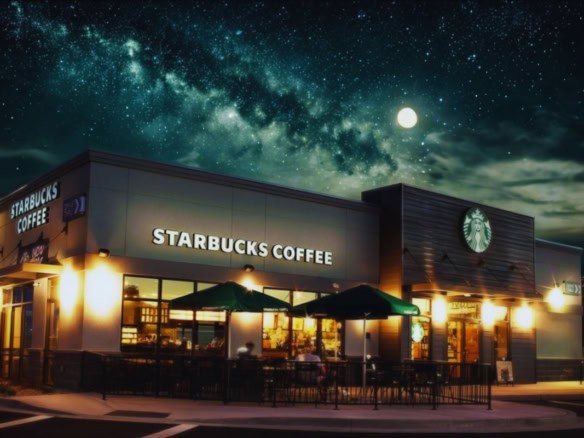
Starbucks NNN for Sale in Las Vegas, NV — $2.8M | 5.0% Cap
Las Vegas, Nevada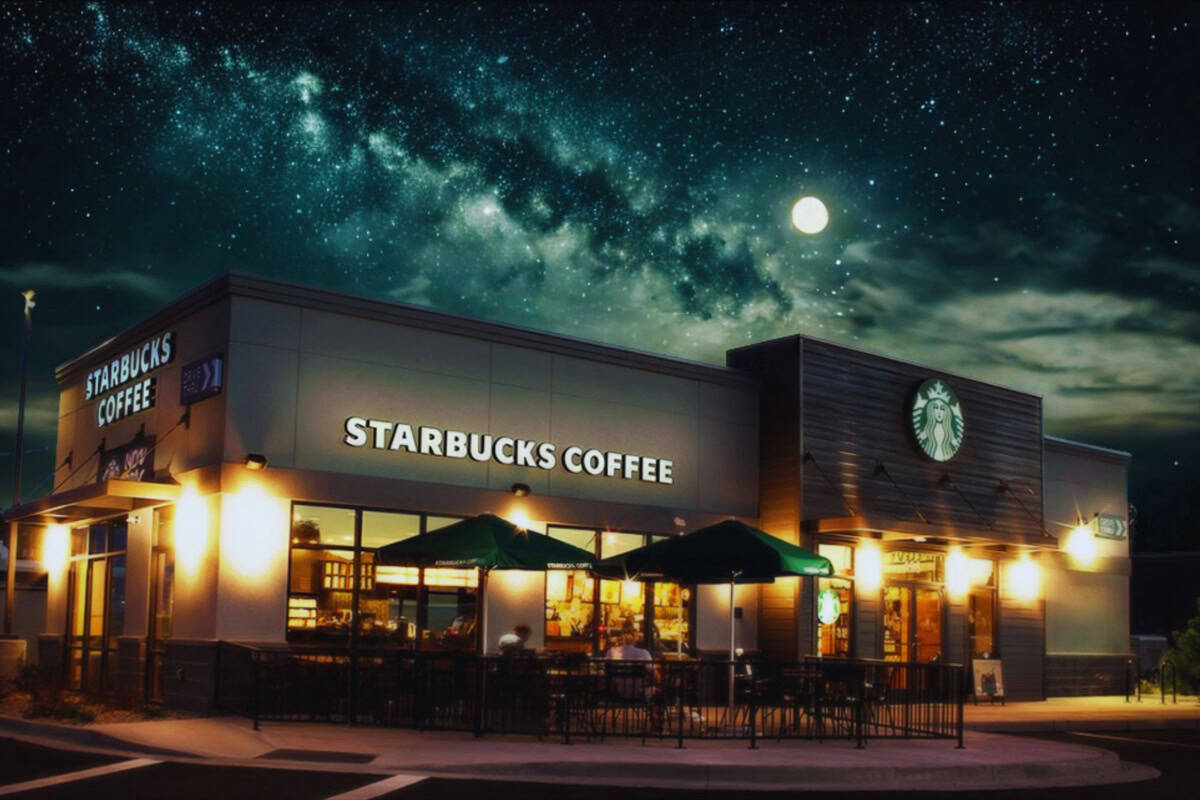
Starbucks
- $4,023,000
Starbucks NNN for Sale in Tallahassee, FL — $4.0M | 5.5% Cap
Tallahassee, Florida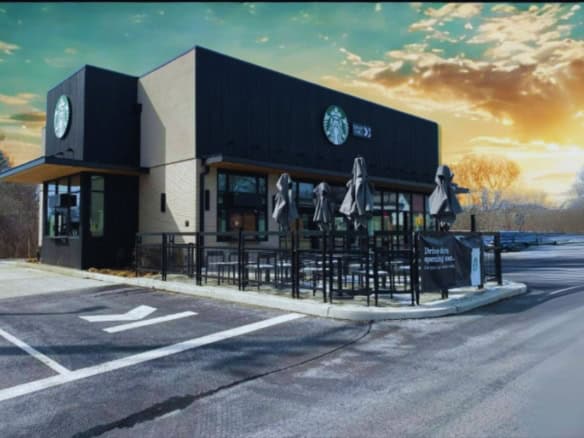
Starbucks
- $3,600,000
Starbucks NNN for Sale in Sacramento, CA — $3.6M | 5.0% Cap
Sacramento, California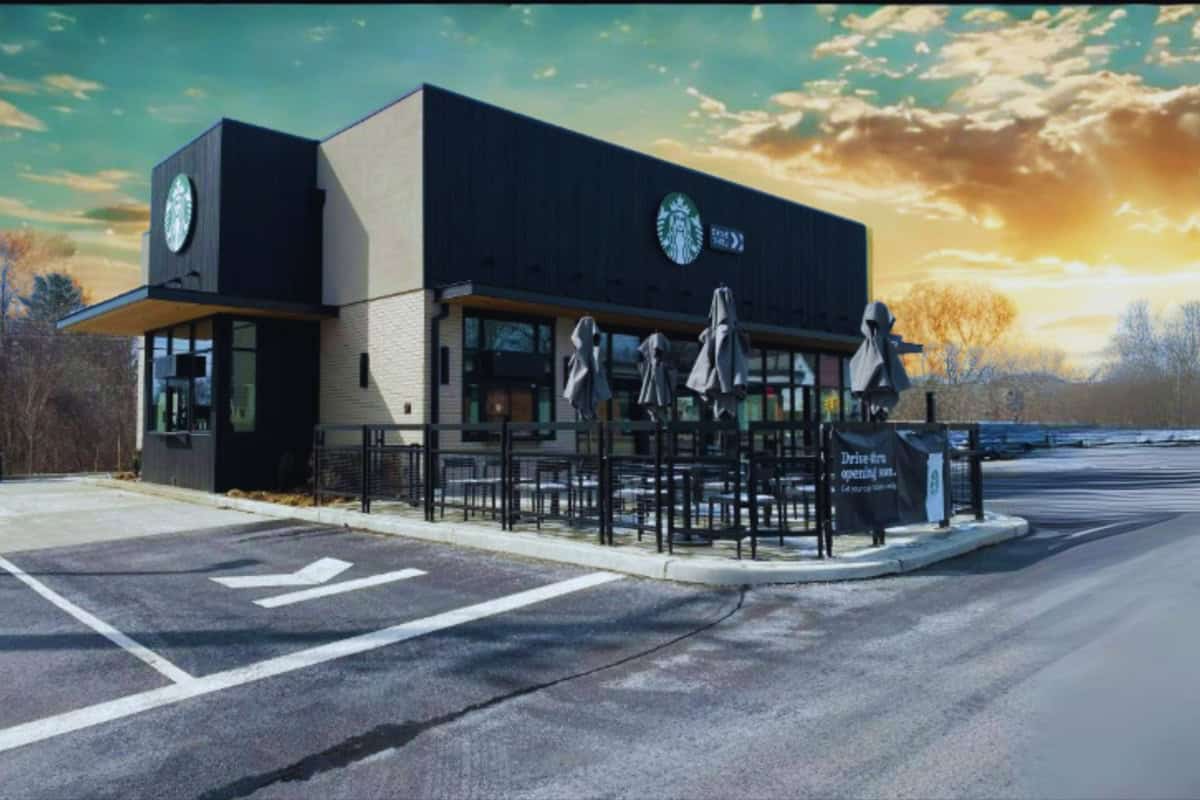
Starbucks
- $2,262,110
Starbucks NNN for Sale in Laredo, TX — $2.3M | 6.0% Cap
Laredo, TexasStarbucks
- $1,750,000
Starbucks NNN for Sale in Humble, TX — $1.8M | 5.62% Cap
Humble, TexasStarbucks
- $3,480,000
Starbucks NNN for Sale in Hollister, CA — $3.5M | 5.0% Cap
Hollister, California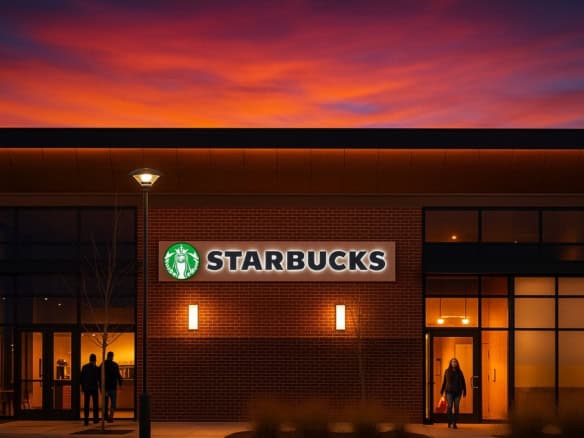
Starbucks
- $4,888,888
Starbucks NNN for Sale in Commack, NY — $4.9M | 4.3% Cap
Commack, New York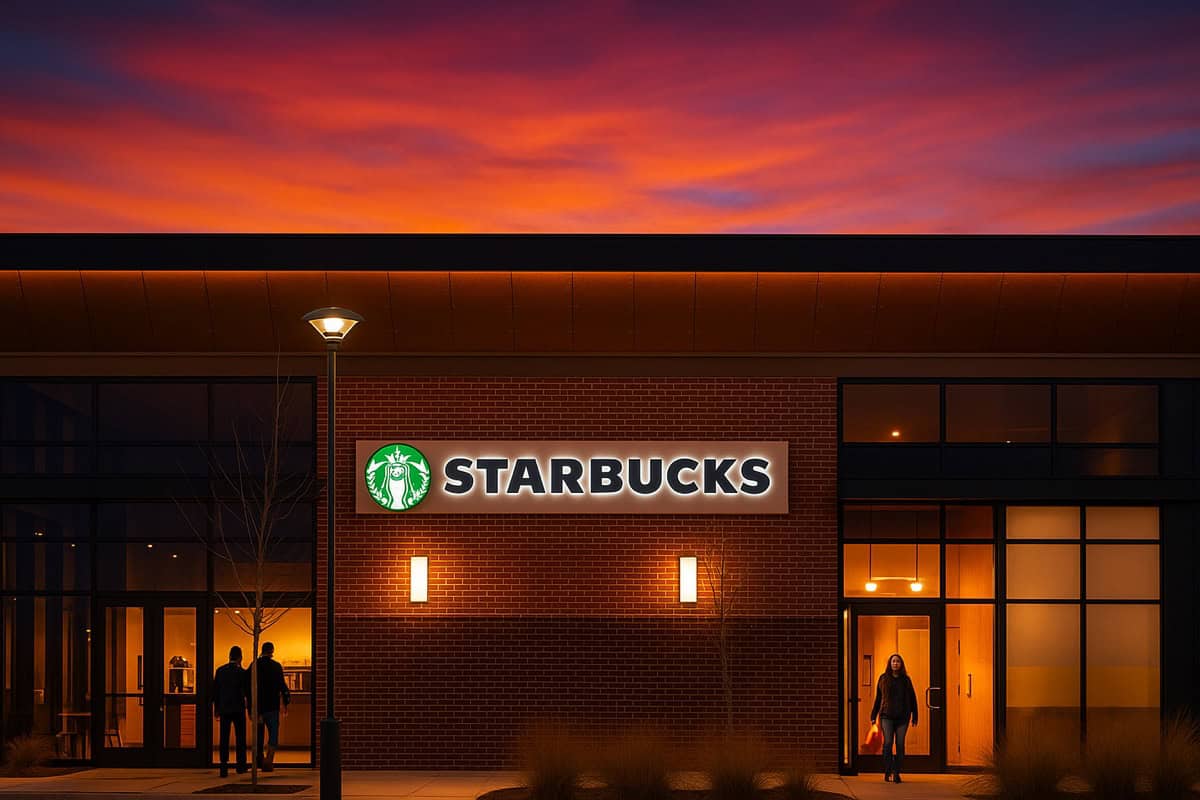
Starbucks
- $1,920,000
Starbucks NNN for Sale in Hanford, CA — $1.9M | 5.0% Cap
Hanford, CaliforniaStarbucks
- $2,076,923
Starbucks NNN for Sale in Monee, IL — $2.1M | 6.5% Cap
Monee, IllinoisStarbucks
- $2,764,000
Starbucks NNN for Sale in Las Vegas, NV — $2.8M | 5.0% Cap
Las Vegas, NevadaStarbucks
- $4,023,000
Starbucks NNN for Sale in Tallahassee, FL — $4.0M | 5.5% Cap
Tallahassee, FloridaStarbucks
- $3,600,000
Starbucks NNN for Sale in Sacramento, CA — $3.6M | 5.0% Cap
Sacramento, CaliforniaStarbucks
- $2,262,110
Starbucks NNN for Sale in Laredo, TX — $2.3M | 6.0% Cap
Laredo, TexasStarbucks
- $1,750,000
Starbucks NNN for Sale in Humble, TX — $1.8M | 5.62% Cap
Humble, TexasStarbucks
- $3,480,000
Starbucks NNN for Sale in Hollister, CA — $3.5M | 5.0% Cap
Hollister, CaliforniaStarbucks
- $4,888,888
Starbucks NNN for Sale in Commack, NY — $4.9M | 4.3% Cap
Commack, New YorkStarbucks
- $1,920,000
Starbucks NNN for Sale in Hanford, CA — $1.9M | 5.0% Cap
Hanford, CaliforniaStarbucks
- $2,076,923
Starbucks NNN for Sale in Monee, IL — $2.1M | 6.5% Cap
Monee, IllinoisStarbucks
- $1,867,000
Starbucks NNN for Sale in Longview, TX — $1.9M | 6.0% Cap
Longview, Texas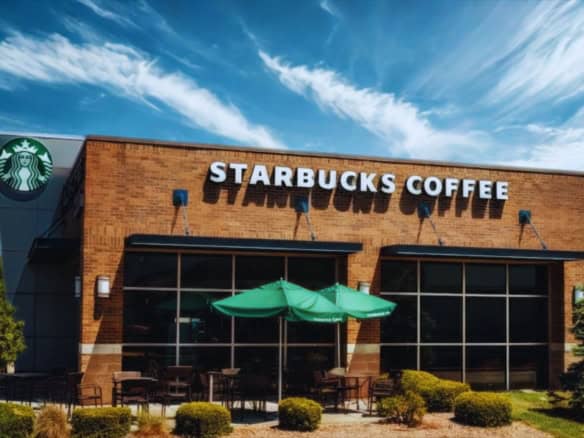
Starbucks
- $2,983,870
Starbucks NNN for Sale in Portage, IN — $3.0M | 6.2% Cap
Portage, Indiana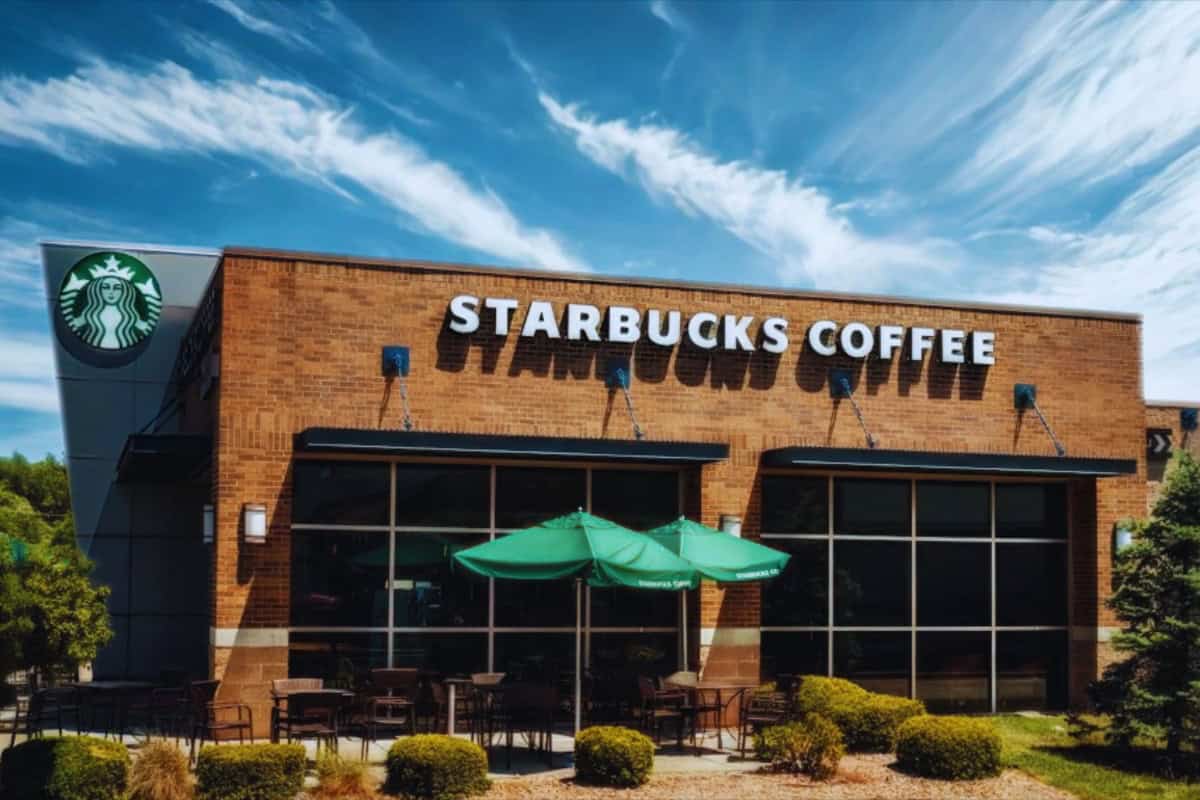
Starbucks
- $4,000,000
Starbucks NNN for Sale in Azusa, CA — $4.0M | 5.0% Cap
Azusa, CaliforniaStarbucks
- $2,660,000
Starbucks NNN for Sale in Freehold, NJ — $2.7M | 5.25% Cap
Freehold, New JerseyStarbucks
- $3,077,000
Starbucks NNN for Sale in Anniston, AL — $3.1M | 6.5% Cap
Anniston, AlabamaStarbucks NNN Properties for Sale: Premium Coffee Brand + Affluent Demographics
Starbucks NNN properties represent premium quick-service restaurant investments with the world’s largest coffeehouse chain, affluent customer demographics, corporate guarantee backing (NASDAQ: SBUX), and aggressive drive-through expansion creating new investment opportunities nationwide.
American Net Lease specializes in Starbucks NNN investments nationwide. Browse current listings or call 239.236.2626 to discuss exclusive opportunities.
Why Invest in Starbucks NNN Properties?
Starbucks combines premium brand positioning with the world’s largest specialty coffee footprint (16,000+ US locations), investment-grade credit (BBB- rating), affluent customer base, and strategic pivot to drive-through formats creating exceptional stability for passive income investors.
1. World’s Largest Coffeehouse Chain
Starbucks dominates specialty coffee globally:
Company overview:
- Global presence: 38,000+ stores in 80+ countries
- US footprint: 16,000+ company-operated and licensed stores
- Public company: NASDAQ: SBUX (since 1992)
- Market cap: $100+ billion
- Annual revenue: $35+ billion
- Founded: 1971 Seattle (53+ year operating history)
Market leadership:
- #1 coffeehouse chain globally (by far)
- #1 specialty coffee brand in America
- Premium positioning: $5-7 average transaction vs $3-4 fast food
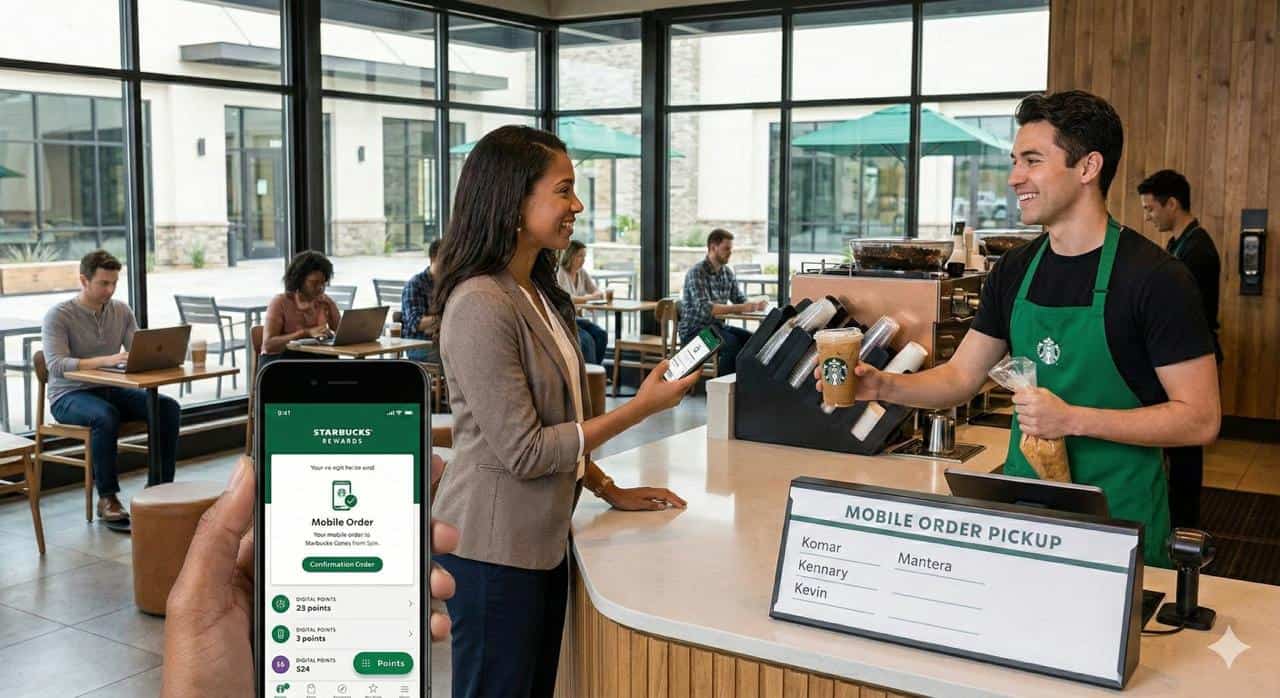
- Brand loyalty: 28+ million Rewards members
- Mobile ordering: 25%+ of transactions (digital leadership)
Store economics:
- Average unit volume: $1.2M-1.8M annually
- Company-operated: 51% of US stores (best locations)
- Licensed: 49% (airports, groceries, campuses)
- Drive-through: 50%+ of company-operated stores (growing)
Largest specialty coffee footprint = Continuous expansion opportunities
2. Investment-Grade Credit & Financial Strength
Starbucks provides institutional-quality backing:
Credit ratings:
- S&P: BBB- (investment grade)
- Moody’s: Baa2 (investment grade)
- Outlook: Stable
- Investment-grade guarantee backing
Financial metrics (2024):
- Revenue: $35+ billion annually
- Same-store sales growth: 3-7% typical (pre-COVID)
- Operating margin: 14-16% (healthy)
- Free cash flow: $3+ billion annually
- Shareholder returns: Consistent dividends + buybacks
Digital innovation:
- Mobile app: Industry-leading (30M+ users)
- Mobile ordering: 25%+ of sales
- Rewards program: 28M+ active members
- Technology investment: Competitive advantage
Brand strength:
- Premium pricing: $5-7 average vs $3-4 McDonald’s
- Customer loyalty: Daily habits, “third place” concept
- International growth: Expanding globally
- Product innovation: Seasonal drinks, food expansion
Strong financials + Digital leadership = Stable tenant
3. Affluent Customer Demographics
Starbucks targets higher-income consumers:
Customer profile:
- Median household income: $70K-100K+ (above-average)
- Age: 25-45 primary (professionals, parents)
- Education: College-educated dominant
- Urban/suburban: Dense residential and office markets
Spending behavior:
- Frequency: 4-6 visits per week (loyal customers)
- Average ticket: $5-7 (premium pricing)
- Less price-sensitive: Quality over value
- Recession resilience: “Affordable luxury” mentality
Location implications:
- Target trade areas: Affluent suburbs, urban cores, office districts
- Avoid: Low-income areas, rural markets
- Property values: Higher in Starbucks-targeted demographics
- Co-tenancy: Premium retail environments
Affluent demographics = Stable tenant performance + property appreciation
4. Drive-Through Evolution & Growth
Starbucks aggressively expanding drive-through:
Drive-through strategy:
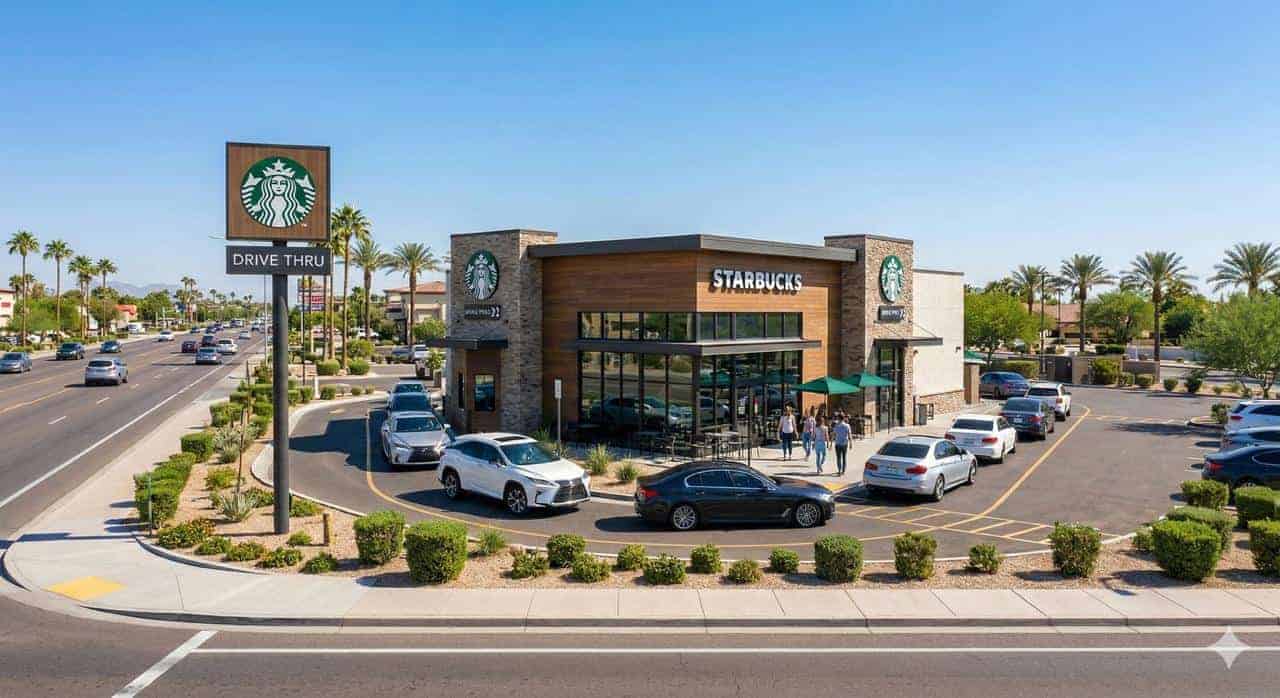
- Current: 50%+ of company-operated stores have drive-through
- Target: 85%+ of new stores include drive-through
- COVID acceleration: Drive-through demand permanent
- Mobile ordering integration: Order ahead, pick up in drive-through
Drive-through advantages:
- Higher sales: $100K-300K more annually vs cafe-only
- Lower labor: Fewer baristas needed
- Faster service: Mobile order integration
- Real estate: Suburban expansion enabled
New formats:
- Drive-through only: No indoor seating (emerging)
- Drive-through + pickup: Mobile order focus
- Double drive-through: High-volume locations
- Traditional cafe + drive-through: Hybrid model
Investor benefits:
- More opportunities: Drive-through expansion = new stores
- Suburban locations: Affordable land vs urban
- Proven performance: Drive-through stores outperform
- Future-focused: Format aligns with consumer behavior
Drive-through pivot = Investment opportunity expansion
5. Premium Brand Positioning
Starbucks commands loyalty beyond commodity coffee:
Brand advantages:
- “Third place” concept: Home, work, Starbucks
- Premium experience: Atmosphere, customization, consistency
- Seasonal innovation: Pumpkin Spice Latte phenomenon
- Cultural relevance: Social media presence, lifestyle brand
Competitive moats:
- Brand loyalty: Rewards program drives frequency
- Real estate: Prime corner locations locked down
- Scale advantages: Supply chain, technology, marketing
- Switching costs: Rewards points, mobile app ecosystem
Recession performance:
- 2008-2009: Closed underperforming stores but recovered
- COVID-19: Pivoted to drive-through/mobile, recovered quickly
- “Affordable luxury”: $5 coffee vs $50 dinner maintains traffic
- Daily habit: Less discretionary than other dining
Strong brand = Pricing power + customer loyalty + resilience
6. Long-Term Lease Stability
Starbucks NNN leases provide predictable income:
Typical lease structure:
- Initial term: 15-20 years (standard)
- Renewal options: 2-3 five-year periods (25-30 year potential)
- Guarantor: Starbucks Corporation (NASDAQ: SBUX)
- Rent increases: 10% every 5 years or 2-3% annually
- Triple net: Tenant pays all property expenses
Lease considerations:
- Company-operated: Corporate guarantee direct
- Licensed stores: Weaker guarantee (avoid for NNN)
- Performance clauses: Rare but review carefully
- Relocation rights: Sometimes included (negotiate)
Renewal factors:
- Strong locations: High renewal rates (75-85%)
- Weak locations: Risk of non-renewal or relocation
- Real estate strategy: Starbucks occasionally optimizes footprint
- Market saturation: Can lead to store closures in over-penetrated markets
Due diligence critical: Verify store performance and market positioning
7. Strong Cap Rates for Premium Brand
Starbucks properties balance premium brand with reasonable yields:
Typical cap rates by market (2026):
- Major metros (urban): 5.0-5.5%
- Affluent suburbs: 5.5-6.0%
- Secondary markets: 6.0-6.5%
- Drive-through (new): 5.5-6.0%
Cap rate drivers:
- Credit quality: Investment-grade BBB- = lower caps
- Location quality: Urban premium, suburban moderate
- Format: Drive-through slightly higher than cafe-only
- Lease term: 15-20 years = stability premium
Price range:
- Urban locations: $3M-6M+
- Suburban: $2M-4M
- Drive-through: $2.5M-3.5M
- Secondary markets: $1.5M-2.5M
Returns focus:
- Cap rate: 5-6.5% income
- Appreciation: 3-5% in affluent markets
- Total return: 8-11% potential
- Affluent trade areas support property values
Premium brand = Lower caps but strong appreciation markets
8. Strategic Market Selection
Starbucks success varies dramatically by location:
Best-performing markets:
- Pacific Northwest: Seattle birthplace, dense penetration
- California: Affluent coastal, high density
- Northeast corridor: Urban professionals, high income
- Affluent suburbs: Nationwide (high-income demographics)
- University towns: College students, educated population
Growth markets:
- Sunbelt suburbs: Phoenix, Dallas, Atlanta, Charlotte
- Texas expansion: Houston, Austin, San Antonio
- Florida growth: Tampa, Orlando, Jacksonville
- Drive-through focus: Suburban retail corridors
Challenging markets:
- Over-saturated urban: Too many stores, closures occurring
- Rural America: Limited success (low density)
- Low-income areas: Poor performance, closure risk
- Declining demographics: Stores at risk
Location due diligence absolutely critical for Starbucks NNN
Starbucks NNN Investment Strategies
Urban Premium Locations
High-density urban markets:
Target areas:
- Downtown cores: Seattle, San Francisco, New York, Chicago
- Urban neighborhoods: Affluent residential
- Office districts: Weekday traffic
- Transit hubs: Commuter flow
Advantages:
- High sales volume: $2M-3M+ annually
- Foot traffic: Dense pedestrian environment
- Brand presence: Flagship locations
- Property appreciation: Urban real estate strength
Investment profile:
- Purchase: $4M-7M+
- Cap rate: 5.0-5.5%
- Lease: 15-20 years
- Focus: Appreciation + stability
Considerations:
- Lower yields: Premium pricing
- Urban risk: Office occupancy changes (post-COVID)
- Saturation: Multiple Starbucks nearby
- Retail evolution: Changing urban dynamics
Institutional investors, low-yield acceptance
Affluent Suburban Drive-Through
Premium suburban corridors:
Target areas:
- Affluent suburbs: $80K-150K+ median income
- Major retail corridors: High visibility
- Residential density: Strong demographics nearby
- Drive-through format: Modern stores
Advantages:
- Strong performance: $1.5M-2M+ sales
- Affluent demographics: Less recession-sensitive
- Drive-through: Future-focused format
- Property stability: Desirable markets
Investment profile:
- Purchase: $2.5M-4M
- Cap rate: 5.5-6.0%
- Lease: 15-20 years
- Focus: Balance income + appreciation
Balanced investors seeking quality + yield
Growth Market Drive-Through
Expanding Sunbelt markets:
Target areas:
- Phoenix, Dallas, Austin, Charlotte suburbs
- Population growth: 2-4% annually
- New residential: Master-planned communities
- Drive-through focus: Suburban format
Advantages:
- Appreciation potential: Growth markets
- Modern stores: New construction
- Drive-through: Latest format
- Market expansion: Starbucks entering
Investment profile:
- Purchase: $2M-3.5M
- Cap rate: 5.5-6.5%
- Lease: 15-20 years
- Focus: Growth + income
Growth-focused investors
Secondary Market Opportunities
Established secondary cities:
Target areas:
- College towns: University-driven
- Regional hubs: Secondary metros
- Affluent pockets: Within larger markets
- Proven locations: Operating history
Advantages:
- Higher yields: 6-6.5% caps
- Lower entry: $1.5M-2.5M
- Stable demographics: Education/healthcare anchor
- Less competition: Fewer buyers
Investment profile:
- Purchase: $1.5M-2.5M
- Cap rate: 6.0-6.5%
- Lease: 10-20 years
- Focus: Yield + stability
Income-focused investors
Evaluating Starbucks NNN Investments
Critical Location Analysis
Starbucks performance is location-dependent:
Demographics (essential):
- Median household income: $70K+ minimum, $90K+ ideal
- Education: College-educated 40%+ of population
- Age: 25-54 demographic strong
- Population density: Urban or dense suburban
- Daytime population: Office workers, students
Competition assessment:
- Other Starbucks: Within 1-2 miles (saturation risk)
- Local coffee: Independent cafes competing
- Dunkin’/Peet’s: Chain competition
- Market share: Starbucks dominance or fragmented
Traffic & visibility:
- Vehicle traffic: 15,000-30,000 daily (drive-through)
- Foot traffic: Dense pedestrian (urban cafe)
- Corner location: High visibility preferred
- Access: Easy ingress/egress
- Signage: Clear brand identification
Surrounding retail:
- Co-tenancy: Premium retailers preferred
- Grocery-anchored: Strong traffic generator
- Avoid: Declining retail, high vacancy
Store Performance Evaluation
Critical Starbucks-specific metrics:
Sales volume (if available):
- Strong: $1.8M-3M+ annually
- Average: $1.2M-1.8M annually
- Weak: Under $1.2M (investigate)
Store format:
- Drive-through: Higher sales, better resilience
- Cafe-only: Location-dependent, urban strength
- Drive-through only: Emerging format
- Starbucks Reserve: Premium concept (rare)
Operating history:
- Established: 5-10+ years (proven location)
- Recent: 1-3 years (growth indicator)
- Very new: <1 year (unproven, higher risk)
Remodel status:
- Recent remodel: Starbucks commitment signal
- Original format: Potential upgrade candidate
- Neglected: Possible closure risk
Red flags:
- Declining sales (multiple years)
- Nearby store openings (cannibalization)
- Saturation (3+ Starbucks within 1 mile urban)
- Format: Outdated without drive-through (suburban)
Lease Structure Review
Critical Starbucks lease provisions:
Guarantor verification:
- Starbucks Corporation: Required (NASDAQ: SBUX)
- NOT licensed operator: Avoid weaker guarantees
- Corporate entity: Confirm exact name
- Guarantee burnout: None typical
Lease term:
- 15-20 years: Standard, preferred
- 10-15 years: Acceptable (verify renewals)
- Under 10 years: Higher risk, require discount
Rent structure:
- Base rent: Fixed amount
- Escalations: 10% every 5 years or 2-3% annually preferred
- Percentage rent: Rare (typically fixed)
- Options: 2-3 five-year renewals typical
Special provisions:
- Relocation clause: Review carefully (allows Starbucks to move)
- Co-tenancy: Usually none (freestanding)
- Hours of operation: Verify 7-day week
- Exclusivity: None typically granted
Termination rights:
- Early termination: Review (Starbucks sometimes reserves)
- Performance clauses: Rare but check
- Radius restriction: Limits Starbucks nearby (good for landlord)
Due Diligence Checklist
Essential Starbucks property investigations:
Store verification:
- Company-operated: Confirm (vs licensed)
- Sales performance: Request if possible
- Operating history: Years at location
- Format: Drive-through vs cafe-only
- Recent remodels: Starbucks investment
Market analysis:
- Demographics: Affluent, educated verification
- Competition: Starbucks density assessment
- Other coffee: Local and chain presence
- Economic trends: Growth or decline
- Real estate: Surrounding property values
Physical property:
- Building condition: Starbucks typically maintains well
- Parking: Adequate (20-30 spaces)
- Drive-through: Configuration and flow (if applicable)
- Signage: Prominent and compliant
- ADA compliance: Verify
Financial underwriting:
- Verify rent: Match lease
- Calculate cap rate: Compare to market
- Rent to sales ratio: 6-10% typical Starbucks
- Future escalations: Model income growth
- Exit cap rate: Conservative assumptions
Current Starbucks NNN Properties for Sale
Featured Starbucks NNN Listings:
Looking for specific Starbucks properties by market or format? Contact our specialists at 239.236.2626 for exclusive nationwide opportunities.
Starbucks Investment Case Study
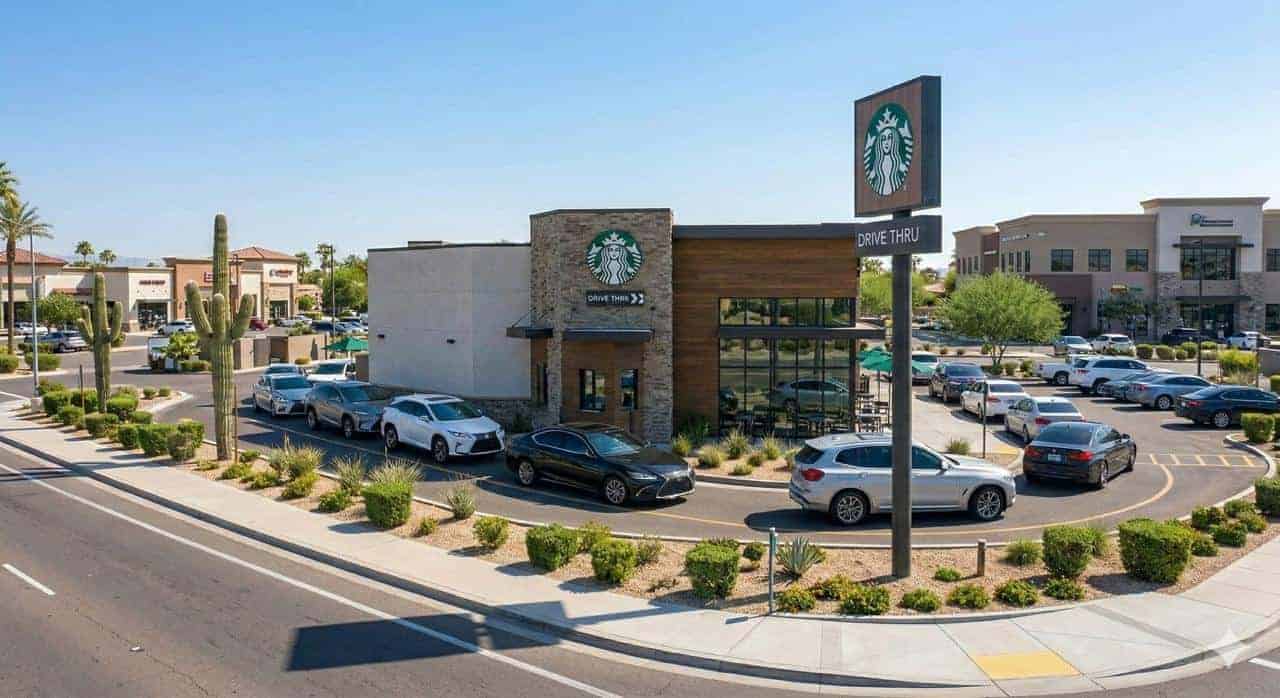
Investment Profile: Starbucks Drive-Through — Affluent Phoenix Suburb
Property Details:
- Tenant: Starbucks Corporation (NASDAQ: SBUX)
- Guarantee: Corporate guarantee (BBB- credit rating)
- Purchase Price: $2,950,000
- Cap Rate: 5.75%
- Annual NOI: $169,625
- Lease Term: 15 years (new construction, new lease)
- Rent Increases: 10% every 5 years
- Location: North Scottsdale, Arizona (affluent Phoenix suburb)
Property Features:
- Brand new construction (2024)
- 2,200 sq ft prototypical Starbucks
- Drive-through + cafe seating
- Freestanding pad site
- 0.6 acre parcel, 28 parking spaces
- Major intersection, excellent visibility
- Traffic count: 28,000 vehicles/day
Market Details:
- North Scottsdale: Median income $125,000+ (very affluent)
- Demographics: Professionals, retirees, high-end residential
- Population growth: 2% annually (stable/growing)
- Retail environment: Premium shopping, dining
- Competition: 2 other Starbucks within 2 miles (acceptable density)
Investor Profile: High-net-worth individual from California. Sold investment property ($4.5M, $2M gain). Sought: premium brand, affluent market exposure, Arizona 0% tax advantage, drive-through format, Phoenix growth market.
Store performance:
- Grand opening: February 2024
- Sales (first year): $1.9M (strong performance)
- Drive-through: 60% of sales (dominant)
- Demographics: Perfect for Starbucks (affluent, educated)
- Hours: 5am-9pm daily (high volume)
Financial analysis:
- Annual NOI: $169,625
- California comparison: Would pay $22,051 state tax (13%)
- Arizona: $0 state tax
- Annual savings: $22,051
- 20-year savings: $441,020
Market performance:
- Property purchased: March 2024
- Current value (February 2026): $3,200,000 (estimated)
- Appreciation: 8.5% in less than 2 years
- North Scottsdale: Continued strong market
- Equity gain: $250,000
Total return analysis (2 years):
- NOI collected: $339,250
- Appreciation: $250,000
- Total gain: $589,250
- Return on $2.95M: 20% cumulative
- Annual return: 10%
Investor testimonial: “This Starbucks in North Scottsdale is exactly what I wanted—a premium brand in a premium market. The store does $1.9M in sales, the drive-through is always busy, and the demographics are perfect (wealthy professionals and retirees who spend $6-7 per visit without thinking about it). I’m saving $22,000 a year in California state taxes by owning it through my Arizona entity, and the property has already appreciated $250,000. The 15-year corporate lease gives me stability, and the affluent market gives me confidence this location will always perform.”
Frequently Asked Questions
Are Starbucks NNN properties safe investments?
Starbucks NNN properties can be excellent investments BUT location quality is absolutely critical. Advantages: Investment-grade corporate guarantee (BBB-), world’s largest coffeehouse chain (38,000+ stores), affluent customer base, premium brand, drive-through growth, 15-20 year leases. Risks: Location-sensitive (affluent markets required), market saturation (over-penetration risk in urban areas), company optimization (occasional closures/relocations), format evolution (cafe-only stores at disadvantage vs drive-through). Safety factors: Verify $70K+ median household income, confirm drive-through format (if suburban), assess competition (avoid 3+ Starbucks within 1 mile), review sales data (request $1.5M+ annually), avoid declining markets. Strong-performing Starbucks in affluent demographics are very safe; weak locations in wrong markets carry significant risk. Due diligence critical.
What are typical cap rates for Starbucks NNN properties?
Starbucks NNN properties offer 5.0-6.5% cap rates depending on location and format. Urban premium locations: 5.0-5.5% (lowest yields, highest appreciation), Affluent suburbs: 5.5-6.0% (balanced), Secondary markets: 6.0-6.5% (highest yields), Drive-through new construction: 5.5-6.0%. Lower cap rates reflect: investment-grade credit (BBB-), premium brand positioning, affluent demographics, long lease terms (15-20 years). Comparison: Lower than McDonald’s (5.5-6.5%) due to more location-dependent, Lower than Dollar General (7-7.5%) due to premium positioning, Similar to Walgreens urban (5.5-6.5%). Investor consideration: Accept lower caps for premium brand in affluent markets with appreciation potential. Total return focus: 5.5-6% income + 3-5% appreciation = 8.5-11% total return potential.
How does Starbucks compare to McDonald’s for NNN investing?
Starbucks and McDonald’s offer similar risk profiles with different market positioning. Credit quality: McDonald’s BBB+ (stronger) vs Starbucks BBB- (still investment grade). Store count: McDonald’s 13,000+ US vs Starbucks 16,000+ (Starbucks larger). Cap rates: McDonald’s 5.5-6.5% vs Starbucks 5.0-6.0% (similar, McDonald’s slightly higher). Demographics: McDonald’s broad income spectrum vs Starbucks affluent-focused. Format: McDonald’s drive-through dominant vs Starbucks evolving to drive-through. Renewal rates: McDonald’s 80-85% vs Starbucks 75-85% (similar). Advantages McDonald’s: Broader market (all income levels), established drive-through, slightly better credit. Advantages Starbucks: Premium demographics, “affordable luxury” resilience, digital leadership. Best for McDonald’s: Value-focused, diverse markets. Best for Starbucks: Affluent markets, urban/suburban mix, premium positioning. Both excellent—choice depends on market and demographics preference.
Can I use 1031 exchange to buy Starbucks property?
Yes! Starbucks NNN properties are excellent 1031 exchange targets for investors seeking premium brand exposure with investment-grade backing. Benefits: Defer federal capital gains, relocate capital to growth/affluent markets, corporate guarantee protection, premium demographics, drive-through growth exposure. Popular exchanges: California → Arizona/Texas/Florida Starbucks (eliminate state tax, maintain premium brand), McDonald’s → Starbucks (similar cap rate, more affluent demographics), Walgreens → Starbucks (pharmacy to coffee, maintain investment grade). Starbucks 1031 advantages: Wide price range ($1.5M-6M+ accommodates various exchange sizes), available nationwide (multiple markets), premium market locations (appreciation potential), corporate guarantee stability. Process: Identify within 45 days, close within 180 days, equal-or-greater value, qualified intermediary. Key: Verify location quality and demographics during identification period—not all Starbucks equal.
Should I buy urban cafe or suburban drive-through Starbucks?
Decision depends on investment goals and risk tolerance. Choose urban cafe if: Want highest sales volume ($2M-3M+), prefer major metro exposure, comfortable with lower yields (5-5.5%), seeking appreciation focus, accept post-COVID office uncertainty. Choose suburban drive-through if: Want balanced income/growth (5.5-6% caps), prefer format resilience (drive-through proven), seeking family demographics (stable), appreciate future-focused format, desire suburban appreciation. Risk-adjusted: Suburban drive-through generally safer (format proven post-COVID, demographic stability, resilience demonstrated). Urban cafe higher risk-reward (office occupancy variable, saturation risk, appreciation upside). Current trend: Starbucks investing in drive-through expansion (85%+ of new stores) = company validation. Recommendation: Most investors favor suburban drive-through for balanced risk-return; only buy urban if location exceptional and cap rate compensates.
What’s the ideal Starbucks location for investment?
Premium Starbucks NNN locations feature: Affluent demographics ($90K-150K+ median income mandatory), educated population (40%+ college degrees), dense residential or office nearby, drive-through format (essential for suburban, valuable for all), corner/high-visibility site, 20,000+ vehicle traffic daily (drive-through locations), strong co-tenancy (premium retail environment), limited competition (not 3+ Starbucks within 1 mile), population growth (1-3% annually). Markets: Affluent suburbs (Scottsdale, Irvine, Bethesda, Buckhead), university towns (Ann Arbor, Chapel Hill), urban professional districts (specific neighborhoods only), growth corridors (Phoenix/Austin/Charlotte suburbs). Avoid: Rural areas (insufficient density), low-income markets (under $60K median), over-saturated urban (too many locations), declining demographics, cafe-only suburban (format disadvantage). Ideal: Affluent suburb, drive-through, $100K+ median income, 2% growth, limited competition.
Do Starbucks stores renew their leases consistently?
Starbucks renewal rates vary significantly by location quality: Strong locations (affluent, high sales, drive-through): 80-90% renewal, Average locations: 70-80% renewal, Weak locations (poor demographics, low sales, saturation): 50-70% or non-renewal/relocation. Factors affecting renewal: Store sales performance (critical—request data), demographics strength (affluent markets safer), format (drive-through higher renewal than cafe-only), competition (saturation reduces renewal rates), real estate strategy (Starbucks optimizes footprint periodically). Unlike pharmacies (90%+ renewal) or McDonald’s (85%+), Starbucks more actively manages portfolio and will close/relocate underperforming stores. Protection: Verify strong demographics, confirm sales above $1.5M if possible, assess format (drive-through preferred), review competition carefully. Even without renewal, corporate guarantee ensures rent through lease term. Strong-performing locations in right demographics renew consistently; marginal locations carry real risk.
Are Starbucks properties over-saturated in some markets?
Yes, urban saturation is a significant concern in major metros. Over-saturated markets: Manhattan, San Francisco, Seattle, Chicago downtown (multiple stores per block in some areas). Saturation indicators: 3+ Starbucks within 1-mile radius (urban), 2+ within 2-mile radius (suburban), Store closures announced in market, Declining same-store sales trends, Cannibalization evident. Company response: Closing underperforming stores in saturated urban markets (2018-2020 closed hundreds), Optimizing to fewer, higher-volume locations, Shifting growth to drive-through suburban (less saturation). Investor protection: Avoid buying in obviously over-saturated areas, Verify your store strong performer ($1.8M+ sales), Review Starbucks‘ recent closures in market, Confirm demographics support your specific location. Suburban drive-through: Much less saturation risk (geographic spread), Urban cafe: Higher saturation concern (proximity clustering). Due diligence: Essential to assess saturation risk specifically for your property’s market.
Next Steps: Invest in Starbucks NNN Properties
Ready to add premium coffee brand exposure with affluent demographics to your NNN portfolio? American Net Lease provides exclusive Starbucks opportunities nationwide with comprehensive location analysis.
Work With American Net Lease
Why investors choose us for Starbucks NNN acquisitions:
- Location expertise: Demographics and saturation analysis critical
- Format guidance: Drive-through vs cafe evaluation
- Sales data access: Store performance verification where possible
- Market intelligence: Starbucks expansion and optimization insights
- 1031 exchange coordination: Premium brand replacement properties
Schedule Your Free Consultation
Let’s discuss your Starbucks NNN investment criteria and identify properties in optimal markets.
📞 Call: 239.236.2626
📧 Email: Contact Us
🔍 Browse: View All Starbucks NNN Properties
Additional Resources
Learn More About QSR NNN Investing:
- Ultimate Triple Net Lease Guide — Comprehensive NNN education
- McDonald’s NNN Properties — Compare QSR leaders
- Fast Food Restaurant Properties — QSR category overview
Compare Investment Markets:
- Florida NNN Properties — Strong Starbucks markets
- Texas NNN Properties — Growth opportunities
- Arizona NNN Properties — Phoenix expansion
- California NNN Properties — Premium markets
Explore Other Tenant Types:
- Walgreens NNN Properties — Pharmacy alternative
- Dollar General NNN Properties — Value retail
Build wealth with Starbucks NNN properties—premium coffee brand + affluent demographics + drive-through growth. Call 239.236.2626 or request information today.
Last Updated: February 2026