
Chipotle
- $4,000,000
Chipotle NNN for Sale in Pensacola, FL — $4.0M | 4.65% Cap
Pensacola, Florida
Chipotle
- $2,000,000
Chipotle NNN for Sale in Glenville, NY — $2.0M | 5.5% Cap
Glenville, New York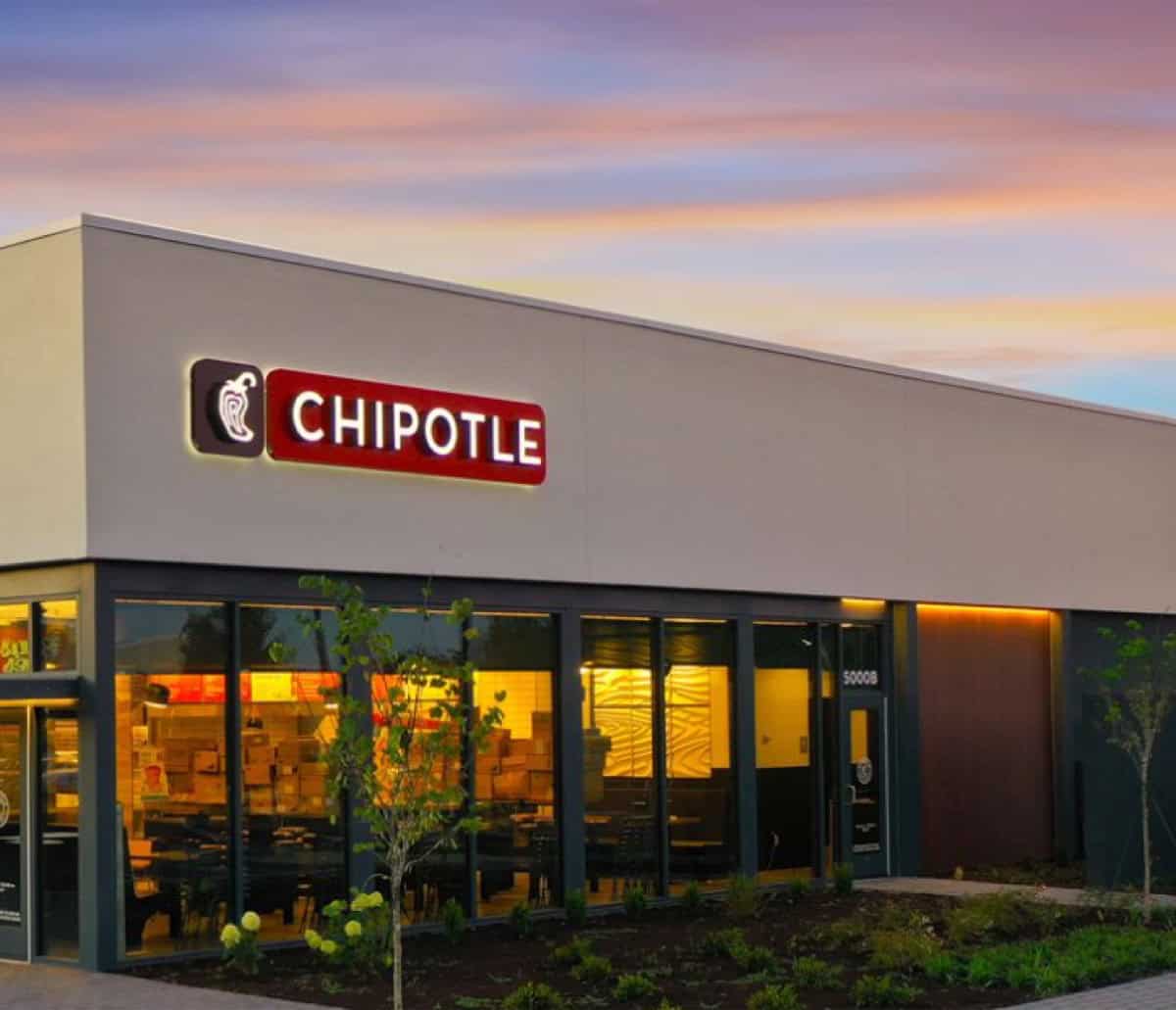
Chipotle
- $3,574,000
Chipotle NNN for Sale in Cornelius, OR — $3.6M | 4.75% Cap
Cornelius, OregonChipotle
- $4,333,333
Chipotle NNN for Sale in Goodyear, AZ — $4.3M | 4.5% Cap
Goodyear, Arizona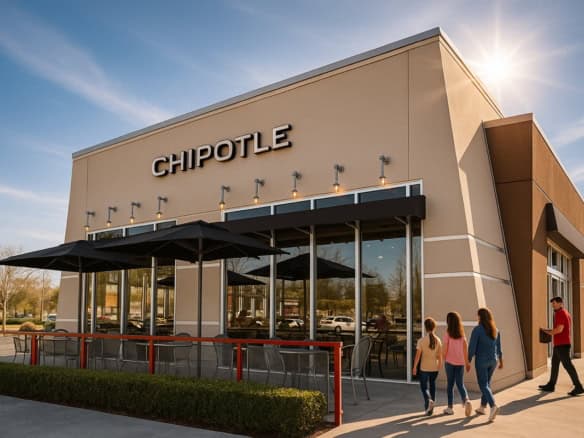
Chipotle
- $3,600,000
Chipotle NNN for Sale in Russellville, AR — $3.6M | 5.25% Cap
Russellville, Arkansas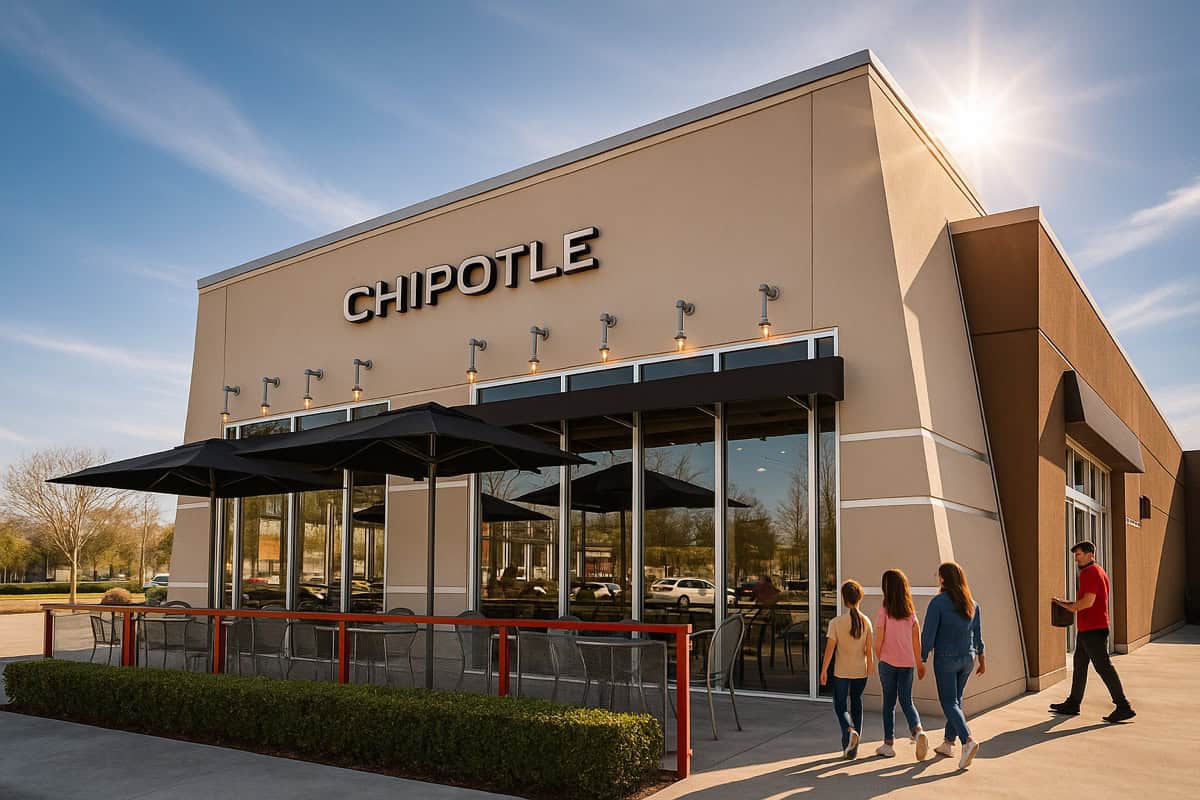
Chipotle
- $2,912,000
Chipotle NNN for Sale in Elizabeth City, NC — $2.9M | 5.5% Cap
Elizabeth City, North CarolinaChipotle
- $4,000,000
Chipotle NNN for Sale in Pensacola, FL — $4.0M | 4.65% Cap
Pensacola, FloridaChipotle
- $2,000,000
Chipotle NNN for Sale in Glenville, NY — $2.0M | 5.5% Cap
Glenville, New YorkChipotle
- $3,574,000
Chipotle NNN for Sale in Cornelius, OR — $3.6M | 4.75% Cap
Cornelius, OregonChipotle
- $4,333,333
Chipotle NNN for Sale in Goodyear, AZ — $4.3M | 4.5% Cap
Goodyear, ArizonaChipotle
- $3,600,000
Chipotle NNN for Sale in Russellville, AR — $3.6M | 5.25% Cap
Russellville, ArkansasChipotle
- $2,912,000
Chipotle NNN for Sale in Elizabeth City, NC — $2.9M | 5.5% Cap
Elizabeth City, North CarolinaChipotle NNN Properties for Sale — Corporate-Guaranteed Fast-Casual Investment Gold Standard
Chipotle NNN properties offer institutional investors access to corporate-guaranteed lease security (Chipotle Mexican Grill Inc. NYSE: CMG $80B+ market cap backs leases, NOT franchisee-dependent like Wendy’s/Subway, zero landlord recourse risk), highest AUV in fast-casual segment ($3.0-3.5M average unit volume, 3x Wendy’s $1.9M, 6x Subway $450K, premium pricing power $12-15 burritos drives franchisee profitability), Chipotlane drive-thru innovation (dedicated mobile order pickup lanes, 70%+ digital sales, +20% AUV premium vs traditional format, pandemic-proof off-premise dominance), limited supply scarcity pricing (99%+ company-owned stores, Chipotle rarely sells NNN properties, institutional bidding war when available creates premium valuations), 15-20 year absolute NNN leases (tenant pays all expenses, 10% rent escalations every 5 years standard), brand new construction (2024-2025 build-to-suit development deals, modern Chipotlane format, $3M+ development cost), and 5.0-5.5% cap rates (reflect investment-grade corporate guarantee credit quality, comparable McDonald’s AA- 5.0-6.0%, premium 150-200 bps lower than franchisee-backed Wendy’s 6.0-7.0%) creating institutional-quality passive income for family offices, high-net-worth 1031 exchange investors, and experienced NNN portfolios seeking best-in-class fast-casual credit with growth brand momentum.
American Net Lease specializes in sourcing rare Chipotle corporate-guaranteed NNN opportunities through off-market relationships and build-to-suit development partnerships. Browse current listings or call 239.236.2626 to discuss Chipotle institutional investment strategies.
Why Invest in Chipotle NNN Properties?
Chipotle combines corporate-guaranteed lease security with fast-casual growth leadership—Chipotle Inc. $80B market cap publicly traded (NYSE: CMG, transparent financials, institutional ownership 90%+, quarterly earnings visibility), $3.0-3.5M average unit volume (highest in fast-casual segment, 60% higher than Panera $1.8M, 3x Wendy’s $1.9M, 6x Subway $450K, premium pricing power supports rent coverage), 3,800+ US locations growing +200-300 stores/year (aggressive expansion via Chipotlane format, untapped markets remain, runway to 7,000+ domestic locations long-term), 70%+ digital sales dominance (mobile app, online ordering, delivery partnerships Uber Eats/DoorDash, industry-leading digital penetration reduces dine-in dependency), Chipotlane drive-thru dedicated lanes (mobile order pickup only, 70%+ new stores include format, +20% AUV premium vs traditional locations, pandemic-proof off-premise), “Food with Integrity” brand positioning (responsibly sourced ingredients, no antibiotics, GMO-free, sustainability commitment, millennial/Gen-Z loyalty, ethical brand perception premium), 5.0-5.5% cap rates (reflect corporate guarantee credit quality, 150-200 bps premium vs franchisee-backed Wendy’s 6.0-7.0%, comparable McDonald’s AA- corporate 5.0-6.0%, fair risk-adjusted return for zero landlord recourse), and limited supply scarcity (99%+ company-owned stores, Chipotle rarely sells NNN properties, when available = institutional competition, premium valuations) making Chipotle NNN properties best-in-class fast-casual investment for sophisticated investors prioritizing credit quality, growth brand, scalable digital model, and corporate backstop security.
1. Corporate Guarantee = Zero Landlord Recourse Risk (Chipotle Inc. $80B Backs Lease)
Chipotle NNN leases feature corporate guarantee structure where Chipotle Mexican Grill Inc. (NOT franchisee LLC) guarantees rent obligations, creating institutional-grade credit security: (1) $80B+ market cap (NYSE: CMG, publicly traded since 2006, transparent financials, quarterly earnings calls, institutional ownership 90%+ including Vanguard/BlackRock/Fidelity), (2) $11.3B annual revenue 2024 (double-digit growth trajectory since 2021 turnaround, same-store sales +7.9% 2023, brand momentum strong, not declining like Subway -7,000 closures), (3) Investment-grade quality credit (not formally S&P rated but estimated BBB/BBB+ equivalent based on financial metrics, comparable McDonald’s AA-, Starbucks BBB+, Yum! Brands BBB), (4) Zero landlord recourse concern (if individual store closes → Chipotle corporate continues paying rent until lease expires OR negotiates buyout, landlord receives 100% contracted rent regardless of store performance, vs franchisee-backed Wendy’s/Subway where operator bankruptcy = landlord loses income immediately), (5) Re-tenanting security (Chipotle responsible for finding replacement tenant if abandons location, OR continues paying rent, landlord protected). Corporate guarantee eliminates single biggest NNN risk (tenant default) making Chipotle comparable institutional-grade credit to McDonald’s, Chick-fil-A, Starbucks corporate-backed leases.
Corporate guarantee advantages vs franchisee-backed competitors:
| Tenant | Lease Guarantee | Credit Backing | Cap Rate | Landlord Risk |
|---|---|---|---|---|
| Chipotle | Corporate (Chipotle Inc.) | $80B market cap, $11.3B revenue | 5.0-5.5% | ZERO (corporate pays if store closes) |
| McDonald’s | Corporate (McDonald’s Corp) | $200B+ market cap, AA- S&P | 5.0-6.0% | ZERO (corporate guarantee) |
| Chick-fil-A | Corporate (Chick-fil-A Inc.) | Private, strong financials | 4.0-5.0% | ZERO (corporate guarantee) |
| Wendy’s | Franchisee ONLY | Multi-unit operator individual credit | 6.0-7.0% | HIGH (franchisee bankruptcy = loss) |
| Subway | Franchisee ONLY | Single-unit common, weak credit | 6.5-7.5% | VERY HIGH (40-50% single-unit operators) |
Why corporate guarantee matters (institutional investor perspective):
- Sleep-at-night security: Chipotle $80B corporate continues paying rent (even if store struggles, landlord receives income)
- Re-tenanting protection: Chipotle responsible for finding replacement tenant (landlord NOT burdened with re-leasing)
- Comparable institutional credit: Chipotle = McDonald’s/Starbucks quality (BBB/BBB+ equivalent, institutional acceptable)
- 5.0-5.5% caps fair compensation: Premium 150-200 bps lower than franchisee-backed Wendy’s 6.0-7.0% reflects superior credit security
- Family office/1031 exchange acceptable: Corporate guarantee meets fiduciary standards (trustees, advisors approve institutional-grade credit)
Investment decision: Chipotle corporate guarantee = best-in-class fast-casual credit (only McDonald’s, Chick-fil-A comparable), accept lower 5.0-5.5% caps for zero default risk, institutional-grade security, sleep-at-night income.
2. Highest AUV in Fast-Casual Segment — $3M+ Per Store (Premium Pricing Power)
Chipotle dominates fast-casual economics with $3.0-3.5M average unit volume (highest in segment, 60% above Panera $1.8M, 3x Wendy’s $1.9M QSR, 6x Subway $450K weak economics), driven by: (1) Premium pricing strategy ($12-15 burrito bowls/burritos vs QSR $7-9, consumers pay premium for quality perception, “Food with Integrity” brand positioning justifies higher prices, no value menu discounting like McDonald’s), (2) Customization model (build-your-own assembly line, protein + rice + beans + toppings + extras = upsell opportunities, average check $13-16 includes drink/chips, vs Wendy’s $10-12 combo limited upsell), (3) Throughput efficiency (Chipotle assembly line serves 250-300+ customers/hour peak vs traditional QSR 150-200, higher volume + premium pricing = revenue maximization), (4) Digital ordering dominance (70%+ sales digital/mobile, customers order ahead for pickup, eliminates line friction, increases order frequency, higher-margin channel vs dine-in labor), (5) Limited menu focus (burritos, bowls, tacos, salads only = operational simplicity, faster service, lower food waste, fewer SKUs vs Subway 20+ sandwich combinations operational complexity), (6) Catering/group orders (corporate lunch, team events, $200-500 orders common, high-margin channel supplements individual transactions). $3M+ AUV = franchisee profitability (higher sales supports rent coverage, landlord security, vs Subway $450K AUV franchisees struggle breaking even, Wendy’s $1.9M moderate profitability).
AUV comparison (fast-casual leaders vs QSR competitors):
| Brand | AUV | Pricing | Sales Driver | Franchisee Profitability |
|---|---|---|---|---|
| Chipotle | $3.0-3.5M | $12-15 burritos | Customization, digital, premium | STRONG ($400K-600K+ EBITDA) |
| Panera Bread | $1.8M | $10-13 sandwiches | Bakery-cafe, breakfast | Moderate ($250K-350K EBITDA) |
| Wendy’s | $1.9M | $10-12 combos | Premium burger, Fresh beef | Moderate ($200K-300K EBITDA) |
| Shake Shack | $4.5M | $15-20 burgers | Ultra-premium, limited locations | Strong (company-owned mostly) |
| Subway | $450K | $7-9 subs | Value positioning, oversaturated | WEAK ($0-50K EBITDA, many LOSE money) |
Why $3M+ AUV matters (investor perspective):
- Rent coverage strong: $3M sales supports $200K-300K annual rent (6-10% rent-to-sales ratio healthy, franchisee profits $400K-600K+ EBITDA)
- Store closure risk low: High-volume stores don’t close (profitable locations, Chipotle invests maintaining success, vs Subway closing 7,000 underperformers 2015-2024)
- Resale value stable: $3M+ AUV locations command premium pricing (investors bid higher for proven high-volume stores)
- Comparable to Shake Shack: Chipotle $3M+ = best-in-class fast-casual economics (only Shake Shack $4.5M higher, but limited footprint 500 stores vs Chipotle 3,800+)
Chipotlane format AUV premium (+20% vs traditional!):
- Traditional Chipotle: $2.8-3.2M AUV (dine-in + takeout + delivery)
- Chipotlane locations: $3.4-3.8M AUV (dedicated drive-thru mobile pickup adds $500K-600K incremental sales!)
- Why premium: Digital ordering friction eliminated (customers order ahead, drive-thru pickup, no wait, increases order frequency), off-premise 80%+ sales (vs traditional 70%), pandemic-proof format (Chipotlane locations maintained sales COVID-19 vs dine-in heavy struggled)
Investment strategy: Target Chipotlane format locations (verify drive-thru lane present, +20% AUV premium = stronger rent coverage, lower risk, premium resale), accept 5.0-5.5% caps for $3M+ AUV security (best-in-class fast-casual economics).
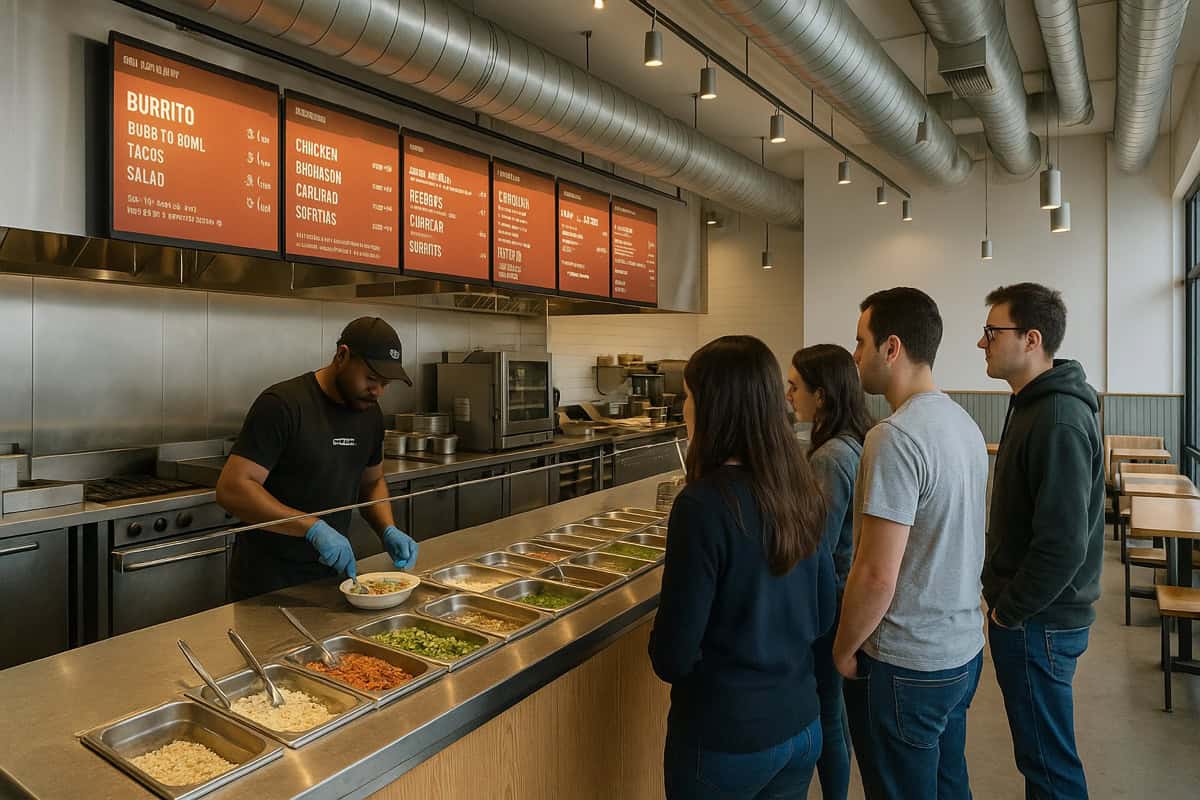
3. Chipotlane Drive-Thru Innovation — Pandemic-Proof Digital-First Format
Chipotle pioneered Chipotlane dedicated drive-thru lanes exclusively for mobile order pickup (NOT traditional order-at-speaker drive-thru like McDonald’s), creating digital-first off-premise dominance: (1) 70%+ new stores include Chipotlane (since 2020 rollout, Chipotle prioritizes format for all new construction, traditional dine-in-only format discontinued for most markets), (2) Mobile order pickup ONLY (customers must order via Chipotle app/website ahead, drive-thru lane for pickup exclusively, eliminates order-taking labor, streamlines operations, no menu boards/speakers needed), (3) +20% AUV premium vs traditional (Chipotlane locations $3.4-3.8M vs traditional $2.8-3.2M, dedicated lane adds $500K-600K incremental sales, higher order frequency consumers prefer convenience), (4) Off-premise 80%+ sales (Chipotlane locations vs traditional 70%, reduced dine-in seating, smaller footprint possible, lower rent per square foot), (5) Pandemic-proof resilience (COVID-19 proved off-premise essential, Chipotlane locations maintained sales while dine-in heavy struggled, format future-ready consumer behavior shift), (6) Operational efficiency (mobile order ahead = kitchen prep time, food ready when customer arrives, faster throughput vs traditional order-wait-pickup, labor optimization), (7) Real estate flexibility (Chipotlane smaller land footprint vs traditional drive-thru + dine-in, easier site acquisition, lower development cost, more locations feasible). Chipotlane = Chipotle competitive moat (proprietary format, competitors can’t replicate easily, digital-first infrastructure required, Chipotle 70%+ digital sales enables).
Chipotlane format advantages:
Operational benefits:
- Labor efficiency: No drive-thru order-takers (mobile order ahead eliminates labor, vs McDonald’s drive-thru speaker staffing)
- Kitchen prep time: Order ahead gives kitchen lead time (food ready when customer arrives, vs traditional rush orders)
- Throughput optimization: Faster pickup than dine-in (customers arrive, grab bag, leave < 2 minutes vs 8-10 min dine-in experience)
- Lower staffing: Chipotlane stores operate with fewer front-line employees (vs traditional order-counter heavy staffing)
Consumer behavior alignment:
- Digital-native millennials/Gen-Z: 70%+ Chipotle sales digital (mobile app, online ordering, younger demographics prefer convenience)
- Pandemic behavior shift: COVID-19 accelerated off-premise (consumers habituated to pickup/delivery, dine-in declining permanently)
- Order frequency increase: Chipotlane convenience = more frequent orders (2-3x/month vs 1-2x traditional dine-in friction)
- Subscription revenue: Chipotle Rewards loyalty (10M+ members, digital ordering drives repeat, higher lifetime value)
Real estate economics:
- Smaller land footprint: Chipotlane requires less land than traditional drive-thru + dine-in (0.75-1 acre vs 1-1.5 acres)
- Lower development cost: Simplified building design (less dine-in seating, smaller square footage possible, $2.5-3M vs $3.5-4M traditional)
- Higher sales per SF: $3.4-3.8M AUV ÷ 2,500 SF = $1,360-1,520 per SF (vs traditional $2,800-3,200M ÷ 2,800 SF = $1,000-1,140 per SF)
Investment implications:
- Target Chipotlane properties: +20% AUV premium ($3.4-3.8M vs traditional $2.8-3.2M) = stronger rent coverage
- Future-proof format: Aligns consumer behavior (digital-first, off-premise preference, pandemic-resilient)
- Resale value premium: Chipotlane locations command higher pricing (investors bid 25-50 bps lower caps for superior format)
- Verify in due diligence: Confirm drive-thru lane present (aerial photos, site visit, offering memorandum mentions “Chipotlane”)
Example: Villa Rica, GA Chipotle (2025 construction, Chipotlane format)
- Building: 2,325 SF modern design with dedicated drive-thru lane (mobile pickup only)
- Expected AUV: $3.4-3.8M (Chipotlane premium vs traditional, Atlanta metro strong demographics)
- Rent: $190K annually (5.0% cap on $3.8M price, 5-6% rent-to-sales ratio healthy)
- Format advantage: Off-premise 80%+ sales (pandemic-proof, digital-first alignment, future-ready)
4. Limited Supply Scarcity Pricing — 99% Company-Owned (Rare NNN Opportunities)
Chipotle operates 99%+ company-owned stores (unlike franchised competitors Wendy’s, Subway, Five Guys), creating NNN property scarcity: (1) Chipotle owns/operates locations (corporate control all stores, manages operations, invests capital directly, retains real estate vs franchisee ownership model), (2) Sale-leaseback occasional strategy (Chipotle occasionally sells owned real estate to investors, leases back from buyer creating NNN structure, unlocks capital for expansion while maintaining store operations), (3) Build-to-suit development partnerships (Chipotle signs 15-year corporate-guaranteed lease before construction, developer builds property, sells to investor upon completion, Chipotle operates as tenant), (4) Institutional competition when available (limited supply = bidding war, family offices, REITs, 1031 exchange investors compete, premium valuations result, 5.0% caps vs Wendy’s 6.0-7.0% franchisee-backed abundant supply), (5) No franchisee secondary market (vs Wendy’s/Subway where franchisees sell properties regularly creating abundant listings, Chipotle scarcity drives pricing power sellers). Limited supply + corporate guarantee + growth brand + Chipotlane innovation = premium valuations (5.0-5.5% caps reflect scarcity + credit quality).
Company-owned vs franchised model (supply implications):
| Brand | Operating Model | NNN Availability | Seller Type | Market Dynamics |
|---|---|---|---|---|
| Chipotle | 99% company-owned | RARE (sale-leaseback, build-to-suit only) | Chipotle corporate, developers | Scarcity = premium 5.0-5.5% caps |
| McDonald’s | 95% franchised | Common (franchisees sell regularly) | Individual operators | Abundant supply, 5.0-6.0% caps |
| Wendy’s | 95% franchised | Common | Individual operators | Abundant supply, 6.0-7.0% caps |
| Subway | 99% franchised | Very common | Individual operators | Oversupply, 6.5-7.5% caps |
| Starbucks | 60% company-owned | Moderate | Starbucks corporate, operators | Moderate supply, 5.0-6.0% caps |
Why limited supply increases valuations:
- Institutional bidding war: Rare Chipotle listings = multiple offers (family offices, REITs, 1031 investors compete, bid caps down)
- Scarcity premium: Investors pay lower caps (higher prices) for rare corporate-guaranteed Chipotle vs abundant Wendy’s
- Brand preference: Institutional investors prefer Chipotle growth story (vs McDonald’s mature, Wendy’s moderate, Subway declining)
- Long hold horizon: Corporate guarantee + growth brand = 10-20 year hold feasible (investors compete for scarce institutional-quality)
How Chipotle NNN properties become available:
1. Sale-leaseback transactions:
- Chipotle owns real estate → Sells to investor → Leases back 15-20 years corporate-guaranteed
- Why: Unlocks capital for expansion (sell property, free up cash, invest in new store growth)
- Investor benefit: Corporate-guaranteed lease, established location, proven sales history
- Typical structure: 5.0-5.5% cap, absolute NNN, 10% escalations every 5 years
2. Build-to-suit development:
- Developer acquires land → Chipotle signs 15-year lease before construction → Developer builds Chipotlane → Sells to investor upon completion
- Why: Chipotle expands without capital (developer funds construction, Chipotle operates as tenant)
- Investor benefit: Brand new construction, corporate-guaranteed lease, 15-20 year term, Chipotlane format
- Typical structure: 5.0-5.5% cap, absolute NNN, 10% escalations, 4x 5-year renewals
- Example: Villa Rica, GA (2025 construction, build-to-suit, $3.8M, 5.0% cap, Chipotlane)
3. Portfolio sale-leaseback:
- Chipotle sells 10-50 properties to REIT/institutional investor → Leases back all locations
- Why: Unlock large capital amount ($50M-200M transactions), reinvest in growth
- Investor benefit: Diversified portfolio, economies of scale, geographic spread
- Typical structure: Slight cap rate discount (4.75-5.25% for portfolio vs 5.0-5.5% single asset)
Investment strategy:
- Monitor build-to-suit opportunities: 2025-2026 Chipotle expanding +200-300 stores/year (Chipotlane format priority, many build-to-suit partnerships)
- Off-market relationships: American Net Lease developer partnerships (access build-to-suit before public market, less competition)
- Act quickly when available: Chipotle listings receive multiple offers within 48-72 hours (institutional competition intense, decisiveness required)
- Accept 5.0-5.5% caps: Premium pricing reflects scarcity + corporate guarantee + growth brand (vs Wendy’s 6.0-7.0% abundant franchisee-backed supply)
Chipotle Credit Strength & Financial Performance
Chipotle Mexican Grill Inc. Corporate Overview (NYSE: CMG, $80B+ Market Cap)
Corporate metrics (2024):
- Ownership: Publicly traded (NYSE: CMG since 2006, $80B+ market cap, S&P 500 component)
- Revenue: $11.3B (2024, +14% YoY growth, double-digit growth every year since 2021 turnaround)
- Same-store sales: +7.9% (2023, consistent comp growth, brand momentum strong, not declining)
- Store count: 3,800+ US, 4,000+ global (growing +200-300 net new stores/year, Chipotlane expansion focus)
- Operating model: 99%+ company-owned (corporate controls operations, invests capital directly, retains economics)
- Digital sales: 70%+ (mobile app, online ordering, delivery partnerships, industry-leading penetration)
- Loyalty program: 10M+ Chipotle Rewards members (repeat purchase frequency, subscription revenue potential)
Financial strength indicators:
- Market cap: $80B+ (larger than Yum! Brands $40B KFC/Taco Bell/Pizza Hut parent, Domino’s $12B, Wendy’s $3B)
- Institutional ownership: 90%+ (Vanguard, BlackRock, Fidelity top holders, institutional confidence high)
- Profitability: 15%+ restaurant-level margins (best-in-class fast-casual, operational efficiency strong)
- Balance sheet: Minimal debt (net cash position, strong liquidity, expansion self-funded via operations)
- Stock performance: +500% since 2020 lows (recovered from 2017-2019 food safety issues, growth trajectory resumed)
Credit rating analysis (not formally S&P rated but estimated BBB/BBB+ equivalent):
- Why unrated: Chipotle doesn’t issue public bonds (expansion funded via cash flow, no debt financing needed, no rating required)
- Estimated credit: BBB/BBB+ based on financial metrics (comparable Starbucks BBB+, Yum! Brands BBB, stronger than Wendy’s unrated)
- Institutional acceptability: BBB = investment-grade (family offices, trustees, fiduciaries approve for NNN portfolios)
- Lender confidence: 65-70% LTV typical (similar to Wendy’s 70-75%, McDonald’s 75-80%, lenders view Chipotle favorably)
Growth trajectory (2020-2024 turnaround success):
- 2017-2019 struggles: Food safety issues (E. coli, norovirus outbreaks damaged brand, sales declined, stock fell 60%)
- 2020 turnaround: New CEO Brian Niccol (ex-Taco Bell, appointed 2018), Chipotlane innovation, digital acceleration
- COVID-19 resilience: Off-premise model thrived (70%+ digital sales, Chipotlane locations outperformed, delivery partnerships)
- 2021-2024 momentum: Double-digit comp sales growth every year, 300+ new stores annually, stock +500%
Store-level economics (strong unit economics = rent coverage):
- AUV: $3.0-3.5M (highest fast-casual, Chipotlane $3.4-3.8M premium)
- Food costs: 28-30% (responsibly sourced ingredients premium, but pricing power offsets)
- Labor: 25-27% (efficient throughput 250-300 customers/hour, digital orders reduce counter labor)
- Occupancy: 6-8% (rent as % of sales, healthy range, supports landlord coverage)
- Restaurant-level profit: 15-18% (best-in-class fast-casual margins, $450K-630K EBITDA per store)
Why Chipotle Corporate Guarantee = Institutional-Grade Credit
Corporate guarantee structure creates landlord security:
- Chipotle Mexican Grill Inc. guarantees lease: $80B market cap, $11.3B revenue backs rent obligation (NOT franchisee LLC with $3M sales)
- Zero default risk: Even if individual store underperforms → Chipotle corporate continues paying rent (landlord receives 100% contracted income)
- Re-tenanting responsibility: If Chipotle abandons location → Corporate finds replacement tenant OR continues paying rent until lease expires (landlord protected)
- Comparable to best-in-class: Chipotle corporate guarantee = McDonald’s AA-, Chick-fil-A corporate, Starbucks BBB+ quality (institutional acceptable)
Investment implications:
- 5.0-5.5% cap rates fair compensation: Reflect investment-grade credit quality (premium 150-200 bps lower than franchisee-backed Wendy’s 6.0-7.0%)
- Sleep-at-night security: Chipotle $80B corporate backstop eliminates default concern (unlike franchisee-backed where operator bankruptcy = loss)
- Fiduciary acceptable: Family offices, trusts, institutional portfolios approve corporate-guaranteed Chipotle (meets investment-grade standards)
- Long hold feasible: 15-20 year lease + 4x 5-year renewals = 35-year potential income stream (corporate guarantee security enables long horizon)
Chipotlane Drive-Thru Innovation — The Future of Fast-Casual
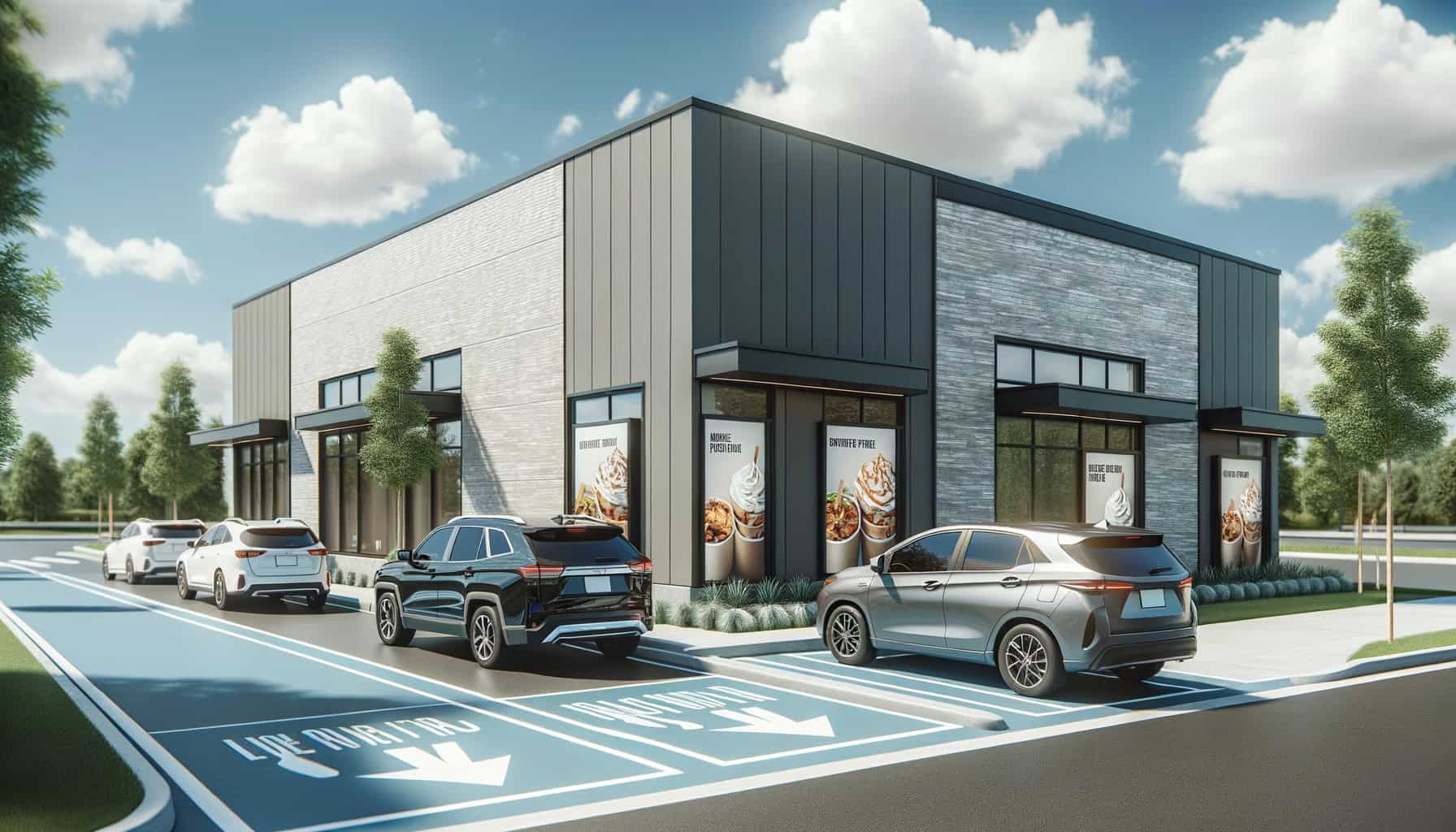
What is Chipotlane? (Mobile Pickup ONLY Drive-Thru)
Chipotlane represents Chipotle’s proprietary drive-thru innovation fundamentally different from traditional QSR drive-thru model (McDonald’s, Wendy’s, Taco Bell order-at-speaker format):
Key differences:
| Feature | Traditional Drive-Thru (McDonald’s) | Chipotlane (Chipotle) |
|---|---|---|
| Ordering | Order at speaker (menu board, employee takes order) | Order ahead ONLY (mobile app/website required) |
| Payment | Pay at window (cash, card, mobile) | Pre-paid online (no payment window) |
| Food prep | Start cooking after order placed (wait time) | Pre-made when customer arrives (ordered ahead) |
| Lane purpose | Order + pay + pickup (all-in-one) | Pickup ONLY (dedicated lane) |
| Staffing | Employee at speaker + payment window | Minimal (handoff only) |
| Throughput | 150-200 cars/hour (order wait bottleneck) | 250-300+ cars/hour (pre-ordered, faster) |
Why Chipotlane works (digital-first prerequisite):
- 70%+ digital sales: Chipotle customers already order mobile/online (vs McDonald’s 30-40% digital, Wendy’s 25-30%)
- Mobile app adoption: 10M+ Chipotle Rewards members (habituated to app ordering, Chipotlane natural extension)
- Order-ahead behavior: Customers comfortable ordering before arriving (vs traditional impulsive drive-thru)
- Kitchen lead time: Order ahead gives kitchen 10-15 minutes prep (food ready when customer pulls up, vs rush orders)
Chipotlane operational advantages:
Labor efficiency:
- No order-taker: Eliminates drive-thru speaker employee (vs McDonald’s dedicated order-taker position)
- No payment window: Pre-paid online (vs McDonald’s payment window cashier)
- Handoff only: Single employee hands bag through window (vs 2-3 employees traditional drive-thru)
- Lower staffing: Chipotlane stores operate 15-20% fewer front-line employees (vs traditional dine-in heavy)
Throughput optimization:
- Faster service: Pre-ordered food ready (customer arrives, grabs bag, leaves < 2 minutes)
- No wait time: Kitchen prepares ahead (vs traditional order-wait-cook-receive 8-10 minutes)
- Higher volume: 250-300+ cars/hour (vs traditional 150-200, throughput increase = revenue maximization)
Consumer behavior alignment:
- Digital-native millennials/Gen-Z: 60%+ Chipotle customers under 40 (mobile-first generation, app ordering natural)
- Pandemic shift: COVID-19 accelerated off-premise (consumers habituated to pickup/delivery, dine-in permanently reduced)
- Order frequency: Chipotlane convenience increases visits (2-3x/month vs 1-2x traditional dine-in friction)
- Loyalty program: Chipotle Rewards members order more frequently (app integration, points accumulation, free entrees)
Chipotlane +20% AUV Premium (Proven Performance Data)
Chipotle disclosed Chipotlane locations consistently deliver +20% AUV premium vs traditional format:
Traditional Chipotle format:
- AUV: $2.8-3.2M annually (dine-in + takeout + delivery)
- Off-premise: 70% sales (digital ordering, pickup/delivery, dine-in 30%)
- Real estate: Requires prime retail location (high foot traffic, visibility, parking, dine-in seating emphasis)
Chipotlane format:
- AUV: $3.4-3.8M annually (+$500K-600K incremental vs traditional, +20% premium!)
- Off-premise: 80%+ sales (Chipotlane drives mobile pickup, reduced dine-in dependency)
- Real estate: More flexible locations (smaller land footprint, less parking needed, drive-thru compensates lower foot traffic)
Why +20% AUV premium matters:
- Rent coverage stronger: $3.4M AUV supports $200K-300K rent (6-9% rent-to-sales healthy, vs $2.8M traditional 7-11% tighter)
- Store closure risk lower: Higher-volume locations don’t close (profitable, Chipotle invests maintaining success)
- Resale value premium: Chipotlane properties trade 25-50 bps lower caps (investors pay premium for superior format)
- Future-proof investment: Aligns consumer behavior shift (digital-first, off-premise preference, pandemic-resilient)
Investment strategy:
- Target Chipotlane properties exclusively: Verify drive-thru lane present (aerial photos, site visit, offering memorandum)
- Accept 5.0% caps: Chipotlane premium format justifies lower yields (vs traditional 5.25-5.5%, 25 bps savings reflects superior economics)
- Long-term hold: Chipotlane format = 15-20+ year durability (vs traditional dine-in declining, off-premise future)
Key Markets for Chipotle NNN Investment
Chipotle concentrates growth in major metros with affluent demographics, millennial/Gen-Z population density, and Chipotlane development pipeline:
1. California: 500+ Chipotle Stores (Largest US Market)
Why California dominant:
- Store count: 500+ Chipotle locations (Los Angeles 150+, San Francisco Bay Area 100+, San Diego 75+, Sacramento 50+)
- Demographics: 40M residents, highest median income $80K+, millennial/Gen-Z 40% population (Chipotle target demo)
- Brand birthplace: Chipotle West Coast expansion 1990s (brand familiarity, loyal customer base, heritage market)
- Premium pricing: California locations $14-16 burrito bowls (highest pricing power, supports AUV)
California Chipotle investment profile:
- Availability: Occasional sale-leaseback (Chipotle unlocks capital selling CA properties, leases back)
- Cap rates: 4.75-5.25% (California premium market, lower yields, institutional competition intense)
- Price range: $4M-6M (expensive land, prime retail corridors, corporate-guaranteed justifies high pricing)
- 1031 exchange: California sellers use 1031 to exit 13.3% state tax (buy out-of-state Chipotle, defer capital gains)
2. Texas: 300+ Chipotle Stores (Zero State Tax Growth Market)
Why Texas strong:
- Store count: 300+ Chipotle (Dallas 100+, Houston 80+, Austin 60+, San Antonio 40+)
- Zero state tax: No income tax (rental income advantage, 1031 destination)
- Population growth: +15% 2020-2025 (fastest-growing major state, suburban expansion, Chipotlane ideal)
- Affordability: $3M-4.5M properties (cheaper than California, better cash-on-cash returns)
Texas Chipotle investment profile:
- Cap rates: 5.0-5.5% (zero tax premium, institutional demand, but less competitive than California)
- Price range: $3M-4.5M (corporate-guaranteed, Chipotlane format)
- Top markets: Dallas, Austin, Houston (affluent suburbs, tech workers, millennial demographics)
3. Florida: 250+ Chipotle Stores (Zero State Tax, Retiree + Millennial Market)
Why Florida significant:
- Store count: 250+ Chipotle (Miami 70+, Tampa 50+, Orlando 50+, Jacksonville 30+)
- Zero state tax: No income tax (1031 destination, rental income advantage)
- Demographics: Mix retirees + millennials (Orlando theme parks, Tampa tech, Miami finance, diverse customer base)
- Growth: +12% population 2020-2025 (in-migration from high-tax states, suburban expansion)
Florida Chipotle investment profile:
- Cap rates: 5.0-5.5% (zero tax, hurricane insurance adds cost)
- Price range: $3.5M-5M (Miami expensive, Tampa/Orlando moderate)
- Hurricane: Wind mitigation insurance +$15K-20K/year (absolute NNN tenant-paid)
4. Atlanta MSA: 80+ Chipotle Stores (Major Metro Growth Hub)
Why Atlanta important:
- Store count: 80+ Chipotle (Atlanta metro 6.3M population, suburban growth, corporate headquarters concentration)
- Villa Rica example: Brand new 2025 construction (Chipotlane, $3.8M, 5.0% cap, corporate-guaranteed)
- Growth: +10% population 2020-2025 (Fortune 500 relocations, logistics hub, millennial in-migration)
- Affordability: $3M-4M properties (cheaper than coastal markets, strong demographics support)
Atlanta Chipotle investment profile:
- Cap rates: 5.0-5.25% (major metro, institutional demand, Georgia 5.75% state tax moderate)
- Villa Rica case study: $3.8M price, 5.0% cap, $190K NOI, brand new Chipotlane (ideal institutional investment)
Chipotle NNN Property Case Study — Villa Rica (Atlanta), Georgia
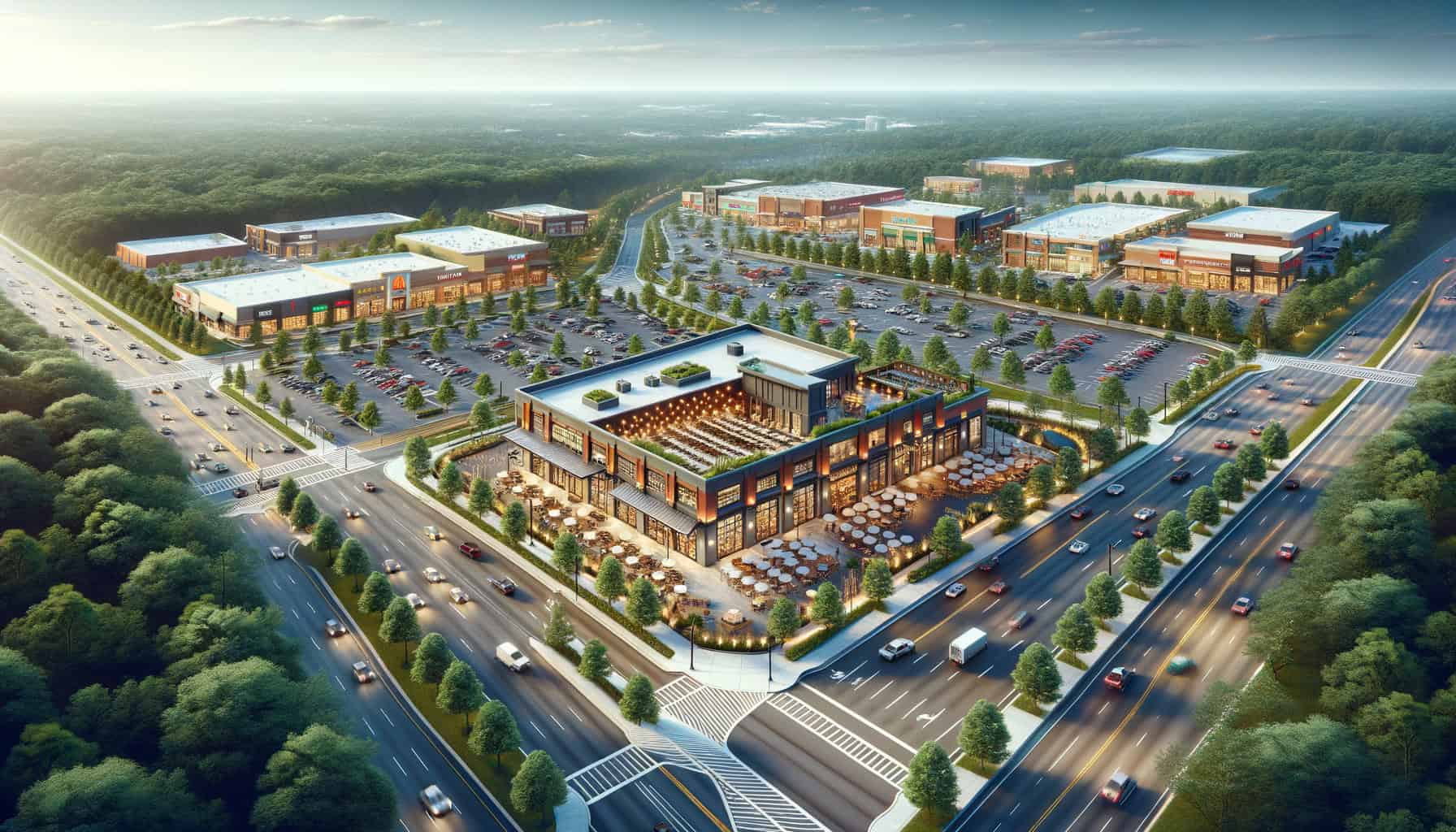
Example: Brand New 2025 Chipotlane Construction — Corporate-Guaranteed Institutional Investment
Property details:
- Location: Villa Rica, Georgia (Atlanta MSA, 35 miles west downtown, Carroll County, fast-growing suburb)
- Address: 147 Commerce Dr, Villa Rica, GA 30180 (Highway 61 + Interstate 20, 106,000+ combined daily traffic)
- Building: 2,325 SF standalone freestanding (brand new 2025 construction, modern Chipotlane format, dedicated drive-thru lane mobile pickup)
- Lot: 33,541 SF (0.77 acres, pad site, dedicated parking)
- Format: Chipotlane drive-thru (mobile order pickup ONLY, 70%+ digital sales, +20% AUV premium vs traditional)
Lease structure:
- Lease type: Absolute NNN (tenant pays ALL expenses, landlord ZERO responsibilities, roof/structure tenant-paid)
- Guarantor: Chipotle Mexican Grill Inc. corporate guarantee (NYSE: CMG, $80B+ market cap, NOT franchisee!)
- Lease term: 15 years (expires August 31, 2040, commenced September 1, 2025)
- Rent: $190,000 annually ($15,833.33 monthly, $81.72 per SF annually)
- Escalations: 10% every 5 years (Years 6-10: $209K, Years 11-15: $229.9K, consistent cash flow growth)
- Renewal options: 4x 5-year renewals (15-year initial + 20-year renewals = 35-year potential income stream)
Tenant performance:
- Operator: Chipotle Inc. company-owned (corporate operates store directly, NOT franchisee, institutional-grade credit)
- Expected AUV: $3.4-3.8M annually (Chipotlane format +20% premium, Atlanta metro strong demographics, Villa Rica growth)
- Store opening: September 2025 (brand new construction, modern build, 15-year lease commences upon opening)
- Rent-to-sales ratio: 5.0-5.6% ($190K rent ÷ $3.4-3.8M AUV = healthy 5-6% coverage, Chipotle profits $500K-600K+ EBITDA)
Location characteristics:
- Traffic: 106,000+ combined daily vehicles (Highway 61: 30,000 VPD, Interstate 20: 76,200 VPD, high visibility)
- Demographics: 125,000+ residents within 10 miles (average HH income $88K, population +10% growth 2025-2029)
- Surrounding retailers: Walmart, Publix, Starbucks, Chick-fil-A, McDonald’s, CVS, Walgreens (A+ retail corridor)
- Residential growth: 600+ new housing units nearby (The Dorsey by Alta, Rivershire Place, Arbor Bend developments)
- Employment: Tanner Health Medical Center, Sam’s Club Distribution, Wellstar Health, Sugar Foods, Sunbelt Rentals (daytime population density)
Investment metrics:
- Purchase price: $3,800,000
- Cap rate: 5.00% ($190,000 NOI / $3,800,000 price)
- Cash-on-cash return: 4.0% unleveraged (after closing costs ~$3,900K effective basis)
- Financing: 70% LTV available ($2,660K loan @ 7.5% interest 25-year amortization, $2,532/month = $30,384/year debt service)
- Down payment: $1,140K (30% equity)
- Leveraged cash flow: $159,616 ($190K NOI – $30,384 debt service)
- Leveraged return: 14.0% cash-on-cash ($159,616 / $1,140K down payment)
- Debt coverage ratio: 6.25x ($190K NOI / $30,384 debt service, extremely strong coverage!)
Why this investment works:
Corporate guarantee security:
- Chipotle Inc. $80B market cap: Backs lease (zero landlord risk, corporate continues paying rent even if store closes)
- Zero recourse concern: If store underperforms → Chipotle corporate pays rent (landlord receives 100% income guaranteed)
- Institutional-grade credit: Comparable McDonald’s AA-, Starbucks BBB+ (fiduciary acceptable, family office approved)
Chipotlane format premium:
- Brand new 2025 construction: Modern design, 15-year lease, NO deferred maintenance
- Dedicated drive-thru lane: +20% AUV premium ($3.4-3.8M vs traditional $2.8-3.2M, stronger rent coverage)
- Digital-first format: 70%+ sales mobile/online (pandemic-proof, consumer behavior aligned, future-ready)
- Off-premise 80%+ sales: Reduced dine-in dependency (Chipotlane format resilient vs traditional vulnerable)
Atlanta MSA growth market:
- Population +10% 2025-2029: 125K → 139K residents 10-mile radius (suburban expansion, new housing 600+ units)
- Average HH income $88K: Affluent demographics (Chipotle $12-15 burritos, premium pricing sustainable)
- A+ retail corridor: Walmart/Publix anchors (stable traffic generators, Chipot
le benefits co-tenancy)
- Highway 61 + I-20 access: 106,000+ daily traffic (high visibility, convenient access, drive-thru optimized)
Rent escalations growth:
- Years 1-5: $190K annually (5.0% cap)
- Years 6-10: $209K (+10% bump = $209K, 5.5% cap on cost)
- Years 11-15: $229.9K (+10% bump = $229.9K, 6.05% cap on cost)
- Option Years 16-20: $252.89K (+10% = $252.89K, 6.65% cap on cost)
- Cash flow growth: 33% income increase over 20 years (inflation hedge, escalating rent)
Risks to acknowledge:
- 5.0% cap low yield: Reflects corporate guarantee premium (vs Wendy’s 6.0-7.0% franchisee-backed higher yields)
- Levered returns sensitive: 14.0% leveraged assumes 70% LTV @ 7.5% (if rates rise to 8.5% → 11.8% return)
- Store performance unknowable: Brand new location, no sales history (expected $3.4-3.8M AUV, but corporate guarantee protects if underperforms)
- Exit cap rate risk: If sell Year 10 @ 5.5% cap (50 bps expansion) → $3.8M purchase price flat (but 10 years income + principal paydown + cash flow = positive total return)
1031 exchange scenario:
- Investor profile: California investor selling $5M Los Angeles apartment building (13.3% state tax, depreciation recapture, active management burden)
- Exchange strategy: 1031 into Villa Rica Chipotle $3.8M (zero landlord work, corporate-guaranteed income, Georgia 5.75% state tax vs CA 13.3%)
- Tax benefits: Defer $1.2M capital gains (CA high-tax), reduce future state tax 740 bps (GA 5.75% vs CA 13.3% = 7.45% savings on $190K rent = $14K/year)
- Income: $190K Chipotle NOI (vs $200K apartment, slightly lower BUT zero landlord calls, corporate-guaranteed security, absolute NNN)
- Management: ZERO landlord work (Chipotle corporate pays ALL expenses, vs apartment tenant calls, maintenance, turnover)
- Quality of life: Mailbox money passive income (corporate-guaranteed, vs active landlord apartment headaches)
Exit strategy (10 years):
- Rent Year 10: $209,000 (Years 6-10 rent post-10% escalation Year 6)
- Cap rate at sale: 5.25% (assume slight cap expansion from 5.0%, conservative)
- Sale price Year 10: $3,981K ($209K / 5.25% cap)
- Gain on sale: $181K ($3,981K sale – $3,800K purchase)
- Total return: 5.0% annual income + 0.5% annual appreciation = ~5.5% total return unleveraged (conservative, institutional-acceptable)
- Leveraged total return: 14.0% cash-on-cash income + principal paydown + modest appreciation = 16-18% total return leveraged
How to Evaluate Chipotle NNN Properties
1. CRITICAL: Verify Corporate Guarantee (NOT Franchisee)
Most important due diligence for Chipotle (corporate vs franchisee guarantee):
Chipotle operates 99%+ company-owned stores BUT occasionally franchises internationally, creating critical lease guarantee verification:
Verify corporate guarantee structure:
- Review lease document: Guarantor section must state “Chipotle Mexican Grill Inc.” (NYSE: CMG corporate entity)
- Confirm operating entity: Tenant should be Chipotle subsidiary (Chipotle Services LLC, Chipotle Mexican Grill of Colorado, etc. wholly-owned)
- Absolute corporate guarantee: “Chipotle Mexican Grill Inc. unconditionally guarantees all tenant obligations” (explicit language required)
- NOT franchisee: Verify tenant NOT franchisee LLC (if “ABC Chipotle Franchising LLC” → RED FLAG, franchisee-backed NOT corporate!)
Why corporate guarantee verification matters:
- Credit quality: Chipotle Inc. $80B market cap (vs franchisee $3-5M sales, 10,000x stronger credit!)
- Default risk: Corporate guarantee = zero landlord risk (vs franchisee bankruptcy = loss)
- Cap rate justification: 5.0-5.5% caps ONLY justified if corporate-guaranteed (franchisee-backed should trade 6.0-7.0% like Wendy’s)
- Resale value: Corporate-guaranteed Chipotle = institutional acceptable (franchisee-backed = limited buyer pool, harder exit)
Red flags suggesting franchisee-backed lease:
- International location: Chipotle franchises outside US (Canada, Europe, Middle East = franchisee-operated, NOT corporate-guaranteed)
- Lower cap rate: If Chipotle offered at 6.0%+ cap → investigate (may be franchisee-backed, NOT corporate)
- Lease guarantor vague: If lease doesn’t explicitly state “Chipotle Mexican Grill Inc.” → request clarification
- Airport/non-traditional: Some US airport locations franchised (HMSHost operates, NOT Chipotle corporate)
Investment decision: ONLY buy corporate-guaranteed Chipotle (verify lease explicitly states Chipotle Mexican Grill Inc. guarantees, 99%+ US locations qualify, but ALWAYS confirm!).
2. Confirm Chipotlane Drive-Thru Format (+20% AUV Premium Target)
Chipotlane format assessment:
Verify drive-thru lane present:
- Aerial photos: Google Maps satellite view (dedicated drive-thru lane visible wrapping building)
- Site visit: Physical inspection (Chipotlane lane marked “Mobile Order Pickup ONLY”)
- Offering memorandum: Broker listing mentions “Chipotlane drive-thru” (if absent, ask broker to confirm)
- Building plans: Site plan shows drive-thru lane configuration
Chipotlane vs traditional format (economic implications):
| Format | AUV | Off-Premise Sales | Real Estate | Investment Preference |
|---|---|---|---|---|
| Chipotlane | $3.4-3.8M (+20% premium!) | 80%+ (drive-thru pickup dominates) | Smaller footprint (0.75-1 acre) | TARGET (superior economics) |
| Traditional | $2.8-3.2M | 70% (pickup + delivery) | Larger (1-1.5 acres dine-in parking) | Accept (but Chipotlane preferred) |
Why Chipotlane format superior investment:
- +20% AUV premium: $3.4-3.8M vs traditional $2.8-3.2M (stronger rent coverage, lower default risk)
- Future-proof: Digital-first format aligns consumer behavior (off-premise preference, pandemic-resilient)
- Resale value: Chipotlane properties trade 25-50 bps lower caps (investors pay premium for superior format)
- Growth format: 70%+ new Chipotle stores include Chipotlane (traditional dine-in-only discontinued most markets)
Investment strategy:
- Target Chipotlane exclusively: Verify drive-thru lane present (if traditional format, negotiate 25-50 bps higher cap to compensate inferior economics)
- Brand new construction preferred: 2024-2025 build-to-suit = Chipotlane format standard (older 2010-2015 properties likely traditional)
3. Analyze Lease Terms & Rent Escalations
Key lease provisions:
- Lease type: Absolute NNN (tenant pays ALL expenses, landlord ZERO responsibilities, roof/structure tenant-paid)
- Lease term: 15-20 years initial (verify remaining, 10+ years remaining optimal for resale)
- Rent escalations: 10% every 5 years OR 1.5-2% annually (inflation protection, cash flow growth)
- Renewal options: 4x 5-year renewals typical (15-20 initial + 20 renewal = 35-40 year potential)
- Guarantor: Chipotle Mexican Grill Inc. (verify corporate, NOT franchisee!)
- Right of first refusal: Typically NO (Chipotle doesn’t get purchase option, investor controls sale)
Rent escalation preference:
- Target: 10% every 5 years (Villa Rica structure, predictable jumps, 33% income growth over 20 years)
- Accept: 1.5-2% annual escalations (smoother growth, better inflation hedge, but lower total increase)
- Avoid: Zero escalations (rare, but if exists negotiate lower purchase price to compensate)
Lease term considerations:
- Brand new 2025 construction: 15-year initial = expires 2040 (optimal, full lease term remaining)
- Existing 2018 property: May have 11-12 years remaining (verify term, shorter = slightly lower resale value)
- Renewal options value: 4x 5-year renewals = potential 35-40 year income stream (institutional hold horizon)
4. Assess Location Quality & Demographics
Site location criteria:
- Traffic counts: 25,000+ daily vehicles minimum (Chipotlane drive-thru optimized for high-traffic corridors)
- Visibility: Road-fronting signage (Chipotle prominent, not hidden behind buildings)
- Access: Easy ingress/egress (dedicated turn lanes, traffic light, multiple entry points)
- Co-tenancy: A+ retail corridor (Walmart, Target, Starbucks, Chick-fil-A, McDonald’s surrounding)
Demographic assessment:
- Population density: 75,000+ residents 10-mile radius (Chipotle needs critical mass)
- Average HH income: $75K+ (Chipotle $12-15 burritos = premium pricing requires affluent trade area)
- Age demographics: Millennial/Gen-Z 40%+ (18-40 age group = Chipotle core customer, digital-native)
- Growth: Population +5% next 5 years (expanding suburbs, new housing developments support)
Competitive landscape:
- Fast-casual competitors: Map Panera, Sweetgreen, Cava nearby (oversaturated = concern, but Chipotle dominant)
- QSR competition: McDonald’s, Wendy’s, Taco Bell (QSR not direct threat, different price point $7-9 vs Chipotle $12-15)
- Other Chipotle locations: 3-5 mile radius typical (Chipotle clusters stores, not concerned cannibalization)
Investment implications:
- Target major metros: California, Texas, Florida, Atlanta, Denver, Chicago (affluent suburbs, millennial density, Chipotle strongholds)
- Accept secondary markets: IF strong demographics (75K+ population, $75K+ income, 5%+ growth, A+ retail corridor)
- Avoid tertiary/rural: Chipotle performs poorly in small towns (<50K population, lower incomes, insufficient density)
5. Evaluate Build-to-Suit vs Existing Properties
Build-to-suit advantages (brand new construction):
- Zero deferred maintenance: 2025 construction = no roof/HVAC/parking lot repairs needed 10-15 years
- Full lease term: 15-20 years initial (vs existing property 10-12 years remaining, longer income stream)
- Chipotlane format: 2024-2025 construction = Chipotlane standard (+20% AUV premium vs older traditional)
- Modern design: Energy-efficient, ADA compliant, updated branding (vs older 2010-2015 dated aesthetics)
Existing property considerations:
- Building age: 2015-2020 properties = 5-10 years old (verify condition, deferred maintenance risk moderate)
- Remaining lease term: May have 10-12 years left (vs brand new 15-20, shorter = slightly lower resale value)
- Format: Older properties likely traditional (no Chipotlane, $2.8-3.2M AUV vs $3.4-3.8M, inferior economics)
- Rent: Existing leases may have lower rent (vs brand new market rates, affects cap rate calculation)
Investment strategy:
- Prefer build-to-suit 2024-2025: Brand new Chipotlane, full 15-20 year term, zero maintenance, +20% AUV premium
- Accept existing 2018-2020: IF Chipotlane format, well-maintained, 12+ years remaining, rent market-rate
- Avoid pre-2015: Traditional format, 50%+ lease term expired, deferred maintenance risk, inferior AUV
Frequently Asked Questions (FAQs)
Why are Chipotle cap rates lower than Wendy’s or other fast-casual?
Chipotle NNN properties trade at 5.0-5.5% cap rates (150-200 bps lower than Wendy’s 6.0-7.0%, 100-150 bps lower than Panera 5.5-6.5%) due to five key premium factors: (1) Corporate guarantee security (Chipotle Mexican Grill Inc. $80B+ market cap guarantees lease, NOT franchisee-dependent like Wendy’s 95% franchised/Subway 99% franchised, zero landlord recourse risk if store closes, corporate continues paying rent), (2) Investment-grade quality credit (Chipotle estimated BBB/BBB+ equivalent based on financials, comparable Starbucks BBB+/McDonald’s AA-, institutional fiduciary acceptable for family offices/trusts/NNN portfolios), (3) Highest AUV in fast-casual ($3.0-3.5M average, Chipotlane $3.4-3.8M premium, 3x Wendy’s $1.9M, 6x Subway $450K, stronger rent coverage supports lower cap rate), (4) Growth brand momentum (double-digit comp sales growth every year 2021-2024, 300+ new stores annually, $80B market cap +500% since 2020, vs Wendy’s flat, Subway declining -7,000 closures), (5) Limited supply scarcity pricing (99%+ company-owned stores, Chipotle rarely sells NNN properties, institutional bidding war when available creates premium valuations, vs abundant franchisee-backed Wendy’s/Subway listings). 5.0-5.5% cap rates fairly compensate for corporate-guaranteed security (investors accept 150-200 bps lower yield for zero default risk, institutional-grade credit, best-in-class fast-casual economics, growth brand). Comparison: Chipotle 5.0-5.5% corporate-guaranteed = McDonald’s 5.0-6.0% AA- corporate, Chick-fil-A 4.0-5.0% private corporate (similar institutional-quality credit structures, vs Wendy’s 6.0-7.0% franchisee-backed requires 100-150 bps yield premium compensating individual operator bankruptcy risk, Subway 6.5-7.5% even higher risk premium).
How rare are Chipotle NNN properties to buy?
Chipotle NNN properties are EXTREMELY RARE investment opportunities due to 99%+ company-owned operating model creating limited supply: (1) Chipotle owns/operates stores directly (unlike McDonald’s 95% franchised, Wendy’s 95%, Subway 99% where franchisees regularly sell properties creating abundant NNN market, Chipotle corporate controls all locations retaining real estate), (2) Only sale-leaseback or build-to-suit available (Chipotle occasionally sells owned properties to investors + leases back creating NNN structure unlocking capital for expansion, OR signs 15-20 year lease before construction on build-to-suit development deals), (3) Institutional competition intense when listed (limited supply = bidding war, family offices/REITs/1031 investors compete within 48-72 hours, premium valuations 4.75-5.5% caps result), (4) Estimated 50-100 properties/year nationwide (vs 500+ Wendy’s, 1,000+ Subway franchisee-backed listings annually, Chipotle 10-20x less available creating scarcity). How to access rare Chipotle opportunities: (1) Off-market developer relationships (American Net Lease partners with Chipotle-approved developers on build-to-suit projects, access before public market listing, reduced institutional competition), (2) Sale-leaseback monitoring (Chipotle corporate occasionally sells 5-20 property portfolios to REITs, American Net Lease tracks these transactions alerting clients), (3) Act decisively when available (Chipotle listings receive multiple offers 24-48 hours, slow decision-makers lose to institutional competitors, pre-approved financing/1031 exchange preparation critical). Scarcity drives premium pricing: Limited supply + corporate guarantee + growth brand + Chipotlane innovation = 5.0-5.5% cap rates (investors accept lower yields for rare institutional-quality opportunity, vs abundant franchisee-backed Wendy’s/Subway commanding 6.0-7.5% caps higher availability).
What’s the minimum investment for Chipotle NNN properties?
Chipotle NNN properties typically require $3M-6M+ capital investment creating high barrier to entry limiting buyer pool to institutional/high-net-worth investors: (1) Typical price range: $3M-4.5M (secondary markets Texas/Florida/Atlanta), $4M-6M+ (California/major metros, premium corridors), (2) All-cash required common (institutional investors family offices/REITs often pay cash, lenders cautious 65-70% LTV maximum corporate-guaranteed Chipotle vs 70-75% Wendy’s franchisee-backed), (3) Down payment if financing: $900K-1.8M (30% down typical, 70% LTV max, lenders require strong borrower credit/experience), (4) Closing costs: $30K-60K (title insurance, legal, due diligence, lender fees add 1-1.5% purchase price). Why $3M+ minimum: (1) Corporate-guaranteed scarcity pricing (limited Chipotle supply + institutional competition = premium valuations, vs Wendy’s $2.5-3.5M franchisee-backed more affordable), (2) Brand new Chipotlane construction cost ($2.5-3M development cost, land $500K-1M, investor pays $3.5-5M total reflecting build-to-suit investment), (3) Prime real estate locations (Chipotle targets A+ corridors high traffic, expensive land, vs Wendy’s B-grade secondary sites cheaper). Financing challenges: (1) Lenders cautious corporate-guaranteed (65-70% LTV Chipotle vs 70-75% Wendy’s franchisee-backed, lenders paradoxically prefer franchisee recourse vs corporate no-recourse structure), (2) Strong borrower profile required (lenders require $5M+ net worth, 700+ credit, NNN investment experience for $3-5M Chipotle loan), (3) All-cash competitive advantage (cash buyers close faster 30 days vs 45-60 financed, win bidding wars institutional competition). Investment implications: Chipotle NNN = institutional-grade investment requiring $3M-6M+ capital (high barrier excludes small investors, targets family offices/experienced NNN portfolios/1031 exchange $3M+ proceeds, NOT entry-level $500K-1M Wendy’s/Subway franchisee-backed alternative).
Chipotlane vs traditional Chipotle — does format matter for NNN investment?
YES — Chipotlane format CRITICALLY matters providing +20% AUV premium, superior rent coverage, future-proof design, and resale value advantage: (1) +$500K-600K incremental annual sales (Chipotlane $3.4-3.8M AUV vs traditional $2.8-3.2M, +20% proven by Chipotle disclosed data, dedicated drive-thru mobile pickup lane adds off-premise volume), (2) Stronger rent coverage (5.0-5.6% rent-to-sales healthy Chipotlane vs 6.0-6.8% traditional tighter margins, Chipotle profits $500K-600K+ EBITDA stronger operator), (3) Off-premise 80%+ sales (Chipotlane locations vs traditional 70%, reduced dine-in dependency, pandemic-proof resilience, consumer behavior aligned digital-first format), (4) Future-proof investment (70%+ new Chipotle stores include Chipotlane since 2020, traditional dine-in-only format discontinued most markets, Chipotlane = growth format vs traditional declining relevance), (5) Resale value premium (Chipotlane properties trade 25-50 bps lower caps investor preference, $3.8M Chipotlane @ 5.0% cap vs equivalent traditional @ 5.25-5.5% reflecting superior economics). Chipotlane identification: (1) Aerial photos: Google Maps satellite view shows dedicated drive-thru lane wrapping building (vs traditional no drive-thru), (2) Offering memorandum: Broker listing mentions “Chipotlane drive-thru” explicitly, (3) Site visit: Physical inspection verifies lane marked “Mobile Order Pickup ONLY” signage, (4) Construction year: 2020+ properties likely Chipotlane (70%+ new builds include format vs pre-2020 traditional dominant). Investment decision: Target Chipotlane format exclusively (verify drive-thru lane present before purchasing, +20% AUV premium = stronger rent coverage + future-proof + resale advantage justifies targeting, if traditional format offered → negotiate 25-50 bps higher cap compensating inferior economics, $3.8M @ 5.0% Chipotlane vs $3.6M @ 5.25-5.5% traditional equivalent value).
How does Chipotle compare to McDonald’s for NNN investment?
Chipotle vs McDonald’s NNN comparison reveals similar corporate guarantee credit quality with different risk/return profiles:
Similarities (both institutional-grade):
- Corporate guaranteed: Chipotle Inc. $80B / McDonald’s Corp $200B+ (both guarantee leases, zero franchisee default risk)
- Investment-grade credit: Chipotle estimated BBB/BBB+, McDonald’s AA- S&P rated (both institutional fiduciary acceptable)
- Cap rates premium pricing: Chipotle 5.0-5.5%, McDonald’s 5.0-6.0% (both trade 150-200 bps lower than franchisee-backed Wendy’s 6.0-7.0%)
- Limited NNN supply: Both 95-99% company-owned (rarely sell properties, scarcity drives institutional competition)
Key differences (growth vs stability):
| Factor | Chipotle | McDonald’s | Advantage |
|---|---|---|---|
| Growth trajectory | +200-300 stores/year, double-digit comps | Flat footprint, low-single-digit comps | Chipotle (growth upside) |
| AUV | $3.0-3.5M ($3.4-3.8M Chipotlane) | $3.2M+ average | Chipotle (Chipotlane premium) |
| Credit rating | Estimated BBB/BBB+ (unrated) | AA- S&P rated | McDonald’s (proven credit) |
| Brand maturity | Growth phase (3,800 stores, runway to 7,000+) | Mature (13,000 US stores, saturated) | Chipotle (expansion potential) |
| Supply availability | 50-100 properties/year (RARE) | 200-300 properties/year (moderate) | McDonald’s (easier access) |
| Cap rates | 5.0-5.5% | 5.0-6.0% | Similar (both premium) |
| Digital leadership | 70%+ sales digital (industry-leading) | 40% sales digital (growing) | Chipotle (digital-first) |
| Format innovation | Chipotlane proprietary (+20% AUV) | Traditional drive-thru mature | Chipotle (Chipotlane moat) |
Investment decision framework:
Choose Chipotle IF:
- Seeking growth brand exposure (3,800 → 7,000 stores potential, double-digit comps, $80B market cap +500% since 2020)
- Prefer digital-first model (70%+ sales mobile/online, Chipotlane proprietary, future-proof format)
- Accept limited supply scarcity (rare opportunities 50-100/year, act decisively when available)
- Target millennial/Gen-Z brand (sustainability “Food with Integrity,” ethical appeal, younger demographic loyalty)
Choose McDonald’s IF:
- Prioritize proven credit rating (AA- S&P rated vs Chipotle estimated BBB/BBB+, fiduciary preference)
- Prefer mature stable brand (13,000 US stores, 70+ year operating history, recession-tested)
- Need easier availability (200-300 properties/year vs Chipotle 50-100, more opportunities)
- Value global scale (40,000 worldwide vs Chipotle 4,000, diversification breadth)
Portfolio strategy: Buy BOTH (McDonald’s 50% stability anchor + Chipotle 50% growth component = balanced fast-casual NNN portfolio, corporate-guaranteed security both, risk-adjusted diversification).
Ready to Invest in Chipotle NNN Properties?
American Net Lease specializes in sourcing rare Chipotle corporate-guaranteed NNN opportunities through exclusive off-market developer partnerships and institutional relationships. Our buyer representation model ensures your interests come first, with expert due diligence on corporate guarantee verification (Chipotle Inc. $80B market cap confirms, NOT franchisee, lease document review), Chipotlane format assessment (+20% AUV premium confirmation, drive-thru lane verification, digital sales analysis), build-to-suit development access (2025-2026 construction pipeline, brand new Chipotlane properties before public market, reduced institutional competition), lease structures, and competitive financing coordination (65-70% LTV lenders, strong borrower profile positioning).
Benefits of working with American Net Lease:
✅ Buyer representation only — We represent YOU, not sellers/brokers (no conflicts, fiduciary duty)
✅ Off-market developer access — Exclusive build-to-suit relationships (Chipotlane properties before public listing, less competition)
✅ Corporate guarantee verification — Confirm Chipotle Inc. guarantees lease (NOT franchisee, institutional-grade credit security)
✅ Chipotlane format targeting — Prioritize +20% AUV premium locations (drive-thru lane verification, digital-first format)
✅ Sale-leaseback monitoring — Track Chipotle corporate portfolio transactions (alert clients rare opportunities 24-48 hours)
✅ Fast decision support — Institutional competition demands speed (pre-approved financing, 1031 exchange coordination, 48-hour decisiveness)
✅ Honest scarcity discussion — Transparent about limited supply (50-100 properties/year, not overpromising availability)
Browse current Chipotle NNN opportunities or schedule institutional consultation:
📞 Call or Text: 239.236.2626
📧 Email: View Chipotle NNN Listings
📄 Download: Corporate-Guaranteed Fast-Casual Investment Guide