
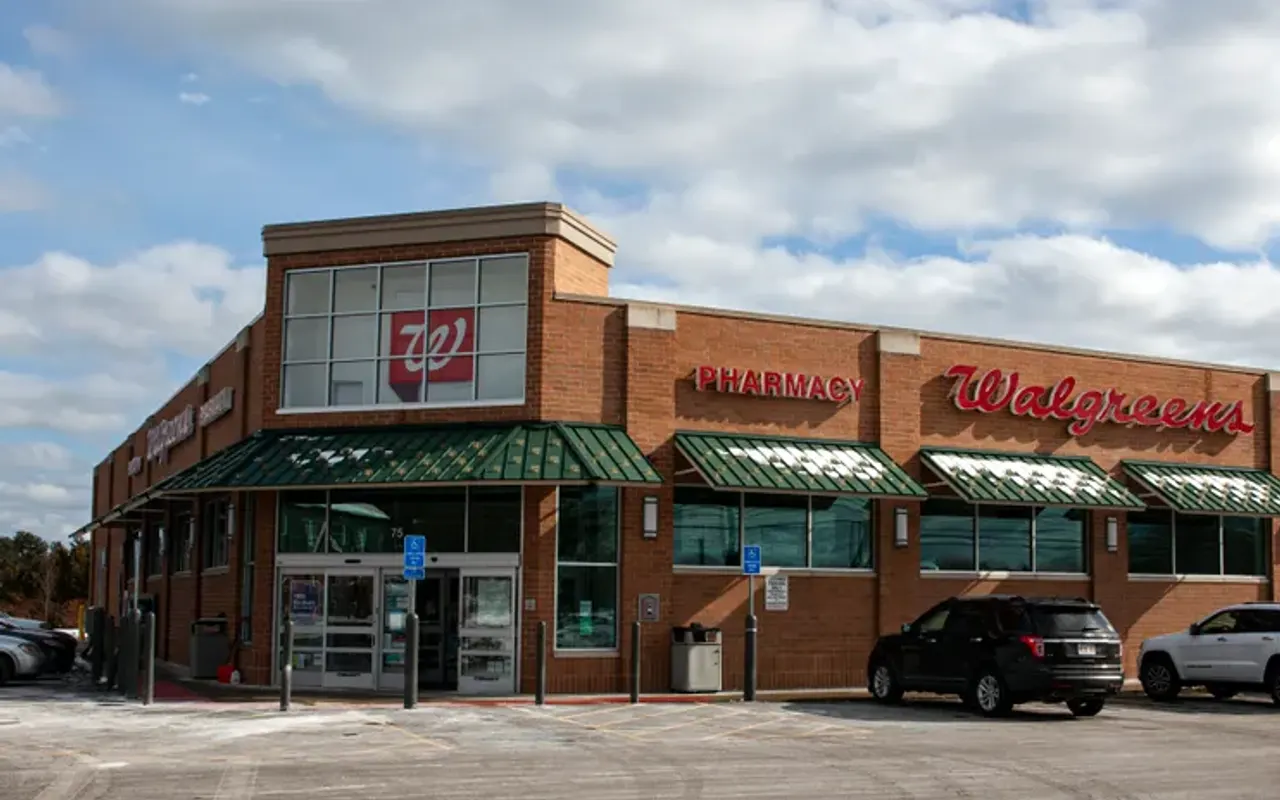
Walgreens NNN Properties for Sale
Walgreens is net lease's referendum on underwriting discipline. Nearly 8,000 U.S. drugstores on some of the best hard corners in retail, absolute-net leases with zero landlord duties — and a decade of reimbursement pressure, closure programs, and a 2025 take-private that moved the credit from blue-chip to leveraged-buyout paper. The result: real 6.5%+ yields on infrastructure-quality real estate, for buyers who can separate the fortress stores from the walking dead.
Quick Facts
- Typical cap range
- 6.00–7.50%
- Lease type
- Absolute NNN
- Typical term
- Varies — price to first termination right
- Credit
- Corporate — private under Sycamore Partners since 2025; agency ratings withdrawn
- Guarantee
- Walgreen Co.
Walgreens Listings
Listing information is deemed reliable but not guaranteed — pricing, cap rates, and lease terms are subject to change, prior sale, or withdrawal without notice.
Get off-market Walgreens deals
Lease structure
Legacy paper dominates: absolute-net leases with 75-year stated terms, flat rent, and tenant termination options beginning around year 20–25, then every five years. Newer extensions and relocations look conventional — 10–15 year firm terms, occasional escalations. Everything operational belongs to the tenant, including roof and structure; the landlord's only job is tracking the option calendar. The firm-term date drives every dollar of value: mark it, price to it, and treat years beyond it as option value you shouldn't pay much for.
Credit and guarantee
Walgreen Co. — under Walgreens Boots Alliance, taken private by Sycamore Partners in 2025 — still runs one of America's two dominant pharmacy networks, filling prescriptions for millions weekly. Private ownership means your credit review now reads like leveraged-loan analysis: substantial secured debt ahead of trade obligations, sponsor incentives to shed weak stores faster, and no public financials between closings. The operational core (script volume, VillageMD unwind, front-end rationalization) matters because it decides which leases the sponsor fights to keep.
What drives cap rates
Firm term remaining is the axis — a 12-year firm deal and a 3-year firm deal on identical corners can trade 150 basis points apart. Then store quality: script-volume proxies, drive-thru, closure-list history, and whether the trade area absorbed a Rite Aid or CVS exit. Then rent: legacy $25-per-foot rents on 1990s sales assumptions leave no re-lease cushion, while sub-$18 deals in strong corridors approach land-value pricing. Flat rent for decades is standard, so the going-in yield must carry the whole return.
Buyer criteria and red flags
Buy firm term, corner quality, and low rent basis; treat everything else as upside. Insist on the full lease with all amendments — termination provisions occasionally moved in extensions — plus estoppels confirming no exercised options. Red flags: a sibling store within two miles in a shrinking metro, deferred maintenance visible from the parking lot (a tenant that stops caring signals its network planning), marketing packages leaning on '50+ years of term,' and any deal where the broker won't address why this store survived closure rounds. If the answer is 'it hasn't been announced yet,' keep walking.
How Walgreens compares
CVS offers the same real estate thesis with a stronger, still-public parent — and 50–100 basis points less yield for it. Dollar General competes for the same yield-focused buyer with better credit clarity but far weaker corners. The sharpest way to frame Walgreens: you're buying the corner at a discount because the tenant scared the tourists off. When the store screen passes, that's the whole opportunity.
Walgreens NNN FAQs
What does Walgreens going private mean for my lease?
The 2025 Sycamore Partners buyout (~$10B) didn't touch existing lease obligations — Walgreen Co. remains the tenant and keeps paying. What changed is transparency: no more quarterly public filings to monitor, and a private-equity capital structure whose leverage sits senior to your rent in a downside scenario. The market's response was measurable: caps drifted 50–75 basis points wider through the transition. Price accordingly, not fearfully.
How do the famous 75-year Walgreens leases actually work?
The headline term is theater; the structure is a long option chain. A typical 2000s lease runs 75 years but grants the tenant a termination right around year 20–25, exercisable every five years after. Your real lease is the 'firm term' to that first kick-out date. A deal marketed as '60 years remaining' with 3 firm years is a 3-year lease — and honest pricing starts there.
Which Walgreens stores survive the closure programs?
The chain closed roughly 1,200 locations across 2024–26, targeting overlapping urban pairs, low-script stores, and high-theft sites. Survivors share a profile: drive-thru pharmacy, hard-corner siting, 10+ miles from the nearest sibling in rural markets or dominant in their immediate neighborhood, and consistent appearance on none of the announced closure lists. In-fill markets where Rite Aid vanished inherited script volume — those stores got stronger.
Is a 6.5–7% cap enough compensation for Walgreens risk?
For the right store, comfortably — that yield on an absolute-net corner with zero landlord duties outruns most alternatives if the tenant simply keeps paying, and firm-term-only pricing gives you the renewal upside free. For a marginal store, no cap rate fixes it: a closed dark store still pays rent but kills your financing and resale market. The store screen does the work the cap rate can't.
What do former Walgreens buildings re-lease for?
The 14,500-foot prototype with drive-thru and corner siting has proven backfill demand — urgent care, dialysis, dental groups, discount grocers, even credit unions — at rents typically 40–60% below drugstore levels ($10–15 per foot against legacy $24–28). That haircut math is why land basis matters more with this tenant than nearly any other: buy the corner cheap enough that the second life still works.
Keep Exploring
Browse
Sector
States with Inventory
Run the Numbers
Buying a Walgreens? Get every matching deal — on and off market.
Free buyer representation. No obligation. Reply within 24 hours.