
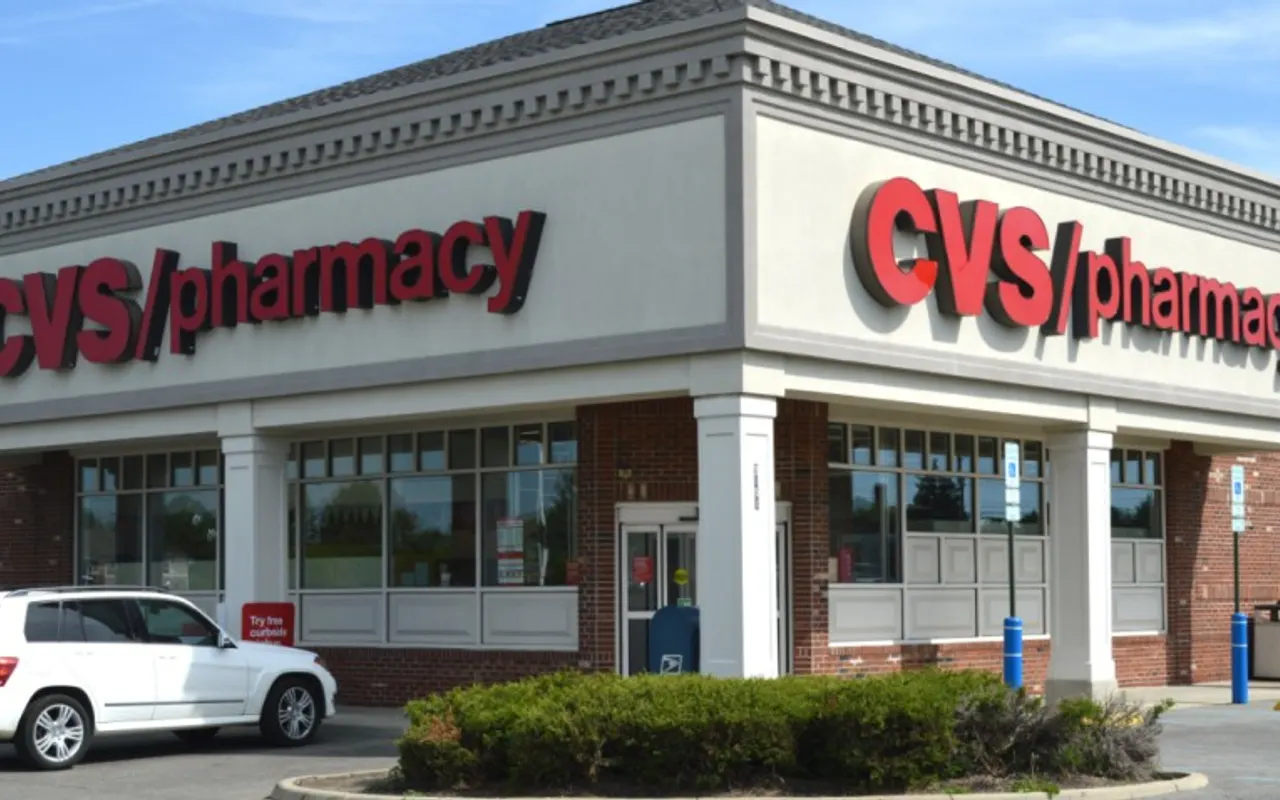
CVS NNN Properties for Sale
CVS is the sturdier half of the drugstore duopoly for net lease purposes: the same fortress corners and absolute-net leases as its rival, backed by a public, investment-grade healthcare conglomerate rather than a private-equity balance sheet. Buyers pay for that difference — but in a sector where the existential questions are real, paying for the stronger parent is often the right trade.
Quick Facts
- Typical cap range
- 5.50–7.00%
- Lease type
- Absolute NNN
- Typical term
- 20–25 yr legacy; 10–15 yr newer
- Credit
- Corporate — investment grade (Moody's Baa3 / S&P BBB, as of Q3 2026)
- Guarantee
- CVS Health / subsidiary with parent support — confirm entity per lease
CVS Listings
Listing information is deemed reliable but not guaranteed — pricing, cap rates, and lease terms are subject to change, prior sale, or withdrawal without notice.
Get off-market CVS deals
Lease structure
Legacy CVS development produced 20–25 year firm-term absolute-net leases, many still running, plus a base of ground leases where CVS built on landowner dirt. Newer paper — relocations, extensions, and the occasional sale-leaseback — runs 10–15 years. Rent is typically flat during firm terms (escalations appear in options), and landlord obligations round to zero across formats. Compared with the option-riddled Walgreens archive, CVS documents read refreshingly boring, which is precisely their appeal.
Credit and guarantee
CVS Health: investment grade — Moody's Baa3, S&P BBB, as of Q3 2026 — $370B+ revenue, and a three-legged model — retail pharmacy, Aetna insurance, Caremark PBM — that no pure retailer matches. Verify which entity signs your lease; older deals sometimes sit with subsidiaries, and guarantee language deserves the same read you'd give any corporate document. The company's healthcare-services pivot (clinics in stores, home health, primary-care acquisitions) reinforces the strategic value of its physical network — your building is part of the distribution thesis.
What drives cap rates
Term does the heavy lifting: a 15-year firm deal prints in the high 5s while an 8-year rump on the same corner reaches toward 7%. Store fleet status comes next — HealthHUB conversions and recently remodeled stores signal keeper status; skipped remodel cycles signal risk. Then the usual drugstore variables: drive-thru pharmacy, hard-corner geometry, competitive spacing (especially where Rite Aid's collapse handed CVS the trade area), and rent per foot against the $12–16 re-lease reality every drugstore exit eventually meets.
Buyer criteria and red flags
Target 10+ firm years, confirmed absolute-net language, and a store whose trade area lost a competitor rather than gained one. Estoppels should confirm no unexercised termination rights and no pending assignment. Red flags: metro pairs where CVS operates two stores inside a mile (one is leaving eventually), leases signed by minor subsidiaries without parent guarantees, above-$26-per-foot legacy rents, and sellers rushing closings ahead of an announced closure list. The pharmacy counter's operating hours — check them online before you underwrite — quietly rank the store's importance to the network.
How CVS compares
Against Walgreens: stronger parent, cleaner lease structures, tighter pricing — the premium is justified for buyers prioritizing credit durability. Against 7-Eleven and other c-store corporate paper at similar caps, CVS offers bigger buildings and healthcare-policy exposure in exchange for corner quality that convenience formats rarely match. And for the yield buyer cross-shopping Dollar Tree: CVS at 6.5% is the same yield with a categorically stronger guarantee — when the specific store passes the network-keeper screen.
CVS NNN FAQs
Why does CVS trade tighter than Walgreens?
The parent. CVS Health pairs its 9,000 drugstores with Aetna's insurance book and Caremark's pharmacy-benefit business — a vertically integrated healthcare company with investment-grade ratings and public financials, versus a leveraged private Walgreens. Same corners, same absolute-net structures, roughly 50–100 basis points of price difference. You're paying for the balance sheet behind the pharmacy counter.
Do CVS leases have the same termination options as Walgreens?
Generally no — and it's a meaningful structural advantage. Classic CVS paper runs 20–25 year firm terms with conventional 5-year options, not the 75-year-with-kickouts architecture. You can finance and model a CVS lease like normal net lease. Always verify the specific document; the chain has used varied structures across five decades of development, including some ground leases and shorter recent renewals.
Are CVS's store closures a warning sign for landlords?
They're network math made public. CVS announced roughly 900 closures in the early 2020s and continued trimming through 2026 — concentrated in overlapping urban locations and mall-adjacent formats. Meanwhile it kept converting survivors into HealthHUB and expanded pharmacy-in-target-market formats. The signal for buyers: the chain is choosing its keepers deliberately, and the keeper profile (drive-thru, corner, script density) is knowable before you offer.
What should I check about the front-of-store business?
Less than you'd think, more than zero. Pharmacy drives most revenue, but the front end signals corporate commitment: recent remodels, HealthHUB clinic space, and beauty-department reinvestment mark stores in the growth fleet. A store with empty shelving and reduced hours is telegraphing where it sits in the network plan. Site visits remain the cheapest diligence in net lease — this tenant rewards them.
How does the Aetna connection affect my risk as a landlord?
It diversifies the credit paying your rent. Retail pharmacy margins are squeezed sector-wide, but your guarantee draws on a parent earning most of its profit from insurance and PBM operations — over $370B in annual revenue across segments. The flip side: healthcare policy is now your macro variable, and a PBM-reform shock would touch the parent's earnings power. Investment-grade today (Moody's Baa3, S&P BBB, as of Q3 2026); confirm at close, as always.
Keep Exploring
Browse
Sector
States with Inventory
Run the Numbers
Buying a CVS? Get every matching deal — on and off market.
Free buyer representation. No obligation. Reply within 24 hours.