

CVS Pharmacy
- $4,938,990
CVS NNN for Sale in Corinth, TX — $4.9M | 6.81% Cap
Corinth, Texas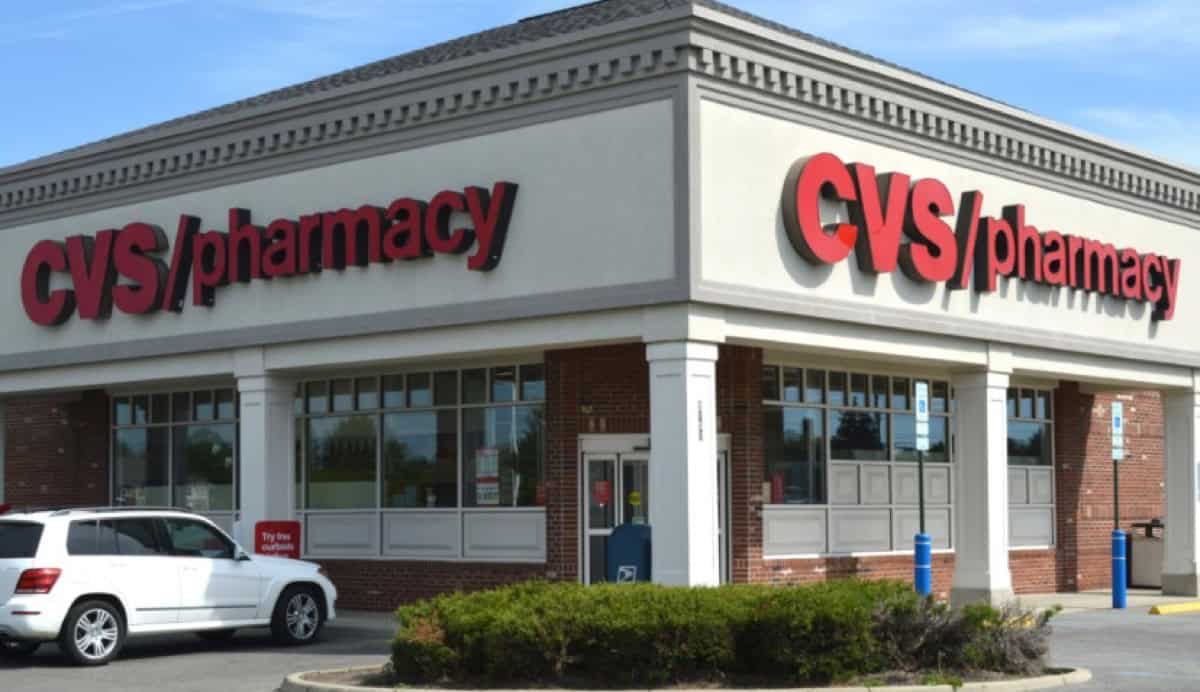
CVS Pharmacy
- $1,900,000
CVS NNN for Sale in Birmingham, AL — $1.9M | 14.43% Cap
Birmingham, Alabama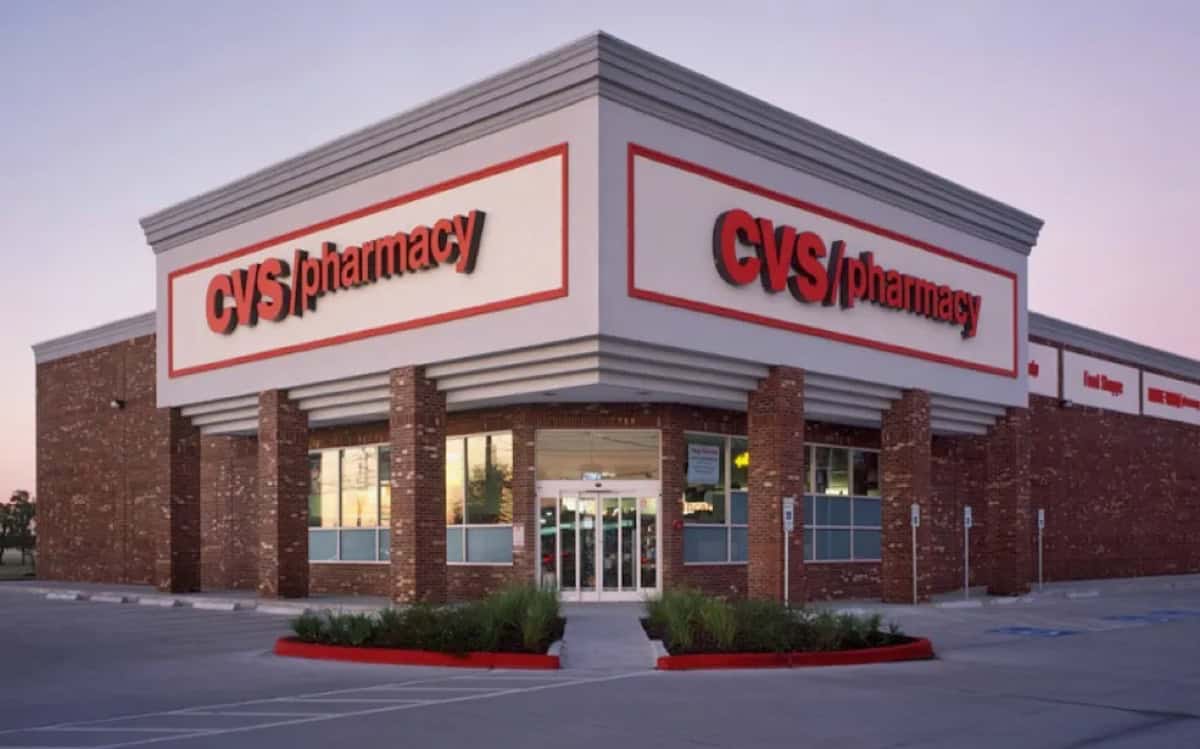
CVS Pharmacy
- $4,313,747
CVS NNN for Sale in Rosenberg, TX — $4.3M | 6.79% Cap
Rosenberg, Texas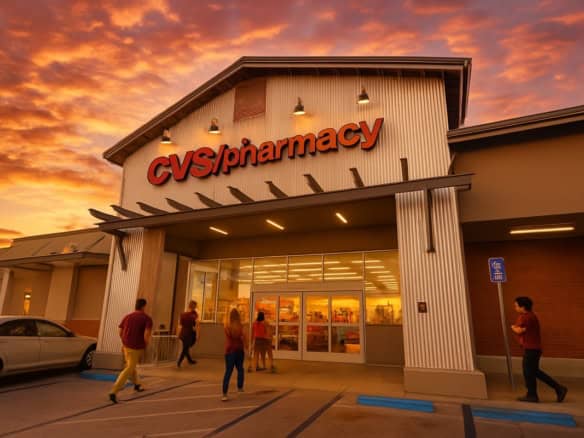
CVS Pharmacy
- $4,236,000
CVS NNN for Sale in Covington, LA — $4.2M | 9.5% Cap
Covington, Louisiana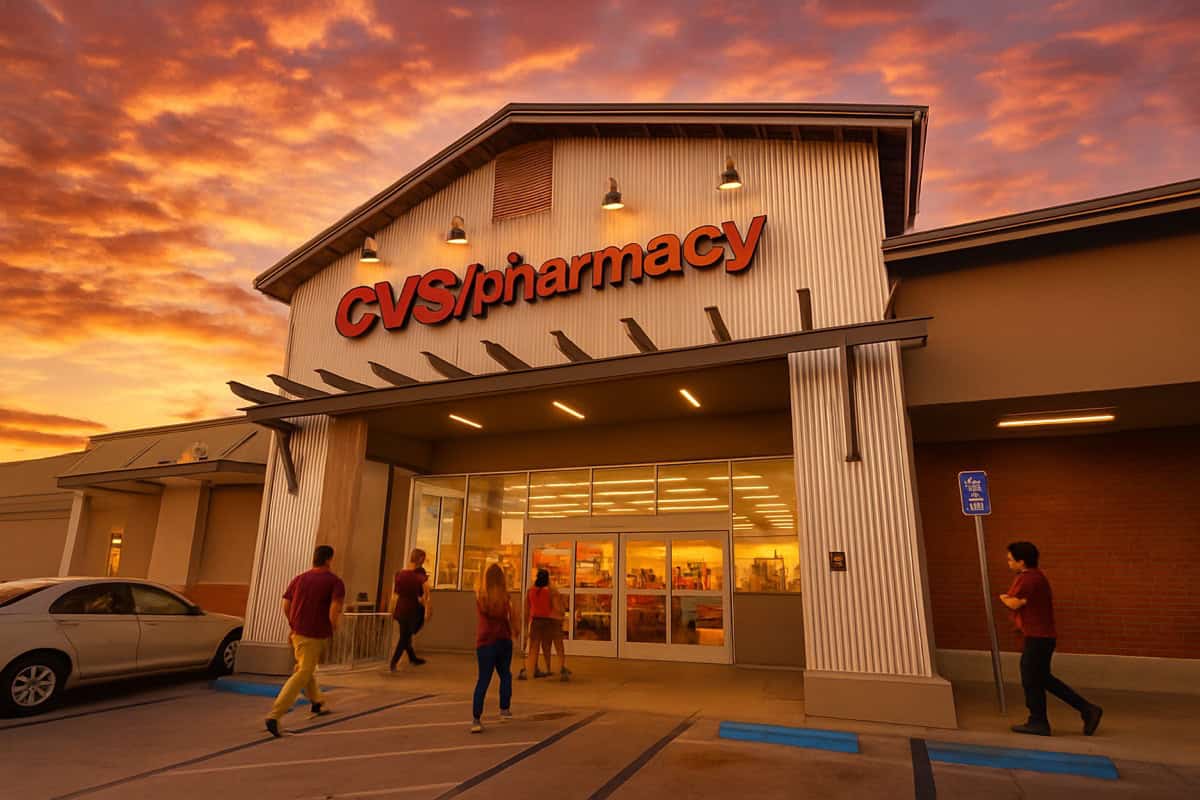
CVS Pharmacy
- $4,938,990
CVS NNN for Sale in Corinth, TX — $4.9M | 6.81% Cap
Corinth, TexasCVS Pharmacy
- $1,900,000
CVS NNN for Sale in Birmingham, AL — $1.9M | 14.43% Cap
Birmingham, AlabamaCVS Pharmacy
- $4,313,747
CVS NNN for Sale in Rosenberg, TX — $4.3M | 6.79% Cap
Rosenberg, TexasCVS Pharmacy
- $4,236,000
CVS NNN for Sale in Covington, LA — $4.2M | 9.5% Cap
Covington, LouisianaCVS NNN Properties for Sale: #2 Pharmacy Chain Investment
CVS NNN properties represent premium pharmacy investments with America’s #2 pharmacy chain (9,000+ locations), investment-grade credit backing (BBB- rating), urban density strategy creating high-traffic locations, and 20-year corporate guaranteed leases providing exceptional stability for passive income investors.
American Net Lease specializes in CVS NNN investments nationwide. Browse current listings or call 239.236.2626 to discuss exclusive opportunities.
Why Invest in CVS NNN Properties?
CVS combines the nation’s second-largest pharmacy footprint (9,000+ stores) with healthcare services expansion (MinuteClinic, HealthHUB), investment-grade credit guarantee, strategic urban density positioning, and aggressive real estate optimization creating unique triple net lease opportunities.
1. Second-Largest Pharmacy Chain in America
CVS dominates as #2 pharmacy retailer:
Company overview:
- Store count: 9,000+ CVS Pharmacy locations nationwide
- Parent company: CVS Health Corporation (NYSE: CVS)
- Market position: #2 pharmacy (after Walgreens 9,000+)
- Annual revenue: $320+ billion (CVS Health total)
- Market cap: $80+ billion
- History: Founded 1963 (60+ year operating history)
Business segments:
- Retail/Pharmacy: 9,000+ CVS stores (NNN opportunity)
- PBM: Caremark prescription benefit manager
- Health Insurance: Aetna acquisition (2018, $70B)
- MinuteClinic: 1,100+ clinics inside stores
- Integrated healthcare: Vertical integration strategy
Market presence:
- Dense urban markets (Northeast, California)
- Suburban clusters (strategic positioning)
- 24-hour stores (many locations)
- Drive-through pharmacy (70%+ of stores)
#2 pharmacy + Integrated healthcare = Strong tenant
2. Investment-Grade Credit & Financial Strength
CVS provides institutional-quality backing:
Credit ratings:
- S&P: BBB- (investment grade)
- Moody’s: Baa3 (investment grade)
- Outlook: Stable
- Corporate guarantee backing
Financial metrics (2024):
- Total revenue: $320+ billion (CVS Health)
- Pharmacy revenue: $100+ billion
- Operating margin: Healthy across segments
- Free cash flow: Strong generation
- Dividend: Consistent payer
Strategic advantages:
- Vertical integration: Pharmacy + PBM + Insurance
- Scale advantages: #2 pharmacy, major PBM
- Healthcare trends: Aging demographics benefit
- Recession resistant: Healthcare necessity
Aetna integration:
- $70 billion acquisition (2018)
- Insurance + pharmacy synergy
- Integrated care model
- Long-term strategic positioning
Strong financials + Healthcare integration = Stable tenant
3. Urban Density & High-Traffic Locations
CVS targets dense urban markets:
Location strategy:
- Urban cores: Dense city centers (NYC, Boston, SF, Chicago)
- Neighborhood clusters: Multiple stores per zip code
- High foot traffic: Pedestrian-heavy areas
- Transit proximity: Subway, bus access
- Corner visibility: Premium intersections
Market focus:
- Northeast: Dominant (NY, MA, CT, RI)
- California: Strong presence (LA, SF)
- Major metros: Urban density preferred
- Affluent suburbs: Secondary focus
Urban advantages:
- High sales volume: $3M-$5M+ annually (top stores)
- Prescription density: Dense population = more Rx
- Foot traffic: Walk-in customers supplement drive-through
- Property appreciation: Urban real estate strength
Real estate implications:
- Higher property values (urban land)
- Lower cap rates (5.0-6.0% typical)
- Appreciation focus (urban markets grow)
- Institutional buyer appeal
Urban density = High sales + Property appreciation
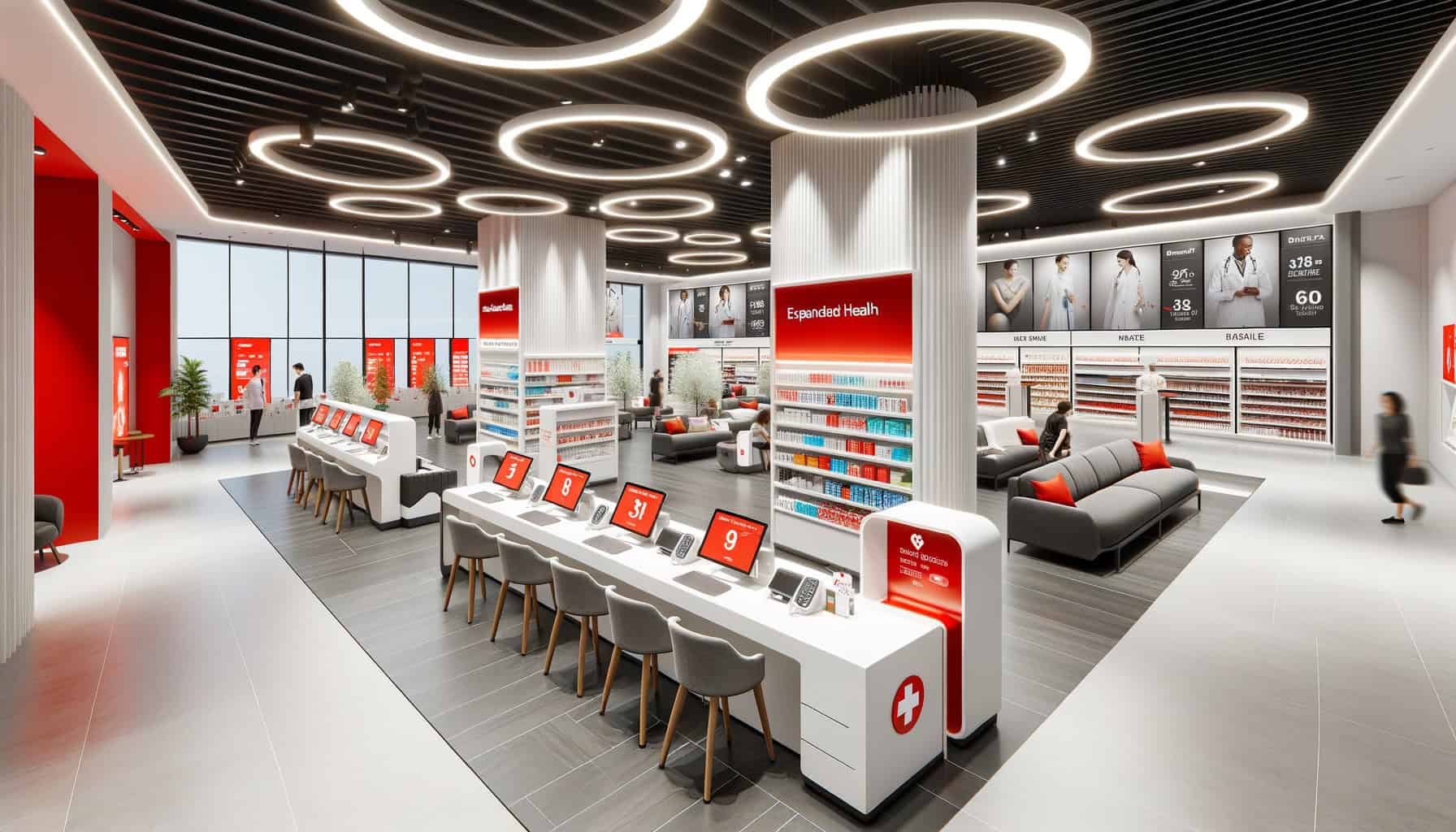
4. Healthcare Services Expansion Strategy
CVS evolving beyond traditional pharmacy:
MinuteClinic integration:
- 1,100+ clinics inside CVS stores
- Nurse practitioners, physician assistants
- Vaccinations, physicals, minor illness
- Insurance accepted (including Aetna)
- Drive traffic beyond prescriptions
HealthHUB concept:
- Expanded healthcare services
- Chronic disease management
- Health screenings
- Wellness products
- 1,500+ stores converting to HealthHUB
Healthcare strategy:
- Front-of-store transformation
- Healthcare focus (vs beauty/general merch)
- Clinical services expansion
- Aetna integration (insurance + care)
Investor benefits:
- Increased store traffic (healthcare draws customers)
- Stickier locations (healthcare services = loyalty)
- Differentiation (vs traditional pharmacy)
- Long-term viability (healthcare not just retail)
Healthcare services = Enhanced store value
5. Drive-Through Pharmacy Dominance
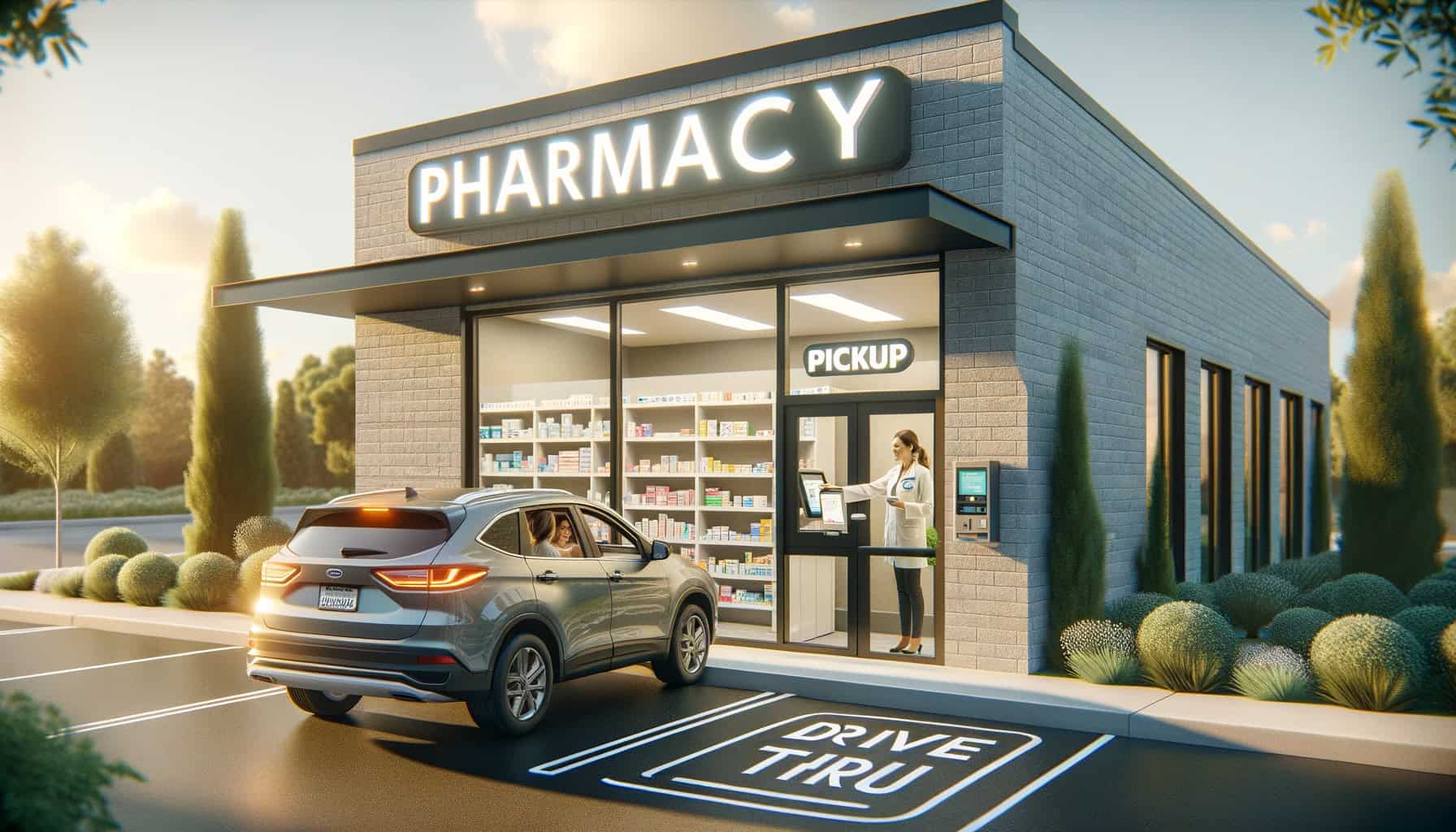
CVS drive-through provides convenience:
Drive-through strategy:
- 70%+ of stores: Drive-through pharmacy windows
- Urban + suburban: Both formats benefit
- Prescription pickup: Quick, convenient
- COVID boost: Drive-through usage surged
- Permanent behavior: Convenience preference remains
Operational advantages:
- Higher Rx volume: Drive-through increases capacity
- Labor efficiency: Dedicated pharmacy lane
- Customer satisfaction: Convenience drives loyalty
- Weather resilient: Year-round operations
Urban drive-through:
- Even dense urban stores: Many have drive-through
- Space-constrained: Innovative solutions
- Valuable amenity: Urban customers appreciate
Drive-through = Competitive advantage + Sales boost
6. Long-Term Corporate Guaranteed Leases
CVS NNN leases provide predictable income:
Typical lease structure:
- Initial term: 20-25 years (long stability)
- Renewal options: 3-5 five-year periods (40-50 year potential)
- Guarantor: CVS Health Corporation (NYSE: CVS)
- Rent increases: 10% every 5 years or 1.5-2% annually
- Triple net: Tenant pays all property expenses
Lease considerations:
- Corporate guarantee: CVS Health (not franchisee)
- Performance clauses: Rare (corporate backing strong)
- Relocation rights: Sometimes included (negotiate)
- Co-tenancy: May apply in shopping centers
Renewal factors:
- Strong locations: High renewal rates (75-85%)
- Weak locations: Optimization risk (CVS strategic)
- Urban density: Clustered stores = some closures
- Format evolution: HealthHUB conversions favor best locations
Due diligence critical: Verify store performance and market position
7. Reasonable Cap Rates for Urban Exposure
CVS properties balance urban premium with yields:
Typical cap rates by market (2026):
- Urban cores (NYC, SF, Boston): 5.0-5.5%
- Major suburbs: 5.5-6.0%
- Secondary markets: 6.0-6.5%
- Newer stores (20-25 year lease): 5.5-6.0%
Cap rate drivers:
- Credit quality: BBB- investment grade = lower caps
- Location: Urban premium, suburban moderate
- Format: HealthHUB concept (newer) = premium
- Lease term: 20-25 years = stability premium
Price range:
- Urban locations: $4M-$8M+
- Suburban: $2.5M-4M
- HealthHUB stores: Premium (+10-15%)
- Secondary markets: $2M-3M
Returns focus:
- Cap rate: 5-6.5% income
- Appreciation: 3-5% in urban markets
- Total return: 8-11% potential
- Urban property values support long-term wealth
Urban premium = Lower caps but strong appreciation
8. Strategic Real Estate Optimization
CVS actively manages real estate portfolio:
Optimization strategy:
- Store closures: 900+ planned (2022-2024)
- Underperforming: Closing weak locations
- Overlapping: Consolidating dense markets
- Format upgrade: HealthHUB conversions
What this means for investors:
- Location quality matters: Strong stores safe
- Over-saturation risk: Multiple CVS nearby = concern
- Renewal uncertainty: Weaker stores may not renew
- Due diligence critical: Verify store performance
Strong location indicators:
- High prescription volume: $2M+ Rx sales
- HealthHUB conversion: CVS investment signal
- Standalone building: Owned real estate
- Corner location: Prime visibility
- Newer lease: Recent commitment from CVS
Risk mitigation:
- Buy best locations only
- Verify sales data (if available)
- Assess competition (CVS + Walgreens density)
- Confirm HealthHUB status or potential
- Review lease carefully (relocation clauses)
Optimization = Risk for weak locations, opportunity for strong ones
CVS NNN Investment Strategies
Urban Premium Markets
Dense city center locations:
Target areas:
- Manhattan, Brooklyn (New York City)
- Boston, Cambridge (Massachusetts)
- San Francisco, Oakland (California)
- Chicago downtown (Illinois)
Advantages:
- Highest sales volume: $3M-$5M+ annually
- Foot traffic: Dense pedestrian environment
- Property appreciation: Urban real estate strength
- Institutional buyers: High demand
Investment profile:
- Purchase: $5M-$10M+
- Cap rate: 5.0-5.5% (lowest)
- Lease: 20-25 years
- Focus: Appreciation + stability
Considerations:
- Lower yields: Urban premium pricing
- Saturation: Multiple CVS nearby (assess)
- Renewal risk: Optimization if underperforming
Appreciation-focused, urban investors
Affluent Suburban Clusters
Upscale suburban locations:
Target areas:
- Westchester County, NY (affluent NYC suburbs)
- North Shore, MA (Boston suburbs)
- Orange County, CA (LA suburbs)
- North Shore, IL (Chicago suburbs)
Advantages:
- Strong demographics: $100K+ median income
- Prescription volume: Aging affluent population
- Drive-through: Convenience amenity
- Property stability: Desirable markets
Investment profile:
- Purchase: $3M-$5M
- Cap rate: 5.5-6.0%
- Lease: 20-25 years
- Focus: Balance income + appreciation
Balanced investors seeking quality + yield
HealthHUB Format Stores
CVS newest concept:
HealthHUB features:
- Expanded clinical services
- MinuteClinic integrated
- Chronic disease programs
- Wellness focus
- CVS investment signal (choosing this location)
Advantages:
- CVS commitment: Recent investment
- Enhanced services: Traffic beyond prescriptions
- Differentiation: Not just traditional pharmacy
- Long-term viability: Healthcare future
Investment profile:
- Purchase: $3M-$6M (premium for format)
- Cap rate: 5.5-6.0%
- Lease: 20-25 years (new lease)
- Focus: Growth + stability
Forward-looking investors
Secondary Market Opportunities
Established stores in smaller metros:
Target areas:
- Regional cities: Providence, Hartford, Rochester
- Suburban markets: Outside major metros
- Established presence: CVS committed
Advantages:
- Higher yields: 6-6.5% caps
- Lower entry: $2M-3M
- Less saturation: Fewer CVS nearby
- Stable demographics: Middle-class base
Investment profile:
- Purchase: $2M-3M
- Cap rate: 6.0-6.5%
- Lease: 15-25 years
- Focus: Yield + stability
Income-focused investors
Evaluating CVS NNN Investments
Critical Location Analysis
CVS performance is location-dependent:
Demographics:
- Population density: Higher = better (urban preferred)
- Median household income: $60K+ minimum, $80K+ ideal
- Age: 45-65+ (prescription demand peaks)
- Health insurance: High coverage rate preferred
- Prescription volume: Dense area = more Rx
Competition assessment:
- Other CVS: Within 1-2 miles (saturation risk)
- Walgreens: Primary competitor presence
- Independent pharmacies: Local competition
- Grocery pharmacies: Kroger, Walmart, etc.
Traffic & visibility:
- Urban: High foot traffic (pedestrian density)
- Suburban: 15,000-30,000 vehicles daily
- Corner location: High visibility preferred
- Parking: Adequate (20-30 spaces)
- Drive-through: Essential for suburban, valuable for urban
Store format:
- HealthHUB: Best (CVS investment signal)
- MinuteClinic: Good (healthcare services)
- Traditional: Standard (may convert)
- Older format: Risk (may close vs upgrade)
Store Performance Evaluation
Critical CVS-specific metrics:
Sales indicators (if available):
- Strong: $3M-$5M+ total sales
- Prescription focus: $2M+ Rx sales
- Average: $2M-$3M total sales
- Weak: Under $2M (investigate)
Format signals:
- HealthHUB: Strong (CVS investment)
- Recent remodel: Commitment signal
- Older store: Potential risk
Operating history:
- Established: 5-10+ years (proven location)
- Recent: 1-3 years (growth indicator)
- Very new: <1 year (unproven)
Competitive position:
- Dominant: Only pharmacy nearby
- Competitive: vs Walgreens/independents
- Over-saturated: 2+ CVS within 1 mile (risk)
Red flags:
- Multiple CVS nearby (cannibalization)
- Recent store opening closer (optimization)
- Declining market (population/income falling)
- Format: Outdated, no HealthHUB potential
Lease Structure Review
Critical CVS lease provisions:
Guarantor verification:
- CVS Health Corporation: Required (NYSE: CVS)
- Corporate entity: Confirm exact name
- Guarantee term: Full lease duration
Lease length:
- 20-25 years: Preferred (longest)
- 15-20 years: Acceptable
- Under 15 years: Higher risk
Rent structure:
- Base rent: Fixed monthly amount
- Escalations: 10% every 5 years or 1.5-2% annually preferred
- Options: 3-5 five-year renewals typical
Special provisions:
- Relocation clause: Review (CVS may reserve right to move)
- Co-tenancy: If in shopping center
- Exclusive use: Pharmacy exclusivity (protects CVS)
- Early termination: Review any performance clauses
CVS-specific risks:
- Optimization program: 900+ closures (2022-2024)
- Over-saturation: Dense markets being consolidated
- Weak performers: Risk of non-renewal
Due Diligence Checklist
Essential CVS property investigations:
Store verification:
- Corporate-operated: Confirm (vs licensed)
- HealthHUB status: Check (best signal)
- MinuteClinic: Present? (healthcare services)
- Sales performance: Request if possible
- Recent remodels: CVS investment signal
Market analysis:
- Demographics: Urban density or affluent suburban
- CVS saturation: Count stores within 2-mile radius
- Competition: Walgreens, independent, grocery
- Economic trends: Population/income growth or decline
Physical property:
- Building condition: CVS maintains well typically
- Parking: Adequate for format
- Drive-through: Present? (essential for suburban)
- Signage: Visible and compliant
Financial underwriting:
- Verify rent: Match lease
- Calculate cap rate: Compare to market
- Future escalations: Model income growth
- Exit cap rate: Conservative assumptions
CVS optimization risk:
- Nearby store closures: CVS consolidating?
- New CVS opened: Competing with your location?
- Market trends: Declining or growing?
Current CVS NNN Properties for Sale
[DYNAMIC PROPERTY FEED FROM YOUR LISTINGS DATABASE]
Featured CVS NNN Listings:
[houzez_grids property_label=”cvs” posts_limit=”6″ columns=”3″]
Looking for specific CVS properties by market? Contact our specialists at 239.236.2626 for exclusive nationwide opportunities.

CVS Investment Case Study
Investment Profile: CVS HealthHUB – Boston Suburb
Property Details:
- Tenant: CVS Health Corporation (NYSE: CVS)
- Guarantee: Corporate guarantee (BBB- credit rating)
- Purchase Price: $4,200,000
- Cap Rate: 5.75%
- Annual NOI: $241,500
- Lease Term: 20 years (new HealthHUB conversion, new lease)
- Rent Increases: 10% every 5 years
- Location: Newton, Massachusetts (affluent Boston suburb)
Property Features:
- Recent HealthHUB conversion (2023)
- 13,000 sq ft CVS store
- Drive-through pharmacy (dual lanes)
- MinuteClinic inside (healthcare services)
- Corner location, signalized intersection
- 0.8 acre parcel, 35 parking spaces
- Traffic count: 25,000 vehicles/day
Market Details:
- Newton: Median income $140,000+ (very affluent)
- Population: 85,000+ within 3 miles
- Age 65+: 18% (prescription demand)
- Healthcare: Major hospitals nearby (Beth Israel, Brigham)
- Competition: 1 Walgreens 1.5 miles away (acceptable density)
HealthHUB significance:
- CVS chose this location for HealthHUB investment
- Chronic disease management programs
- Wellness services expanded
- Long-term commitment signal
Investor Profile: High-net-worth individual from California. Sold apartment building ($6M, $3M gain). Sought: 1031 exchange, investment-grade credit, Boston area (family), healthcare services exposure, urban market appreciation.
Store performance:
- Annual sales: $4M+ (strong performance)
- Prescription volume: $3M+ Rx (very high)
- MinuteClinic: 2,000+ visits annually
- HealthHUB: Driving additional traffic
Financial analysis:
- Annual NOI: $241,500
- California state tax saved: $32,120 (13.3%)
- Massachusetts state tax: $12,075 (5%)
- Annual savings: $20,045 vs California
- 20-year savings: $400,900
Market performance:
- Property purchased: April 2023
- Current value (February 2026): $4,620,000 (estimated)
- Appreciation: 10% in <3 years
- Newton market: Continued strength
- Equity gain: $420,000
Total return analysis (3 years):
- NOI collected: $724,500
- Appreciation: $420,000
- Total gain: $1,144,500
- Return on $4.2M: 27.3% cumulative
- Annual return: 9.1%
Investor testimonial: “Exchanging from California to this Boston CVS HealthHUB was brilliant. I’m saving $20,000 a year in state taxes moving from CA to MA, and the property has already appreciated $420,000 because Newton is such a strong market. CVS invested in converting this to a HealthHUB with a MinuteClinic—that’s their top format and a major commitment to this location. The demographics are perfect: affluent, aging population that needs prescriptions. BBB- corporate guarantee gives me confidence even during their optimization program.”
Frequently Asked Questions
Are CVS NNN properties safe investments?
CVS NNN properties require careful due diligence but can be excellent investments when location quality is verified. Strengths: BBB- investment-grade credit (corporate guarantee from $80B+ company), #2 pharmacy chain (9,000+ stores), healthcare services expansion (HealthHUB, MinuteClinic), 20-year corporate leases, urban density strategy (high sales potential). Risks: Optimization program (CVS closing 900+ underperforming stores 2022-2024), saturation risk (multiple CVS nearby may consolidate), renewal uncertainty (weaker locations may not renew). Safety factors: Buy HealthHUB or recently remodeled stores (CVS investment signal), verify strong demographics ($80K+ income, dense population), assess competition (avoid 2+ CVS within 1 mile), confirm high sales ($3M+ if data available). Strong-performing CVS in right locations are very safe; weak locations in oversaturated markets carry real risk.
What are typical cap rates for CVS NNN properties?
CVS NNN properties offer 5.0-6.5% cap rates depending on location and format. Urban cores (NYC, Boston, SF): 5.0-5.5% (lowest yields, highest appreciation), Affluent suburbs: 5.5-6.0% (balanced), HealthHUB stores: 5.5-6.0% (premium format), Secondary markets: 6.0-6.5% (highest yields). Lower cap rates reflect: investment-grade credit (BBB-), urban density strategy (high property values), long lease terms (20-25 years), HealthHUB conversions (CVS investment). Comparison: Similar to Walgreens (5.5-6.5%), both pharmacy leaders, Similar urban density (vs Walgreens more suburban). Investor consideration: Accept lower caps for urban appreciation potential. Total return focus: 5.5-6% income + 3-5% appreciation = 8.5-11% total return potential.
How does CVS compare to Walgreens for NNN investing?
CVS and Walgreens offer similar investment profiles with different strategic positioning. Similarities: Both #1 and #2 pharmacies (9,000+ stores each), both BBB-/BBB investment grade, both 20-25 year leases, both 90%+ prescription focus, both drive-through dominant. CVS advantages: HealthHUB format (healthcare services expansion), MinuteClinic integration (1,100+ locations), Aetna ownership (insurance + pharmacy synergy), stronger urban presence (NYC, Boston dominance). Walgreens advantages: Slightly better credit (BBB vs BBB-), more suburban (broader geographic), 90%+ renewal rates (slightly higher), less optimization (fewer closures). Cap rates: CVS 5.0-6.5%, Walgreens 5.5-6.5% (CVS slightly lower due to urban). Best choice: CVS for urban markets/healthcare services focus, Walgreens for suburban/renewal stability. Both excellent pharmacy investments.
Can I use 1031 exchange to buy CVS property?
Yes! CVS NNN properties are excellent 1031 exchange targets for investors seeking pharmacy exposure with investment-grade backing. Benefits: Defer capital gains, relocate to growing/urban markets, corporate guarantee protection (BBB-), healthcare services exposure (HealthHUB, MinuteClinic), urban appreciation potential. Popular exchanges: Walgreens → CVS (pharmacy diversification, similar profile), apartment building → CVS (reduce management, increase quality), California property → CVS (urban exposure, reduce state tax). CVS 1031 advantages: Wide price range ($2M-$8M+ accommodates various sizes), urban markets available (NYC, Boston, SF), HealthHUB stores (newest format), corporate guarantee stability. Process: Identify within 45 days, close within 180 days, equal-or-greater value, qualified intermediary. Key: Verify location quality and avoid over-saturated markets during identification.
Should I worry about CVS closing 900+ stores?
CVS optimization program requires careful evaluation but creates opportunity for investors who buy right locations. The facts: CVS announced 900+ store closures (2022-2024), Reason: Consolidating over-saturated markets, optimizing real estate portfolio, Affected stores: Underperforming, overlapping locations. What this means: Weak locations at risk, strong locations safe and valuable. Safe location indicators: HealthHUB conversion (CVS investment signal – they’re not closing these), Recent remodel (commitment shown), High sales volume ($3M+ if verifiable), Only CVS in area (no nearby overlap), Strong demographics (affluent, dense, growing). Risk indicators: Multiple CVS within 1 mile (consolidation target), Old format, no remodel (neglect signal), Declining market (population/income falling), New CVS opened nearby (may be replacing yours). Protection strategy: Only buy best locations with CVS investment signals, verify no nearby CVS overlap, confirm strong sales and demographics. Optimization = risk for weak properties, opportunity for strong ones at better pricing.
Is CVS over-saturated in urban markets?
Yes, urban saturation is a concern in major Northeast metros. Over-saturated markets: Manhattan (multiple stores per neighborhood), Boston (dense clusters), San Francisco (overlapping coverage). Saturation indicators: 2-3 CVS within 1-mile radius (urban), Recently closed CVS nearby (consolidation occurring), Store openings slowing or stopping. CVS response: Closing underperforming urban locations, Consolidating to fewer, higher-volume stores, Focusing on best corners and formats. Investor protection: Verify your store is strong performer (not closure target), Confirm HealthHUB status (these are keepers), Check for recent CVS closures nearby (consolidation risk), Assess foot traffic and visibility (best locations survive). Market-specific: NYC/Boston saturation highest, Secondary cities less concern, New markets (Southwest/South) less saturated. Due diligence: Essential to assess saturation and confirm your property is the winner in any optimization.
What’s the difference between CVS and CVS HealthHUB?
HealthHUB is CVS’s newest, enhanced format and significantly better investment. Traditional CVS: Standard pharmacy + front-of-store retail, Prescription focus + general merchandise, MinuteClinic may or may not be present, Standard format. CVS HealthHUB: Expanded healthcare services, Chronic disease management (diabetes, heart, respiratory), Enhanced wellness products, Nutrition and sleep sections, MinuteClinic integrated, Healthcare-focused (vs beauty/general merch). HealthHUB advantages for investors: CVS investment signal (they’re spending to upgrade), Enhanced traffic (healthcare draws customers beyond prescriptions), Differentiation (not just traditional retail pharmacy), Long-term viability (healthcare services not commoditized), Not closure targets (CVS protecting HealthHUB investments). Investment implications: HealthHUB commands premium pricing (+10-15% vs traditional), Cap rates slightly lower (CVS commitment valued), Renewal confidence higher (recent investment), Strongly prefer HealthHUB format if available. As of 2024, CVS converting 1,500+ stores to HealthHUB—buy these, not old format.
Does CVS’s Aetna ownership affect NNN investments?
CVS’s $70 billion Aetna acquisition (2018) creates long-term strategic advantages for NNN investors. Integration benefits: Vertical integration (insurance + pharmacy + PBM), Healthcare services synergy (insurance pays for MinuteClinic visits), Patient steering (Aetna members directed to CVS pharmacies), Data advantages (integrated health records), Cost synergies (combined operations). Real estate implications: Stronger corporate backing (diversified revenue), Long-term commitment to pharmacy footprint, HealthHUB strategy supported by insurance integration, MinuteClinic expansion funded by Aetna capabilities. Investor benefits: Corporate stability (healthcare not just retail), Less Amazon risk (integrated care harder to disrupt), Insurance + pharmacy combo defensible, Strategic value to CVS (not just retail real estate). Concerns: Regulatory scrutiny (vertical integration questioned), Integration complexity (still ongoing), Aetna debt service (impacts overall financials). Net impact: Positive for NNN investors. Aetna makes CVS more than retailer—makes them healthcare company with strategic commitment to physical locations. BBB- credit reflects all divisions combined.
Next Steps: Invest in CVS NNN Properties
Ready to add #2 pharmacy chain exposure to your NNN portfolio? American Net Lease provides exclusive CVS opportunities with comprehensive location analysis and optimization risk assessment.
Work With American Net Lease
Why investors choose us for CVS NNN acquisitions:
- Location expertise: Saturation analysis, HealthHUB identification
- Optimization guidance: Closure risk assessment
- Sales data access: Store performance verification where possible
- Format intelligence: HealthHUB vs traditional evaluation
- 1031 exchange coordination: Pharmacy repositioning strategies
Schedule Your Free Consultation
Let’s discuss your CVS NNN investment criteria and identify properties in optimal markets.
📞 Call: 239.236.2626
📧 Email: Contact Us
🔍 Browse: View All CVS NNN Properties
Additional Resources
Learn More About Pharmacy NNN Investing:
- Ultimate Triple Net Lease Guide — Comprehensive NNN education
- Walgreens NNN Properties — Compare pharmacy leaders
- Pharmacy NNN Properties — Category overview
Compare Investment Markets:
- Florida NNN Properties — Strong CVS markets
- Texas NNN Properties — Growth opportunities
- California NNN Properties — Urban premium
Explore Other Tenant Types:
- McDonald’s NNN Properties — QSR alternative
- Dollar General NNN Properties — Value retail
Build wealth with CVS NNN properties—#2 pharmacy chain + HealthHUB healthcare services + urban density strategy. Call 239.236.2626 or request information today.
Last Updated: February 2026