
AutoZone NNN Properties for Sale — Auto Parts Triple Net Lease Investments
AutoZone NNN properties offer passive income investors the powerful combination of investment-grade BBB credit rating (S&P, strong tenant financial stability), recession-resistant auto parts demand (older vehicle fleet 13.1 years average age, deferred maintenance driving parts sales), 20+ year absolute NNN leases (tenant pays all expenses, predictable cash flow), 5,400+ nationwide locations (largest US auto parts retailer by store count), and $18.4B annual revenue (Fortune 500 #274, proven business model) creating exceptional conditions for long-term triple net lease cash flow in America’s automotive aftermarket with sustained DIY and professional installer demand.
American Net Lease specializes in AutoZone NNN investments across major metros, suburban corridors, and secondary markets nationwide. Browse current listings or call 239.236.2626 to discuss exclusive AutoZone opportunities.
Why Invest in AutoZone NNN Properties?
AutoZone combines investment-grade credit with recession-resistant auto parts fundamentals—older vehicle fleets (13.1 years average age, highest on record) create sustained parts demand, DIY culture and professional installers support dual revenue streams, 20+ year absolute NNN leases provide predictable cash flow, 5,400+ locations nationwide offer geographic diversification, and Fortune 500 stability ($18.4B revenue) ensures tenant strength making AutoZone NNN properties ideal for conservative investors seeking stable passive income with essential retail positioning.
1. Investment-Grade BBB Credit Rating — Fortune 500 Financial Strength
AutoZone holds a BBB credit rating from S&P (investment-grade, mid-tier stable), backed by $18.4B annual revenue (Fortune 500 #274, largest US auto parts retailer by store count), $2.4B annual operating income (strong profitability margins 13%), 5,400+ US locations (market dominance over O’Reilly 6,000 and Advance Auto 4,700), and 50+ year operating history (founded 1979 Memphis, TN) providing lender confidence and institutional investor appeal for NNN financing.
AutoZone financial metrics (2024):
- Annual revenue: $18.4B (Fortune 500 #274, auto parts leader)
- Operating income: $2.4B (13% margins, highly profitable)
- Store count: 5,400+ US locations (7,100+ globally including Mexico, Brazil)
- Market cap: $55B+ (publicly traded NYSE: AZO, institutional ownership 90%+)
- Same-store sales: +3-5% annually (consistent growth, not declining)
Credit rating significance:
- BBB investment-grade: Lender-friendly (70-75% LTV typical, lower interest rates)
- S&P stable outlook: No downgrade risk near-term (unlike retail bankruptcies)
- Public company: Financial transparency (quarterly 10-K/10-Q filings)
- Fortune 500: Institutional recognition (#274 US, auto parts dominance)
Comparison to competitors:
- AutoZone: BBB (S&P), $18.4B revenue, 5,400+ stores
- O’Reilly Auto Parts: BBB+ (S&P, slightly higher), $16B revenue, 6,000+ stores
- Advance Auto Parts: BBB- (S&P, lower), $11B revenue, 4,700+ stores
- AutoZone advantage: Largest revenue per store, highest profitability margins
Investment thesis: AutoZone’s investment-grade BBB credit provides lender confidence—70-75% LTV financing typical with institutional lenders treating AutoZone as stable essential retail (not cyclical specialty retail).
2. Recession-Resistant Auto Parts Demand — Older Vehicle Fleet 13.1 Years
Auto parts retail is recession-resistant because consumers defer new vehicle purchases during economic downturns (2008-2009, 2020 COVID-19) causing older vehicle fleet aging (13.1 years average age US, highest on record up from 11.5 years in 2010), increasing maintenance/repair demand (brakes, batteries, filters, oil changes), and DIY culture growth (cost-conscious consumers repair themselves vs mechanic labor) supporting sustained AutoZone sales regardless of economic cycles.
Older vehicle fleet metrics:
- Average age: 13.1 years (US fleet, highest on record)
- Growth trend: Up from 11.5 years (2010), 12.5 years (2020)
- Total vehicles: 290M+ registered US vehicles (massive market)
- Miles driven: 3.2 trillion annual miles (wear and tear constant)
Why older vehicles = AutoZone demand:
- Maintenance increases: 7+ year old vehicles need 2x parts vs new (brakes, batteries, filters)
- Deferred new purchases: Economic uncertainty = keep existing vehicle longer
- DIY repairs: Older vehicles easier to repair (less computerized vs modern)
- Professional installers: Independent mechanics buy from AutoZone (commercial sales 25% revenue)
Recession-resistant proof (historical):
- 2008-2009 recession: AutoZone sales +5% annually (consumers deferred new cars, repaired existing)
- 2020 COVID-19: AutoZone sales +12% (stimulus checks, DIY projects, vehicle dependence)
- 2024 current: AutoZone same-store sales +3-5% (sustained demand post-pandemic)
AutoZone advantage vs competitors:
- DIY focus: AutoZone targets DIY consumers (free battery testing, tool loaner, expert advice)
- Commercial sales: 25% revenue from professional installers (garages, mechanics)
- Dual revenue: Both DIY and professional = recession-resistant diversification
Investment thesis: Older vehicle fleet 13.1 years ensures AutoZone demand for decades—Americans are not replacing vehicles quickly, creating permanent parts/repair demand supporting AutoZone tenant strength.
3. 20+ Year Absolute NNN Leases — Predictable Cash Flow
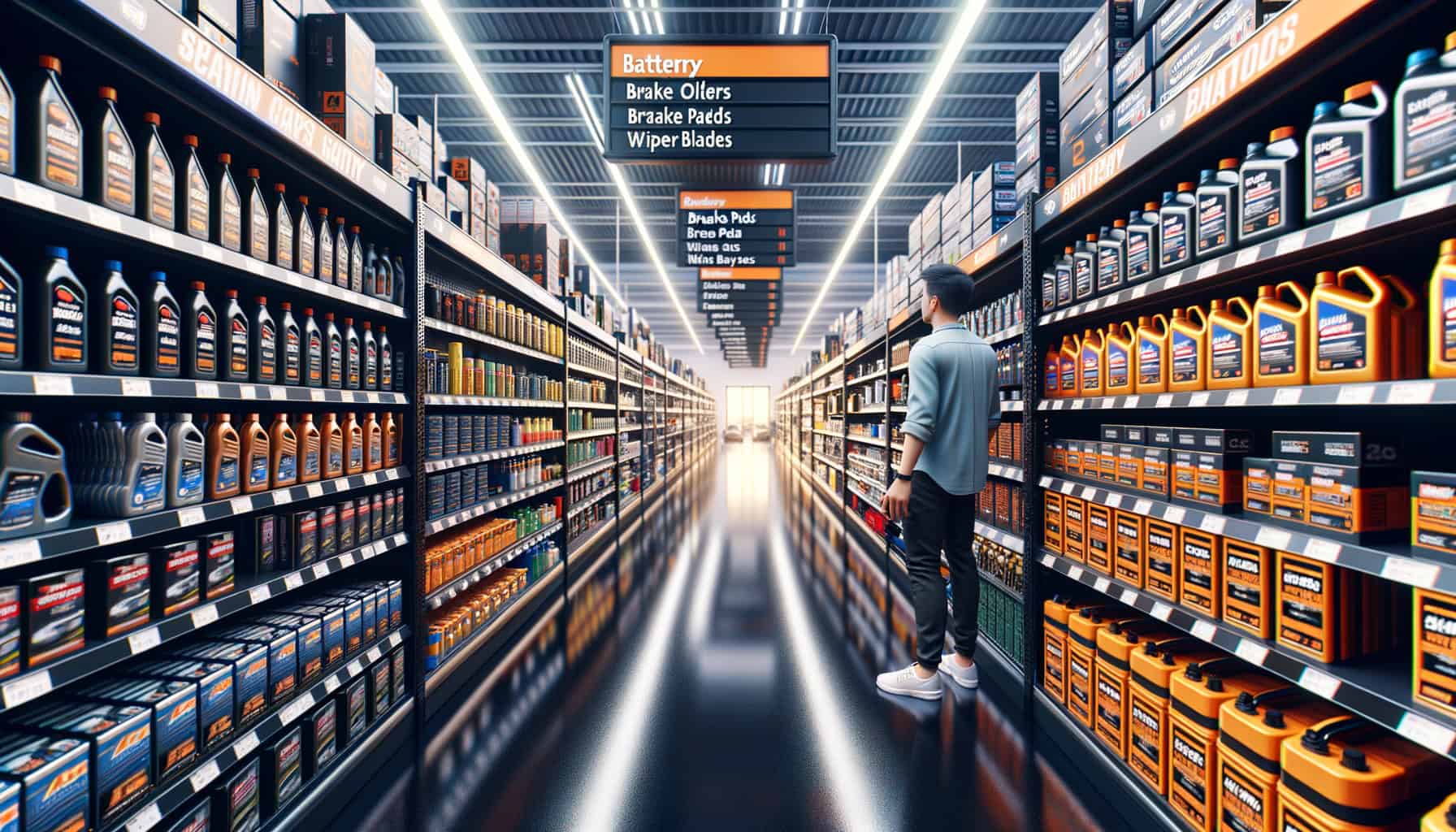
AutoZone typically signs 20-25 year absolute NNN leases with minimal landlord responsibilities (tenant pays property taxes, insurance, maintenance, roof, HVAC, parking lot), corporate guarantees (AutoZone Inc. parent company backing, not franchise), rent escalations (1.5-2% annual increases or 10% every 5 years), and renewal options (2-4 five-year renewals, 40-60 year total potential) providing investors with predictable mailbox money and minimal management burden.
Typical AutoZone NNN lease structure:
- Lease term: 20-25 years initial (new construction/ground lease)
- Remaining term: 10-20 years typical (existing properties for sale)
- Rent escalations: 1.5-2% annual increases OR 10-15% every 5 years
- Renewal options: 2-4 five-year renewals (40-60 year total potential)
- Guarantee: Corporate (AutoZone Inc. parent company, not franchise)
Absolute NNN structure:
- Property taxes: Tenant pays (landlord collects rent only)
- Insurance: Tenant pays (building, liability, all coverage)
- Maintenance: Tenant pays (roof, HVAC, parking lot, landscaping)
- Structural: Tenant pays (even foundation, major repairs)
- Landlord: Collects rent checks, zero operating expenses
Rent escalation examples:
- Annual 1.5%: $100K base rent → $130K year 20 (30% increase compound)
- Annual 2.0%: $100K base rent → $149K year 20 (49% increase compound)
- 10% every 5 years: $100K → $110K year 5 → $121K year 10 → $133K year 15 → $146K year 20
Corporate guarantee strength:
- AutoZone Inc. backing: $18.4B revenue parent company (not individual franchise)
- Lease survives sale: If AutoZone sells property, lease transfers (buyer inherits tenant)
- Bankruptcy protection: AutoZone not closing stores (expansion 100+ annually)
Investment thesis: AutoZone 20-25 year leases provide long-term income stability—rent checks arrive monthly for two decades with zero landlord management (true passive income).
4. 5,400+ Nationwide Locations — Geographic Diversification
AutoZone operates 5,400+ US locations across all 50 states (7,100+ globally including Mexico, Brazil) with heavy concentration in Sunbelt markets (Texas 500+ stores, Florida 400+, California 400+), suburban footprints (15,000-20,000 sq ft standalone buildings, high-visibility corners), and new store openings (100+ annually, continued expansion) creating abundant NNN investment opportunities with nationwide geographic diversification and tenant growth trajectory.
AutoZone store footprint:
- Total US stores: 5,400+ (all 50 states)
- Global stores: 7,100+ (includes Mexico 700+, Brazil 100+)
- New openings: 100+ US stores annually (expansion, not contraction)
- Store closures: Minimal (<10 annually, relocations not failures)
Top AutoZone markets (store concentration):
- Texas: 500+ stores (largest state, Houston/Dallas/San Antonio/Austin metros)
- Florida: 400+ stores (Miami/Tampa/Orlando/Jacksonville metros)
- California: 400+ stores (Los Angeles/San Diego/San Francisco/Sacramento)
- Georgia: 200+ stores (Atlanta metro dominance)
- North Carolina: 180+ stores (Charlotte/Raleigh/Greensboro)
Store format (typical NNN property):
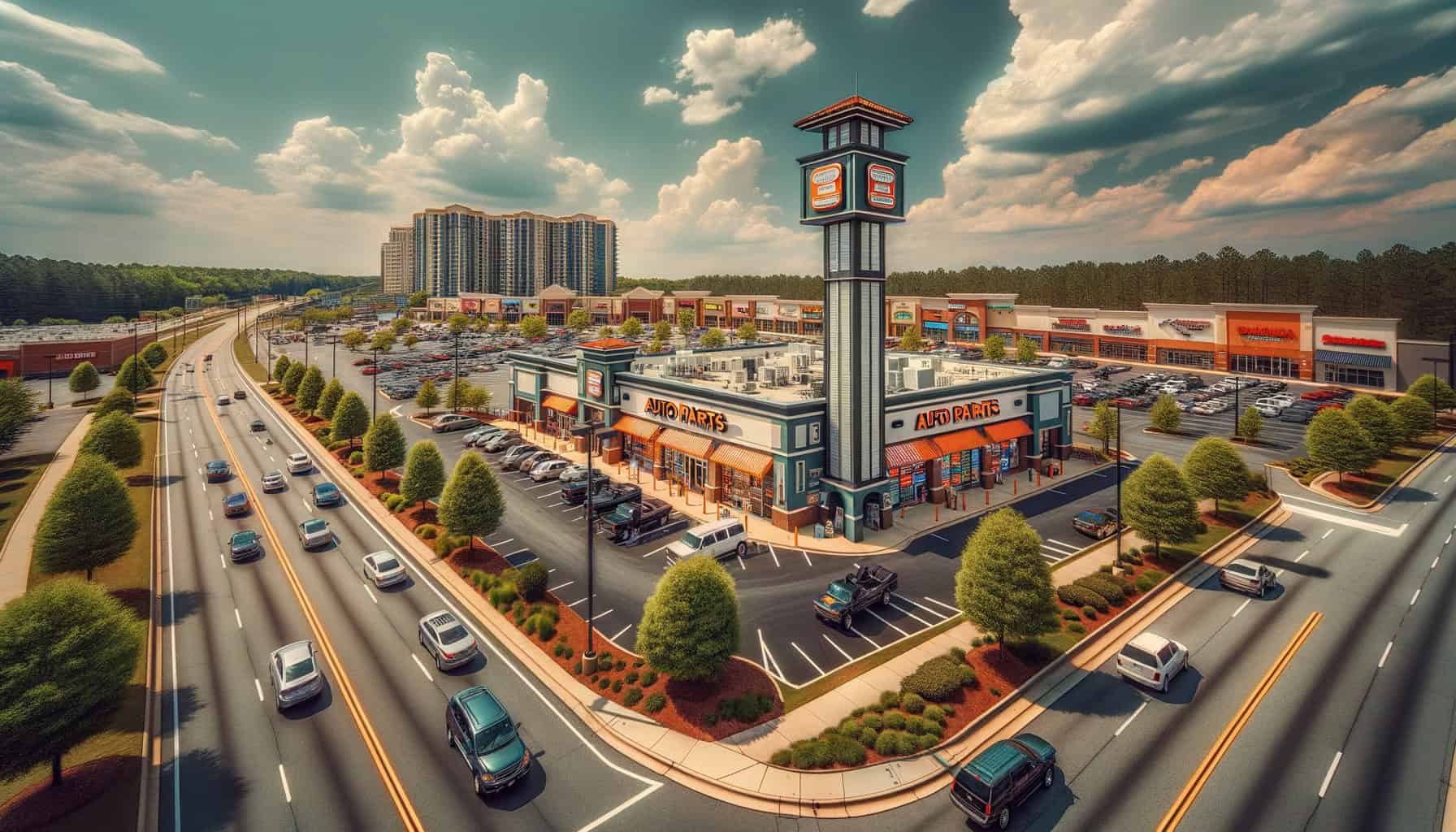
- Building size: 7,000-10,000 sq ft (single-tenant freestanding)
- Lot size: 25,000-40,000 sq ft (parking for 20-30 vehicles)
- Location: High-visibility corner (traffic lights, arterial roads)
- Signage: Tall pylon sign (AutoZone red/white branding)
Expansion strategy:
- Infill markets: AutoZone adds stores in existing metros (increase density)
- Sunbelt growth: Texas, Florida, Arizona, North Carolina (population growth)
- Mega Hubs: AutoZone testing larger format stores (15,000+ sq ft, commercial focus)
Investment thesis: AutoZone’s 5,400+ locations nationwide provide investors with abundant deal flow—always properties available for sale across diverse geographic markets.
5. Dual Revenue Streams — DIY Consumers + Professional Installers
AutoZone generates revenue from dual customer segments: (1) DIY consumers (75% revenue, individual car owners buying parts/tools, free battery testing, expert advice), and (2) Commercial sales (25% revenue, professional mechanics/garages buying wholesale parts) creating recession-resistant diversification where DIY grows during economic downturns (cost-conscious repairs) and commercial sustains during boom times (vehicle miles driven increases).
DIY consumer segment (75% revenue):
- Target: Individual car owners (maintenance, repairs, modifications)
- Products: Batteries, brakes, oil/filters, wiper blades, air filters, tools
- Services: Free battery testing, tool loaner program, expert advice (in-store associates)
- Value proposition: Lower cost than mechanic labor (DIY saves 50-70% vs shop)
Commercial sales segment (25% revenue):
- Target: Professional mechanics, independent repair shops, fleet operators
- Products: Wholesale parts pricing, bulk orders, specialty items
- Services: Delivery to shop, dedicated account managers, credit terms
- Growth: AutoZone expanding commercial focus (Mega Hubs for installers)
Why dual revenue = recession-resistant:
- Economic downturn: DIY increases (consumers defer mechanic, repair themselves)
- Economic boom: Commercial increases (vehicle miles driven, shop traffic)
- Hedge: If one segment declines, other compensates (balanced model)
Competitor comparison:
- O’Reilly Auto Parts: 60% DIY, 40% commercial (more commercial-focused)
- Advance Auto Parts: 70% DIY, 30% commercial (similar to AutoZone)
- AutoZone advantage: Strong DIY culture (free services, expert advice) + growing commercial
Investment thesis: AutoZone’s dual revenue streams ensure sustained sales regardless of economic cycle—DIY and commercial balance each other providing tenant stability.
6. Free Services Drive Customer Loyalty — Battery Testing, Tool Loaner
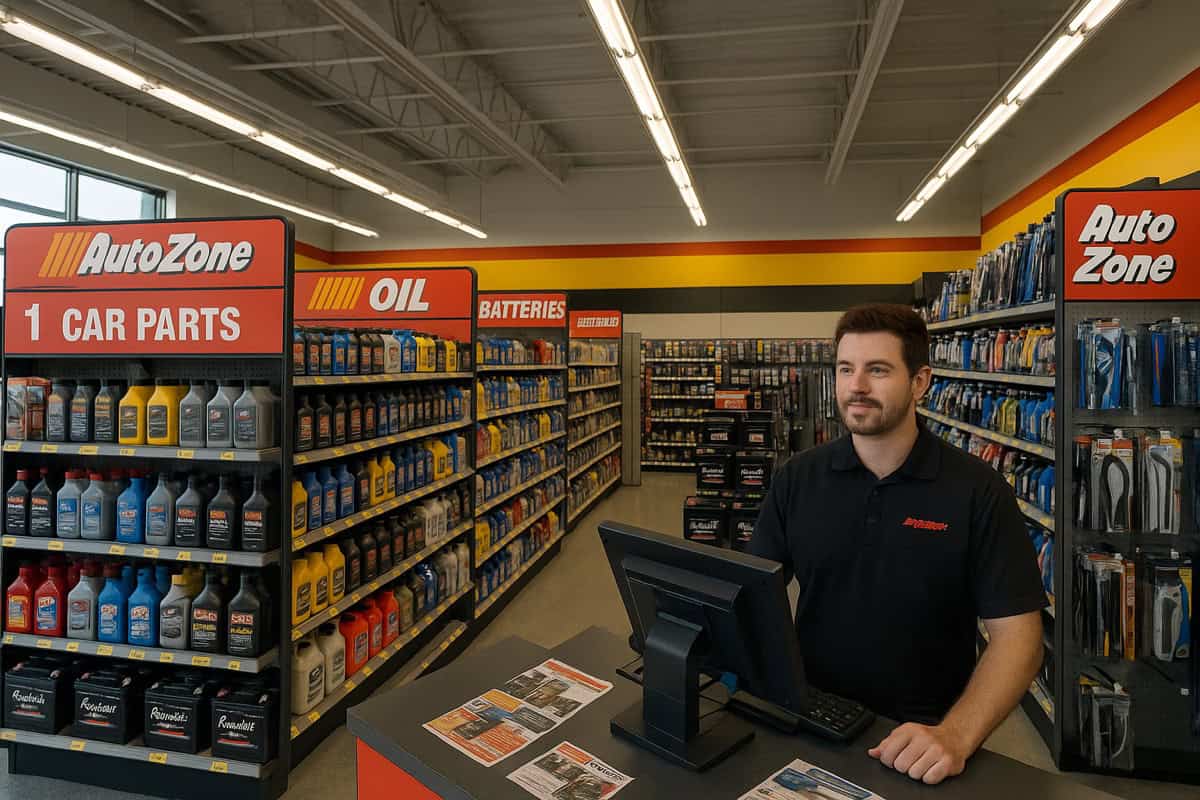
AutoZone differentiates with free services including battery testing (checks battery/alternator/starter, encourages battery purchase), tool loaner program (borrow specialty tools free, return after use), wiper blade installation (free install with purchase), oil/battery recycling (environmental compliance, customer convenience), and expert advice (knowledgeable staff help diagnose problems) creating customer loyalty and repeat traffic supporting sustained sales and tenant lease renewal probability.
AutoZone free services:
- Battery testing: Free (encourages battery sales, #1 AutoZone product)
- Tool loaner: Borrow specialty tools (pullers, testers, scanners) free with deposit
- Wiper blade install: Free installation with wiper blade purchase
- Oil recycling: Free disposal of used motor oil (environmental service)
- Battery recycling: Free disposal of old batteries (core charge refund)
- Expert advice: Staff help diagnose problems (check engine lights, noises)
Why free services = competitive advantage:
- Battery testing drives sales: 50% of customers buying battery after free test
- Tool loaner reduces barrier: Customers can attempt DIY without buying $200 tool
- Loyalty created: Customers return to AutoZone for convenience (not just price)
- Traffic generator: Free services bring customers in-store (impulse purchases)
Customer experience focus:
- Knowledgeable staff: AutoZone invests in employee training (product knowledge)
- Part lookup systems: In-store computers identify correct part by VIN (accuracy)
- Warranty support: AutoZone honors warranties easily (customer-friendly returns)
Investment thesis: AutoZone’s free services create customer loyalty—repeat traffic supports sustained sales ensuring tenant can afford rent long-term (lease renewal probability high).
7. Strong Lease Renewal Rates — 90%+ Store Retention
AutoZone maintains 90%+ lease renewal rates with minimal store closures (<10 annually, mostly relocations not failures), long tenant history (stores often operate 20-30 years same location), profitable unit economics ($2.5M average sales per store, high-margin products), and expansion mentality (100+ new stores annually, not contracting footprint) providing NNN investors with confidence in 20-year lease term completion and high probability of renewal options being exercised.
AutoZone store retention:
- Renewal rate: 90%+ (industry-leading, AutoZone rarely closes stores)
- Annual closures: <10 stores/year (out of 5,400+ US, 0.2% closure rate)
- Closure reasons: Relocations (better site 1 mile away), not performance failures
- Lease honoring: AutoZone honors leases even if relocating (pays remaining term)
Store profitability (unit economics):
- Average sales: $2.5M per store annually (high-volume retail)
- Gross margin: 50%+ (auto parts high-margin vs grocery/gas)
- Operating margin: 13% (efficient operations, profitable stores)
- Break-even: $1.5M sales minimum (most stores exceed comfortably)
Why AutoZone doesn’t close stores:
- Profitable: Even lower-volume stores profitable (efficient cost structure)
- Market coverage: AutoZone prefers store density (multiple stores per metro)
- Real estate lock-in: Closing store = competitor moves in (strategic retention)
- Franchise model absent: AutoZone 100% corporate-owned (consistent standards)
Comparison to competitors:
- Advance Auto Parts: Closing 500+ stores 2024 (struggling, turnaround mode)
- O’Reilly Auto Parts: Minimal closures (similar to AutoZone, stable)
- AutoZone: Growing 100+ stores annually (expansion, not contraction)
Investment thesis: AutoZone’s 90%+ renewal rate provides lease security—tenant unlikely to vacate after 20-year term, renewal options typically exercised (40-60 year total occupancy realistic).
AutoZone Credit Strength & Financial Performance
AutoZone’s investment-grade BBB credit rating (S&P, mid-tier stable) is supported by consistent revenue growth ($18.4B annually, +5-8% growth), strong profitability ($2.4B operating income, 13% margins), dominant market position (#1 US auto parts by revenue per store), and shareholder-friendly capital allocation (aggressive share buybacks, limited debt) making AutoZone a lender-preferred NNN tenant with institutional investor appeal and long-term financial stability.
Revenue & Profitability Trends
AutoZone financial performance (5-year trend):
- 2020: $12.6B revenue, $1.8B operating income
- 2021: $14.1B revenue, $2.0B operating income
- 2022: $15.8B revenue, $2.2B operating income
- 2023: $17.5B revenue, $2.3B operating income
- 2024: $18.4B revenue, $2.4B operating income
- Growth rate: +8% CAGR revenue (consistent expansion)
Profitability metrics:
- Gross margin: 50%+ (auto parts high-margin products)
- Operating margin: 13% (efficient operations, best-in-class retail)
- Net income: $2.1B annually (highly profitable, cash-generative)
- ROIC: 30%+ (return on invested capital, exceptional)
Same-store sales growth:
- 2020: +12.3% (COVID-19 bump, stimulus spending)
- 2021: +5.8% (post-COVID normalization)
- 2022: +4.2% (sustained growth)
- 2023: +3.5% (inflation-adjusted)
- 2024: +3.8% (healthy baseline)
Market Position & Competitive Advantage
US auto parts market share:
- AutoZone: 27% market share (by revenue, #1)
- O’Reilly Auto Parts: 24% market share (#2)
- Advance Auto Parts: 16% market share (#3, declining)
- Independent: 33% (fragmented, mom-and-pop shops)
AutoZone competitive advantages:
- Store count: 5,400+ US (high density, convenience)
- Revenue per store: $2.5M average (highest efficiency)
- Brand recognition: AutoZone #1 top-of-mind (red/white branding)
- Inventory: 100,000+ SKUs per store (extensive selection)
Capital Allocation & Shareholder Returns
AutoZone capital priorities:
- Store expansion: $400M+ annually (100+ new stores)
- Share buybacks: $1.5B+ annually (aggressive repurchases)
- Debt paydown: Minimal (maintains leverage flexibility)
- No dividend: AutoZone does not pay dividend (buybacks instead)
Debt management:
- Total debt: $7B (manageable, 3x EBITDA)
- Interest coverage: 12x (strong ability to service debt)
- Credit rating: BBB (S&P stable outlook)
Investment thesis: AutoZone prioritizes share buybacks over dividends—aggressive repurchases ($1.5B+ annually) support stock price, management confidence in business model, and shareholder value creation without dividend tax burden.
Types of AutoZone NNN Properties
AutoZone NNN properties come in various formats across urban, suburban, and secondary markets with freestanding buildings, ground leases, inline retail, and sale-leaseback opportunities offering investors flexibility to match investment criteria.
1. Freestanding Single-Tenant Buildings (Most Common)
Typical specifications:
- Building size: 7,000-10,000 sq ft
- Lot size: 25,000-40,000 sq ft (0.6-0.9 acres)
- Location: High-visibility corner (traffic light, arterial road)
- Parking: 20-30 spaces (customer + employee)
- Signage: Tall pylon sign (40-60 ft, red/white AutoZone branding)
Investment advantages:
- Single-tenant control: No shared expenses, absolute NNN
- Redevelopment potential: If AutoZone vacates, raze and rebuild (land value)
- Highest cap rates: 6.0-6.5% typical (higher yield than inline)
Cap rates: 6.0-6.5% (suburban), 5.5-6.0% (urban premium)
Typical prices: $1.5M-$3M (depends on market, lease term remaining)
2. Ground Lease (Land Only, AutoZone Owns Building)
Structure:
- Landlord owns: Land only (fee simple)
- AutoZone owns: Building, improvements, fixtures
- Lease term: 25-30 years (longer than typical NNN)
- Rent: Ground rent only (lower absolute dollars, but land-based)
Investment advantages:
- No building depreciation: Landlord owns land (no building obsolescence risk)
- Lower rent amount: $50K-$150K annually (vs $150K-$250K building+land)
- Longer leases: 25-30 years typical (vs 20 years building)
- Reversion value: At lease end, AutoZone removes building, land returns (or purchases)
Cap rates: 5.0-5.5% (lower cap rates, lower risk)
Typical prices: $800K-$2M (land value only)
3. Sale-Leaseback Opportunities (New Construction)
How it works:
- AutoZone identifies site for new store
- Investor purchases land, builds to AutoZone spec
- AutoZone signs 20-25 year NNN lease at completion
- Investor owns property, AutoZone operates store
Investment advantages:
- New construction: Brand new building (no deferred maintenance)
- Full lease term: 20-25 years from day one (maximum term)
- Development profit: Build for $1.8M, sell for $2.2M (20% return)
- Corporate guarantee: AutoZone Inc. signs lease before construction
Cap rates: 5.5-6.0% (new construction premium, lower cap = higher price)
Typical all-in cost: $1.8M-$2.5M (land + construction)
Key Markets for AutoZone NNN Investment
AutoZone NNN properties are available nationwide, with strongest opportunities in Sunbelt growth markets, older vehicle fleet regions, and suburban corridors with high traffic counts.
1. Texas — 500+ Stores, Largest State Footprint
AutoZone Texas advantages:
- 500+ stores: Largest state presence (Houston 100+, Dallas 90+, San Antonio 60+, Austin 50+)
- Zero income tax: Texas 0% (vs national burden)
- Population growth: +4M residents 2010-2020 (+15%)
- Older vehicle fleet: 13.5 years average (higher than national 13.1)
- DIY culture: Texas truck/SUV ownership (maintenance-intensive)
Top Texas markets:
- Houston: 100+ AutoZone stores (massive metro, 7M population)
- Dallas-Fort Worth: 90+ stores (sprawling metros, vehicle-dependent)
- San Antonio: 60+ stores (military presence, older vehicles)
- Austin: 50+ stores (tech growth, young professionals with older cars)
Cap rates: 6.0-6.5% (Texas competitive market)
Typical prices: $1.8M-$3M (depends on metro, lease term)
2. Florida — 400+ Stores, Retiree + Tourism Markets
AutoZone Florida advantages:
- 400+ stores: Second-largest state (Miami 80+, Tampa 60+, Orlando 50+, Jacksonville 40+)
- Zero income tax: Florida 0% (retiree magnet)
- Older population: Retirees drive less (vehicles age faster per mile)
- Tourism vehicles: Rental car fleet maintenance (commercial sales)
- Hurricane preparedness: Florida consumers stock car supplies (batteries, emergency items)
Top Florida markets:
- Miami-Fort Lauderdale: 80+ AutoZone stores (massive metro, 6M+ population)
- Tampa-St. Petersburg: 60+ stores (retiree haven, vehicle-dependent)
- Orlando: 50+ stores (tourism, service industry workers)
- Jacksonville: 40+ stores (military, logistics, blue-collar)
Cap rates: 5.5-6.5% (coastal premium, inland higher yields)
Typical prices: $2M-$3.5M (depends on coastal vs inland)
3. California — 400+ Stores, Oldest Vehicle Fleet
AutoZone California advantages:
- 400+ stores: Third-largest state (Los Angeles 150+, San Diego 50+, San Francisco 40+)
- Oldest vehicle fleet: 14.2 years average CA (highest US, drives parts demand)
- High cost of living: Californians defer new car purchases (repair existing)
- DIY culture: Cost-conscious consumers (mechanic labor $150/hr CA)
- Exit investors: High-tax CA sellers 1031 exchange to AutoZone NNN (tax deferral)
Top California markets:
- Los Angeles: 150+ AutoZone stores (sprawling metro, 13M population)
- San Diego: 50+ stores (military, border proximity)
- San Francisco Bay Area: 40+ stores (high cost of living, older vehicles)
- Sacramento: 30+ stores (state capital, Central Valley)
Cap rates: 5.0-6.0% (California premium, coastal lower cap rates)
Typical prices: $2.5M-$4M (California real estate premium)
4. Southeast — Georgia, North Carolina, South Carolina
AutoZone Southeast advantages:
- Combined 600+ stores: Georgia 200+, North Carolina 180+, South Carolina 100+
- Population growth: Sunbelt migration (Charlotte, Atlanta, Greenville booming)
- Business-friendly: Moderate taxes (GA 5.75%, NC 4.75%, SC 6%)
- Vehicle-dependent: Suburban sprawl (limited public transit)
- Blue-collar workforce: Manufacturing, logistics (DIY auto repair culture)
Top Southeast markets:
- Atlanta: 100+ AutoZone stores (sprawling metro, 6M population)
- Charlotte: 50+ stores (banking, NASCAR culture, vehicle enthusiasts)
- Greenville-Spartanburg: 30+ stores (upstate SC manufacturing)
- Charleston: 20+ stores (coastal, tourism, military)
Cap rates: 6.0-6.5% (Southeast moderate pricing)
Typical prices: $1.5M-$2.5M (affordable entry points)
How to Evaluate AutoZone NNN Properties
1. Verify Lease Terms & Corporate Guarantee
Critical lease components:
- ✅ Lease term remaining: 10+ years preferred (easier financing, more stability)
- ✅ Absolute NNN structure: Tenant pays ALL (taxes, insurance, maintenance, roof, HVAC)
- ✅ Corporate guarantee: AutoZone Inc. (not franchise, not individual)
- ✅ Rent escalations: 1.5-2% annual OR 10-15% every 5 years
- ✅ Renewal options: 2-4 five-year renewals (40-60 year total potential)
Red flags:
- ❌ Short remaining term (<5 years) = refinancing risk, tenant exit risk
- ❌ Landlord responsibilities = not true NNN (roof, parking lot repairs)
- ❌ Franchise guarantee only = weaker credit (corporate guarantee required)
- ❌ No escalations = inflation erosion (rent fixed at $100K for 20 years loses purchasing power)
2. Analyze Location Demographics & Traffic
Ideal AutoZone location:
- Traffic count: 20,000-40,000 vehicles/day (high-visibility arterial)
- Population density: 15,000-50,000 within 3-mile radius
- Median income: $45K-$75K (AutoZone sweet spot, not ultra-wealthy)
- Vehicle ownership: 1.5-2.5 vehicles/household (suburban auto-dependent)
- Competition: Check proximity to O’Reilly, Advance Auto (3+ miles away ideal)
Demographics that support AutoZone:
- Blue-collar workforce: Manufacturing, logistics, construction (DIY auto repair)
- Older population: Retirees on fixed income (defer mechanic labor costs)
- Hispanic population: Strong DIY culture (cultural self-reliance)
- Suburban sprawl: Vehicle-dependent (public transit limited)
3. Review Store Sales Performance (If Available)
AutoZone store performance indicators:
- Sales volume: $2.5M average (stores below $1.5M potentially struggling)
- Sales trend: +3-5% annually (healthy same-store sales growth)
- Commercial sales: 25% of revenue (wholesale to mechanics)
- Competition: AutoZone stores within 5 miles of each other common (density strategy)
How to estimate store performance:
- Visible traffic: Watch store during peak hours (Saturday morning 9am-12pm)
- Parking utilization: 50%+ spaces full = healthy traffic
- Commercial vehicles: Mechanics picking up parts (F-250 trucks, vans)
- Public data: Some markets require sales tax reporting (Google search)
4. Underwrite Cap Rate & Returns
AutoZone cap rate ranges (2024 market):
- Prime urban: 5.5-6.0% (Los Angeles, San Francisco, Seattle)
- Suburban growth: 6.0-6.5% (Dallas, Atlanta, Charlotte, Phoenix)
- Secondary markets: 6.5-7.0% (smaller metros, rural corridors)
- Ground lease: 5.0-5.5% (land only, lower cap rates)
Sample underwriting (typical AutoZone):
- Purchase price: $2,000,000
- Annual NOI: $125,000 (6.25% cap rate)
- Monthly rent: $10,417
- Lease remaining: 15 years
- Escalations: 10% every 5 years
- Property taxes: $25,000/year (tenant pays, not landlord)
Return projections:
- Year 1 cash-on-cash: 6.25% (if all-cash)
- Year 5 rent: $137,500 (+10% escalation)
- Year 10 rent: $151,250 (+10% escalation)
- Total return (15-year hold): 8-10% IRR (cash flow + appreciation)
5. Perform Due Diligence
Standard commercial real estate due diligence:
- ✅ Phase I Environmental: Required (all properties, auto parts chemical storage)
- ✅ Property Condition Report (PCR): Roof, HVAC, parking lot, structural
- ✅ Survey: Boundary verification, easements, encroachments
- ✅ Title review: Liens, judgments, deed restrictions
- ✅ Lease abstraction: Attorney review of lease terms
AutoZone-specific due diligence:
- ✅ Environmental Phase I: AutoZone stores batteries, oil, chemicals (contamination risk)
- ✅ Parking lot condition: High traffic wear and tear (repaving costs)
- ✅ Roof condition: AutoZone leases are NNN, but verify tenant maintaining
- ✅ Zoning: Verify commercial retail zoning (future redevelopment)
AutoZone NNN Property Case Study
AutoZone — Charlotte, NC (Suburban Corridor)
Purchase price: $2,100,000
Cap rate: 6.25%
Annual NOI: $131,250
Lease term: 15 years remaining
Tenant: AutoZone Inc. (corporate guarantee, BBB investment-grade)
Why this property works:
1. Strong Charlotte demographics:
- Population: 2.8M metro (9th-largest US, +20% growth 2010-2020)
- Median income: $65,000 (Charlotte metro, blue-collar workforce)
- Traffic count: 32,000 vehicles/day (high-visibility arterial corridor)
- Vehicle ownership: 1.8 vehicles/household (suburban auto-dependent)
- Banking hub: Wells Fargo, Bank of America HQ (white-collar + blue-collar mix)
2. AutoZone lease strength:
- 15 years remaining: Adequate term for financing, tenant stability
- Corporate guarantee: AutoZone Inc. $18.4B revenue backing
- Absolute NNN: Tenant pays property taxes ($21K), insurance ($8K), all maintenance
- Rent escalations: 10% every 5 years (Year 5: $144K, Year 10: $158K, Year 15: $174K)
- Renewal options: Two 5-year renewals (25-year total potential)
3. Location advantages:
- Suburban corridor: East Charlotte growth area (new residential, retail)
- Competition distance: Nearest O’Reilly 3.5 miles, Advance Auto 4 miles (healthy spacing)
- Anchors nearby: Walmart, Lowe’s, Target (traffic generators)
- Demographics: Blue-collar workforce (manufacturing, logistics, construction)
4. Financial performance:
- Year 1 NOI: $131,250 (6.25% cap rate on $2.1M)
- Monthly rent: $10,938
- Property taxes: $21,000 annually (tenant pays, not landlord)
- Insurance: $8,000 annually (tenant pays)
- Maintenance: $0 (tenant pays all repairs, roof, HVAC, parking lot)
Investor outcome:
- Cash flow: $131,250 annually (if all-cash purchase)
- Rent growth: $174,250 by year 15 (+33% from escalations)
- Total return: 8-9% IRR projected (cash flow + appreciation + escalations)
- Exit strategy: Sell after 10 years, new buyer inherits remaining 5 years + renewals
- 1031 exchange eligible: Charlotte AutoZone qualifies for 1031 tax deferral
Why Charlotte AutoZone is ideal NNN investment:
- ✅ Investment-grade BBB tenant (lender-friendly financing)
- ✅ Recession-resistant auto parts (older vehicle fleet demand)
- ✅ Strong demographics (Charlotte growth market, vehicle-dependent)
- ✅ Absolute NNN lease (zero landlord responsibilities)
- ✅ Rent escalations (33% growth over 15 years)
- ✅ Corporate guarantee (AutoZone Inc. backing, not franchise)
Frequently Asked Questions (FAQs)
Is AutoZone financially stable enough for 20-year lease commitment?
Yes—AutoZone has investment-grade BBB credit (S&P stable outlook), $18.4B annual revenue (Fortune 500 #274), $2.4B operating income (13% margins), and 90%+ lease renewal rates with minimal store closures. Unlike retail bankruptcies (Sears, Bed Bath & Beyond), AutoZone is expanding 100+ stores annually with profitable unit economics ($2.5M average sales per store), recession-resistant auto parts demand (older vehicle fleet 13.1 years drives maintenance), and 50+ year operating history proving business model sustainability through multiple economic cycles.
Financial stability indicators (2024):
- BBB credit rating: Investment-grade (S&P stable outlook, lender-preferred)
- $18.4B revenue: Growing +5-8% annually (not declining)
- $2.4B operating income: 13% margins (highly profitable retail)
- 90%+ renewal rate: AutoZone rarely closes stores (expansion mentality)
- 100+ new stores annually: Growth, not contraction (vs Advance Auto closing 500+)
Recession-resistant proof:
- 2008-2009: AutoZone sales +5% (consumers deferred new cars, repaired existing)
- 2020 COVID-19: AutoZone sales +12% (DIY projects, stimulus spending)
- 2024 current: AutoZone same-store sales +3-5% (sustained demand)
Comparison to struggling competitors:
- Advance Auto Parts: Closing 500+ stores 2024 (turnaround mode, BBB- credit)
- AutoZone: Opening 100+ stores 2024 (healthy expansion, BBB credit)
Conclusion: AutoZone is legitimately stable for 20-year lease—track record proves tenant honors leases, operates profitably, and renews at expiration (90%+ rate).
How does AutoZone compete against Amazon and online auto parts sales?
AutoZone thrives despite e-commerce because: (1) immediate need (car breaks down, customer needs part same-day, can’t wait 2-day shipping), (2) wrong part risk (33% of online auto parts ordered incorrectly, in-store associates help identify correct part by VIN), (3) free services (battery testing, tool loaner, wiper install attract customers to store vs online), (4) professional installers (mechanics buy from AutoZone for immediate delivery, 25% revenue), and (5) impulse purchases (customers buying oil also buy air freshener, cleaning supplies—basket size higher in-store).
Why immediate need matters:
- Breakdown urgency: Alternator fails Saturday, customer needs car Monday (can’t wait Amazon)
- Safety critical: Brake pads worn, customer needs immediate replacement (not 2-day)
- Weather emergencies: Battery dies winter morning, AutoZone open early (Amazon can’t help)
Wrong part problem (e-commerce weakness):
- 33% error rate: Online auto parts have 33% wrong fitment (customer guesses year/model wrong)
- AutoZone advantage: In-store lookup by VIN (staff identifies correct part, no returns)
- Return hassle: Online wrong parts require shipping back (time + cost)
Free services drive foot traffic:
- Battery testing: Free (50% of customers buy battery after test)
- Tool loaner: Borrow $200 tool free (enables DIY without purchase)
- Expert advice: Staff help diagnose (check engine lights, noises)
Professional installer segment (25% revenue):
- Immediate delivery: Mechanics can’t wait 2 days for part (customer vehicle in bay)
- Credit terms: AutoZone offers NET-30 payment (Amazon requires upfront)
- Relationship: Account managers build loyalty (Amazon transactional)
AutoZone e-commerce strategy:
- Buy online, pick up in-store (BOPIS): AutoZone offers same-day pickup (combines convenience)
- Mobile app: Customers can check inventory, order ahead (still visit store)
- Delivery to shop: AutoZone delivers to mechanic shops (commercial sales)
Conclusion: AutoZone is e-commerce resistant (not e-commerce vulnerable)—immediate need and free services create moat Amazon cannot replicate.
What happens if AutoZone vacates the property at lease expiration?
AutoZone has 90%+ renewal rate making vacancy unlikely, but if AutoZone vacates: (1) re-tenant to competitor (O’Reilly, Advance Auto, NAPA actively seeking locations), (2) re-tenant to alternative (auto service: Jiffy Lube, Valvoline, tire shops; or general retail: dollar store, pharmacy), (3) redevelop site (raze building, rebuild for higher use: QSR, medical, bank), or (4) sell land (auto parts zoning allows many uses, land value retained). AutoZone locations are high-visibility corners making re-tenanting easier than interior retail.
Re-tenant to auto parts competitor:
- O’Reilly Auto Parts: 6,000+ stores (actively expanding, would lease AutoZone site)
- Advance Auto Parts: 4,700 stores (turnaround mode, selective expansion)
- NAPA Auto Parts: 6,000+ stores (Genuine Parts Company, stable)
Re-tenant to auto service:
- Jiffy Lube: Quick oil change (similar customer base, auto-dependent demographics)
- Valvoline: Instant oil change (growing chain, seeks high-traffic corners)
- Tire shops: Discount Tire, Belle Tire (auto aftermarket, complementary)
Re-tenant to general retail:
- Dollar stores: Dollar General, Dollar Tree, Family Dollar (similar footprint 7,000-10,000 sq ft)
- Pharmacy: Walgreens, CVS (if not already nearby, high-visibility corner ideal)
- Medical: Urgent care, dialysis, dental (medical tenants prefer visibility)
Redevelopment potential:
- QSR redevelopment: Raze AutoZone, build Chick-fil-A/Starbucks (land value 60% of purchase)
- Medical redevelopment: Build urgent care, dialysis (growing sectors)
- Bank branch: Drive-through banking (high-visibility corner ideal)
Land value protection:
- Corner location: AutoZone sites are high-traffic corners (inherent land value)
- Zoning: Commercial retail zoning allows many uses (flexibility)
- Lot size: 25,000-40,000 sq ft adequate for most retail formats
Conclusion: AutoZone vacancy is unlikely (90%+ renewal rate), but if it occurs, re-tenanting options are abundant—high-visibility corners attract multiple tenants making downtime minimal.
Should I invest in AutoZone NNN vs O’Reilly or Advance Auto Parts?
AutoZone (BBB credit, $18.4B revenue):
- Pros: Largest revenue per store ($2.5M average), strong DIY focus (free services), 90%+ renewal rate, expansion 100+ stores annually
- Cons: BBB credit (vs O’Reilly BBB+, slightly lower), smaller store count (5,400 vs O’Reilly 6,000)
- Best for: Investors seeking DIY-focused tenant with strong customer loyalty and free services moat
O’Reilly Auto Parts (BBB+ credit, $16B revenue):
- Pros: BBB+ credit (highest auto parts), more commercial-focused (40% revenue vs AutoZone 25%), larger store count (6,000 vs AutoZone 5,400)
- Cons: Higher cap rates sometimes (5.5-6.5% vs AutoZone 5.5-6.5%, similar), less DIY services
- Best for: Investors seeking slightly higher credit (BBB+ vs BBB) and commercial installer focus
Advance Auto Parts (BBB- credit, $11B revenue):
- Pros: Higher cap rates (6.5-7.5% vs AutoZone 6.0-6.5%), distressed opportunity (potential turnaround)
- Cons: BBB- credit (below AutoZone/O’Reilly), closing 500+ stores 2024 (struggling, not expanding), turnaround uncertainty
- Best for: Value investors seeking higher yields and willing to accept turnaround risk
Cap rate comparison (suburban markets):
- AutoZone: 6.0-6.5% (stable, consistent)
- O’Reilly: 5.5-6.5% (sometimes lower due to BBB+ credit)
- Advance Auto: 6.5-7.5% (higher yields reflect higher risk)
Recommendation for conservative investors:
- #1 choice: O’Reilly (BBB+ credit highest, but AutoZone very close second)
- #2 choice: AutoZone (BBB credit, strong fundamentals, free services moat)
- Avoid: Advance Auto Parts (BBB- credit, store closures, turnaround mode)
Recommendation for yield-seeking investors:
- #1 choice: AutoZone (6.0-6.5% cap rates, balanced risk/reward)
- #2 choice: Advance Auto Parts (6.5-7.5% cap rates IF turnaround confident)
Conclusion: AutoZone and O’Reilly are both excellent—AutoZone wins on DIY services/customer loyalty, O’Reilly wins on credit rating (BBB+ vs BBB). Both are far superior to Advance Auto Parts which is struggling.
Can I use a 1031 exchange to buy an AutoZone NNN property?
Yes. AutoZone NNN properties are ideal 1031 exchange replacement properties because they qualify as like-kind real estate (commercial property exchanged for commercial property), offer predictable cash flow (absolute NNN leases, tenant pays all expenses), provide passive management (zero landlord responsibilities, tenant handles everything), and deliver institutional-quality credit (BBB investment-grade, lender-friendly financing) making them perfect for investors selling appreciated property (California multifamily, New York commercial) seeking tax deferral and mailbox money.
1031 exchange advantages:
- Defer capital gains: 15-20% federal + 3.8% NIIT + state tax (total 25-37% depending on state)
- Example: $1M gain on California duplex = $330K tax (federal + CA 13.3%) → defer all with AutoZone 1031
- Passive income: AutoZone NNN = zero management (vs multifamily tenant calls, repairs)
- Institutional credit: BBB AutoZone easier to finance than small multifamily
1031 exchange requirements:
- 45-day identification: Identify AutoZone property within 45 days of selling original
- 180-day close: Close on AutoZone within 180 days of original sale
- Like-kind: Commercial for commercial (multifamily, retail, office, industrial all qualify)
- Equal or greater value: Purchase price ≥ sale price (or recognize partial gain)
Why AutoZone NNN ideal for 1031:
- Turnkey: AutoZone properties are immediately rent-producing (no value-add work)
- Long-term hold: 20-year leases match 1031 investor long-term timeline (estate planning)
- Predictable: Absolute NNN = predictable cash flow (no surprise repairs)
- Financing: AutoZone BBB credit = lender-friendly (70-75% LTV typical)
Common 1031 scenarios:
- California exit: Sell $2M LA duplex, 1031 into AutoZone Texas (zero tax, same cash flow)
- New York exit: Sell $3M Brooklyn multifamily, 1031 into AutoZone Florida (zero tax, passive)
- Active to passive: Sell managed property, 1031 into AutoZone NNN (retire from landlording)
Conclusion: AutoZone NNN properties are perfect 1031 targets—institutional credit, absolute NNN structure, and predictable cash flow make them ideal replacement properties for tax deferral.
Ready to Invest in AutoZone NNN Properties?
American Net Lease specializes in AutoZone triple net lease investments across high-growth Sunbelt markets, recession-resistant demographics, and institutional-quality locations. Our auto parts expertise, Fortune 500 tenant positioning, and investment-grade credit focus create exceptional conditions for passive income investors seeking stable cash flow with minimal management.
Browse our current inventory of AutoZone NNN properties or call 239.236.2626 to discuss exclusive opportunities.
View AutoZone NNN Properties for Sale | Download Our Auto Parts NNN Guide | Schedule a Consultation
Invest in America’s #1 Auto Parts Retailer. Investment-grade credit. Recession-resistant demand. Build generational wealth with AutoZone NNN properties.