📞 (239) 236-2626|📧 info@buynnnproperties.com

South Carolina NNN Properties For Sale

Access Quality Triple Net Lease Investments

Get TODAY's Available NNN Properties

Fill out this form and receive your customised list now!


Below are South Carolina NNN Properties for Sale

South Carolina NNN Properties for Sale: Charleston Growth + Manufacturing Hub

South Carolina NNN properties offer passive income investors the powerful combination of 6.5% income tax (moderate Southeast rate), explosive Charleston metro growth (+20% population 2010-2020), BMW manufacturing hub (Greenville/Spartanburg 11,000+ jobs), coastal lifestyle attracting retirees and remote workers, and business-friendly climate with aggressive corporate incentives creating stable tenant performance and appreciation potential in America’s fastest-growing Southeast corridor.

American Net Lease specializes in South Carolina NNN investments across Charleston, Greenville, Columbia, and growing markets statewide. Browse current listings or call 239.236.2626 to discuss exclusive South Carolina opportunities.

Why Invest in South Carolina NNN Properties?

South Carolina combines moderate income tax with explosive coastal growth (Charleston +20%, Myrtle Beach tourism), world-class manufacturing (BMW, Volvo, Boeing), military presence (5 major bases), retiree influx from Northeast, and Southern hospitality culture creating exceptional conditions for long-term triple net lease cash flow and property appreciation in high-growth Southeast markets.

1. 6.5% Income Tax — Moderate Southeast Rate, Material Savings vs High-Tax States

South Carolina levies a 6.5% top income tax rate (graduated structure, 6.5% on income above $15,400), providing investors with moderate tax burden competitive with Southeast neighbors (Georgia 5.75%, North Carolina 4.75%) while delivering material tax savings versus high-tax exit states (California 13.3%, New York 10.9%, New Jersey 10.75%) making South Carolina attractive for 1031 exchange investors seeking coastal lifestyle with tax relief.

Tax advantages:

  • 6.5% top rate on rental income (vs 13.3% CA, 10.9% NY, 5.75% GA)
  • $100,000 annual NOI = $6,500 SC tax (vs $13,300 CA, $10,900 NY)
  • Tax savings: $6,800-$4,400 annually vs high-tax states
  • Property taxes: 0.55% effective rate (10th lowest nationally, vs 1.53% OH, 1.60% TX)
  • No local income tax (statewide rate only)

Tax comparison:

  • Zero-tax states (FL, TX, TN): 0% (lowest)
  • North Carolina: 4.75% (lower than SC)
  • Georgia: 5.75% (slightly lower than SC)
  • South Carolina: 6.5% (moderate Southeast)
  • Virginia: 5.75% (similar)
  • California: 13.3% (2x higher than SC)

Example: A South Carolina Walgreens generating $150,000 NOI incurs $9,750 state income tax annually—saving $6,600/year vs California or $6,600/year vs New York, compounding to $100K+ savings over 15-year hold period while enjoying coastal lifestyle.

2. Charleston Metro — Explosive 20% Growth, Coastal Destination

Charleston metro (tripled to 800K+ population, +20% growth 2010-2020, fastest major SC metro) combines historic tourism appeal (14M+ annual visitors), Boeing 787 Dreamliner plant (7,000 jobs), Port of Charleston (#7 US container port), tech sector growth (Blackbaud, Booz Allen), and coastal lifestyle attracting retirees/remote workers creating unprecedented demand for retail, QSR, and pharmacy NNN properties.

Charleston growth drivers:

  • Population boom: 800K metro (+20% 2010-2020, vs +7.4% US)
  • Boeing assembly: 787 Dreamliner final assembly (7,000 jobs, $2B+ investment)
  • Port of Charleston: #7 US container port (deepest East Coast harbor)
  • Tourism economy: 14M+ annual visitors ($9B economic impact)
  • Tech sector: Blackbaud HQ (2,000 jobs), Booz Allen, Google data center
  • Coastal lifestyle: Beaches, historic downtown, Southern charm

Charleston submarkets:

  • Mount Pleasant: $120K+ median income (affluent suburb, Chick-fil-A, Starbucks)
  • West Ashley: Growth corridor (new development, QSR, pharmacy)
  • Summerville: Fastest-growing suburb (+35% 2010-2020, dollar stores, essential retail)
  • Daniel Island: Planned community (Blackbaud HQ, high income)

Investment thesis: Charleston’s explosive growth + coastal appeal = strongest appreciation potential in Southeast (alongside Nashville, Austin) while maintaining stable tenant performance from diverse economy.

3. BMW Manufacturing Hub — Greenville/Spartanburg World-Class Production

South Carolina’s BMW Manufacturing (Spartanburg, 11,000 jobs, largest BMW plant globally producing 400K+ vehicles annually) anchors Upstate SC manufacturing dominance with Volvo Cars (Ridgeville, 4,000 jobs), Continental Tire (Sumter, 2,500 jobs), and Bosch creating high-wage blue-collar employment supporting QSR, auto parts, and essential retail NNN tenant performance.

Manufacturing advantages:

  • BMW Spartanburg: Largest BMW plant worldwide (11,000 employees, 400K+ vehicles/year)
  • Volvo Cars: Ridgeville plant (4,000 jobs, first US Volvo manufacturing)
  • Continental Tire: Sumter plant (2,500 jobs, commercial truck tires)
  • Bosch: Charleston/Anderson plants (automotive components, 3,000+ jobs)
  • Michelin: Greenville headquarters (North America operations, 10,000+ SC jobs)

Upstate SC metro areas:

  • Greenville: 900K metro (BMW supplier base, 150+ automotive companies)
  • Spartanburg: BMW plant proximity (blue-collar workforce, high incomes)
  • Anderson: Tier 2 manufacturing (suppliers, logistics)

Tenant impact:

  • QSR demand: Blue-collar shift workers (McDonald’s, Wendy’s, Burger King)
  • Auto parts: Fleet maintenance (AutoZone, O’Reilly, Advance Auto)
  • Dollar stores: Essential retail (Dollar General, Family Dollar rural reach)
  • C-stores: Shift worker convenience (24/7 demand)

Manufacturing = recession-resistant: BMW maintained production 2008-2009 recession, expanded post-COVID (economic anchor).

4. Military Presence — Five Major Bases, Stable Government Employment

South Carolina hosts five major military installations (Fort Jackson 45K soldiers/civilians, Charleston Air Force Base, Marine Corps Recruit Depot Parris Island, Shaw AFB, Naval Weapons Station) providing 60,000+ stable government jobs supporting pharmacy, QSR, dollar store, and auto parts demand across Columbia, Charleston, Beaufort, and Sumter markets with recession-proof employment.

Major military bases:

  • Fort Jackson (Columbia): Army basic training (45,000 soldiers/civilians annually)
  • Charleston Air Force Base: 6,000 active duty + civilians
  • Marine Corps Recruit Depot Parris Island: 7,000 recruits/staff
  • Shaw Air Force Base (Sumter): 5,000 active duty + civilians
  • Naval Weapons Station Charleston: 3,000 personnel

Military market advantages:

  • Stable employment: Government jobs (recession-proof)
  • Young demographics: 18-35 year old soldiers/families (QSR demand)
  • Essential retail: Dollar stores, auto parts (enlisted pay grade)
  • Pharmacy: Military families, veterans, retiree healthcare

Military-adjacent markets:

  • Columbia: Fort Jackson proximity (QSR, dollar stores)
  • North Charleston: Air Force Base (c-stores, auto parts)
  • Beaufort/Bluffton: Parris Island (pharmacy, QSR)
  • Sumter: Shaw AFB (essential retail)

5. Retiree Influx — Northeast Exodus, Coastal Lifestyle, Lower Taxes

South Carolina attracts 40,000+ annual net in-migration (especially Northeast retirees from New York, New Jersey, Pennsylvania) seeking coastal lifestyle, mild winters, golf communities (Hilton Head, Myrtle Beach), and lower cost of living (15% below national average) with no tax on Social Security and 6.5% income tax (vs 10.9% NY, 10.75% NJ) driving pharmacy, healthcare, and lifestyle retail NNN demand.

Retiree advantages:

  • No Social Security tax: Retirement income exempt (vs taxed in 12 states)
  • 6.5% income tax: Lower than NY (10.9%), NJ (10.75%)
  • Mild winters: Average January 50°F (vs 30°F Northeast)
  • Coastal lifestyle: Beaches, golf, boating, Southern hospitality
  • Affordable: 15% below national cost of living, median home $260K

Retiree destinations:

  • Hilton Head Island: Golf resort community (14 million visitors/year)
  • Myrtle Beach: Grand Strand (20M+ annual visitors, retiree condos)
  • Beaufort/Bluffton: Lowcountry charm (historic, coastal)
  • Greenville suburbs: Upstate affordability (mild climate, cultural amenities)

NNN opportunities:

  • Pharmacy: Aging population (Medicare Part D, prescriptions)
  • Healthcare: Dialysis, urgent care, medical office
  • QSR: Retiree dining (Chick-fil-A, Panera, casual concepts)
  • Dollar stores: Fixed income shoppers (price-conscious)

Investment thesis: Northeast retiree exodus (Baby Boomers) = sustained pharmacy/healthcare demand for 15-20 years.

6. Business-Friendly Climate — Aggressive Incentives, Right-to-Work, Low Costs

South Carolina ranks #2 in Forbes Best States for Business (2023) with aggressive corporate incentives (BMW received $400M+, Volvo $200M+), right-to-work state (lowest unionization 1.7% nationally), competitive utility rates, and pro-business regulations attracting Fortune 500 relocations (Boeing, Volvo, Google) strengthening NNN tenant creditworthiness and retail demand.

Business advantages:

  • Corporate incentives: $400M+ BMW, $200M+ Volvo, $600M+ Boeing
  • Right-to-work: 1.7% union membership (48th nationally, lowest labor costs)
  • Low corporate tax: 5% flat rate (vs 8-9% neighboring states)
  • Port infrastructure: Charleston deep-water port (post-Panamax)
  • Workforce training: ReadySC program (state-funded employee training)

Recent corporate wins:

  • Volvo Cars: Ridgeville plant ($1.1B investment, 4,000 jobs)
  • Boeing: 787 Dreamliner expansion ($2B+, 7,000 jobs)
  • Mercedes-Benz Vans: Charleston plant (1,300 jobs)
  • Google: Moncks Corner data center ($600M+)

Tenant benefit: Corporate investment = job growth = retail spending supporting NNN tenant performance.


Types of South Carolina NNN Properties

South Carolina’s diverse economy and explosive growth markets support multiple NNN property categories across coastal tourism, manufacturing workforce, military bases, and retiree healthcare demand.

1. Pharmacy (Walgreens, CVS)

South Carolina’s aging population (18.2% over 65, above 16.8% national average, growing 3% annually) and retiree influx drive Walgreens (220+ SC stores) and CVS (180+ SC stores) prescription demand with long-term leases and essential healthcare stability across Charleston, Greenville, Columbia, and coastal resort markets.

Pharmacy tenant strength:

  • Walgreens: 123-year history, 90-95% renewal rate, 220+ SC locations
  • CVS: $300B revenue, HealthHUB expansion, 180+ SC locations
  • Long-term leases: 15-25 years remaining typical
  • Aging demographics: 18.2% over 65 (highest Southeast), 3% annual growth

Cap rates: 5.5-6.5% (stable, institutional-quality)

Typical prices: $3M-$6M (freestanding), $5M-$8M (premium Charleston/Greenville)

2. Quick-Service Restaurants (QSR)

South Carolina’s tourism economy (Myrtle Beach 20M+ visitors, Charleston 14M+), BMW/Volvo blue-collar workforce, and explosive Charleston growth drive strong QSR performance with high-volume drive-through locations (McDonald’s, Chick-fil-A, Wendy’s) and coastal tourist concepts.

Top South Carolina QSR tenants:

  • McDonald’s: 280+ SC locations (every major metro + I-95 corridor)
  • Chick-fil-A: 90+ SC locations (premium suburbs, $8M+ sales/unit)
  • Wendy’s: 140+ SC locations (blue-collar BMW workforce)
  • Zaxby’s: Southern regional chicken (150+ SC locations, founded in GA)
  • Bojangles: Southern biscuit chain (150+ SC locations, Carolina-focused)

Regional brand advantage: Zaxby’s and Bojangles (Southern brands) have deep SC roots, local loyalty, and strong performance in Carolinas—attractive to regional investors.

Cap rates: 5.0-6.5% (premium brands), 6.0-7.0% (regional brands)

Typical prices: $1.5M-$4M (single-tenant), $5M-$12M (ground lease flagship)

3. Dollar Stores

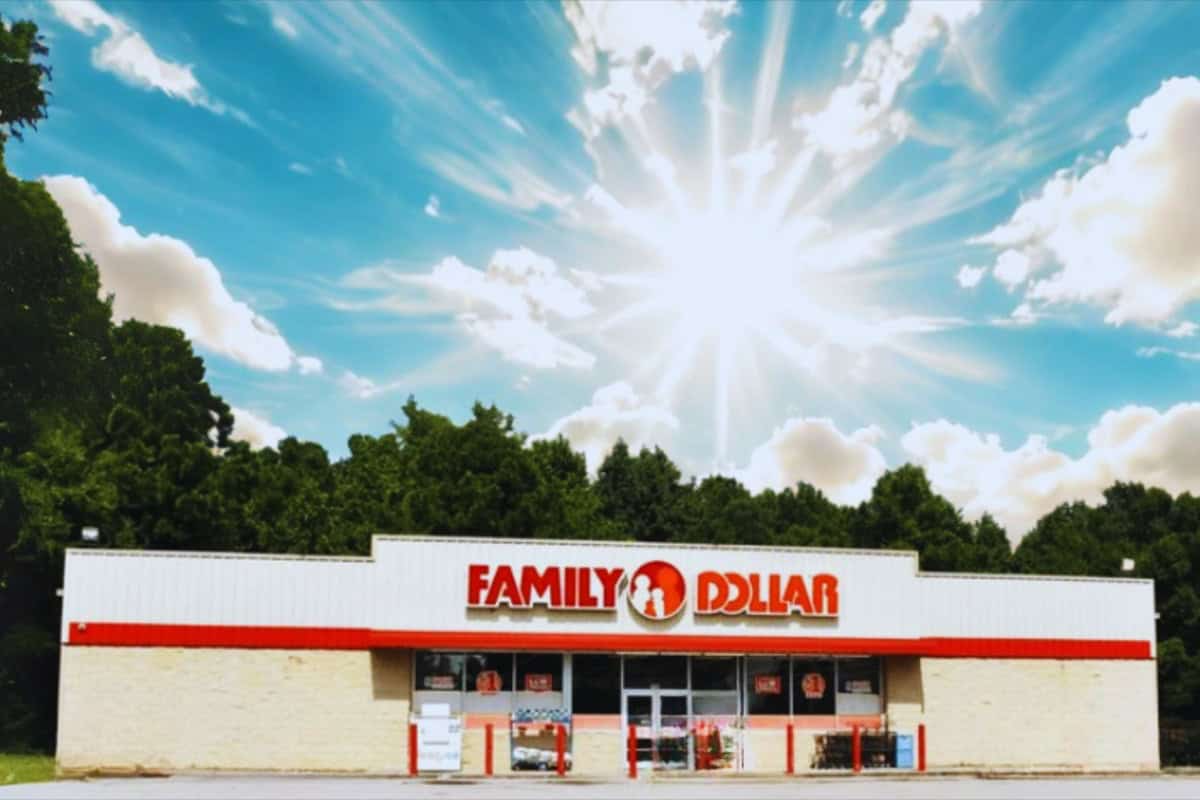
South Carolina’s rural footprint (46 counties, 33% population rural) and affordable cost of living make it ideal for Dollar General (680+ stores, most SC locations), Dollar Tree (260+ stores), and Family Dollar (380+ stores) with recession-resistant essential retail and corporate-guaranteed leases serving price-conscious consumers and military families.

Dollar store advantages:

  • Dollar General: 680+ SC stores (largest footprint in state)
  • Rural dominance: 23 rural counties = limited retail competition
  • Corporate guarantees: Investment-grade credit (BBB)
  • Military proximity: Fort Jackson, Shaw AFB (enlisted families)

Cap rates: 7.0-8.0% (higher yields than urban pharmacy/QSR)

Typical prices: $1M-$2M (corporate lease), $750K-$1.5M (franchise)

4. Convenience Stores (C-Stores)

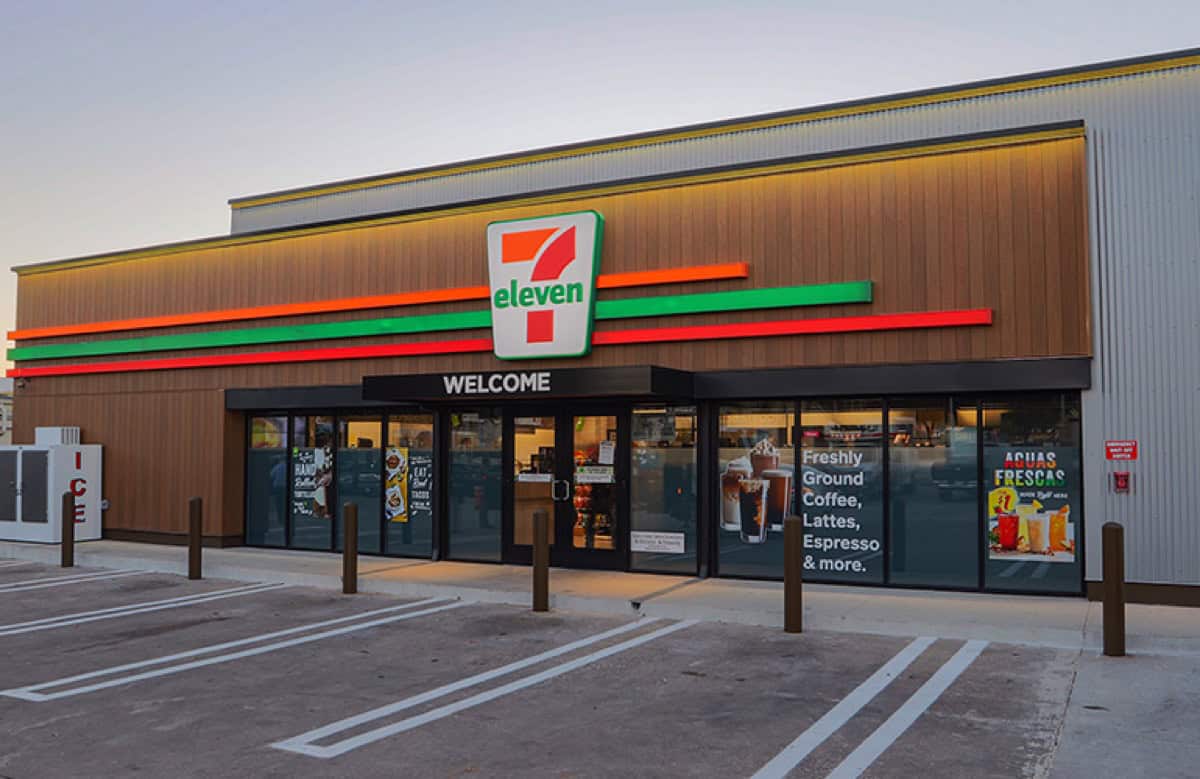
South Carolina’s I-95 corridor (East Coast main artery), tourism traffic (Myrtle Beach, Hilton Head), and regional brands—Parker’s (65+ stores, Savannah-based), Spinx (80+ stores, Greenville-based), Circle K (100+ stores)—offer dual fuel/retail revenue and 24/7 demand from tourists, truckers, and locals.

C-store advantages:

  • I-95 corridor: East Coast main artery (Florida-Northeast traffic)
  • Tourism routes: US-17 (Charleston-Myrtle Beach), US-501 (Myrtle Beach access)
  • Regional brands: Parker’s (Savannah loyalty), Spinx (Upstate SC)
  • 24/7 demand: Tourism, trucking, shift workers

Cap rates: 6.0-7.0% (regional brands), 5.5-6.5% (national brands)

Typical prices: $2M-$4M (c-store/fuel), $3M-$6M (travel center)

5. Auto Parts (AutoZone, O’Reilly, Advance Auto)

South Carolina’s manufacturing economy (BMW, Volvo workforce), coastal humidity (corrosion, rust), older vehicle fleet (12.8 years average age), and DIY culture drive consistent auto parts demand with AutoZone (130+ SC stores), O’Reilly (110+ SC stores), and Advance Auto Parts (150+ SC stores, HQ in Raleigh NC) providing recession-resistant NNN opportunities.

Auto parts tenant strength:

  • Advance Auto Parts: 150+ SC stores (Carolina regional strength, Raleigh HQ)
  • Manufacturing workforce: BMW/Volvo blue-collar DIY (cost-conscious)
  • Coastal corrosion: Salt air, humidity = accelerated maintenance
  • Recession-resistant: 2008-2009 recession = DIY surge

Cap rates: 6.0-7.0% (established locations)

Typical prices: $1.5M-$3M (single-tenant freestanding)

6. Healthcare (Dialysis, Urgent Care, Medical Office)

South Carolina’s aging population (18.2% over 65, growing 3% annually) and retiree influx drive medical office, dialysis (Fresenius, DaVita), and urgent care (MedExpress, Urgent Care of the Lowcountry) NNN demand with long-term leases and essential healthcare stability across Charleston, Greenville, Hilton Head, and Myrtle Beach retirement markets.

Healthcare advantages:

  • Aging population: 18.2% over 65 (vs 16.8% nationally), growing 3%/year
  • Retiree influx: Northeast migration (healthcare demand)
  • Medicare coverage: Dialysis, urgent care reimbursement
  • Coastal markets: Charleston, Hilton Head, Myrtle Beach (retiree density)

Cap rates: 6.5-7.5% (dialysis, urgent care)

Typical prices: $2M-$5M (dialysis center), $1.5M-$3M (urgent care)


Key South Carolina Markets for NNN Investment

1. Charleston Metro (Charleston, Berkeley, Dorchester Counties)

Population: 800K+ (+20% 2010-2020, fastest major SC metro)

Median household income: $70K

Key advantages:

  • Explosive population growth (+20% 2010-2020)
  • Boeing 787 Dreamliner plant (7,000 jobs)
  • Port of Charleston (#7 US container port)
  • Tourism economy (14M+ visitors, $9B impact)
  • Tech sector growth (Blackbaud, Booz Allen, Google)

Top NNN opportunities:

  • Mount Pleasant: Affluent suburb ($120K+ median income, Chick-fil-A, Starbucks)
  • West Ashley: Growth corridor (new development, QSR, pharmacy)
  • Summerville: Fastest growth (+35% 2010-2020, dollar stores, essential retail)
  • North Charleston: Boeing proximity (blue-collar, c-stores, auto parts)

2. Greenville/Spartanburg Metro (Upstate SC)

Population: 1.4M (combined metro)

Median household income: $58K

Key advantages:

  • BMW manufacturing (11,000 jobs, largest plant globally)
  • Michelin North America HQ (10,000+ SC jobs)
  • 150+ automotive suppliers (BMW supply chain)
  • Bob Jones University, Clemson proximity
  • Cultural amenities (downtown Greenville revitalization)

Top NNN opportunities:

  • Spartanburg: BMW plant proximity (blue-collar QSR, auto parts)
  • Greenville: Downtown revitalization (premium retail, Starbucks)
  • Greer: BMW supplier base (Dollar General, essential retail)
  • Simpsonville: Suburban growth (pharmacy, QSR)

3. Columbia Metro (Midlands, State Capital)

Population: 840K (+10% 2010-2020)

Median household income: $60K

Key advantages:

  • State capital (50,000+ government jobs)
  • University of South Carolina (35K students)
  • Fort Jackson military base (45,000 soldiers/civilians)
  • Distribution hub (I-77/I-20 crossroads)
  • Stable government employment

Top NNN opportunities:

  • Northeast Columbia: Affluent suburbs (pharmacy, premium QSR)
  • Fort Jackson area: Military demand (dollar stores, auto parts, QSR)
  • Downtown Columbia: Urban revitalization (Walgreens, CVS)
  • Lexington/Irmo: Suburban growth (new development)

4. Myrtle Beach Metro (Grand Strand)

Population: 480K (+19% 2010-2020)

Median household income: $50K

Key advantages:

  • Tourism capital (20M+ annual visitors)
  • 60-mile Grand Strand coastline
  • Year-round retiree population
  • Golf mecca (100+ courses, top US golf destination)
  • Coastal Carolina University (11K students)

Top NNN opportunities:

  • Highway 17: Tourist corridor (QSR drive-through, c-stores)
  • Market Common: Upscale planned community (Starbucks, premium retail)
  • Carolina Forest: Fastest-growing inland (new development, pharmacy)
  • North Myrtle Beach: Retiree density (pharmacy, healthcare)

5. Hilton Head/Bluffton (Lowcountry)

Population: 210K (+32% 2010-2020, fastest SC growth)

Median household income: $75K

Key advantages:

  • Luxury resort island (14M visitors/year)
  • Golf/tennis destination (world-class resorts)
  • High-net-worth retirees ($100K+ median income Hilton Head)
  • Bluffton growth spillover (affordable alternative to island)
  • Beaufort Marine Corps proximity

Top NNN opportunities:

  • Hilton Head: Premium retail (Starbucks, Chick-fil-A, Walgreens)
  • Bluffton: Growth explosion ($75K median income, new development)
  • Okatie: US-278 corridor (Bluffton overflow, QSR, pharmacy)
  • Beaufort: Historic downtown (tourism, military)

How to Evaluate South Carolina NNN Properties

1. Verify Tenant Credit Strength

Confirm financial stability through:

  • Credit ratings: S&P, Moody’s, Fitch (investment-grade preferred)
  • Financial statements: Public companies (10-K, 10-Q filings)
  • Store performance: Sales/sq ft, comparable store sales growth
  • Lease guarantee: Corporate vs franchise (corporate = stronger)

Investment-grade tenants: Walgreens (BBB), CVS (BBB), Dollar General (BBB), McDonald’s (BBB+), Chick-fil-A (unrated but AAA-equivalent sales)

2. Analyze Location Demographics

South Carolina demographics vary significantly by market:

Coastal metros (Charleston, Myrtle Beach, Hilton Head):

  • Population density: 800-2,000/sq mi
  • Median household income: $50K-$120K (wide range by submarket)
  • Traffic: 20,000-50,000 vehicles/day (tourist corridors)
  • Growth: +15-35% 2010-2020 (explosive)

Upstate manufacturing (Greenville, Spartanburg):

  • Population density: 600-1,200/sq mi
  • Median household income: $55K-$70K (blue-collar affluent)
  • Traffic: 15,000-35,000 vehicles/day
  • Demographics: Manufacturing workforce, families

Rural markets (23 rural counties):

  • Population density: 40-120/sq mi
  • Median household income: $40K-$55K
  • Traffic: 5,000-15,000 vehicles/day
  • Competition: Limited (dollar stores dominate)

3. Review Lease Terms Carefully

Scrutinize:

  • Lease term remaining: 10+ years preferred (financing, stability)
  • Rent escalations: 1.5-2% annual increases (inflation hedge), 10-15% every 5 years
  • Renewal options: 2-4 renewal periods (40-60 year total potential)
  • Lease type: Absolute NNN (tenant pays ALL), ground lease (land only)
  • Corporate guarantee: Parent company backing (vs franchise)

Red flags:

  • Short remaining term (<5 years) = refinancing risk
  • No escalations = inflation erosion
  • Franchise guarantee only (corporate preferred)
  • Excessive landlord responsibilities (not true NNN)

4. Understand South Carolina Market Risks

South Carolina-specific considerations:

Hurricane risk:

  • Category 1-2 hurricanes every 5-10 years (Charleston, Myrtle Beach, Hilton Head)
  • Category 3+ rare but possible (Hugo 1989, Matthew 2016, Florence 2018)
  • Mitigation: Require comprehensive wind/hurricane insurance, building codes strengthened post-Hugo

Coastal flooding:

  • King tides, sea level rise (Charleston especially vulnerable)
  • FEMA flood zone verification essential
  • Mitigation: Flood insurance, elevated construction

Tourism seasonality:

  • Myrtle Beach highly seasonal (summer peak, winter slow)
  • Charleston year-round but summer-weighted
  • Mitigation: Focus on tenant credit (national brands), not tourism-dependent concepts

Manufacturing concentration:

  • BMW/Volvo dominance in Upstate SC (economic cyclicality)
  • Automotive industry recession risk
  • Mitigation: Diversify across Charleston (tourism), Columbia (government), coastal (retirees)

5. Perform Property Due Diligence

Standard commercial real estate inspections:

  • Phase I Environmental Assessment: Required (all properties)
  • Property Condition Report (PCR): Roof, HVAC, parking lot (wind damage assessment)
  • Survey: Boundary verification, easements, encroachments
  • Title review: Liens, judgments, deed restrictions

South Carolina-specific:

  • Wind/hurricane damage history: Prior claims, structural repairs, roof condition
  • Flood zone verification: FEMA maps (coastal properties especially)
  • Coastal erosion assessment: Beachfront or near-coastal properties
  • Building code compliance: Post-Hugo codes (1989), wind-rated construction

South Carolina NNN Property Case Study

Walgreens — Mount Pleasant, SC (Charleston Suburb)

Purchase price: $5,400,000
Cap rate: 5.75%
Annual NOI: $310,500
Lease term: 18 years remaining
Tenant: Walgreens (NYSE: WBA, BBB credit)

Why this property works:

  1. Tax advantage vs high-tax states:
    • $310,500 NOI with 6.5% SC income tax = $20,183 annual state tax
    • Saves $21,114/year vs California (13.3%)
    • Saves $13,662/year vs New York (10.9%)
    • Compounded savings: $315K+ over 18-year hold vs California
  2. Mount Pleasant location — Charleston’s wealthiest suburb:
    • Charleston metro’s premier suburb ($120K+ median household income)
    • +25% population growth 2010-2020 (explosive suburban expansion)
    • Boeing 787 plant 15 miles north (7,000 high-wage jobs)
    • Coastal lifestyle (beaches, boating, historic Charleston access)
  3. Walgreens strength:
    • Corporate guarantee (BBB credit rating)
    • 123-year operating history (90-95% renewal rate)
    • 220+ South Carolina locations (statewide footprint)
    • Essential healthcare retail (aging SC population 18.2% over 65)
  4. Lease structure:
    • 18 years remaining (2042 expiration)
    • 1.5% annual rent increases (inflation hedge)
    • Two 5-year renewal options (28 years total potential)
    • Absolute NNN (tenant pays taxes, insurance, maintenance, hurricane insurance)

Investor outcome:

  • $310,500 annual cash flow (6.5% state tax)
  • $315K+ tax savings vs California (18-year hold)
  • Property appreciation potential (Charleston +20% growth, Mount Pleasant premium)
  • Hurricane insurance tenant-paid (landlord risk-free)
  • Total return: 9-11% IRR projected (cash flow + appreciation + tax savings + coastal premium)

Frequently Asked Questions (FAQs)

How does South Carolina’s 6.5% income tax compare to other Southeast states?

South Carolina’s 6.5% income tax is mid-range for Southeast states, higher than North Carolina (4.75%), Georgia (5.75%), and Tennessee (0%), but materially lower than high-tax exit states (California 13.3%, New York 10.9%) and competitive with Virginia (5.75%).

Tax comparison:

  • Zero-tax states: 0% (FL, TN, TX) — lowest burden
  • North Carolina: 4.75% — lower than SC
  • Georgia: 5.75% — slightly lower than SC
  • Virginia: 5.75% — slightly lower than SC
  • South Carolina: 6.5% — moderate Southeast
  • California: 13.3% — 2x higher than SC
  • New York: 10.9% — 68% higher than SC

Tax savings for $100K NOI:

  • South Carolina: $6,500 annual tax
  • California: $13,300 annual tax = $6,800 more than SC
  • New York: $10,900 annual tax = $4,400 more than SC

Additional SC advantages:

  • No Social Security tax: Retirement income exempt (vs 12 states that tax SS)
  • Low property tax: 0.55% effective rate (10th lowest nationally)
  • No local income tax: Statewide rate only (vs NYC/LA local taxes)

Strategic positioning: SC is not lowest-tax Southeast state, but offers coastal lifestyle + growth + material tax savings vs high-tax exits while maintaining competitive rates.

Is Charleston really growing 20%, or is that exaggerated?

Charleston metro growth is verified at +20% 2010-2020 (US Census: 664K to 799K population), making Charleston the fastest-growing major metro in Southeast alongside Nashville (+15%), Austin (+20%), and Raleigh (+18%).

Growth verification:

  • US Census 2010: 664,607 population
  • US Census 2020: 799,636 population
  • Growth: +135,029 (+20.3%)
  • Ranking: #15 fastest-growing US metro (>500K population)

Growth drivers (confirmed):

  • Boeing: 787 Dreamliner final assembly (7,000 jobs, operational since 2011)
  • Port expansion: $2B+ deepening project (post-Panamax, completed 2021)
  • Tech sector: Google data center ($600M), Blackbaud HQ (2,000 jobs), Booz Allen
  • Coastal migration: Remote workers, retirees (Charleston named #1 US city by Travel+Leisure)

Continued growth projection:

  • 2020-2030: Projected +15% (800K to 920K)
  • Boeing expansion: 787-10 variant production
  • Volvo proximity: Ridgeville plant 40 miles north (supply chain spillover)

Investment implication: Charleston’s 20% growth is legitimate and sustainable—Boeing anchor ensures continued employment growth, coastal appeal drives retiree/remote worker in-migration.

What are the risks of hurricane exposure in coastal South Carolina?

Hurricane risk is real in coastal South Carolina (Charleston, Myrtle Beach, Hilton Head), with Category 1-2 hurricanes every 5-10 years and Category 3+ rare (Hugo 1989, Matthew 2016, Florence 2018), but NNN properties carry tenant-paid hurricane insurance (absolute NNN leases) and strengthened building codes post-Hugo minimize investor cash flow disruption.

Hurricane history:

  • Hugo (1989): Category 4, $7B damage (Charleston), building codes strengthened after
  • Matthew (2016): Category 1 at landfall (coastal flooding, minor wind damage)
  • Florence (2018): Category 1 at landfall (flooding, not wind-driven)
  • Frequency: Major hurricane (Cat 3+) every 20-30 years, minor (Cat 1-2) every 5-10 years

Risk mitigation:

  • Tenant pays insurance: Absolute NNN leases require tenant maintain wind/hurricane coverage ($2M+ typical)
  • Strengthened codes: Post-Hugo building codes (1989) require wind-rated construction, elevated foundations
  • Rent continues: NNN lease “damage/destruction” clauses typically require tenant continue rent even if property damaged
  • Insurance proceeds: Landlord receives insurance payout + rent during rebuild (minimal cash flow disruption)

Investment strategy:

  • Inland properties: West Ashley, Summerville, Columbia (lower risk, lower insurance)
  • National tenants: Walgreens, CVS, McDonald’s (rebuild quickly, deep pockets)
  • Elevated construction: Verify FEMA flood zone, building elevation
  • Insurance verification: Confirm tenant maintains adequate coverage ($2M+ liability, wind/flood)

Conclusion: Hurricane risk is real but manageable—tenant-paid insurance + building codes + national tenants = minimal investor disruption. Higher returns (5.5-6.5% cap rates) compensate for hurricane risk.

Should I invest in Charleston vs Greenville vs Myrtle Beach?

Choose Charleston if:

  • You want maximum appreciation potential (+20% growth 2010-2020)
  • You prefer diverse economy (Boeing, Port, tourism, tech)
  • You’re targeting premium demographics ($120K+ Mount Pleasant)
  • You accept hurricane risk for coastal premium

Choose Greenville/Spartanburg if:

  • You want manufacturing stability (BMW 11,000 jobs, recession anchor)
  • You prefer inland location (no hurricane risk)
  • You’re targeting blue-collar QSR, auto parts (BMW workforce)
  • You want higher cap rates (6.0-7.0% vs 5.5-6.5% Charleston)

Choose Myrtle Beach if:

  • You want tourism economy (20M+ visitors, year-round retirees)
  • You’re targeting highest cap rates (6.5-7.5%, reflecting seasonality)
  • You focus on national tenant credit (mitigates tourism seasonality)
  • You understand seasonal variability (summer peak, winter slow)

Diversification strategy: 50% Charleston (growth), 30% Greenville (stability), 20% Myrtle Beach/Hilton Head (yield) balances appreciation, stability, and current cash flow across SC’s three economic engines.

Can I use a 1031 exchange to buy South Carolina NNN properties?

Yes. South Carolina’s 6.5% income tax makes it an attractive 1031 exchange destination for investors selling high-tax-state properties (California, New York, New Jersey) who want coastal lifestyle + growth + material tax relief while deferring capital gains from sale.

1031 exchange advantages:

  • Defer federal capital gains (15-20% + 3.8% NIIT)
  • Reduce state income tax: 6.5% SC vs 13.3% CA (6.8% savings)
  • Coastal lifestyle: Charleston beaches, Hilton Head golf, Myrtle Beach resort
  • Growth markets: Charleston +20%, Hilton Head/Bluffton +32%
  • Estate planning: Step-up in basis at death (heirs inherit tax-free)

Example: New York seller with $600K gain on multifamily:

  • Taxable sale: $90K federal capital gains + $65.4K New York state tax = $155.4K tax
  • 1031 to South Carolina: Defer all taxes, future cash flow 6.5% SC tax (vs 10.9% NY)
  • Annual savings: $4,400/year on $100K NOI (4.4% tax difference)
  • Lifetime benefit: $155.4K deferred + $66K over 15 years = $221K total

Requirements: 45-day identification, 180-day close, like-kind property (commercial NNN qualifies)

SC lifestyle bonus: Charleston dining/culture, Hilton Head golf, mild winters, Southern hospitality—quality of life upgrade alongside tax savings.

What cap rates should I expect for South Carolina NNN properties?

South Carolina cap rates range 5.5-8.0% depending on tenant credit, location, and lease term—generally comparable to Georgia (5.5-7.5%) and 0.5-1.0% higher than Florida (5.0-6.5%) due to SC’s higher income tax (6.5% vs FL 0%).

Tenant Type Charleston Greenville/Spartanburg Myrtle Beach Rural SC
Premium QSR (Chick-fil-A) 5.5-6.0% 6.0-6.5% 6.0-6.5% 6.5-7.0%
Pharmacy (Walgreens, CVS) 5.5-6.5% 6.0-6.5% 6.0-7.0% 6.5-7.0%
Standard QSR (McDonald’s) 6.0-6.5% 6.0-7.0% 6.5-7.0% 7.0-7.5%
Dollar Stores 7.0-7.5% 7.0-8.0% 7.5-8.0% 7.5-8.0%
Auto Parts 6.0-6.5% 6.5-7.0% 6.5-7.5% 7.0-7.5%
C-Stores 6.0-7.0% 6.5-7.5% 7.0-7.5% 7.0-8.0%

South Carolina cap rate positioning:

  • Higher than: Florida (5.0-6.5%) — zero-tax premium
  • Similar to: Georgia (5.5-7.5%), North Carolina (5.5-7.0%) — Southeast peers
  • Lower than: Declining markets (8-9%+)

Charleston premium: Charleston properties trade 0.25-0.50% lower cap rates (higher prices) due to explosive growth (+20%) and coastal premium—investors pay more for appreciation potential.

Are regional brands (Zaxby’s, Bojangles, Spinx) as strong as national brands?

Regional brands can be excellent NNN investments IF the region is their core market (Carolinas for Zaxby’s/Bojangles, Upstate SC for Spinx) because local loyalty + operational focus + growth potential can match or exceed national brand performance.

Regional brand advantages:

  • Local loyalty: Deep Carolina roots (Bojangles founded NC 1977, Zaxby’s GA 1990)
  • Operational focus: Not diluted by national expansion (management attention)
  • Growth potential: Expanding within core market (population growth = store growth)
  • Undervalued: Cap rates 0.25-0.50% higher than McDonald’s/Chick-fil-A (better yield)

Regional brand risks:

  • Limited geographic reach: Recession in Carolinas = no other markets to offset
  • Smaller credit profile: Not investment-grade rated (vs McDonald’s BBB+)
  • Financing challenges: Lenders prefer national brands (lower LTV, higher rates)

Investment strategy:

  • 75% national brands (Walgreens, CVS, McDonald’s, Chick-fil-A) for stability
  • 25% regional brands (Zaxby’s, Bojangles, Spinx) for yield + local upside

Due diligence: Verify strong unit economics (sales/sq ft), growth trajectory, and corporate guarantee (not franchise) for regional brands.


Ready to Invest in South Carolina NNN Properties?

American Net Lease specializes in South Carolina triple net lease investments across Charleston’s explosive coastal growth, Greenville’s BMW manufacturing hub, Columbia’s stable capital, and coastal resort markets statewide. Our 6.5% income tax, coastal lifestyle, and Southeast growth create exceptional conditions for passive income investors seeking appreciation + cash flow + quality of life.

Browse our current inventory of South Carolina NNN properties or call 239.236.2626 to discuss exclusive opportunities.

View South Carolina NNN Properties for Sale | Download Our South Carolina Market Report | Schedule a Consultation

Invest in the Palmetto State. Charleston growth. Coastal lifestyle. Build generational wealth with South Carolina NNN properties.