📞 (239) 236-2626|📧 info@buynnnproperties.com

North Carolina NNN Properties for Sale

North Carolina NNN Properties For Sale

Access Quality Triple Net Lease Investments

Get TODAY's Available NNN Properties

Fill out this form and receive your customised list now!


Below are North Carolina NNN Properties for Sale

North Carolina NNN Properties for Sale: Banking Hub + Tech Corridor

North Carolina NNN Properties offer investors access to the nation’s second-largest banking center (Charlotte), Research Triangle technology corridor (Raleigh-Durham-Chapel Hill), 4.75% income tax (vs Northeast 8-13%), affordable Southeast cost of living, and strong corporate relocations creating exceptional triple net lease investment opportunities in America’s fastest-growing banking and technology markets.

North Carolina NNN properties Charlotte banking hub investment

American Net Lease specializes in North Carolina NNN investments statewide. Browse current listings or call 239.236.2626 to discuss Charlotte, Raleigh, or Greensboro opportunities.

Why Invest in North Carolina NNN Properties?

North Carolina combines explosive economic growth (Charlotte #1 fastest-growing metro 2020-2025), technology leadership (Research Triangle Park, second-largest tech hub), financial services dominance (Bank of America HQ, Wells Fargo operations hub), affordable cost of living (15-30% below Northeast), 4.75% state income tax (vs CA 13.3%, NY 10.9%), military presence (Fort Liberty, Camp Lejeune), education corridor (UNC, Duke, NC State), and pro-business environment creating premier triple net lease investment market in the Southeast.

1. Charlotte: America’s Second Banking Capital

Charlotte rivals New York as financial services hub:

Banking & finance presence:

  • Bank of America: Global headquarters (60,000+ employees Charlotte metro)
  • Wells Fargo: East Coast operations hub (26,000+ employees)
  • Truist Financial: Headquarters (merger of BB&T and SunTrust)
  • Total employment: 100,000+ financial services jobs Charlotte metro
  • Only NYC larger: Charlotte #2 banking center in America

Economic impact:

  • GDP: $200+ billion Charlotte metro (14th largest US metro)
  • Population: 2.8+ million metro (15th largest, growing rapidly)
  • Job growth: 3-4% annually (consistently top 10 metros)
  • Median income: $68,000 metro (above national average)
  • Fortune 500 HQs: 10+ (Bank of America, Lowe’s, Duke Energy, others)

Real estate demand:

  • Office space: 70+ million sq ft (expanding for finance)
  • Retail growth: Affluent suburbs support premium retail
  • Industrial: Distribution hub for Southeast
  • Residential: Fastest-growing housing market 2020-2025
  • NNN properties: High demand from relocating executives

Charlotte advantages for NNN investors:

  • High-income residents: Banking executives
  • Recession resilience: Financial services stability
  • Corporate relocations: From NYC, Boston (lower cost)
  • Growth trajectory: Sustained 3-4% annual growth
  • Quality tenants: National chains follow banking jobs

Charlotte = Financial services powerhouse driving NNN demand

2. Research Triangle: Second-Largest Tech Hub

North Carolina Research Triangle tech corridor NNN real estate

Research Triangle Park (RTP) rivals Silicon Valley:

Technology corridor:

  • Research Triangle Park: 7,000 acres, 300+ companies, 55,000+ employees
  • Second-largest tech hub: Behind Silicon Valley, ahead of Boston
  • Anchor companies: Apple (3,000+ employees), Google, IBM, Cisco, Epic Games
  • Raleigh-Durham-Chapel Hill: 2.2 million metro population
  • University partnership: UNC, Duke, NC State (talent pipeline)

Industry sectors:

  • Life sciences: Pharmaceuticals, biotech (major sector)
  • Information technology: Software, data analytics
  • Clean energy: Duke Energy, renewables research
  • Advanced manufacturing: Aerospace, automotive tech
  • Financial tech: Growing fintech presence

Economic metrics:

  • Median income: $72,000+ (tech salaries)
  • Education: 50%+ bachelor’s degree or higher
  • Job growth: 2-3% annually (sustained)
  • Venture capital: $2+ billion annually (startups)
  • Patents: Top 10 US metros (innovation)

RTP advantages for NNN investors:

  • Educated workforce: College graduates
  • High incomes: Tech salaries support retail
  • Recession resistant: Tech sector resilience
  • Young demographics: 25-45 age (prime spending)
  • Quality of life: Attracts talent, families

Research Triangle = Technology growth fueling real estate demand

3. Affordable Cost of Living vs Northeast

North Carolina offers 15-30% savings vs high-cost states:

Cost comparison (vs Northeast):

  • Housing: 30-50% less than NYC, Boston, DC
  • Overall COL: 15-30% below Northeast average
  • Commercial real estate: 20-40% lower lease rates
  • Labor costs: 10-20% below Northeast
  • Utilities: 15-25% less than Northeast

Charlotte cost advantages:

  • Median home: $400K (vs $800K+ NYC metro)
  • Rental rates: $1,400-2,000 (vs $3,000+ NYC)
  • Office space: $25-35/sq ft (vs $60-100 NYC)
  • Retail NNN rent: 15-25% below Northeast
  • Quality of life: Larger homes, shorter commutes

Research Triangle affordability:

  • Median home: $450K (vs $900K+ Boston)
  • Tech salary stretch: Goes further than Silicon Valley
  • Startup costs: Lower than Boston, NYC
  • Retail space: Affordable for emerging brands
  • Family-friendly: Suburban lifestyle attainable

Corporate relocation impact:

  • Companies save: 20-30% operating costs
  • Employees gain: Higher purchasing power
  • Real estate demand: Sustained from relocations
  • NNN tenants: National brands follow corporations

Affordability = Competitive advantage driving growth

4. Favorable 4.75% Income Tax

North Carolina tax structure competitive:

State income tax:

  • Flat rate: 4.75% (all income levels)
  • Competitive: Lower than most East Coast states
  • Comparison: CA 13.3%, NY 10.9%, NJ 10.75%, VA 5.75%
  • Advantage: Attracts high earners from Northeast

Property tax:

  • Moderate: 0.77% average effective rate
  • Comparison: Lower than NJ (2.2%), NY (1.7%), higher than FL (0.9%)
  • Predictable: Annual increases modest
  • NNN impact: Tenant pays (triple net)

Tax advantages vs high-tax states:

  • $200K income: Saves $16,500 annually vs CA (13.3%)
  • $200K income: Saves $12,200 annually vs NY (10.9%)
  • $200K income: Saves $11,900 annually vs NJ (10.75%)
  • Wealth retention: More income stays in state

1031 exchange appeal:

  • California → NC: Escape 13.3% state tax, maintain income
  • Northeast → NC: Reduce tax burden 50%+
  • Maintain quality: Charlotte/Raleigh comparable to major metros
  • Tax savings: Amplifies net cash flow

4.75% tax = Competitive advantage for talent, capital

5. Multiple Strong Markets Statewide

North Carolina diversified across metros:

Charlotte metro (2.8M population):

  • Banking: Bank of America, Wells Fargo, Truist HQs
  • Growth: Fastest-growing large metro 2020-2025
  • Suburbs: Affluent communities (Ballantyne, SouthPark)
  • NNN opportunities: Premium retail, QSR, pharmacies

Research Triangle (2.2M population):

  • Raleigh-Durham-Chapel Hill: Combined metro
  • Tech: Apple, Google, IBM, Epic Games
  • Universities: UNC, Duke, NC State
  • NNN opportunities: Tech-driven retail, services

Greensboro-Winston-Salem (1.7M population):

  • Piedmont Triad: Manufacturing, logistics
  • Transportation: I-40/I-85 intersection, PTI airport
  • Corporate: Truist, Hanesbrands, Honda Aircraft
  • NNN opportunities: Industrial, value retail

Secondary markets:

  • Asheville: Tourism, retirees (950K metro)
  • Wilmington: Port, coastal growth (300K metro)
  • Fayetteville: Fort Liberty (military, 550K metro)
  • Outer Banks: Coastal tourism

Statewide advantages:

  • Geographic diversity: Mountains to coast
  • Economic diversity: Finance, tech, manufacturing, military, tourism
  • Population growth: All metros expanding
  • Infrastructure: I-85/I-40 corridors, airports, ports

Multiple metros = Diversification + opportunity

6. Strong Corporate Relocation Trends

North Carolina winning relocation battles:

Major corporate moves (recent):

North Carolina cities NNN triple net lease markets
  • Apple: $1 billion campus, 3,000 jobs (Research Triangle)
  • Google: Expansion, data centers (Durham)
  • Microsoft: 1,500+ jobs (Charlotte)
  • Lowe’s: Expanding HQ (Mooresville, Charlotte metro)
  • Honeywell: Global HQ relocation (Charlotte)

Northeast exodus:

  • Companies: From NYC, Boston, Philadelphia
  • Reasons: Lower costs, talent availability, quality of life
  • Finance: Charlotte alternatives to NYC
  • Tech: Research Triangle alternatives to Boston
  • Impact: Sustained demand for office, retail, residential

Why companies choose North Carolina:

  • Business climate: Pro-business policies, right-to-work state
  • Talent: Research Triangle universities produce 10,000+ STEM grads annually
  • Cost savings: 20-30% lower operating costs vs Northeast
  • Quality of life: Weather, affordability, education attract employees
  • Infrastructure: Airports, highways, fiber networks

Corporate relocations impact on NNN:

  • Retail follows jobs: National chains open locations
  • Pharmacy demand: CVS, Walgreens expand for population
  • QSR growth: McDonald’s, Chick-fil-A, Starbucks follow workers
  • Service retail: Banks, fitness, services expand
  • Sustained demand: Long-term growth trajectory

Corporate growth = NNN tenant pipeline

7. Military Presence & Government Employment

North Carolina significant military economic driver:

Major installations:

  • Fort Liberty (formerly Bragg): 50,000+ active duty, largest Army base
  • Camp Lejeune: 35,000+ Marines (largest Marine base East Coast)
  • Seymour Johnson AFB: 10,000+ Air Force (Goldsboro)
  • Total military: 100,000+ active duty statewide
  • Veterans: 750,000+ (8% of population)

Economic impact:

  • Direct spending: $50+ billion annually (military + defense contractors)
  • Jobs: 150,000+ military, civilian, contractor
  • Stability: Recession-proof government employment
  • Retail demand: Military families support retail

Fayetteville metro (Fort Liberty):

  • Population: 550,000 metro
  • Military dominance: Fort Liberty economic anchor
  • Retail: Strong demand from military families
  • NNN opportunities: Dollar stores, QSR, pharmacies (military-driven)

Military advantage for NNN investors:

  • Guaranteed income: Military paychecks recession-proof
  • Stable demand: Consistent retail spending
  • Young demographics: Military families (retail consumers)
  • Long-term presence: Bases permanent (not relocating)

Military = Recession-resistant tenant demand

8. Education Corridor & Quality of Life

Universities drive innovation and talent:

Major universities:

  • UNC Chapel Hill: 30,000+ students, top public university
  • Duke University: 16,000+ students, elite private (Durham)
  • NC State: 36,000+ students, engineering focus (Raleigh)
  • Wake Forest: 8,000+ students (Winston-Salem)
  • Total colleges: 100+ colleges/universities statewide

Talent pipeline:

  • STEM graduates: 10,000+ annually (Research Triangle)
  • Workforce: Educated, skilled labor pool
  • Retention: Many grads stay in North Carolina
  • Innovation: University partnerships drive tech growth
  • Entrepreneurship: Startup ecosystem

Quality of life factors:

  • Climate: Mild winters, warm summers (no extreme cold)
  • Geography: Mountains, Piedmont, coast (diverse)
North Carolina NNN properties investment opportunities
  • Recreation: Hiking, beaches, skiing (all accessible)
  • Culture: Arts, music (Charlotte, Asheville)
  • Family-friendly: Good schools, safe communities

Quality of life impact on NNN:

  • Attracts talent: People want to live here
  • Retains population: Lower out-migration
  • Supports retail: Affluent, educated consumers
  • Stable economy: Diversified workforce
  • Long-term growth: Sustainable population increases

Education + Quality of life = Sustainable growth

North Carolina NNN Investment Strategies

Charlotte Banking District Premium

Target financial services professionals:

Target areas:

  • Uptown Charlotte: Central business district
  • SouthPark: Luxury retail, affluent residential
  • Ballantyne: Corporate campus, upscale suburbs
  • Myers Park: Historic, wealthy neighborhood
  • Fort Mill, SC: Charlotte metro (just across border)

Target tenants:

  • Premium QSR: Chick-fil-A, Chipotle, Panera
  • Coffee: Starbucks, high-end coffee
  • Pharmacies: Walgreens, CVS (executive convenience)
  • Banks: National banks (financial services proximity)
  • Fitness: Upscale gyms, boutique fitness

Investment profile:

  • Purchase: $2M-5M+ (premium locations)
  • Cap rate: 5.5-6.5%
  • Demographics: $100K-$200K+ household income
  • Focus: Banking executives, affluent suburbs

Charlotte banking premium investors

Research Triangle Tech Corridor

Target technology professionals:

Target areas:

  • Raleigh: Downtown, North Hills, Brier Creek
  • Durham: RTP, downtown Durham revitalization
  • Chapel Hill: University area, Meadowmont
  • Cary: Affluent suburb (median income $110K+)
  • Morrisville: Airport corridor, corporate

Target tenants:

  • Fast casual: Chipotle, Panera, healthy options
  • Coffee: Starbucks, specialty coffee (tech workers)
  • Groceries: Whole Foods, Trader Joe’s, premium
  • Services: Dry cleaners, auto services (convenience)
  • Pharmacies: CVS, Walgreens (residential proximity)

Investment profile:

  • Purchase: $1.5M-4M
  • Cap rate: 6.0-7.0%
  • Demographics: $80K-$150K household income (tech)
  • Focus: Educated, young professionals

Tech corridor growth investors

Military Base Adjacent

Target military families:

Target areas:

  • Fayetteville: Fort Liberty proximity (Spring Lake, Hope Mills)
  • Jacksonville: Camp Lejeune area
  • Goldsboro: Seymour Johnson AFB
  • Military access corridors

Target tenants:

  • Dollar stores: Dollar General, Family Dollar (value focus)
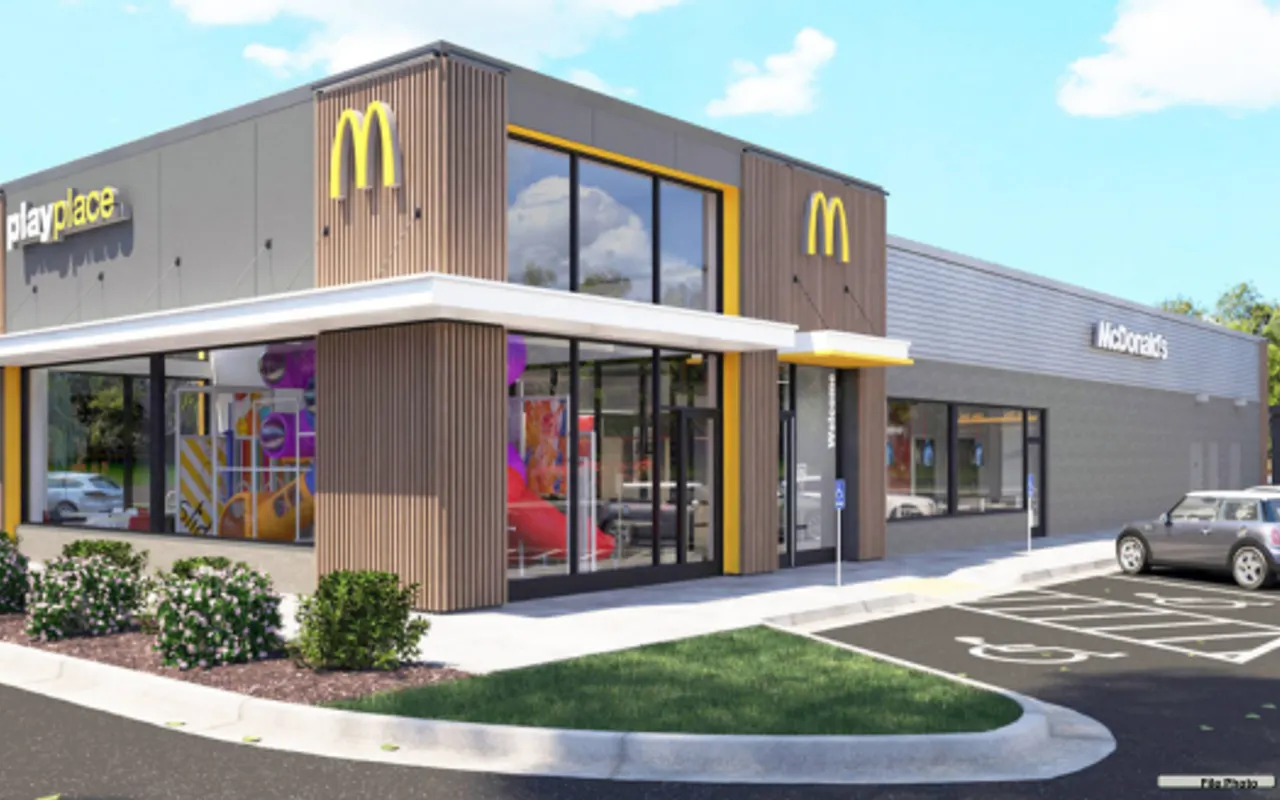
  • QSR: McDonald’s, Taco Bell, Wendy’s (affordable)
  • Pharmacies: CVS, Walgreens (family healthcare)
  • Auto services: Oil change, tire stores
  • Family services: Childcare, tutoring

Investment profile:

  • Purchase: $1M-2M
  • Cap rate: 7.0-8.0% (higher yields)
  • Demographics: $50K-$80K household income (military)
  • Focus: Recession-resistant government employment

Military-focused value investors

Piedmont Triad Logistics Hub

Target manufacturing and distribution:

Target areas:

  • Greensboro: I-40/I-85 junction
  • Winston-Salem: Manufacturing corridors
  • High Point: Furniture capital
  • Burlington: I-40 corridor

Target tenants:

  • QSR: McDonald’s, Burger King, Wendy’s
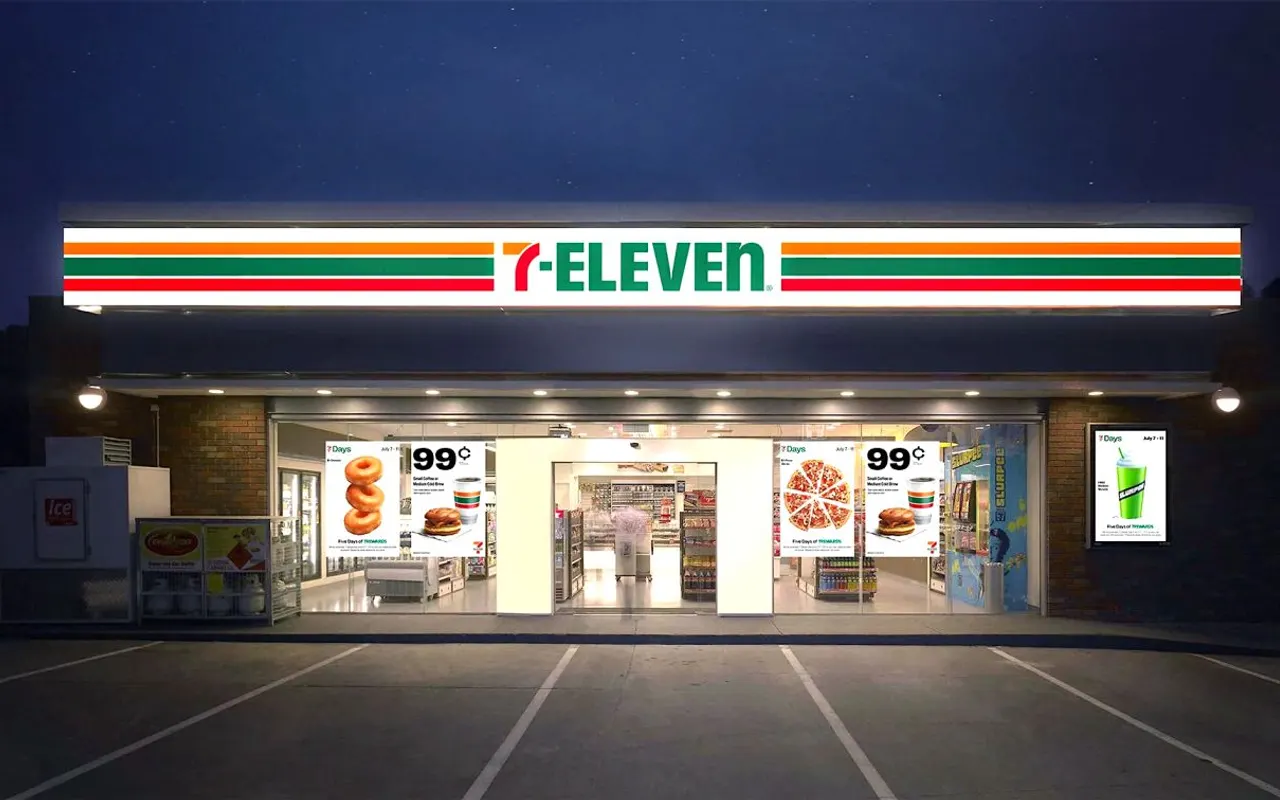
  • C-stores: 7-Eleven, Circle K (trucking demand)
  • Dollar stores: Dollar General (working-class)
  • Auto services: Truck stops, repair

Investment profile:

  • Purchase: $800K-2M
  • Cap rate: 7.0-7.5%
  • Demographics: $50K-$75K household income (blue-collar)
  • Focus: Industrial corridor stability

Industrial corridor investors

Evaluating North Carolina NNN Investments

Market Selection Analysis

Choose market based on strategy:

Charlotte advantages:

  • Highest income: Banking executives ($100K-$200K+)
  • Fastest growth: #1 fastest-growing 2020-2025
  • Premium tenants: Chick-fil-A, Starbucks, upscale
  • Lower cap rates: 5.5-6.5% (premium pricing)
  • Appreciation: Strongest land value growth

Research Triangle advantages:

  • Educated workforce: 50%+ bachelor’s degree
  • Tech stability: Diversified tech sector
  • University pipeline: Constant talent influx
  • Moderate cap rates: 6-7%
  • Long-term growth: Sustained

Greensboro-Winston-Salem advantages:

  • Affordability: Lower entry prices
  • Higher yields: 7-7.5% cap rates
  • Logistics: I-40/I-85 intersection
  • Stability: Manufacturing, transportation

Military markets advantages:

  • Recession-proof: Government employment
  • Highest yields: 7-8% cap rates
  • Value retail: Dollar stores, QSR
  • Stable demand: Consistent

Property Type Considerations

Tenant performance by market:

Premium QSR: Charlotte, Raleigh (affluent) Value QSR: Fayetteville, Greensboro (broad appeal) Pharmacies: All metros (universal) Dollar Stores: Fayetteville, rural C-Stores: Greensboro, Charlotte suburbs

Critical Due Diligence

Verify fundamentals:

  • Demographics: Income levels match tenant
  • Traffic counts: 25,000+ vehicles daily
  • Competition: Not over-retailed
  • Growth: Sustainable population/job trends

Current North Carolina NNN Properties for Sale

Featured North Carolina NNN Listings:


Looking for specific North Carolina markets? Contact our specialists at 239.236.2626 for Charlotte, Raleigh, or statewide opportunities.


North Carolina Investment Case Study

Investment Profile: Walgreens NNN – Charlotte Ballantyne

Property Details:

  • Tenant: Walgreens (BBB investment-grade)
  • Purchase Price: $3,200,000
  • Cap Rate: 6.25%
  • Annual NOI: $200,000
  • Lease Term: 18 years remaining (38 years total)
  • Rent Increases: 10% every 5 years
  • Location: Ballantyne, Charlotte

Market strength:

  • Bank of America corporate campus nearby
  • Median income $125,000+ (affluent)
  • 32,000 vehicles/day traffic
  • Growing rapidly

Tax advantage:

  • CA → NC: Save $17,100 annually
  • 18-year savings: $307,800

Performance:

  • 100% on-time rent (33 months)
  • Property value: $3.45M (7.8% appreciation)
  • Total 18-year income: $4.1M+

Investor testimonial:Charlotte is booming—every visit shows new construction. Banking sector keeps economy strong. Saving $17K annually vs California makes huge difference.”

Frequently Asked Questions

Are North Carolina NNN properties safe investments?

Yes, excellent with strong fundamentals. Charlotte #2 banking center, Research Triangle #2 tech hub, 4.75% competitive tax, corporate relocations sustained, multiple strong metros. Focus Charlotte/Raleigh metros for strongest growth.

What are typical cap rates?

5.5-8% depending on market. Charlotte premium: 5.5-6.5%, Research Triangle: 6-7%, Greensboro: 7-7.5%, Military: 7-8%. Premium justified by banking/tech strength.

How does Charlotte compare to Southeast cities?

Charlotte #2 banking center (unique), fastest-growing 2020-2025, Fortune 500 concentration. Offers optimal balance growth + quality + affordability in Southeast.

Is Research Triangle good alternative to major tech hubs?

Yes, second-largest tech hub. 15-30% lower costs vs Boston/Silicon Valley, strong universities (10K+ STEM grads annually), 4.75% tax vs CA 13.3%.

How significant is military presence?

Fort Liberty/Camp Lejeune create recession-proof demand in Fayetteville/Jacksonville. 7-8% cap rates, stable government employment, value retail focus.

Charlotte or Raleigh?

Charlotte for banking exposure + maximum appreciation (5.5-6.5% caps). Raleigh for tech diversification + university stability (6-7% caps). Both excellent.

What’s the 1031 exchange advantage?

CA → NC saves 8.55% annually (13.3% → 4.75%). $200K NOI = $17,100 annual savings, $342K over 20 years. Quality maintained.

Is growth sustainable long-term?

Yes, multi-decade runway. Banking entrenched, RTP universities permanent, military presence fixed, cost advantage persists. Charlotte likely 4M metro, Raleigh 3M within 20-30 years.

Next Steps: Invest in North Carolina NNN Properties

Ready to add Southeast’s premier banking and tech markets to your portfolio? Contact American Net Lease for Charlotte, Raleigh, or statewide opportunities.

📞 Call: 239.236.2626

📧 Email: Contact Us

🔍 Browse: View All North Carolina Properties


Additional Resources

Southeast NNN Markets:

Charlotte-Strong Tenants:


Build wealth with North Carolina NNN properties—#2 banking, Research Triangle tech, 4.75% tax. Call 239.236.2626 today.


Last Updated: February 2026