Chick-fil-A NNN Properties For Sale
Access Quality Triple Net Lease Investments
Get TODAY's Available NNN Properties
Fill out this form and receive your customised list now!
Below are Chick-fil-A NNN Properties for Sale
Chick-fil-A
- Fast Food Tenants
- $5,422,000
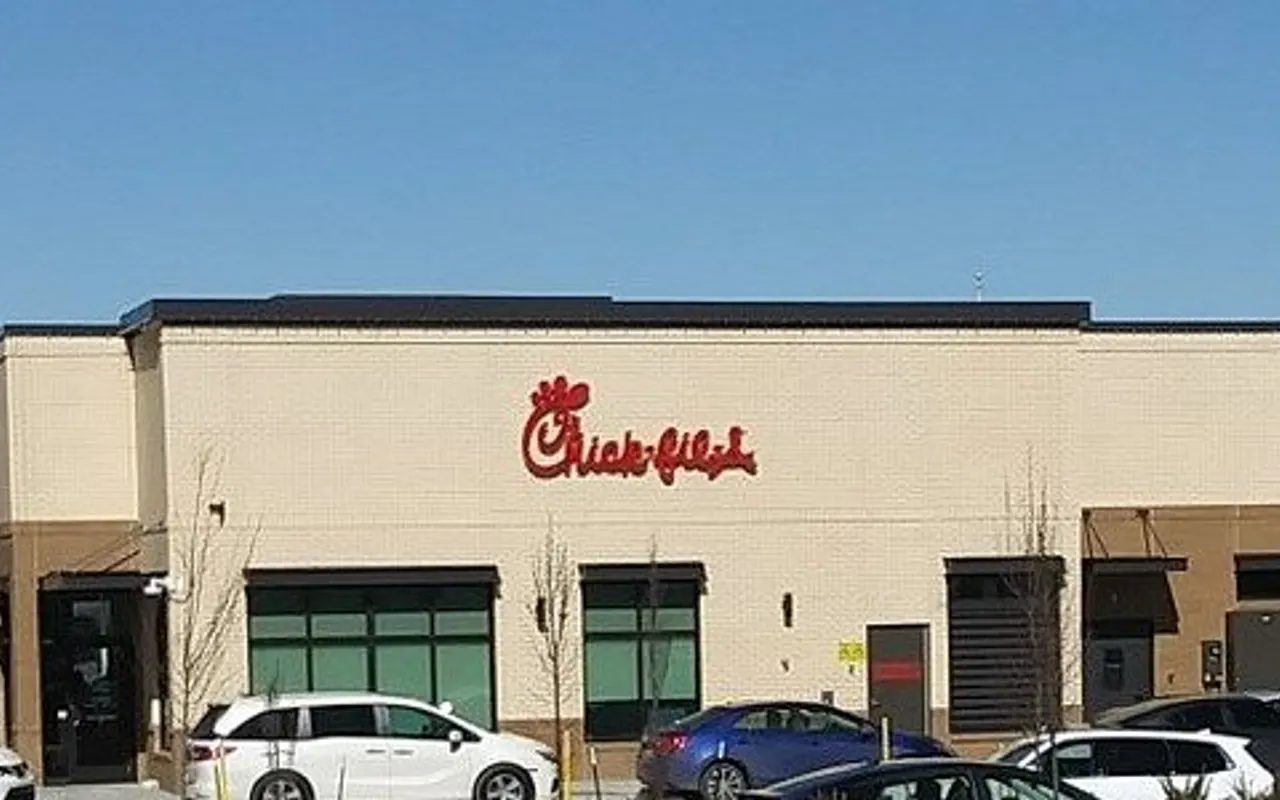
Chick-fil-A NNN for Sale in Acworth, GA — $5.4M | 4.15% Cap
Acworth, GeorgiaFill out form first
Contact us
Please quote property reference
NNN Deal Finder -
THANK YOU FOR YOUR INFORMATION
We've received your information and are excited to help you find your next triple-net lease investment property.
One of our NNN specialists will contact you within 30-60 minutes to answer any questions about the property and your investment criteria
Back to HomeREQUEST INFO
Chick-fil-A
- Fast Food Tenants
- $3,375,000
Chick-fil-A NNN for Sale in Pensacola, FL — $3.4M | 4.0% Cap
Pensacola, FloridaFill out form first
Contact us
Please quote property reference
NNN Deal Finder -
THANK YOU FOR YOUR INFORMATION
We've received your information and are excited to help you find your next triple-net lease investment property.
One of our NNN specialists will contact you within 30-60 minutes to answer any questions about the property and your investment criteria
Back to HomeREQUEST INFO
Chick-fil-A
- Fast Food Tenants
- $2,925,000
Chick-fil-A NNN for Sale in Tifton, GA — $2.9M | 4.0% Cap
Tifton, GeorgiaFill out form first
Contact us
Please quote property reference
NNN Deal Finder -
THANK YOU FOR YOUR INFORMATION
We've received your information and are excited to help you find your next triple-net lease investment property.
One of our NNN specialists will contact you within 30-60 minutes to answer any questions about the property and your investment criteria
Back to HomeREQUEST INFO
Chick-fil-A
- Fast Food Tenants
- $7,778,000
Chick-fil-A NNN for Sale in Antioch, CA — $7.8M | 4.5% Cap
Antioch, CaliforniaFill out form first
Contact us
Please quote property reference
NNN Deal Finder -
THANK YOU FOR YOUR INFORMATION
We've received your information and are excited to help you find your next triple-net lease investment property.
One of our NNN specialists will contact you within 30-60 minutes to answer any questions about the property and your investment criteria
Back to HomeREQUEST INFO
Chick-fil-A
- Fast Food Tenants
- $5,422,000
Chick-fil-A NNN for Sale in Acworth, GA — $5.4M | 4.15% Cap
Acworth, GeorgiaFill out form first
Contact us
Please quote property reference
NNN Deal Finder -
THANK YOU FOR YOUR INFORMATION
We've received your information and are excited to help you find your next triple-net lease investment property.
One of our NNN specialists will contact you within 30-60 minutes to answer any questions about the property and your investment criteria
Back to HomeREQUEST INFO
Chick-fil-A
- Fast Food Tenants
- $3,375,000
Chick-fil-A NNN for Sale in Pensacola, FL — $3.4M | 4.0% Cap
Pensacola, FloridaFill out form first
Contact us
Please quote property reference
NNN Deal Finder -
THANK YOU FOR YOUR INFORMATION
We've received your information and are excited to help you find your next triple-net lease investment property.
One of our NNN specialists will contact you within 30-60 minutes to answer any questions about the property and your investment criteria
Back to HomeREQUEST INFO
Chick-fil-A
- Fast Food Tenants
- $2,925,000
Chick-fil-A NNN for Sale in Tifton, GA — $2.9M | 4.0% Cap
Tifton, GeorgiaFill out form first
Contact us
Please quote property reference
NNN Deal Finder -
THANK YOU FOR YOUR INFORMATION
We've received your information and are excited to help you find your next triple-net lease investment property.
One of our NNN specialists will contact you within 30-60 minutes to answer any questions about the property and your investment criteria
Back to HomeREQUEST INFO
Chick-fil-A
- Fast Food Tenants
- $7,778,000
Chick-fil-A NNN for Sale in Antioch, CA — $7.8M | 4.5% Cap
Antioch, CaliforniaFill out form first
Contact us
Please quote property reference
NNN Deal Finder -
THANK YOU FOR YOUR INFORMATION
We've received your information and are excited to help you find your next triple-net lease investment property.
One of our NNN specialists will contact you within 30-60 minutes to answer any questions about the property and your investment criteria
Back to HomeREQUEST INFO
Chick-fil-A NNN Properties for Sale: Premium QSR Investment
Chick-fil-A NNN properties represent the highest-performing quick-service restaurant investment with $8+ million average sales per unit (3x McDonald’s), Sunday closed model ensuring operator quality of life, extremely selective franchising (1% acceptance rate), and affluent suburban demographics creating unmatched stability for passive income investors seeking premium QSR exposure.
American Net Lease specializes in Chick-fil-A NNN investments nationwide. Browse current listings or call 239.236.2626 to discuss exclusive premium QSR opportunities.
Why Invest in Chick-fil-A NNN Properties?
Chick-fil-A combines industry-leading unit economics ($8+ million average sales vs QSR average $2-3 million), religiously-grounded business model (Sunday closures, operator-first culture), intensely selective franchising creating motivated operators, strategic premium locations (affluent suburbs, high-income corridors), and corporate financial strength ($21+ billion revenue) creating the most coveted QSR triple net lease investment opportunity.
1. Highest Sales Per Unit in QSR Industry
Chick-fil-A dominates per-store performance:
Sales performance comparison:
- Chick-fil-A: $8.0+ million average sales per unit
- McDonald’s: $3.0 million average sales per unit
- Starbucks: $1.8 million average sales per unit
- Wendy’s: $1.6 million average sales per unit
- Burger King: $1.4 million average sales per unit
- Chick-fil-A is 3x McDonald’s despite being closed Sundays
Company overview:
- US locations: 3,000+ restaurants (48 states + DC)
- Revenue: $21+ billion (2024)
- Same-store sales growth: 13-15% annually (exceptional)
- Founded: 1946 by S. Truett Cathy (family-owned)
- Leadership: Dan Cathy (CEO, son of founder)
- Ownership: Privately held (Cathy family)
Why such high sales:
- Limited hours: Closed Sundays yet outsells competitors open 7 days
- Drive-through excellence: 95% accuracy, fast service (industry-leading)
- Customer loyalty: Net Promoter Score 70+ (highest in QSR)
- Menu focus: Chicken-centric, limited menu (operational excellence)
- Quality emphasis: Fresh chicken, waffle fries, hand-breaded
Unit economics:
- Average sales: $8.0+ million per unit annually
- Drive-through: 60-70% of total sales (efficiency)
- Dine-in: 30-40% of sales
- Breakfast: 20-25% of sales (growing segment)
- Top performers: $10-15 million+ annually (high-volume locations)
#1 sales performance = Strongest tenant fundamentals
2. Sunday Closed Model & Religious Values
Chick-fil-A’s defining characteristic:
Sunday closure policy:
- Closed every Sunday: Since 1946 (founder’s conviction)
- Religious observance: Christian values, rest for employees
- Operator benefit: 6-day work week (vs 7-day competitors)
- Non-negotiable: All locations closed (no exceptions)
- Unique in QSR: Only major chain with Sunday closure
Impact on sales:
- Open 6 days vs 7 days: Still outsells competitors by 3x
- Sales per open day: $1.3+ million daily average (vs $400K-500K competitors)
- Customer behavior: Customers adjust schedules (visit Mon-Sat)
- Pent-up demand: Monday rush (weekend carryover)
- Brand loyalty: Sunday closure reinforces values, builds loyalty
Operator implications:
- Quality of life: Sunday with family, rest day
- Retention: Franchisees stay long-term (low turnover)
- Motivation: Operators appreciate closure policy
- Staff morale: Employees value predictable day off
- Religious alignment: Many operators share values
Real estate considerations:
- Rent 7 days: Landlord charges rent for full week
- Sales 6 days: Lower risk (still exceptional performance)
- Lease terms: Sunday closure acknowledged
- Renewal likelihood: Extremely high (operators love the model)
Sunday closure = Operator quality of life + Customer loyalty

3. Extremely Selective Franchising Model
Chick-fil-A chooses operators carefully:
Franchise selection process:
- Acceptance rate: Less than 1% (more selective than Harvard 3.5%)
- Applications: 40,000+ annually
- Selected: 75-100 new operators per year
- Process: 12-18 month vetting (extensive screening)
- Criteria: Character, work ethic, community involvement
Franchise fee structure (unique):
- Initial fee: $10,000 only (lowest in QSR)
- McDonald’s comparison: $45,000 fee + $1-2.2M total investment
- Catch: Chick-fil-A owns real estate, equipment (not franchisee)
- Operator pays: 15% of sales + 50% of net profit to corporate
- Corporate retains: Control of real estate, brand standards
Why so selective:
- Operator-first: Want motivated, hands-on leaders
- Not passive: Operators must work in restaurant daily
- Community focus: Seek local community involvement
- Values alignment: Religious faith often important
- Long-term: Building multi-generational relationships
Operator commitment required:
- Full-time: Operators cannot own other businesses
- On-site: Must be present in restaurant daily
- Single unit: Typically one location only (vs multi-unit competitors)
- Training: Extensive corporate training program
- Support: Ongoing corporate guidance, marketing
Selective franchising = Highest-quality operators + Lower failure risk
4. Ground Lease Model (Common Structure)
Chick-fil-A real estate structure:
Typical ownership model:
- Chick-fil-A (corporate) owns: Building, equipment, improvements
- Landlord (investor) owns: Land only
- Lease structure: Ground lease (land only)
- Franchisee: Operates business, pays Chick-fil-A
Ground lease terms:
- Initial term: 20-30 years typical
- Renewal options: 2-4 ten-year options (50-70 year total potential)
- Rent increases: 10-15% every 5 years typical
- Triple net: Tenant pays property taxes, insurance, land maintenance
- Building responsibility: Chick-fil-A maintains building (not landlord)
Alternative structures:
- Build-to-suit: Landlord builds to Chick-fil-A specs, Chick-fil-A leases
- Corporate NNN: Chick-fil-A leases land + building (rarer)
- Franchisee-owned: Very rare (corporate controls most real estate)
Ground lease advantages:
- Lower investment: Land only (vs land + building)
- Lower responsibility: Building maintenance on tenant
- Appreciation: Land values increase over time
- Flexibility: Easier to sell land than improved property
Ground lease considerations:
- Lower rent: Land-only generates less income than building included
- Building reversion: When lease ends, who owns building? (negotiate)
- Redevelopment: Limited (building occupies land during lease)
- Financing: Some lenders prefer improved property over land
Ground lease model = Lower entry, long-term stability

5. Premium Location Strategy
Chick-fil-A targets high-income demographics:
Site selection criteria:
- Demographics: Median household income $75K-$150K+ (affluent)
- Population density: Suburban with high daytime population
- Traffic counts: 25,000-50,000 vehicles daily
- Visibility: Signalized intersections, high visibility
- Access: Easy ingress/egress, dedicated drive-through lanes
Preferred locations:
- Affluent suburbs: Upper-middle to high-income neighborhoods
- Shopping centers: Lifestyle centers, premium retail
- Standalone: Outparcels with drive-through
- College campuses: University communities
- Highway corridors: Commuter routes, interstate access
Market strategy:
- Controlled expansion: Deliberate, not rapid (quality over quantity)
- Market saturation: Multiple locations in strong markets
- Demographics first: Income levels prioritized over raw traffic
- Community fit: Seeks community involvement opportunities
Customer demographics:
- Age: 25-55 primary (families, professionals)
- Income: $75K-$150K+ household (upper-middle class)
- Families: Kids 5-18 (major customer segment)
- Frequency: Weekly+ visits (high loyalty)
- Values: Often faith-based, community-oriented
Premium locations = Affluent customer base + Recession resilience
6. Drive-Through Excellence
Chick-fil-A revolutionized drive-through:
Drive-through performance:
- Accuracy: 95%+ order accuracy (industry-leading)
- Speed: 6-8 minute average (fast despite long lines)
- Volume: 60-70% of sales through drive-through
- Innovation: Dual-lane, outdoor ordering, iPad-equipped team members
- Customer satisfaction: Highest in QSR (consistent rankings)
Operational innovations:
- Face-to-face ordering: Team members with iPads take orders outside
- Dual lanes: Two ordering lanes merge to kitchen
- Express lane: Mobile app orders separate lane
- Canopy: Covered waiting area for customers
- Team deployment: 8-12 team members during peak (vs 2-3 competitors)
Why drive-through matters:
- Higher throughput: Serve more customers per hour
- Lower overhead: Less dine-in space needed
- COVID resilience: Drive-through stayed strong during pandemic
- Convenience: Modern customers prefer drive-through
- Efficiency: Kitchen optimized for drive-through flow
Real estate implications:
- Drive-through lane design: Dual lanes require more land
- Traffic flow: Need space for stacking (20-30 car capacity)
- Building placement: Optimized for drive-through access
- Site size: Typically 1-2 acres (larger than competitors 0.5-1 acre)
Drive-through leadership = Operational efficiency + Customer satisfaction
7. Moderate Cap Rates Reflecting Premium Quality
Chick-fil-A properties command low cap rates:
Typical cap rates by location (2026):
- Top-tier suburban: 4.5-5.0% (lowest risk, highest demand)
- Established suburban: 5.0-5.5%
- Secondary markets: 5.5-6.0%
- Newer locations: 5.0-5.5% (corporate commitment)
Why lower cap rates:
- Highest sales: $8M+ per unit = lowest risk
- Operator quality: Selective franchising = best operators
- Corporate strength: Privately held, strong financials
- Limited supply: Only 75-100 new locations annually
- High demand: Investors compete for Chick-fil-A
Price range:
- Ground lease only: $1.5M-3M (land only)
- Land + building (build-to-suit): $3M-6M+
- Premium locations: $4M-8M (high-traffic, affluent)
Returns analysis:
- Cap rate: 4.5-6% income (lower than competitors)
- Appreciation: 3-5% annually (premium locations)
- Total return: 7.5-11% potential (income + appreciation)
- Premium justified: Lowest risk in QSR sector
Comparison to other QSR:
- McDonald’s: 5.0-5.5% caps (lower than Chick-fil-A)
- Starbucks: 5.5-6.5% caps
- Wendy’s: 6.0-7.0% caps
- Chick-fil-A lowest reflects superior fundamentals
Lower cap rates = Premium quality + Investor demand
8. Corporate Financial Strength
Chick-fil-A’s exceptional financial position:
Financial metrics (2024):
- Revenue: $21+ billion (privately held, estimated)
- Unit count: 3,000+ locations
- Revenue per unit: $7M average (system-wide)
- Same-store sales growth: 13-15% annually (exceptional)
- Privately held: Cathy family ownership (no public stock)
Corporate structure:
- Ownership: Cathy family (S. Truett Cathy founded 1946)
- Leadership: Dan Cathy (CEO, son of founder)
- Governance: Family board, private company
- Debt: Minimal (privately held, conservative)
- Reinvestment: High (growth, quality, innovation)
Growth trajectory:
- Store count: 3,000+ current, expanding 75-100 annually
- Revenue growth: 13-15% annual same-store sales
- Market penetration: 48 states + DC (nationwide except Alaska, Hawaii)
- International: Limited (focus on US market)
- Saturation: Controlled (deliberate expansion)
Competitive position:
- #3 QSR by sales: Behind McDonald’s, Starbucks (but higher per-unit)
- #1 chicken QSR: Dominates chicken segment
- Customer satisfaction: Consistently ranked #1
- Brand value: Top-tier recognition, loyalty
Private ownership advantages:
- Long-term focus: Not driven by quarterly earnings
- Values stability: Religious values unchanging
- Operator support: Reinvests heavily in franchisee success
- Quality over growth: Selective expansion maintains standards
Strong financials + Private ownership = Long-term stability
Chick-fil-A NNN Investment Strategies
Affluent Suburban Premium
Top-tier demographic locations:
Target characteristics:
- Affluent suburbs: $100K-$200K+ median household income
- Family-oriented: High percentage of households with children
- Education: College-educated population
- Shopping centers: Lifestyle centers, premium retail co-tenants
- Sales performance: $8-12M+ annually
Advantages:
- Lowest cap rates: 4.5-5% (highest quality)
- Strongest demographics: Recession-resilient customer base
- Highest renewal likelihood: Operators stay long-term
- Property appreciation: Affluent suburbs grow steadily
- Competition limited: Strict site selection, few nearby Chick-fil-A
Investment profile:
- Purchase: $4M-8M (ground lease + building scenarios)
- Cap rate: 4.5-5.0%
- Lease: 20-30 years ground lease
- Focus: Premium quality + Appreciation
Premium-quality investors
Established High-Volume
Proven performers:
Target characteristics:
- Operating history: 5-10+ years established
- Sales verification: $8M+ confirmed performance
- Drive-through dominant: Dual-lane, high efficiency
- Suburban location: Middle to upper-middle income
- Operator tenure: Long-term franchisee (5+ years)
Advantages:
- Proven performance: Operating history reduces risk
- Operator commitment: Tenured operator less likely to leave
- Real estate stability: Location validated by years of success
- Financing easier: Lenders prefer established locations
Investment profile:
- Purchase: $3M-6M
- Cap rate: 5.0-5.5%
- Lease: 15-25 years remaining
- Focus: Stability + Proven cash flow
Income + stability investors
Secondary Market Emerging
Growth markets:
Target characteristics:
- Secondary metros: 200K-1M population
- Growing demographics: Population/income increasing
- Limited competition: First or second Chick-fil-A in market
- Newer location: Recently opened (1-3 years)
- Sales ramping: Building to $6-8M+ annually
Advantages:
- Growth potential: Market penetration increasing
- Less competition: Fewer QSR options in market
- Higher yields: 5.5-6% caps (vs 4.5-5% mature markets)
- Operator enthusiasm: New market excitement
Risks:
- Unproven market: Sales not yet stabilized
- Competition may enter: McDonald’s, others may follow
- Demographics: Ensure income levels sufficient ($75K+)
Investment profile:
- Purchase: $2.5M-4M
- Cap rate: 5.5-6.0%
- Lease: 20-30 years (new lease)
- Focus: Growth + Higher yield
Growth-oriented investors
Ground Lease Pure-Play
Land-only investments:
Target characteristics:
- Ground lease structure: Investor owns land only
- Chick-fil-A owns building: Corporate-owned improvements
- Long lease: 30-50 year total term
- Land value: Appreciation potential
- Location: Premium real estate
Advantages:
- Lower entry: $1.5M-3M (land only vs $4-8M improved)
- Lower maintenance: Building responsibility on tenant
- Appreciation: Land values increase over time
- Simplicity: Land-only easier to manage
Considerations:
- Lower rent: Land-only generates less income
- Building reversion: Who owns building at lease end
- Residual value: Plan for land use post-lease
- Financing: Some lenders prefer improved property
Investment profile:
- Purchase: $1.5M-3M (land)
- Cap rate: 4.5-5.5% (on land value)
- Lease: 30-50 years total
- Focus: Land appreciation + Long-term hold
Land appreciation investors
Evaluating Chick-fil-A NNN Investments
Critical Location Analysis
Chick-fil-A performance is location + demographics:
Demographics (essential):
- Median household income: $75K-$150K+ minimum
- Population density: Suburban with high daytime population
- Age distribution: Families with children (25-55 age)
- Education: College-educated correlation
- Growth trajectory: Increasing population/income
Traffic & visibility:
- Vehicle count: 25,000-50,000 daily minimum
- Signalized intersection: Controlled access preferred
- Visibility: High from main road
- Access: Easy ingress/egress, dedicated drive-through lanes
- Parking: 40-60 spaces typical
Competition assessment:
- Other Chick-fil-A: Within 3-5 miles (cannibalization risk)
- McDonald’s/Wendy’s: Fast food competition
- Popeyes/KFC: Chicken segment competition
- Premium fast casual: Panera, Chipotle (similar demographics)
- Market share: Chick-fil-A dominance or competitive
Site characteristics:
- Lot size: 1-2 acres typical (drive-through requires space)
- Building size: 4,000-5,000 sq ft typical
- Drive-through: Dual-lane design (critical)
- Parking: Adequate for dine-in + overflow
- Co-tenants: Premium retail if in shopping center
Store Performance Evaluation
Critical Chick-fil-A metrics:
Sales indicators (if available):
- Exceptional: $10M-15M+ annually (top performers)
- Strong: $8M-10M annually (above average)
- Average: $6M-8M annually (solid performance)
- Below average: Under $6M (investigate why)
Operating characteristics:
- Drive-through: Dual-lane setup (efficiency)
- Breakfast service: Offered (growing segment)
- Dining room: Size, seating capacity
- Play area: Some locations (family appeal)
- Mobile ordering: App integration (modern)
Operator signals:
- Tenure: 5-10+ years (operator commitment)
- Community involvement: Local sponsorships, events
- Customer reviews: Online ratings (4.5+ stars typical)
- Staff retention: Low turnover (happy employees)
- Expansion interest: Operator seeking second location (success signal)
Red flags:
- Low sales: Under $5M (poor for Chick-fil-A standards)
- Operator turnover: Multiple operators short time
- Deferred maintenance: Run-down appearance
- Customer complaints: Online reviews below 4 stars
- Limited hours: Not open breakfast/dinner (unusual)
Lease Structure Review
Critical Chick-fil-A lease provisions:
Guarantor (varies):
- Chick-fil-A Inc: Corporate guarantee (best)
- Franchisee: Individual operator (more common)
- Hybrid: Corporate + franchisee dual guarantee
- Credit strength: Privately held, strong financials
Lease length:
- Ground lease: 20-30 years initial, 2-4 ten-year options
- NNN lease: 15-25 years typical
- Total potential: 40-70 years (very long-term)
Rent structure:
- Base rent: Fixed monthly or annual
- Escalations: 10-15% every 5 years typical
- Percentage rent: Sometimes (rare in ground lease)
- Options: Automatic or at tenant option
Critical provisions:
- Sunday closure: Acknowledged in lease (non-negotiable)
- Ground lease: Land only or land + building
- Building ownership: Who owns at lease end (negotiate)
- Maintenance: Building vs land responsibilities
- Assignment: Can Chick-fil-A assign to franchisee
Ground lease specific:
- Reversion: Building reverts to landlord at end? Or remove?
- Residual value: What’s land worth with/without building
- Improvements: Who pays for upgrades during term
- Insurance: Building coverage (Chick-fil-A) vs land (landlord)
Due Diligence Checklist
Essential Chick-fil-A investigations:
Sales & performance:
- Request sales data: $8M+ target
- Operator tenure: Verify years operating
- Customer reviews: Check online ratings
- Drive-through observation: Visit during peak hours
- Traffic counts: Verify vehicle counts
Lease & title:
- Guarantor: Verify corporate or franchisee
- Lease structure: Ground lease vs NNN
- Building ownership: Clarify who owns what
- Reversion: What happens at lease end
- Title: Confirm clear title, no issues
Market analysis:
- Demographics: Verify $75K+ median income
- Competition: Map nearby QSR, chicken concepts
- Growth: Population/income trends
- Real estate: Comparable land/property values
Physical property:
- Drive-through: Dual-lane functional
- Building condition: Well-maintained (Chick-fil-A standard)
- Parking: Adequate capacity
- Signage: Visible, compliant
- Land: Survey confirms boundaries
Financial underwriting:
- Rent verification: Confirm current rent amount
- Escalations: Calculate future increases
- Expenses: Property tax, insurance (if applicable)
- Financing: Lender appetite for Chick-fil-A
- Exit: Future buyer demand (very high)
Current Chick-fil-A NNN Properties for Sale
Featured Chick-fil-A NNN Listings:
Looking for specific Chick-fil-A properties in target markets? Contact our specialists at 239.236.2626 for exclusive premium QSR opportunities.

Chick-fil-A Investment Case Study
Investment Profile: Chick-fil-A Ground Lease – Atlanta Suburb
Property Details:
- Tenant: Chick-fil-A Inc (corporate ground lease)
- Structure: Ground lease (land only, Chick-fil-A owns building)
- Purchase Price: $2,800,000 (land)
- Cap Rate: 5.0%
- Annual NOI: $140,000 (land rent)
- Lease Term: 30 years initial + 2 ten-year options (50-year total potential)
- Rent Increases: 15% every 5 years
- Location: Alpharetta, Georgia (North Atlanta affluent suburb)
Property Features:
- Ground lease: Land only (1.5 acres)
- Chick-fil-A built: $2M+ building (corporate-owned)
- Dual-lane drive-through: High-efficiency design
- Standalone pad: Premium visibility
- Signalized intersection: Corner lot
- Traffic count: 38,000 vehicles/day
Market Details:
- Alpharetta: Median income $110,000+ (very affluent)
- Population: 100,000+ within 5-mile radius
- Employment: Corporate headquarters (ADP, UPS, Verizon, others)
- Education: 65%+ college-educated
- Families: High percentage with children
Store Performance:
- Annual sales: $10M+ (exceptional performance)
- Drive-through: 70% of sales (dual-lane efficiency)
- Breakfast: 25% of sales (strong AM traffic)
- Operator: 8-year tenure (established, experienced)
- Community: Active local sponsorships
Investor Profile: California 1031 exchange investor. Sold San Francisco retail property ($4M, $1.8M gain). Sought: premium QSR exposure, exit California 13.3% tax, Georgia 5.75% tax advantage, ground lease simplicity, long-term appreciation.
Tax advantage:
- Annual NOI: $140,000
- California state tax saved: $18,620 (13.3%)
- Georgia state tax: $8,050 (5.75%)
- Annual tax savings: $10,570 (CA vs GA)
- 30-year tax savings: $317,100
Performance to date:
- Purchase: March 2023
- Current: February 2026 (35 months)
- 100% on-time rent payments (every month)
- Store performance: Sales growing to $11M+ (2025)
- Land value: Estimated $3,100,000 (10.7% appreciation)
- Alpharetta: Continued corporate growth
30-Year Income Projection (Ground Lease):
- Years 1-5: $140,000 annual ($700K cumulative)
- Years 6-10: $161,000 annual (+15%, $805K cumulative)
- Years 11-15: $185,150 annual (+15%, $925,750 cumulative)
- Years 16-20: $212,923 annual (+15%, $1,064,615 cumulative)
- Years 21-25: $244,861 annual (+15%, $1,224,305 cumulative)
- Years 26-30: $281,590 annual (+15%, $1,407,950 cumulative)
- Total 30-year income: $6,127,620
- CA tax savings: $317,100 (vs California ownership)
- Projected land value (Year 30): $5M+ (Alpharetta appreciation)
- Total return: 218%+ over 30 years (income + land appreciation + tax savings)
Building reversion:
- Lease negotiation: Building reverts to landlord at Year 30 (no cost)
- Building value: $2-3M (maintained by Chick-fil-A during lease)
- Total property value: $7-8M potential (land + building at Year 30)
- Optionality: Chick-fil-A likely renews (2 ten-year options), extends 20 more years
Investor testimonial: “This Chick-fil-A ground lease in Alpharetta is the perfect long-term hold. I’m getting 5% on the land, saving $10,000+ annually vs California taxes, and the land has already appreciated over 10% in less than 3 years. The store is crushing it—over $10 million in sales with an experienced operator who’s been there 8 years. In 30 years when the lease ends, I get the building back for free—Chick-fil-A maintains it the entire time. And they’ll probably renew for another 20 years. This is generational wealth.”
Frequently Asked Questions
Are Chick-fil-A NNN properties safe investments?
Yes, Chick-fil-A NNN properties are among the safest QSR investments available. Strengths: Highest sales per unit ($8M+ average, 3x McDonald’s), Sunday closed model (operator quality of life, low turnover), selective franchising (1% acceptance, best operators), affluent demographics ($75K-$150K income), corporate strength ($21B+ revenue, Cathy family ownership). Risks: Limited supply (75-100 new locations annually, high competition for properties), ground lease complexity (understand building ownership), franchisee guarantee vs corporate (varies by deal), premium pricing (low cap rates 4.5-5.5% reflect quality). Safety factors: Verify high sales performance ($8M+ confirmed), confirm operator tenure (5+ years ideal), assess demographics ($75K+ median income required), review lease structure (ground lease vs NNN). High-performing Chick-fil-A in affluent suburb with tenured operator = exceptionally safe. Lower-volume locations or uncertain demographics = due diligence critical.
What are typical cap rates for Chick-fil-A properties?
Chick-fil-A NNN properties offer 4.5-6% cap rates, lowest in QSR sector reflecting premium quality. Affluent suburban (top-tier): 4.5-5.0% (lowest risk, highest demand), Established suburban: 5.0-5.5% (proven performers), Secondary markets: 5.5-6.0% (growth potential), Ground lease only: 4.5-5.5% (land value basis). Cap rate drivers: Exceptional sales ($8M+ per unit = lowest risk), Operator quality (selective franchising = motivated operators), Corporate strength (private, family-owned stability), Limited supply (only 75-100 new stores annually), Investor demand (highly sought after). Comparison to competitors: McDonald’s 5.0-5.5% (similar quality), Starbucks 5.5-6.5%, Wendy’s 6-7%, Chick-fil-A LOWEST reflects superior fundamentals. Lower cap rates justified: Lowest failure risk in QSR, highest renewal likelihood, premium demographics, property appreciation in affluent suburbs. Total return focus: 4.5-5.5% income + 3-5% appreciation = 7.5-10.5% total return potential.
How does Chick-fil-A compare to McDonald’s for NNN investing?
Chick-fil-A and McDonald’s are both premium QSR investments with different profiles. Chick-fil-A advantages: Higher sales per unit ($8M vs $3M = 2.7x), Better operator quality (1% acceptance vs McDonald’s easier), Affluent demographics ($75K-$150K income focus), Drive-through excellence (95% accuracy, industry-leading), Customer loyalty (Net Promoter Score 70+ vs McDonald’s 40s). McDonald’s advantages: Larger footprint (40,000 global vs 3,000 Chick-fil-A), Global diversification (100+ countries vs US-only Chick-fil-A), Longer operating history (1955 vs 1967), More locations available (easier to find investment). Cap rates: Chick-fil-A 4.5-5.5%, McDonald’s 5.0-5.5% (very similar, both premium). Sunday factor: Chick-fil-A closed Sundays yet outsells McDonald’s open 7 days. Investment choice: Chick-fil-A for highest unit performance + affluent demographics, McDonald’s for global brand + larger footprint. Ideal: Own both for QSR diversification. Both are top-tier QSR investments.
Should I buy a ground lease or improved property?
Ground lease vs improved property each have advantages. Ground lease (land only, Chick-fil-A owns building): Lower entry cost ($1.5-3M land vs $4-8M improved), Lower responsibility (Chick-fil-A maintains building), Land appreciation (land values increase over time), Long-term stability (30-50 year lease terms), Building reversion (may get building at lease end). Improved property (land + building): Higher rent (full property generates more income), Full control (own entire asset), Easier financing (lenders prefer improved property), Simpler structure (traditional NNN lease). Ground lease considerations: Building reversion (who owns at end—negotiate), Residual value (what’s land worth with/without building), Financing (some lenders cautious on ground lease), Exit strategy (investor preferences vary). Recommendation: Ground lease if seeking lower entry + land appreciation + simplicity, Improved property if seeking higher income + traditional financing + asset control. Both work—depends on investment goals and capital available. Ground lease is Chick-fil-A‘s preferred structure (corporate control).
Is the Sunday closure a concern for investors?
No, Sunday closure is actually a strength, not weakness. Performance despite closure: Chick-fil-A outsells competitors by 3x despite being closed Sundays, Sales per open day: $1.3M daily (vs competitors $400-500K), Customer behavior: Customers adjust schedules (visit Mon-Sat), Pent-up demand: Monday rush absorbs weekend carryover. Operator benefits: Quality of life (Sunday with family), Low turnover (operators stay long-term), Motivation (appreciate closure policy), Recruitment (attracts values-aligned operators). Lease considerations: Rent is same (landlord charges for 7 days even though open 6), NNN structure unchanged (tenant pays all expenses), Renewal likelihood HIGHER (operators love model, renew). Historical proof: 78 years of Sunday closure (since 1946), Business model validated (highest sales per unit in industry), Never changed (non-negotiable company policy). Investor perspective: Sunday closure = competitive advantage (differentiation, loyalty), not liability. Customers and operators LOVE the policy. Don’t worry about it—it’s Chick-fil-A’s secret weapon.
Can I use 1031 exchange to buy Chick-fil-A property?
Yes! Chick-fil-A NNN properties are excellent 1031 exchange targets for premium QSR exposure. Benefits: Defer capital gains, upgrade to highest-performing QSR, access affluent demographics, long-term stability (30-50 year ground leases), exit high-tax states (CA 13.3% → TX/FL/GA 5.75% or less). Popular exchanges: McDonald’s → Chick-fil-A (QSR upgrade, higher per-unit sales), Apartment → Chick-fil-A (simplify to single tenant, premium quality), Retail center → Chick-fil-A (consolidate to single property), California → Southern state Chick-fil-A (exit CA tax, maintain quality). Chick-fil-A 1031 advantages: Premium quality (lowest risk in QSR), Long lease terms (30-50 years = stability), Affluent demographics (recession-resilient), Limited supply (scarcity creates value). Process: Identify within 45 days, close within 180 days, equal-or-greater value, qualified intermediary required. Critical: Verify sales performance ($8M+ target), confirm operator tenure (5+ years preferred), assess lease structure (ground lease vs NNN), demographics check ($75K+ income). High demand for Chick-fil-A—identify early in 45-day window.
What happens if the Chick-fil-A operator leaves?
Operator turnover is RARE at Chick-fil-A but plan exists. Why rare: Selective selection (1% acceptance = committed operators), Sunday closure (quality of life = retention), High sales ($8M+ = profitable operations), Corporate support (extensive training, marketing, guidance), Typical tenure: 10-15+ years (vs 3-5 years competitors). If operator leaves: Chick-fil-A corporate finds replacement (not landlord responsibility), Selection process (12-18 months typical for new operator), Rent continues (Chick-fil-A or corporate pays during transition), New operator trained (extensive corporate onboarding), Store remains open (Chick-fil-A manages during transition). Landlord protection: Lease continues (operator leaving doesn’t affect lease term), Rent guaranteed (corporate or new operator), Property maintained (Chick-fil-A standards), Replacement found (corporate handles). Historical data: Operator turnover 5-10% annually (vs 30-50% competitors), Reasons for leaving: Retirement, health, rare dissatisfaction, Corporate ensures seamless transitions. Risk mitigation: Buy established locations (operator tenure 5+ years), Verify strong sales ($8M+ = operator satisfaction), Assess lease structure (corporate guarantee if possible), Confirm market strength (demographics support performance). Operator turnover at Chick-fil-A is exceptionally low—much safer than other QSR.
Are there enough Chick-fil-A properties available to invest in?
Limited supply is a challenge but opportunities exist. The reality: Only 75-100 new Chick-fil-A locations open annually (vs 1,000+ McDonald’s), Chick-fil-A controls real estate (corporate owns most buildings), Ground lease model (corporate preference limits traditional NNN), High investor demand (competition for available properties). Where to find opportunities: Build-to-suit (developer builds to spec, ground lease to Chick-fil-A), Existing resales (current owners selling), Ground lease assignments (rare but available), Developer relationships (pre-construction opportunities). Strategies to access: Work with specialists (brokers with Chick-fil-A relationships), Be ready to move (limited inventory requires quick action), Consider ground lease (more available than improved property), Secondary markets (less competition than major metros), 1031 exchange (identify early in 45-day window). Competition is high: Multiple buyers per property (common), Premium pricing (low cap rates reflect demand), Cash buyers preferred (financing can slow process), Quick closes (30-45 days typical). Recommendation: Establish relationships with Chick-fil-A-focused brokers, Be pre-qualified for financing, Act quickly when opportunity arises, Consider build-to-suit (secure future inventory). Limited supply = scarcity value, but deals are available to prepared investors.
Next Steps: Invest in Chick-fil-A NNN Properties
Ready to add the highest-performing QSR to your investment portfolio? American Net Lease provides access to Chick-fil-A NNN opportunities nationwide with full sales verification and lease structure analysis.
Work With American Net Lease
Why investors choose us for Chick-fil-A NNN acquisitions:
- Premium QSR expertise: Ground lease vs NNN analysis
- Sales verification: $8M+ performance confirmation
- Demographic analysis: Affluent market validation ($75K-$150K income)
- Operator evaluation: Tenure and performance assessment
- 1031 exchange specialists: Premium QSR positioning strategies
Schedule Your Free Consultation
Let’s discuss your Chick-fil-A investment criteria and identify high-performing properties in affluent markets.
📞 Call: 239.236.2626
📧 Email: Contact Us
🔍 Browse: View All Chick-fil-A Properties
Additional Resources
Learn More About Premium QSR NNN Investing:
- Ultimate Triple Net Lease Guide — Comprehensive NNN education
- QSR NNN Properties — Quick-service restaurant overview
- McDonald’s NNN Properties — Compare QSR leaders
Compare Investment Markets:
- Georgia NNN Properties — Strong Chick-fil-A markets
- Texas NNN Properties — Zero-tax opportunity
- Florida NNN Properties — Growth markets
Explore Other Tenant Types:
- Starbucks NNN Properties — Premium coffee
- McDonald’s NNN Properties — QSR leader
- Walgreens NNN Properties — Pharmacy leader
Build wealth with Chick-fil-A NNN properties—highest QSR sales, Sunday closed model, affluent demographics. Call 239.236.2626 or request information today.
Last Updated: February 2026