📞 (239) 236-2626|📧 info@buynnnproperties.com

Arizona NNN Properties For Sale

Access Quality Triple Net Lease Investments

Get TODAY's Available NNN Properties

Fill out this form and receive your customised list now!


Below are Arizona NNN Properties for Sale

Arizona NNN properties combine zero state income tax with the nation’s fastest-growing major city (Phoenix), massive retiree migration, and year-round business operations. As the Desert Southwest’s economic hub and retirement destination, Arizona delivers exceptional growth with tax advantages matching Florida and Texas.

American Net Lease specializes in Arizona NNN investments statewide. Browse current listings or call 239.236.2626 to discuss exclusive opportunities.

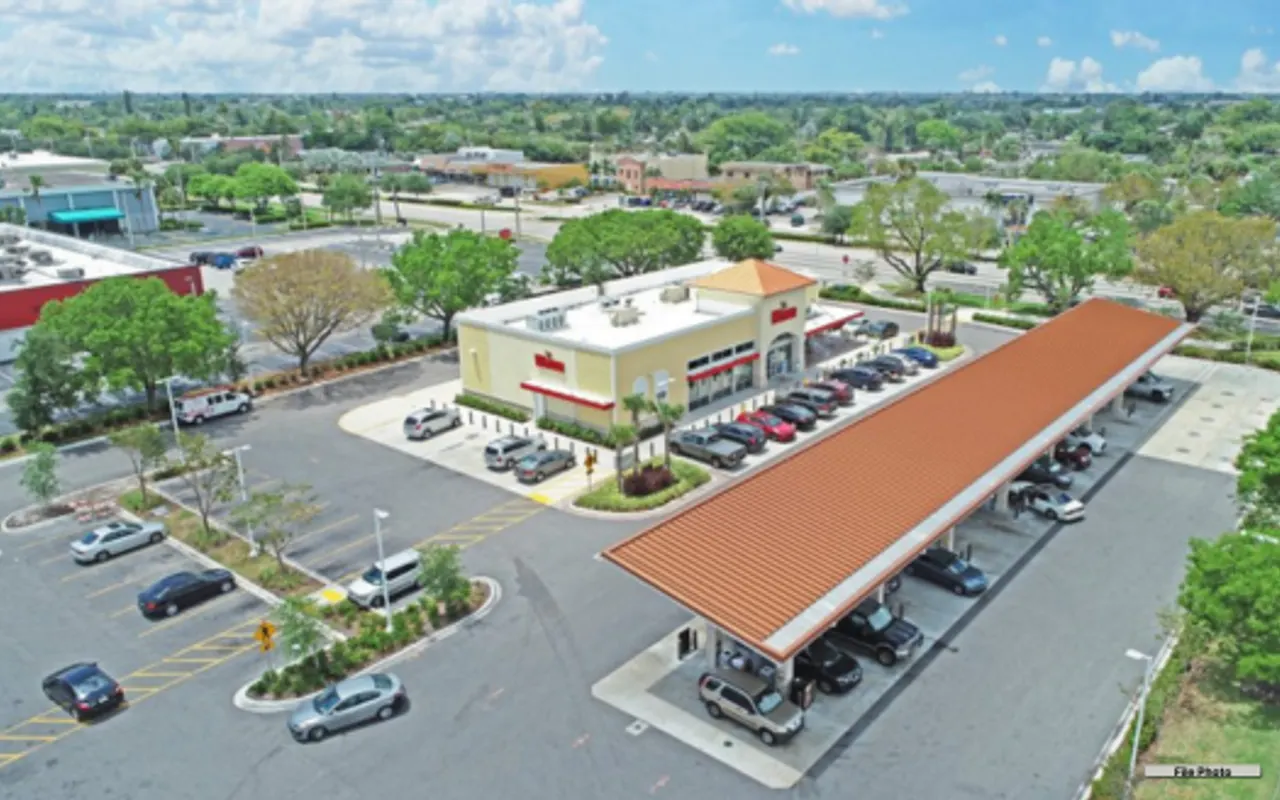
Phoenix Arizona Nnn Properties.jpg 1

Why Invest in Arizona NNN Properties?

Arizona offers investors the powerful combination of zero state income tax (like Florida/Texas), Phoenix’s explosive growth (#5 largest US city, growing faster than NYC/LA), retiree population boom (Sun Belt migration), and year-round operations without seasonal slowdowns—all at entry prices 20-30% below coastal markets.

1. Zero State Income Tax = Maximum Returns

Arizona eliminates state income tax on all income:

Income tax comparison:

  • Arizona: 0% state income tax ✅
  • Florida: 0% (same advantage)
  • Texas: 0% (same advantage)
  • California: 13.3% = Lose $13,300 on $100K
  • Georgia: 5.75% = Lose $5,750 on $100K

Tax savings on $200K rental income:

  • Arizona: Keep $200,000 (0% tax)
  • California: Lose $26,600 (13.3% tax)
  • Georgia: Lose $11,500 (5.75% tax)
  • Arizona advantage: $26,600 annually vs California
  • 20-year savings: $532,000

Property tax:

  • Arizona: 0.6-1.0% (lower than Texas 1.5-2.5%)
  • Predictable assessments
  • No Prop 13 complexity (California)

Estate planning:

  • No Arizona estate tax
  • Federal estate tax only
  • Tax-efficient wealth transfer

0% income tax + Low property tax = Maximum investment returns

2. Phoenix: America’s 5th Largest City & Fastest Growing

Phoenix dominates Southwest growth:

Population explosion:

  • Phoenix metro: 5+ million (5th largest US city)
  • Annual growth: +80,000-100,000 people
  • Growth rate: 1.6-2.0% annually (fastest major city)
  • Decade growth: +750,000 (2010-2020)
  • Projected 2030: 6+ million

Phoenix specifically:

  • City population: 1.7+ million
  • Passed Philadelphia (#5 US city)
  • Targeting #4 (Houston) within decade
  • Explosive suburban expansion

Growth drivers:

  • California exodus: Tech workers, families escaping high costs
  • Midwest migration: Retirees fleeing cold weather
  • Texas overflow: Phoenix alternative to Austin/Dallas
  • Remote work: Desert lifestyle appeal
  • Corporate relocations: Business-friendly environment

Fastest-growing major city = Continuous retail expansion

3. Sun Belt Retiree Magnet (Like Florida)

Arizona rivals Florida for retiree migration:

Retiree demographics:

  • Age 65+: 18% of population (vs 21% Florida)
  • Daily arrivals: 500+ retirees moving to Arizona
  • Snowbirds: 300,000+ winter residents
  • Active adult communities: Massive developments

Retirement appeal:

  • Year-round sunshine: 300+ days annually
  • Dry climate: Easier than Florida humidity
  • Outdoor lifestyle: Golf, hiking, recreation
  • Lower cost: 15-25% less than Florida
  • No state income tax: Retirement income protected

Healthcare infrastructure:

  • Mayo Clinic: Scottsdale campus (world-renowned)
  • Banner Health: Major hospital system
  • Medical device industry: Growing sector
  • Senior services: Extensive infrastructure

Retail implications:

  • Pharmacy demand: Dense senior population
  • QSR traffic: Dining out culture
  • Dollar stores: Fixed-income shoppers
  • Healthcare retail: Medical supplies, services

Retiree boom = Predictable retail demand + growth

4. Year-Round Operations (No Seasonal Slowdown)

Arizona’s climate advantage:

Temperature consistency:

  • Winter: 60-70°F (comfortable, not freezing)
  • Spring/Fall: 70-85°F (ideal)
  • Summer: 100-115°F (hot but adapted)
  • Year-round business: No winter closures

Seasonal advantages:

  • October-April: Peak snowbird season (high traffic)
  • May-September: Stable resident base
  • No hurricanes: Unlike Florida (insurance savings)
  • No tornadoes: Unlike Texas/Midwest
  • Minimal weather disruptions

Tenant performance:

  • Consistent sales: No Q4/Q1 drop-off (vs cold states)
  • Drive-through preference: Hot climate advantage (QSR)
  • Outdoor dining: Year-round patio seasons
  • Tourism: 45+ million visitors annually

Climate stability = Predictable tenant performance

5. Corporate Relocations & Tech Growth

Arizona tech boom TSMC Intel NNN property investment

Arizona attracting major companies:

Recent corporate moves:

  • Taiwan Semiconductor (TSMC): $40 billion Phoenix chip plant
  • Intel: $20 billion expansion in Chandler
  • Lucid Motors: Electric vehicle manufacturing (Casa Grande)
  • Nikola: Hydrogen truck manufacturing (Coolidge)
  • Amazon: Multiple fulfillment centers statewide

Major employers:

  • Tech sector: Intel, Microchip, ON Semiconductor
  • Healthcare: Banner Health, Mayo Clinic
  • Financial: American Express, JPMorgan Chase
  • Aerospace: Boeing, Raytheon, Honeywell
  • State Farm: Major operations center (Tempe)

Economic indicators:

  • Job growth: Above national average
  • Unemployment: Below national average
  • Median income: $65,000 (growing)
  • Tech hub: “Silicon Desert” emerging

Corporate growth = Employment = Retail demand

6. Lower Entry Prices than Coastal Markets

Arizona pricing advantages:

Price comparison (same tenant/lease):

McDonald’s NNN:

  • California: $4M-6M
  • Florida: $3.5M-5M
  • Arizona: $2.5M-3.5M (30-40% less than CA)

Walgreens pharmacy:

  • California: $5M-7M
  • Florida: $4M-5.5M
  • Arizona: $3M-4M (35-45% less than CA)

Dollar General:

  • California: $1.8M-2.5M
  • Florida: $1.5M-2M
  • Arizona: $1.2M-1.6M (30-35% less than CA)

Why Arizona is cheaper:

  • Abundant desert land (no ocean constraints)
  • Lower construction costs
  • Less investor competition than FL/CA
  • Growing market (not mature premium)

Lower entry = Accessibility + Portfolio diversification

7. Strong Cap Rates with Growth Markets

Arizona delivers income + appreciation:

Typical cap rates by tenant (2026):

  • QSR (McDonald’s, Chick-fil-A): 6.0-6.5%
  • Pharmacies (Walgreens, CVS): 6.0-6.5%
  • Dollar Stores (Dollar General): 7.0-7.5%
  • Gas Stations/C-Stores: 6.5-7.5%
  • Banks: 6.5-7.0%

Market variations:

  • Phoenix metro: 6.0-6.5% (highest growth)
  • Tucson: 6.5-7.0% (secondary market)
  • Rural Arizona: 7.5-8.5%+ (higher yields)

Appreciation potential:

  • Phoenix metro: 5-7% annually
  • Suburban corridors: 6-8% annually
  • Tucson: 3-5% annually
  • Rural: 2-4% annually

Total return focus:

  • Cap rate: 6-7.5% income
  • Appreciation: 5-7% growth
  • Total: 11-14%+ combined potential
  • Plus: 0% state tax on income

Income + Growth + Zero tax = Triple advantage

8. Multiple Investment Markets Statewide

Arizona offers diverse opportunities:

Major markets:

Phoenix Metro (5M population):

  • Growth: Explosive (80K-100K annually)
  • Economy: Diversified (tech, healthcare, finance)
  • Submarkets: Scottsdale, Tempe, Mesa, Chandler
  • Cap rates: 6.0-6.5%

Tucson Metro (1.1M population):

  • Growth: Moderate (15K-20K annually)
  • Economy: University of Arizona, military, aerospace
  • Characteristics: Secondary market, higher yields
  • Cap rates: 6.5-7.0%

Growth corridors:

  • West Valley: Glendale, Peoria, Surprise (explosive)
  • East Valley: Gilbert, Chandler, Queen Creek (tech)
  • North Phoenix: Anthem, Cave Creek (affluent)
  • Tucson suburbs: Marana, Oro Valley (growth)

Rural opportunities:

  • Flagstaff: Northern Arizona, tourism
  • Prescott: Mountain retirement community
  • Yuma: Agricultural, border city
  • Lake Havasu: Recreation, retirees

Geographic diversity = Options at every price point

Arizona NNN Investment Strategies

Phoenix Metro High-Growth Suburbs

Arizona NNN commercial property investment opportunity

Explosive expansion areas:

West Valley (fastest growth):

  • Surprise, Goodyear, Buckeye
  • Population growth: 4-6% annually (explosive)
  • New home construction: Massive
  • Affordable: $350K-500K median home

East Valley (tech corridor):

  • Gilbert, Chandler, Queen Creek
  • Intel, tech employment base
  • Affluent: $500K-750K median home
  • Corporate presence

Advantages:

  • Appreciation: 6-8% annually
  • New construction: Latest prototypes
  • Growing demographics: Young families
  • Employment: Strong job growth

Investment profile:

  • Purchase: $2M-3.5M
  • Cap rate: 6.0-6.5%
  • Lease: 15-20 years
  • Focus: Growth + appreciation

Growth-focused investors

Scottsdale/North Phoenix Affluent

Premium Arizona markets:

Target areas:

  • Scottsdale, Paradise Valley
  • North Scottsdale (luxury)
  • Fountain Hills (retirees)
  • Cave Creek (upscale)

Advantages:

  • Affluent demographics: $100K-200K+ income
  • Mayo Clinic proximity
  • Tourism appeal
  • Stable retiree base

Investment profile:

  • Purchase: $3M-5M+
  • Cap rate: 5.5-6.0%
  • Lease: 15-20 years
  • Focus: Stability + affluence

Institutional-quality focus

Tucson Secondary Market

University city with military:

Market characteristics:

  • University of Arizona (major employer)
  • Davis-Monthan Air Force Base
  • Aerospace industry (Raytheon)
  • Growing retirement destination

Advantages:

  • Lower entry: $1.5M-2.5M
  • Higher yields: 6.5-7.0%
  • Stable economy: Education + military
  • Growth potential: Population increasing

Investment profile:

  • Purchase: $1.5M-2.5M
  • Cap rate: 6.5-7.0%
  • Lease: 15-20 years
  • Focus: Yield + stability

Balanced investors

Rural Arizona High-Yield

Small-town opportunities:

Target areas:

  • Prescott, Flagstaff (mountain)
  • Yuma (agricultural)
  • Lake Havasu (recreation)
  • Small desert towns

Advantages:

  • Highest yields: 7.5-8.5%+
  • Lowest entry: $800K-1.5M
  • Monopoly positions
  • Dollar store focus

Investment profile:

  • Purchase: $800K-1.5M
  • Cap rate: 7.5-8.5%+
  • Lease: 15-20 years
  • Focus: Maximum income

Yield-focused investors

Evaluating Arizona NNN Investments

Market Selection Criteria

Choosing the right Arizona market:

Phoenix growth assessment:

  • Submarket selection: West (fastest) vs East (affluent)
  • Population trajectory: 2-6% annual growth
  • Employment base: Tech, healthcare, corporate
  • Development activity: New construction signals

Retiree market indicators:

  • Age 65+ percentage: 15-20% ideal
  • Active adult communities: Presence nearby
  • Healthcare infrastructure: Hospitals, services
  • Climate appeal: Year-round sunshine

Economic factors:

  • Major employers: Diversification critical
  • Corporate relocations: Intel, TSMC, Amazon
  • Job growth: Above national average
  • Income levels: $60K-100K+ median

Climate considerations:

  • Summer heat: 100-115°F (manageable)
  • Air conditioning: Critical infrastructure
  • Water supply: Phoenix sufficient, monitor rural
  • Drought risk: Minimal for urban areas

Property-Specific Due Diligence

Arizona-specific considerations:

Property tax verification:

  • County rates: 0.6-1.0% typical (low)
  • Assessment: Market-based valuations
  • NNN structure: Tenant pays (verify lease)
  • Tax appeals: Possible if over-assessed

Water & utilities:

  • Phoenix: Municipal water secure
  • Rural: Well water (verify adequacy)
  • Electric: Reliable (SRP, APS)
  • Summer A/C: Critical for operations

Building requirements:

  • HVAC capacity: Adequate for 115°F summers
  • Insulation: Energy efficiency critical
  • Roof: Reflective coating (heat management)
  • Parking: Shade structures (customer comfort)

Title & survey:

  • Clear title: Standard verification
  • Survey: Accurate boundaries
  • Easements: Review all
  • HOA/CCRs: Community restrictions

Tenant Performance in Arizona

Arizona market advantages:

Operating environment:

  • Labor costs: Moderate (lower than coastal)
  • Energy: Competitive rates (solar expanding)
  • Regulations: Business-friendly
  • Occupancy costs: Lower than CA/FL

Performance indicators:

  • Arizona stores: Strong performance (growth market)
  • Phoenix: Above-average unit sales
  • Tucson: Stable, consistent
  • Seasonal boost: Snowbird traffic (Oct-Apr)

Tenant stability:

  • Growth commitment: National chains expanding
  • Population support: Customer base growing
  • Economic diversity: Not single-industry
  • Climate advantage: Year-round operations

View All Arizona Properties

Current Arizona NNN Properties for Sale

Featured Arizona NNN Listings:


Looking for specific Arizona NNN properties by market or tenant? Contact our specialists at 239.236.2626 for exclusive statewide opportunities.


Arizona Investment Case Study

Investment Profile: Walgreens – Gilbert (Phoenix East Valley)

Property Details:

  • Tenant: Walgreens Boots Alliance Inc. (NASDAQ: WBA)
  • Guarantee: Corporate guarantee (BBB credit rating)
  • Purchase Price: $3,200,000
  • Cap Rate: 6.25%
  • Annual NOI: $200,000
  • Lease Term: 20 years (new construction)
  • Rent Increases: 10% every 5 years
  • Location: Gilbert, Arizona (Phoenix fast-growing suburb)

Property Features:

  • Brand new construction (2024)
  • 13,500 sq ft prototypical Walgreens
  • Major intersection, corner location
  • Dual drive-through lanes
  • 1.2 acre parcel, 45 parking spaces
  • Traffic count: 35,000 vehicles/day

Market Details:

  • Gilbert population: Growing 2.5% annually
  • Tech corridor: Intel 10 minutes away
  • Median income: $95,000 (affluent tech workers)
  • Demographics: Young families + retirees
  • Development: Continuous new residential

Investor Profile: New York 1031 exchange. Sold NYC commercial property ($5M, $2.5M gain). Sought: exit New York 10.9% state tax, zero-tax state alternative to Florida, Phoenix growth exposure, retiree market stability, lower entry than Florida.

Tax comparison:

  • New York state tax on $200K: $21,800 (10.9%)
  • Arizona state tax: $0 (0%)
  • Annual savings: $21,800
  • 20-year savings: $436,000

Price advantage:

  • Comparable Florida Walgreens: $4M-4.5M
  • Arizona purchase: $3.2M
  • Entry savings: $800K-1.3M (25-30% less)

Financial performance:

  • Annual NOI: $200,000
  • New York after-tax: $178,200 (10.9% tax)
  • Arizona after-tax: $200,000 (0% tax)
  • After-tax advantage: $21,800 annually

Market performance:

  • Property purchased: March 2024
  • Current value (February 2026): $3,550,000 (estimated)
  • Appreciation: 11% in less than 2 years
  • Equity gain: $350,000
  • Gilbert boom: Tech expansion driving values

Total return analysis (2 years):

  • NOI collected: $400,000
  • Appreciation: $350,000
  • Total gain: $750,000
  • Return on $3.2M: 23.4% cumulative
  • Annual return: 11.7%

Investor testimonial: “Leaving New York for Arizona was life-changing financially. I’m saving $21,800 a year in state taxes—that’s $436,000 over 20 years just from tax elimination. I paid $3.2M for a Walgreens that would cost $4M-4.5M in Florida, and it’s already appreciated $350K in less than 2 years because Gilbert is exploding with Intel and tech growth. Phoenix is the next boom market, and I’m positioned perfectly.”

Contact Arizona Specialists

Frequently Asked Questions

Are Arizona NNN properties a good investment?

Yes, Arizona NNN properties offer exceptional risk-adjusted returns combining: 0% state income tax (match FL/TX), Phoenix explosive growth (5th largest city, fastest-growing major metro), retiree migration boom (500+ daily like Florida), year-round operations (no seasonal slowdown), corporate relocations (TSMC $40B, Intel $20B), lower entry prices (25-35% below Florida/California), strong cap rates (6-7.5%), high appreciation (5-7% annually Phoenix).

Arizona advantages: Zero tax like FL/TX but lower property tax (0.6-1% vs TX 1.5-2.5%), growth nearly matching Florida but more affordable entry, no hurricanes (lower insurance vs Florida), dry climate preferred by many vs Florida humidity. Best for: Tax elimination seekers, growth market investors, retiree market exposure, California/NY exiters, Florida alternative seekers.

What are typical cap rates for Arizona NNN properties?

Arizona NNN properties offer 6.0-7.5% cap rates, balancing income and growth. By tenant: McDonald’s/Chick-fil-A 6.0-6.5%, Walgreens/CVS 6.0-6.5%, Dollar General 7.0-7.5%, Gas stations 6.5-7.5%.

Phoenix metro: 6.0-6.5% (lowest caps, highest growth), Tucson: 6.5-7.0% (secondary market), Rural Arizona: 7.5-8.5%+ (highest yields).

Comparison: Similar to Florida (5.5-6.5%) but Arizona offers higher yields in growth markets, similar to Texas (6.5-7.5%) with comparable pricing, much higher than California (4.5-5.5%).

After-tax consideration: Arizona 6.5% = keep 6.5% (0% tax) vs Georgia 6.5% = keep 6.1% (5.75% tax). Arizona advantage: Zero tax + strong appreciation + reasonable entry = excellent total returns.

How does Arizona compare to Florida for NNN investing?

Arizona and Florida both offer 0% state income tax but different value propositions.

Similarities: Zero income tax, retiree destinations (Sun Belt), strong growth, year-round operations, quality tenants.

Arizona advantages: 25-35% lower entry prices ($3M vs $4M+ comparable properties), no hurricanes (lower insurance, less risk), lower property taxes (0.6-1% vs 1-2%), dry climate (some prefer vs humidity), Intel/TSMC tech boom (massive corporate investment).

Florida advantages: Stronger absolute population growth (+350K vs +100K annually), coastal appeal (beaches vs desert), more institutional liquidity, international gateway.

Cap rates: Similar (Arizona 6-6.5%, Florida 5.5-6.5%).

Best for Arizona: Value-seekers wanting FL benefits at lower price, tech boom exposure, dry climate preference, hurricane risk avoidance. Best for Florida: Coastal lifestyle, highest appreciation, international exposure. Both excellent for zero-tax investors.

Can I use 1031 exchange to buy Arizona property?

Yes! Arizona NNN properties are excellent 1031 exchange targets, especially for high-tax state exiters (California 13.3%, New York 10.9%).

Benefits: Defer federal capital gains, eliminate state income tax forever (0% in Arizona), access Phoenix growth (fastest major city), lower entry than Florida (25-35% less), retiree market stability, corporate boom exposure (TSMC, Intel).

Popular exchanges: California → Arizona (eliminate 13.3% tax, save $13,300 annually on $100K), New York → Arizona (eliminate 10.9% tax, save $10,900 annually), Florida → Arizona (diversify, lower entry but keep 0% tax).

Arizona 1031 advantages: Zero tax matches FL/TX, Phoenix growth explosive, multiple price points ($1M-$5M), entry savings vs coastal enable portfolio expansion, tech boom appreciation potential. Process: Identify within 45 days, close within 180 days, equal-or-greater value, qualified intermediary required.

Should I invest in Phoenix or Tucson?

Decision depends on investment goals.

Choose Phoenix if: Want maximum appreciation (5-7% annually), prefer major metro (5M population), seeking tech boom exposure (Intel, TSMC), comfortable with higher entry ($2.5M-4M), prioritize growth over yield (6-6.5% caps).

Choose Tucson if: Prioritize higher yields (6.5-7% caps), prefer lower entry ($1.5M-2.5M), want stable economy (university, military), accept moderate growth (3-5% appreciation), seeking secondary market opportunity.

Hybrid strategy: Buy both—Phoenix for growth, Tucson for yield. Risk-adjusted: Phoenix higher growth potential but competitive, Tucson more stable/affordable but slower.

Most investors: Start Phoenix (strongest growth), add Tucson (diversification + yield). Phoenix = California/Florida refugees. Tucson = Income-focused investors.

Does Arizona summer heat affect NNN properties?

Summer heat (100-115°F) is manageable and generally benefits NNN properties.

Positive impacts: Drive-through preference (QSR advantage—customers avoid walking in heat), Year-round operations (no winter closure vs cold states), HVAC-focused tenants (pharmacies, dollar stores thrive), Parking lot retail (quick in/out shopping), Tourism continues (dry heat tolerable, pools/resorts).

Minimal negatives: Tenant pays utilities (higher summer A/C but NNN structure), Modern construction handles heat well, Arizona-adapted operations (stores designed for climate).

NNN protection: Corporate guarantees ensure rent regardless of utility costs, Tenant responsibility for all operating expenses, Modern HVAC systems energy-efficient, Drive-through formats mitigate heat concerns.

Summer insight: May-Sept slower but snowbird return Oct-Apr compensates. Annual performance strong. Heat = non-issue for NNN landlords with proper lease structure.

Are Arizona property taxes lower than other states?

Yes, Arizona property taxes are among the lowest: Arizona typical: 0.6-1.0% of assessed value (very low), Florida typical: 1-2% (higher), Texas typical: 1.5-2.5% (much higher), Georgia typical: 0.8-1.2% (similar), California typical: 0.7-1.2% (similar but Prop 13 complexity).

Arizona advantage: Low property taxes complement 0% income tax for total tax efficiency. Example on $3M property: Arizona $18K-30K property tax, Texas $45K-75K property tax, Difference: Arizona saves $25K-45K annually.

In NNN structure, tenant pays property tax but Arizona’s low rates make properties more attractive to tenants, easier lease negotiations, better renewal prospects.

Total tax story: Arizona 0% income + 0.6-1% property = best combined tax burden vs Florida 0% income + 1-2% property, Texas 0% income + 1.5-2.5% property. Arizona = Maximum tax efficiency.

What’s the water situation for Arizona NNN properties?

Arizona water is secure for urban/suburban NNN properties.

Phoenix metro: Municipal water supply sufficient (Colorado River, Salt River, groundwater), Central Arizona Project delivers Colorado River water, Conservation programs effective, Urban areas NOT at risk, 100+ year supply projected.

Rural Arizona: Well water common (verify adequacy in due diligence), Agricultural usage higher than urban, Some areas face constraints (monitor).

NNN property impact: Minimal water use (retail buildings), Landscaping: Desert-adapted (low water), Tenant responsibility (triple net for utilities), No manufacturing/heavy water use.

Due diligence: Phoenix/Tucson metro = no concerns, Suburban areas = municipal water confirmed, Rural properties = well capacity verification, Future-proof = urban areas prioritized. Water insight: Political issue but urban retail secure. Phoenix NNN properties unaffected by agricultural debates.

Next Steps: Invest in Arizona NNN Properties

Ready to eliminate state income tax and access Phoenix’s explosive growth with retiree market stability? American Net Lease provides exclusive Arizona NNN opportunities statewide.

Work With American Net Lease

Why investors choose us for Arizona NNN acquisitions:

  • Arizona market expertise: Phoenix, Scottsdale, Tucson, statewide knowledge
  • Zero-tax strategy: Maximize 0% income tax advantage
  • Growth corridor identification: Tech boom areas (Intel, TSMC)
  • Retiree market insights: Sun Belt migration patterns
  • 1031 exchange coordination: High-tax state exits to Arizona

Schedule Free Consultation

Schedule Your Free Consultation

Let’s discuss your Arizona NNN investment strategy and identify properties matching your goals.

📞 Call: 239.236.2626

📧 Email: Contact Us

🔍 Browse: View All Arizona NNN Properties


Additional Resources

Learn More About NNN Investing:

Compare Zero-Tax States:

Compare All States:

Explore Arizona Tenants:


Build wealth with Arizona NNN properties—0% state tax + Phoenix explosive growth + retiree boom. Call 239.236.2626 or request information today.


Last Updated: February 2026